Gold Member
 Business License
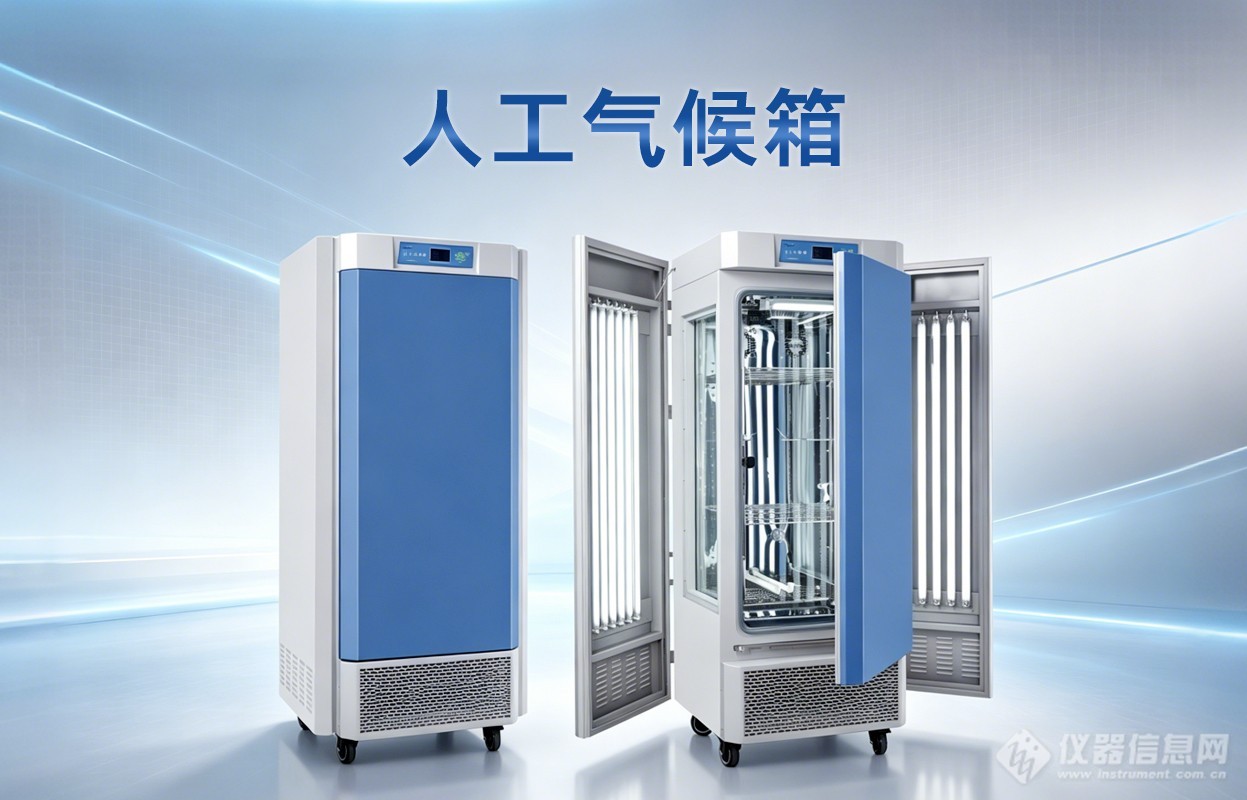
[Technical Notes] Daily Use Handbook of Artificial Climate Chamber
The artificial climate chamber is a device that integrates temperature, humidity, and light with high precision to simulate and control environmental climate conditions to verify the repeatability and accuracy of experimental data. Mainly used in plant and plant tissue culture, seed germination, seedling breeding, microbial culture, insect and small animal breeding, material aging testing, etc.;
Questions and answers on the use of artificial climate chambers
Q: What kind of environment should the artificial climate box be placed in? What are the requirements for surrounding space?
A: ·It should be placed in a well-ventilated, dry, clean room, away from direct sunlight, and away from environments with excessive dust, corrosive gases or strong electromagnetic interference.
·Reserve a safe distance. More than 30cm of space should be reserved around and at the top of the box. Keep it away from heat sources (such as ovens and heaters). Ensure that the heat dissipation vents of the compressor must be ventilated and unobstructed.
·Place the platform: It needs to be placed on a level, stable, solid table or ground to avoid vibration, and the bottom corners should be fixed.
Q: What are the special requirements for power supplies and sockets? What electrical safety should we pay attention to during use?
A: ·An independent, grounded dedicated power socket must be used, and the rated current of the socket must match the equipment requirements.
·The voltage must be stable. If the voltage fluctuates greatly, it is recommended to install a stabilized power supply.
·Regularly check whether the power cord is aged or damaged.
Q: What are the specific specifications for sample placement? How to ensure temperature uniformity inside the box?
A:·Samples should be placed on the shelf in an orderly and neat manner. The air ducts should not be blocked, and they should not be placed too densely. There should be enough gaps between samples and between samples and the box wall to ensure smooth air circulation.
·Containers must be made of materials that are resistant to high temperatures, high humidity, sterile and chemically stable.
·Liquid culture must be properly sealed to prevent evaporation or pouring from contaminating the box.
Q: What items are strictly forbidden to be placed in the artificial climate box?
A: ·It is strictly prohibited to put flammable, explosive, volatile and highly corrosive chemicals (such as ethanol, ether, concentrated acid, concentrated alkali) directly into the box.
Q: What checks need to be done before starting the machine? What should I pay attention to when setting temperature and light?
A: After first use or long-term disuse, you should first check whether the power connection is firm and whether the grounding is reliable, and run it without load for a period of time to confirm that the temperature and humidity are stable and the light intensity is adjustable.
·The temperature and humidity set values must not exceed the rated control range allowed by the equipment.
·Illuminance parameters should be set and turned on with the door closed.
Q: How to avoid personal injury during use? What protective measures are in place?
A: ·Anti-scalding and anti-freezing: When operating in high or low temperatures, professional anti-scalding or anti-freezing gloves must be worn when handling samples to avoid direct contact with the inner tank or evaporator surface.
·Prevent damage from strong light: The box is equipped with fluorescent lights or LED lights. When using, avoid light sources (especially strong light) from shining directly into your eyes.
Q: What extra attention should be paid to cultivating pathogenic microorganisms?
A:·Biological safety protection management must be strengthened to ensure that the culture container is airtight.
·After the test, the samples should be treated harmlessly and the inside and outside of the box should be thoroughly disinfected.
Q: What are the requirements for opening and closing doors? What are the dangers of opening the door frequently?
A: ·The number and time of opening the door should be minimized, otherwise it will cause large fluctuations in temperature and humidity inside the box, affecting the experimental results; at the same time, frequent opening of the door will also lead to a large amount of condensation or even water accumulation in the box.
Q: How to do daily cleaning and regular maintenance?
A: ·When performing cleaning and maintenance or long-term outage, the power must be turned off and the plug must be unplugged.
·Regular cleaning: Use neutral detergent or 75% alcohol to wipe the inner and outer surfaces, shelves and racks of the box; it is strictly prohibited to use highly corrosive or organic solvents to clean the inner tank, sealing strips and observation windows.
·Water tank maintenance: Distilled or deionized water must be used. It is recommended to clean the water tank every week to prevent the growth of scale and microorganisms; the water needs to be drained and dried when not used for a long time.
·Condenser cleaning: Use a vacuum cleaner or soft brush to clean the condenser fins every six months to maintain cooling efficiency.
·Covering is strictly prohibited: It is absolutely prohibited to place anything on or around the top of the box to avoid blocking the air duct openings and heat dissipation holes, causing overheating of the device.
View More from This Booth
[Exhibition Review] Gathering at the South China 3D Printing Exhibition, a wonderful review of Yiheng Instruments TCT Shenzhen

[Company News] Integrating into the innovation ecology of Songjiang G60 Science and Technology Innovation Corridor, the third factory of Yiheng Instruments has been closed!
[Technical Notes] Daily use handbook of constant temperature incubator