
 Gold Member
 Business License
Ultrapure water trace organic matter control technology white paper
Total organic carbon (TOC) is a key indicator for evaluating the quality of ultrapure water. Trace organic compounds have a significant impact on semiconductor manufacturing, precision analysis, and pharmaceutical production.
1. Source of organic matter
The sources of organic matter in ultrapure water are diverse and can be classified into four categories:
1. Raw water background: Surface water and municipal tap water contain natural organic matter such as humic acid and low molecular organic acids.
2. Industrial external sources: solvents, surfactants, plasticizers and other synthetic organic substances.
3. Sources within the system: Polymer components such as pipelines, sealing materials, filter membranes and ion exchange resins can extract low-molecular additives, monomers or degradation products, especially in new systems.
4. Microbial metabolism: The biofilm formed on the pipe wall and storage tank surface releases polysaccharides, proteins and organic acids during the process of growth and death, constituting continuous endogenous pollution.
2. Harm of organic substances to different application fields
Even when organic matter is present at ppb levels, systemic risks can arise through multiple pathways:
• Semiconductor manufacturing: Organic residues on the wafer surface affect surface cleanliness and interact with photolithography and etching processes, leading to an increase in defects and a decrease in yield.
• Precision analysis: Introducing background signals in chromatography and mass spectrometry analysis causes baseline drift and impurity peaks, which directly interferes with the quantification of trace substances.
• System operation: Organic matter is adsorbed on the surface of the reverse osmosis membrane, causing membrane fouling, resulting in flux attenuation and an increase in transmembrane pressure difference; at the same time, it provides a carbon source for microorganisms, promoting biofilm formation and secondary pollution.
• Pharmaceutical safety: Affects drug stability and production processes, and threatens product sterility assurance levels through microbial-related pathways.
3. Core removal technology of ultrapure water system
According to the characteristics of different organic matter, a hierarchical targeted removal strategy must be adopted:
technical unit | Mechanism of action | Applicable objects | Process positioning |
Activated carbon adsorption | Physical adsorption and surface interaction | Hydrophobic organic matter, macromolecular natural organic matter | In the pretreatment stage, the front end reduces organic matter |
Reverse Osmosis (RO) | Semipermeable membrane screening | Macromolecule organic matter, colloid | The core desalination unit simultaneously intercepts some organic matter |
Ultraviolet oxidation (UV) | 185 nm/172 nm photolysis produces hydroxyl radicals | Small and medium molecule organic matter, refractory biodegradable matter | Terminal polishing, deeply degrading trace organic matter to CO₂ with H₂O |
Ultrafiltration (UF) | Membrane screening cutoff | Macromolecule organic matter, colloids, microorganisms | Terminal filtration to control particles and bioburden |
4. Strategies for controlling organic matter in Genie G ultrapure water system
Typical purification process of Genie G ultrapure water system:Pretreatment (P Pack purification column / AC Pack purification column) → RO membrane (RO Pack) → EDI module → UV oxidation (172nm mercury-free UV technology) → Ion exchange (low organic ultra-purification column) → terminal microfiltration (0.2μm terminal filter) → ultrapure water
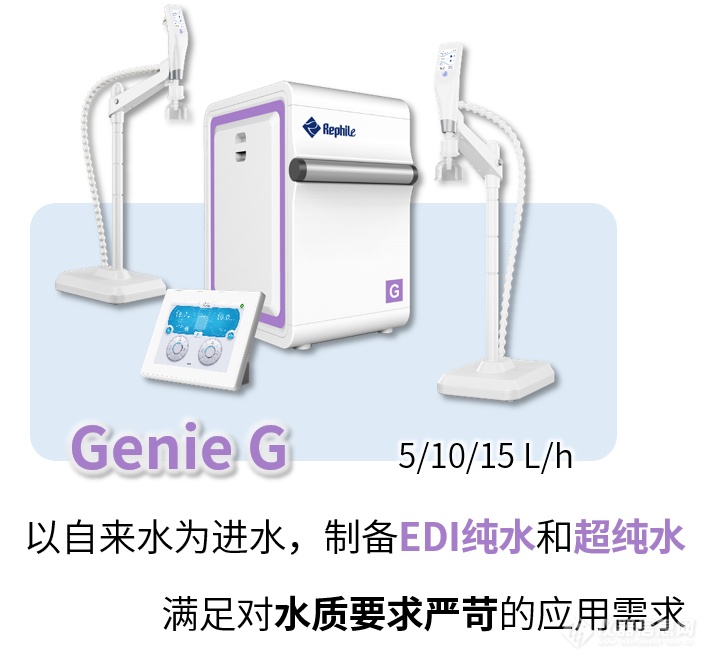
The Genie G intelligent ultrapure water system integrates cutting-edge water purification technology and optimized flow path design, and is equipped with an advanced intelligent full-process monitoring system to ensure the stability and reliability of water machine performance and water quality, and meet stringent water needs such as ICP-MS, LC-MS trace analysis, cell culture, and molecular biology experiments.
1. The ultra-innovatively designed low-organic LeFil and OrganeFil formula fillers can effectively remove trace ions and organic impurities.
2. The ultrapure water UV lamp is a 172 nm mercury-free degradation UV lamp, which cycles regularly every hour, automatically sterilizes and effectively degrades organic matter (TOC), and effectively maintains the TOC of the produced water below 5ppb.
3. An online detection system developed independently and based on the principle of complete oxidation method to accurately monitor the total organic matter content in the produced water.
Suitable for experiments with high sensitivity to TOC
TOC control needs to follow the principles of "source control, process removal, terminal polishing, and whole-process monitoring":
- Optimize raw water pretreatment to reduce front-end organic load;
- Select low-leaching system materials to reduce endogenous contamination;
- Realize pollution traceability and early warning through online TOC monitoring;
- Combine circulation flow rate design and microbial control to maintain long-term stable operation of the system with low TOC.
View More from This Booth
Application of ultrapure water system in trace analysis of high-purity sputtering targets
Seven Key Methods for Ultrapure Water Quality Control in ICP-MS Analysis
Looking for old friends of Lefeng Water Machinery who are 10/15 years old, trade-in up to NT$38,000
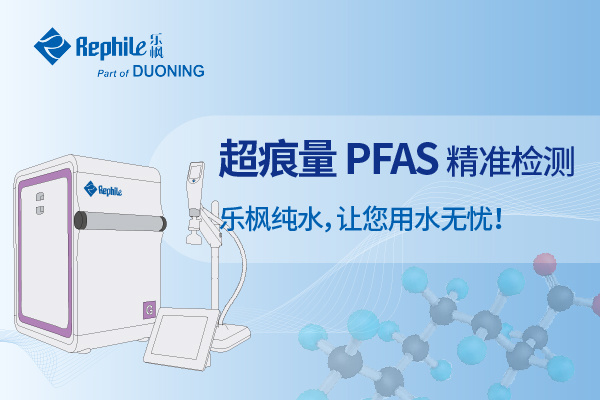
Accurate detection of ultra-trace PFAS and strict control of background pollution of pure water
Recommended Products
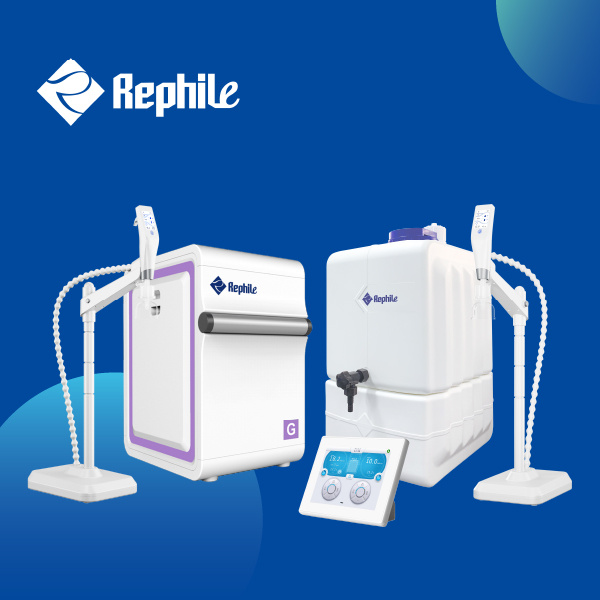
RephiLe intelligent EDI pure water and ultrapure water system Genie G
US$ 13986.00-41958.00
Model:Genie G
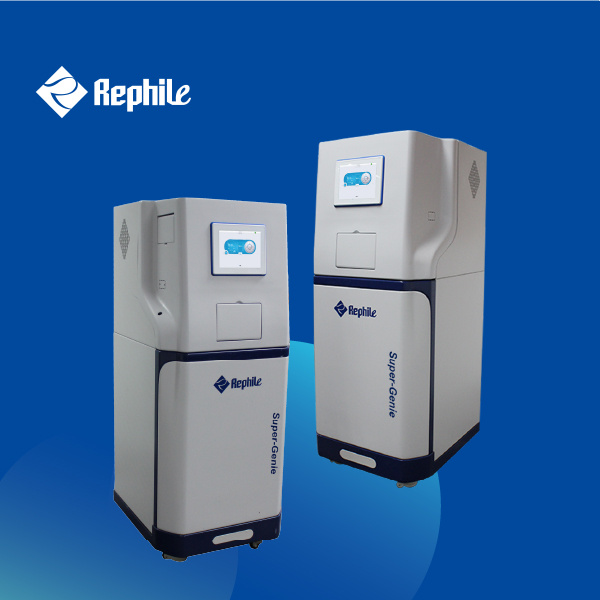
RephiLe large flow intelligent pure water workstation Super-Genie
US$ 41958.00-69930.00
Model:Super-Genie