Gold Member
 Business License
Why is the DNA/RNA extraction efficiency always unstable? The problem may lie in sample pre-processing
In the laboratory, many researchers have encountered similar situations:
With the same extraction reagent and the same experimental process, why are the results obtained from different batches of samples significantly different?
Sometimes, the problem does not lie in the last step of the experiment, but in the initial sample processing stage.
For complex samples such as animal tissues, plant samples, and microbial cells, the cell structure is complete and the tissue is dense. If it is not fully lysed, the target substance will be difficult to fully release.
For example:
The nucleic acid extraction concentration is low and the purity is not ideal;
Incomplete tissue lysis affects the PCR amplification effect;
Insufficient microbial cell wall breaking results in low protein extraction rate;
When processing batch samples, the degree of homogeneity of different samples is inconsistent, which affects the repeatability of the experiment.
Sample pretreatment seems simple, but it directly affects every step of subsequent experiments.
Why is it increasingly difficult for traditional grinding methods to meet experimental needs?
hand grinding,Homogenizeretc. are common sample processing methods in laboratories. However, as the number of samples increases and experimental requirements continue to improve, traditional methods have gradually shown some limitations:
1. Limited processing efficiency
When dealing with dozens or even hundreds of samples, grinding them one by one is time-consuming and labor-intensive, making it difficult to meet batch processing requirements.
2. Insufficient consistency in sample processing
Manual operation is easily affected by factors such as grinding intensity, processing time, and operating habits, resulting in differences in the degree of sample breakage, which in turn affects subsequent extraction results and experimental repeatability.
3. Some samples are difficult to grind sufficiently
For plant tissues rich in fiber, animal tissues with dense structures, or microorganisms with strong cell walls, traditional grinding methods may be difficult to achieve sufficient crushing, affecting the release of target components.
Therefore, more and more laboratories are beginning to adopt mechanical homogenization methods to achieve fast, stable and reproducible sample lysis through high-speed impact and shear. in,High-throughput tissue grinderIt has become one of the common sample preprocessing equipment in scientific research laboratories and testing institutions.
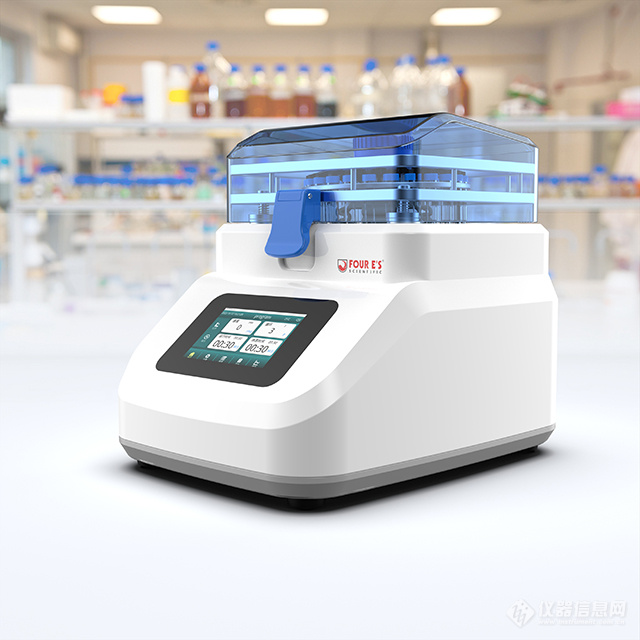
How does a high-throughput tissue grinder achieve rapid homogenization?
The high-throughput tissue grinder adopts a three-dimensional high-speed motion mode to drive the grinding beads in the grinding tube to move at high speed. Through continuous collision and shearing with the sample, it quickly breaks the tissue and cell structure and achieves efficient lysis, grinding and homogenization of the sample.
Compared with traditional processing methods, it has the following advantages:
High-throughput processing: Multiple samples can be processed at one time to meet the needs of batch experiments.
Fast grinding: It can quickly reach the set operating speed and greatly shorten the sample processing time.
Programmed operation: supports the storage of multiple sets of experimental programs, and can quickly call parameters according to different samples to improve the standardization of experiments.
Compatible with a variety of grinding beads: glass beads, ceramic beads or steel beads can be selected according to different samples to adapt to different experimental needs
Relying on automated and standardized sample processing processes, experimental personnel can not only complete batch sample processing more efficiently, but also effectively reduce operational differences and improve the consistency and repeatability of experimental data.
From scientific research to testing, what are the applications of high-throughput tissue grinders?
1. Animal and plant tissuesDNA/RNA extraction
Samples such as plant leaves and animal tissues usually need to be fully lysed to obtain high-quality nucleic acids. The high-throughput tissue grinder can quickly disrupt cell structures, fully release nucleic acids, and ensure consistent processing conditions for different samples. It is suitable forPCR, qPCR, gene expression analysis and high-throughput sequencing and other experimental pre-processing.
2. Microbial cell wall disruption and protein extraction
Microorganisms such as bacteria and yeast have thick cell walls, and traditional lysis methods have limited efficiency. When paired with glass beads or ceramic beads, the high-throughput tissue grinder can quickly complete mechanical wall breaking and improve the extraction efficiency of proteins, enzymes and other intracellular active substances. It is widely used in proteomics, enzyme activity analysis and microbial research.
3. Food and agricultural product testing
Food samples have complex components, and the homogenization effect directly affects the test results. The high-throughput tissue grinder can quickly complete the homogenization of meat, grains, fruits, vegetables and other samples, provide more uniform and stable samples for the detection of pesticide residues, veterinary drug residues, heavy metals and nutritional components, and improve detection efficiency and data reliability.
4. Drug development and biological sample analysis
In the process of drug development, tissue samples often need to be fully homogenized before extracting target metabolites. The high-throughput tissue grinder can improve the recovery rate of metabolites and provide a more stable and efficient sample pretreatment solution for pharmacokinetics, biological sample analysis and preclinical research.
5. Environmental sample pretreatment
Environmental samples such as soil and sediment have complex compositions and uneven particle sizes. Through rapid homogenization, the extraction efficiency of target substances such as organic pollutants and microbial DNA can be effectively improved. It is widely used in environmental monitoring, ecological research and third-party testing laboratories.
How to choose a tissue grinder suitable for the laboratory?
When choosing a tissue grinder, it is recommended to focus on the following aspects:
Whether there is sufficient sample throughput to meet the needs of batch experiments;
Whether it can complete lysis quickly and ensure the consistency of sample processing;
Whether it supports a variety of grinding beads and different types of samples;
Whether it supports intelligent functions such as program saving and loop running;
Whether it operates stably, is easy to maintain, and is suitable for long-term use.
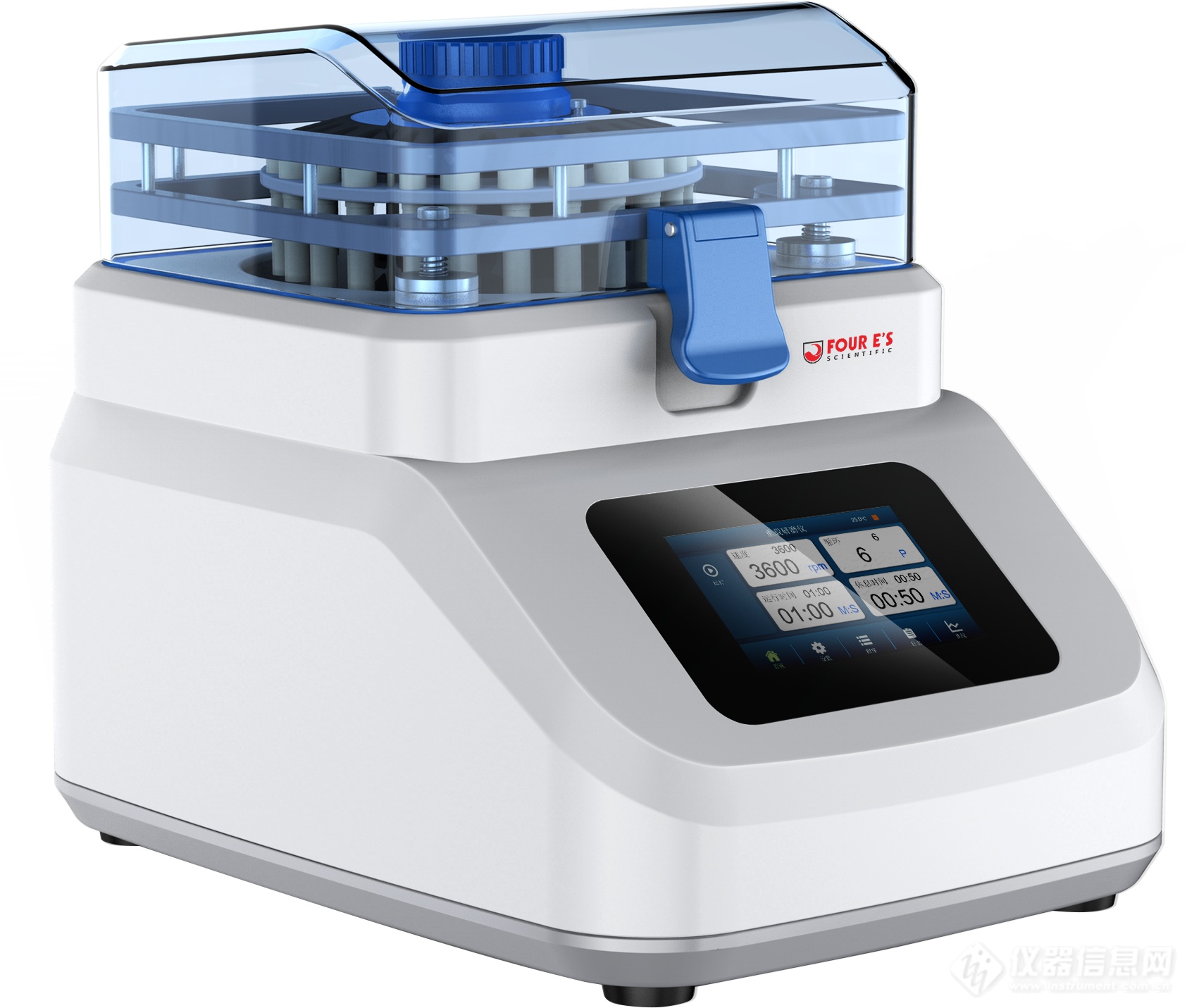
by400 million scientific instruments high-throughput tissue grinderFor example, the equipment can process 24 samples at a time, adopts a high-speed three-dimensional motion mode, supports 50 sets of program storage, cyclic intermittent operation, and is compatible with a variety of grinding media such as glass beads, ceramic beads, and steel balls. It can meet the sample preprocessing needs in many fields such as life sciences, food testing, environmental analysis, and drug research and development.
Conclusion
The reliability of experimental data often starts with sample preprocessing. With the continuous development of life science research and analytical detection technology, laboratories have increasingly higher requirements for sample processing efficiency, standardization and repeatability. Choosing appropriate tissue grinding equipment can not only improve experimental efficiency, but also provide a more stable and reliable sample basis for subsequent experiments.
In the future, 400 Million Scientific Instruments will continue to share more laboratory pre-processing technologies, application cases and instrument usage experience, and explore more efficient and intelligent experimental solutions with scientific researchers.
View More from This Booth

Siyi Scientific Instruments invites you to attend the 2026 Shanghai Cell Industry Ecological Innovation Conference
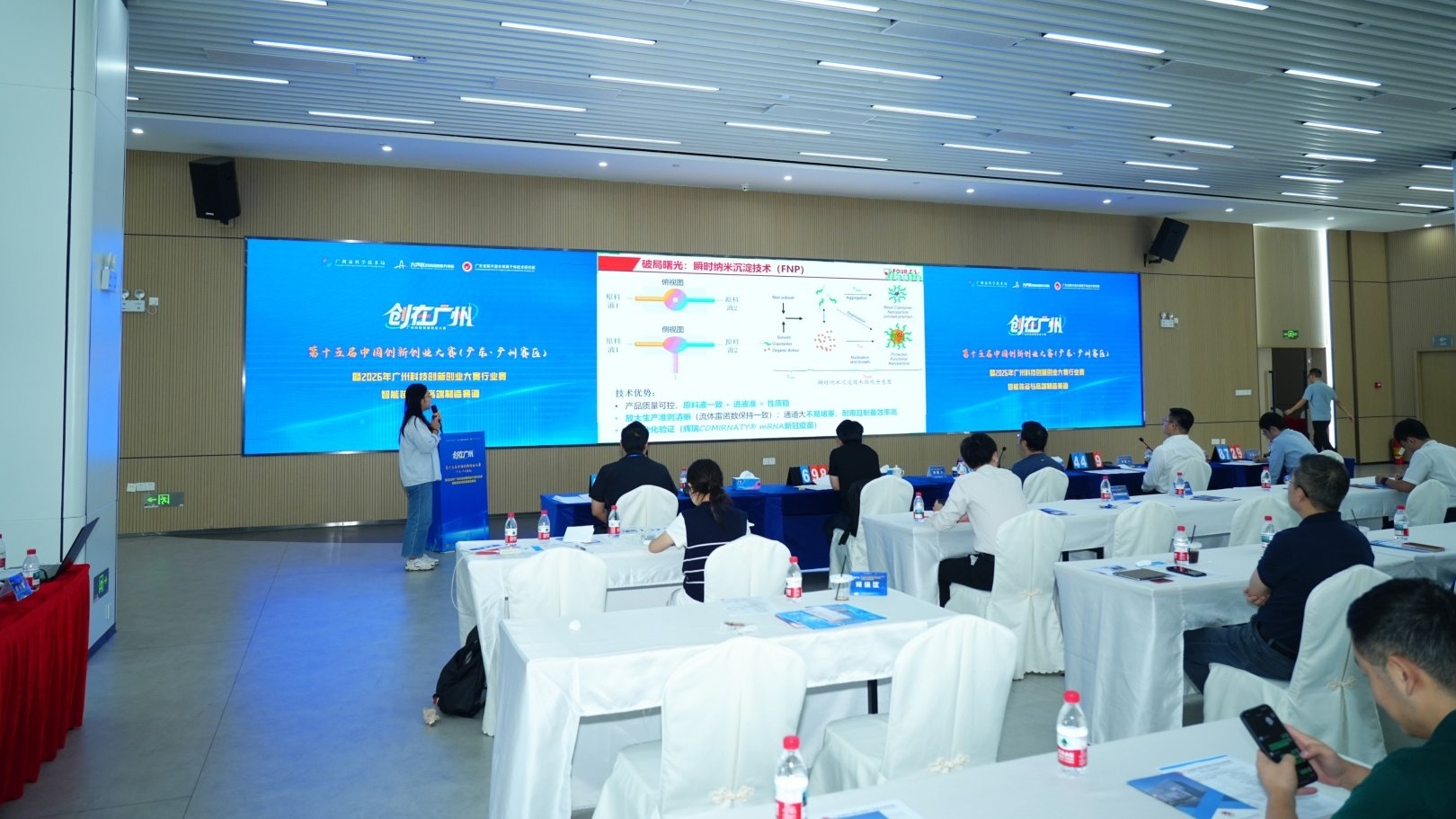
400 million scientific instruments advance to the finals of the 15th China Innovation and Entrepreneurship Competition Guangzhou Division Industry Competition
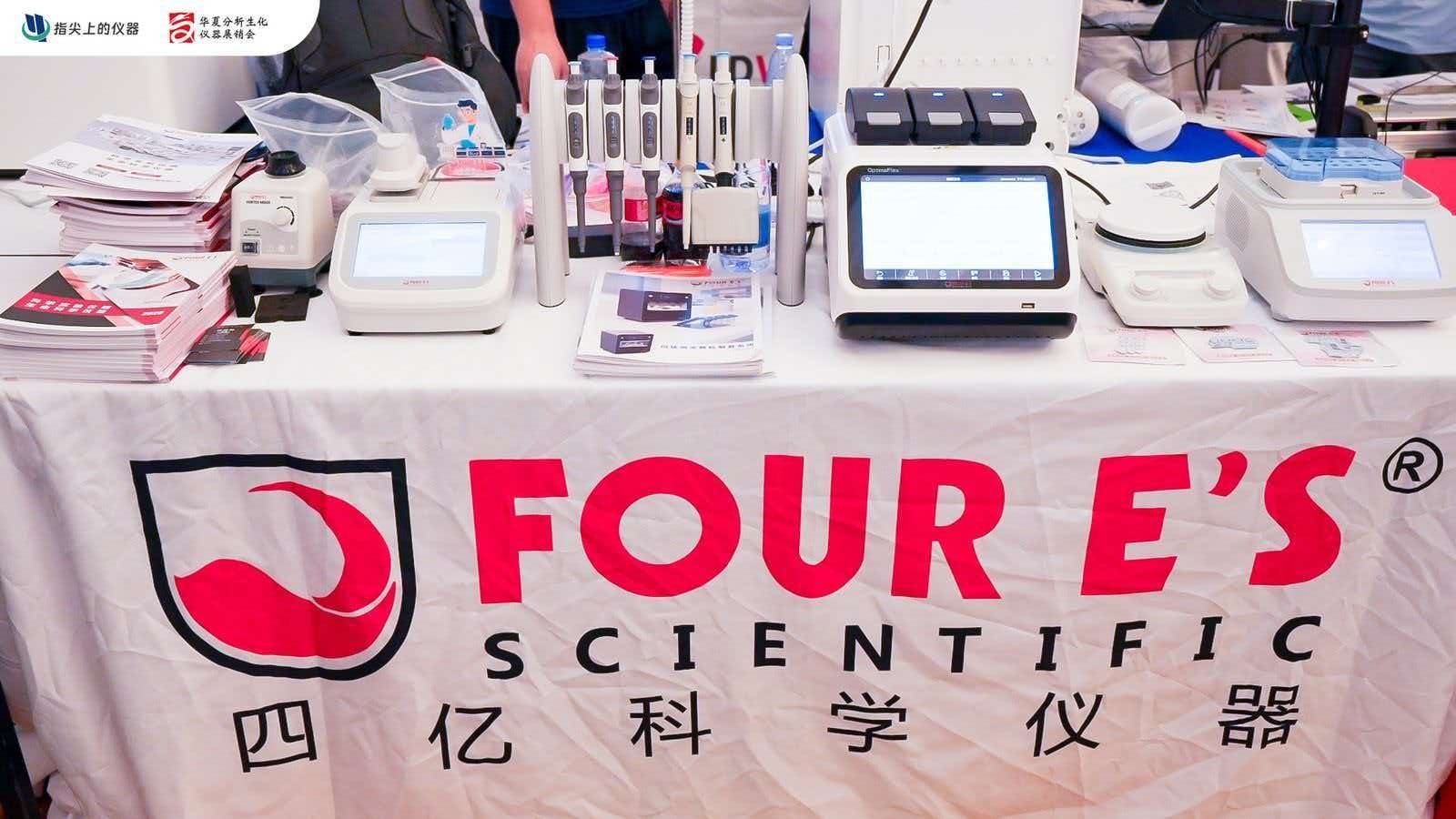
The two-stop event concluded successfully! 400 million scientific instruments unveiled at the 2026 National Tour Guangzhou × Nanning Station of Instruments on Fingertips