

 Gold Member
 Business License
Impurity control and high-purity process optimization strategies in mRNA drug production
In recent years, mRNA technology has become a transformative breakthrough in the field of biomedicine. With its rapid research and development speed, flexible production scale and precise control of protein expression, mRNA therapies and vaccines have shown broad application prospects in the fields of infectious disease prevention and treatment, tumor immunotherapy and genetic diseases. Compared with traditional drugs, mRNA can not only guide the body's own production of therapeutic proteins, but also has extremely high development potential.
The commercial production of mRNA is mainly achieved through in vitro transcription (IVT) technology. In this process, a DNA sequence is used as a template to synthesize the desired mRNA molecule under the catalysis of a specific enzyme. However, in vitro transcription is not a "perfect" process. While generating target single-stranded mRNA, a variety of product and process-related impurities are often produced, such as mRNA aggregates, short fragment transcripts, and immunogenic double-stranded RNA (dsRNA). These impurities will not only significantly reduce the purity and production efficiency of mRNA, but may also activate the body's innate immune system, cause side effects such as inflammation, and even inhibit the translation and synthesis of target proteins.
Therefore, how to efficiently remove these impurities and ensure the safety and effectiveness of the final product has become a core challenge in the mRNA production process. At present, regulatory guidelines for mRNA purity standards are gradually being improved, but quantitative control indicators for various impurities are still in the exploratory stage. This article will briefly discuss the key impurity types, their formation mechanisms and corresponding control strategies in mRNA production, and conduct a comparative analysis of the current mainstream purification technologies and quality detection methods, aiming to provide a reference for process optimization and quality control of mRNA drugs.

Double-stranded RNA (dsRNA) and its process control
In mRNA production, dsRNA is the main impurity generated by the in vitro transcription (IVT) process. According to structural characteristics, dsRNA is usually divided into two categories: one is 3’-terminal loop dsRNA, in which a single-stranded RNA molecule folds and pairs with itself; the other is sense-antisense strand dsRNA, which is composed of two complementary RNA strands. The formation mechanism of these impurities is complex and is mainly attributed to the "off-target" behavior of the enzyme during the transcription process - for example, the polymerase extends itself at the transcription end to form a loop, or initiates transcription on the non-template strand to produce antisense fragments.
The widespread presence of dsRNA will have a serious impact on the efficacy and safety of mRNA products. Specific sensors in the human immune system can accurately recognize these characteristic structures, thereby initiating an immune response, leading to the release of interferons and inflammatory side effects. In addition, this type of immune response will also shut down the protein synthesis pathway in the cell, resulting in a significant decrease in the expression efficiency of the target protein. Therefore, it is crucial to reduce dsRNA production during the production process through multiple strategies.
The reduction strategy for dsRNA mainly includes the following aspects:
Optimize reaction raw materials and ingredients:By introducingmodified nucleotides(such as 1-methylpseudouridine) or adjusting the concentration of key ions in the buffer (such as reducing the magnesium chloride concentration) can inhibit the generation of dsRNA to a certain extent.
Process environment and purification improvements:Use high-temperature transcription or introduce mild denaturants such as urea or formamide to disrupt undesired base pairing. In addition, high-quality chromatography purification of the DNA used as the starting template can significantly reduce non-specific transcription induced by template impurities.
Enzyme engineering optimization:By genetically modifying the transcriptase, it can reduce the tendency to produce short fragments and loop impurities while maintaining high yields.
In terms of quality control and detection, currently the most commonly used is antibody-based immunoassays (such as ELISA), which can quickly identify dsRNA qualitatively or semi-quantitatively. In response to the refined needs of process development and production processes, ion-pair reversed-phase high-performance liquid chromatography (IP-RP-HPLC) shows greater advantages. This technology is based on differences in molecular hydrophobicity and can achieve effective separation and quantitative analysis of target single-stranded mRNA and dsRNA impurities under high-temperature denaturing conditions. It has become a core method for measuring product purity. With the development of detection technology, emerging high-throughput analysis methods such as nanopore sequencing are also providing stronger support for in-depth assessment of the integrity and sequence fidelity of mRNA.
Formation and control of mRNA fragments
In the production of mRNA, in addition to double-stranded RNA, short fragments of mRNA (i.e., "truncated transcripts") are also a common type of process impurity. These fragments are mainly generated during the initial stages of in vitro transcription (IVT). When transcriptase recognizes a DNA promoter and begins synthesis, it goes through a process called the "initiation cycle." During this period, the initial complex formed by the enzyme and the template is in an unstable state, which can easily lead to premature termination of transcription and release short fragments of only 2 to 13 nucleotides in length. This phenomenon is called "abortive transcription."
As transcription proceeds, when the synthesized RNA chain reaches a certain length (usually more than 10 nucleotides), the enzyme will undergo drastic changes in structural conformation and enter a highly stable "elongation phase." However, if there is no successful transition from initiation to elongation, transcription will repeatedly "stop", producing a large number of short, ineffective fragments. In addition, in addition to these fragments generated during the transcription process, hydrolysis or contamination by RNase (ribonuclease) in the later stages of the mRNA will also lead to the degradation of long-chain mRNA, forming more undesirable fragments.
The accumulation of mRNA fragments not only directly reduces the purity and effective yield of full-length mRNA, but may also induce immunotoxicity. These fragments themselves may serve as reverse templates, participating in the generation of immunogenic double-stranded RNA through non-specific transcription, thereby activating the innate immune response. Therefore, ensuring the integrity of mRNA is crucial to improving drug potency and safety.
To mitigate the formation of mRNA fragments, the industry mainly adopts the following strategies:
Transcriptase and promoter engineering:By genetically modifying the transcriptase or fine-tuning the promoter sequence, the energy barrier for the conversion from the initiation complex to the elongation complex can be reduced and the enzyme can be promoted to enter a stable and efficient transcription mode as soon as possible.
Add cofactors:Added to the transcription reactionPyrophosphatase, which can effectively reduce the probability of aborted transcription by consuming the pyrophosphate of the transcription product, while significantly increasing the total yield.
Process control and degradation prevention:Add to IVT reaction systemRNase inhibitor, and strictly controlling metal ion pollution in the production environment (metal ions will accelerate the hydrolysis of phosphodiester bonds) are necessary measures to prevent late-stage mRNA fragmentation. In addition, using artificial intelligence algorithms to predict the secondary structure of mRNA and avoid structures that can easily lead to transcription termination at the sequence design level is also a forward-looking optimization method.
In terms of analysis and detection, conventional detection methods have certain limitations due to the small size of mRNA fragments.capillary gel electrophoresis(CGE) can be used to assess the integrity of full-length mRNA, but it does not have sufficient resolution for extremely short "stop products". At present, the quantitative and qualitative analysis of these fragments mainly relies on highly sensitive liquid chromatography-mass spectrometry (LC-MS) technology, which can accurately identify and distinguish fragments as short as a few nucleotides and various complex impurities, thus providing key data support for the continuous optimization of the production process.
Capping of mRNA: structural integrity and production control
The 5’-end capping of mRNA is a key step in determining its biological activity. Natural mRNA is modified by adding a 7-methylguanosine structure to the 5’-end (m7G), forming a special "hat" structure. This structure can not only significantly improve the stability of mRNA and prevent it from being degraded by intracellular enzymes, but is also the core signal for ribosomes to recognize mRNA and initiate protein translation. If the mRNA fails to be capped (uncapped mRNA) or is capped in the wrong direction, its translation efficiency will be significantly reduced and it will be easily degraded rapidly within the cell, thus losing its therapeutic efficacy.
In in vitro production, there are two main ways to achieve mRNA capping: one is co-transcriptional capping, that is, the cap analog is directly added to the IVT reaction system, and the transcriptase synthesizes the mRNA while connecting it to the 5'-end; the other is post-transcriptional capping, that is, after the IVT reaction is completed, a special capping enzyme system is used to chemically modify the end of the mRNA. Co-transcriptional capping is currently more popular in the industry because the process is simpler and more efficient, but it also has challenges: cap analogs may undergo "reverse binding," resulting in the formed cap structure being not only ineffective, but also hindering translation.
To solve the problem of uncapping or incorrect capping, the following control strategies are usually adopted in the production process:
Use anti-reverse capping analogues (ARCA):By carrying out special chemical modifications on the ribose sugar of the capping analogue, it is forced to bind to the mRNA in a single correct direction, thereby increasing the effective capping ratio.
Introducing trinucleotide analogs:This is currently the most efficient co-transcriptional capping strategy, enabling a very high proportion of native structures to be capped, thereby achieving better translation efficiency.
Optimize reaction system:Since the cap analog will compete with the raw material GTP, by adjusting the ratio of the two in the reaction system, the capping efficiency can be maximized while ensuring output.
In terms of analysis and detection, how to accurately distinguish capped and uncapped mRNA is the core of quality control. Due to the huge molecular weight of mRNA, current mainstream detection methods are mostly based on specific preprocessing:
Two-step enzymatic digestion with liquid chromatography (HPLC):This is currently the most cost-effective solution. First, specific enzyme treatment is used to degrade the uncapped mRNA, and then the remaining capped products are quantitatively analyzed by HPLC.
Mass spectrometry (LC-MS):Cutting the mRNA into short fragments and then performing mass spectrometry detection can achieve highly sensitive identification and is suitable for in-depth structural analysis.
PCR-based methods and nanopore sequencing:Methods such as quantitative ligation PCR can specifically identify uncapped fragments with specific ends; nanopore sequencing, as a cutting-edge technology, can theoretically directly identify methylation modifications at the ends of mRNA. As the technology matures, it is expected to achieve intuitive characterization of capping integrity.
Removal and purification strategies for process-related impurities
In addition to the by-products of the product itself, a large number of "process-related impurities" will remain in the mRNA production process. These impurities mainly originate from the IVT reaction system, including DNA as template, unreacted nucleotides (NTPs), T7 RNA polymerase that catalyzes the reaction, endotoxin, and various salts. Since these components are necessary to ensure successful transcription and cannot be directly eliminated during the reaction, they must be efficiently removed by downstream purification processes to meet extremely high safety and regulatory requirements.
Core impurities and their handling challenges:
DNA template and RNA-DNA impurities:DNA is the impurity with the largest molecular weight in the crude product. If too much remains, it will cause an inflammatory reaction in the body. Digestion treatment is usually performed using DNaseI enzyme to break DNA. However, the "RNA-DNA impurities" produced during the IVT process are difficult to be completely removed by conventional DNaseI enzymes, and their processing efficiency is extremely low. Since these impurities can activate the sensors of the innate immune system, they pose a potential threat to the immunogenicity of the product. Therefore, more optimized chromatographic separation methods are urgently needed.
Biogenic contamination (endotoxins):Since microbial systems such as Escherichia coli are often used to prepare DNA templates and enzymes during the production process, bacterial lipopolysaccharide, or endotoxin, is easily introduced. Endotoxins are highly immunogenic and heat-resistant, and must pass strict quality control processes, including the use of endotoxin-free laboratory consumables, reagents, and final product screening through compliant detection methods to ensure compliance with biopharmaceutical safety standards.
In order to achieve large-scale high-purity mRNA purification, chromatography technology is currently the preferred solution in the industry:
Oligodeoxythymidine (oligo(dT)) affinity chromatography:This is currently a very representative purification technology. The poly(A) tail at the 3'-end of the mRNA is paired with the oligo(dT) fixed on the chromatography column to capture the target mRNA. This method can effectively remove unreacted nucleotides, salts and short fragment impurities, thereby obtaining high-purity target products. However, its limitation is that it cannot remove double-stranded RNA impurities that also have poly(A) tails, so it often needs to be combined with subsequent purification steps.
Ion pair reversed phase high performance liquid chromatography (IP-RP-HPLC):As an efficient purification method, this technology can significantly remove structural impurities such as double-stranded RNA. However, because this process involves a large amount of toxic solvents and ion-pairing reagents, and there are environmental and cost pressures on its scale-up, it still faces certain challenges in practical applications.
Anion exchange chromatography (AEX):As another potential option, AEX separates mRNA from impurities through charge differences. Although it shows good amplification potential, its ability to distinguish structurally similar mRNA fragments from double-stranded RNA impurities needs to be further explored and verified.
It can be seen that although the current downstream processes can remove most impurities, the purification of mRNA drugs has not yet formed a mature and universal "platform" production process like monoclonal antibodies. Each existing purification method has its own unique technical bottlenecks, such as the trade-off between processing efficiency and impurity resolution. In the future, the focus of process development will be to integrate multiple orthogonal purification technologies and balance costs, environmental protection requirements and product quality to build a more efficient and resilient mRNA production system.
Summary and future prospects
The great success of mRNA technology in epidemic prevention and control marks its core position in modern medicine. However, to translate this potential into widespread clinical applications, the core challenge of high-quality mRNA production must be overcome. Currently, impurities such as double-stranded RNA, truncated fragments, and uncapped transcripts generated during the production process will not only significantly reduce protein translation efficiency, but may also induce unexpected immune responses in the human body, directly affecting the safety and therapeutic effect of drugs. Therefore, establishing a complete impurity identification, quantification and control system is the key to ensuring the steady development of mRNA therapy.
In short, the maturity of the mRNA production process is a complex systematic project. With the iteration of purification technology and the standardization of regulatory systems, the application scope of mRNA therapy will expand from the prevention and treatment of infectious diseases to broader fields such as tumor immunity, genetic diseases, and regenerative medicine. Through continuous technological innovation and process optimization, we have reason to believe that mRNA drugs will play an irreplaceable role in the future biomedical industry and bring far-reaching positive impacts to human health.

Relying on a complete one-stop bioprocessing platform, Duoning Biotech provides overall solutions covering key process links for the research and development, pilot scale-up and commercial production of mRNA drugs and vaccines. For downstream purification, Dorin provides tangential flow filtration (TFF) technology based on hollow fibers and membrane cassettes, which can be used for concentration, buffer replacement and impurity removal of mRNA products and encapsulated mRNA-LNP, taking into account high recovery rates and process stability. At the same time, the platform has a variety of functional modes of chromatography media and disposable chromatography tube sets suitable for the purification of nucleic acid products, which can support the efficient separation and purification of plasmid DNA, mRNA and related impurities. For process fluid management, Dorin provides disposable fluid solutions covering liquid preparation, liquid storage, transfer and process connection, including disposable mixing bags, liquid storage bags and customized disposable tube sets, which can effectively reduce the risk of cross-contamination and improve production efficiency. By integrating filtration, chromatography and disposable technology platforms, Duoning Biotech helps the rapid development, smooth scale-up and stable production of mRNA drugs and vaccine processes.
Hollow fiber filter
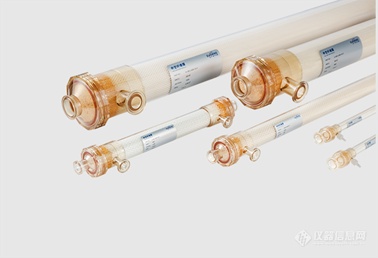
Dorin Bio-Hollow Fiber Filters provide reliable separation and purification solutions for biopharmaceutical companies with localized services, fast response and high cost performance. The membrane material is designed with hydrophilic modification, which has low adsorption and high yield, and can effectively protect the activity of biological macromolecules. The standardized interface design is compatible with many brands of tangential flow filtration systems on the market. It is easy to operate and control, and the process amplification has good linearity. The filter has strong anti-pollution ability and high load capacity, and is suitable for a variety of process requirements from small trials to industrial production. A wide range of specifications, including different effective lengths, membrane pore sizes (MWCO), fiber inner diameters and membrane materials, can meet the diverse applications of ultrafiltration and microfiltration. In addition, Duoning Biotech provides stable supply and comprehensive technical support to help customers quickly complete process development, optimization and scale-up, and achieve efficient production and process stability.
Disposable tangential flow tube set
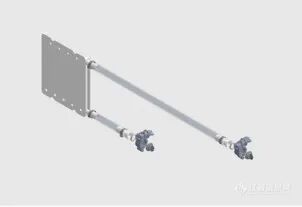
Dorin Biodisposable tangential flow tube sets can be specially designed for tangential flow filtration (TFF) processes based on hollow fiber or flat membrane cassettes, and can be customized with the hardware system used on site. The tube set can flexibly integrate different types of filters, disposable diaphragm pump heads (if any), specific pump tubes, baffles (if any), and key process monitoring components such as pressure sensors and conductivity sensors to meet different process operations and process monitoring needs. Through modular and customized design, the tube set can support full closed operation, simplify the process, ensure sterility safety, and take into account process controllability and data traceability, providing efficient and reliable solutions for TFF applications in laboratories, pilot plants, and production scale.
DuoMix® floor-standing mixing system
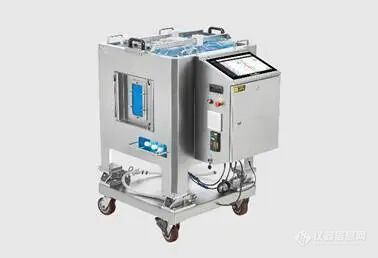
Duoning Bio's DuoMix® floor-standing mixing system covers application needs from laboratory scale of several liters to production-level scale of thousands of liters. It can be flexibly configured with disposable mixing bags to provide an efficient and reliable solution for the production of mRNA drugs and vaccines. In the mRNA process, DuoMix® can be used to prepare transcription reaction buffers, chromatography equilibrium solutions, eluents, ultrafiltration concentration buffers and LNP preparation-related solutions to ensure the consistency and stability of key raw materials and excipients. The system supports online monitoring and control of pH, conductivity, temperature and weighing to meet the requirements of complex processes for precise liquid preparation and process management. In addition, DuoMix® can also be used as key process units such as intermediate solution storage, sample temporary storage, tangential flow filtration (TFF) solution supply and collection container, providing flexible disposable process support for the mRNA production process, reducing the risk of cross-contamination and improving production efficiency.
DuoWave® wave bioreactor
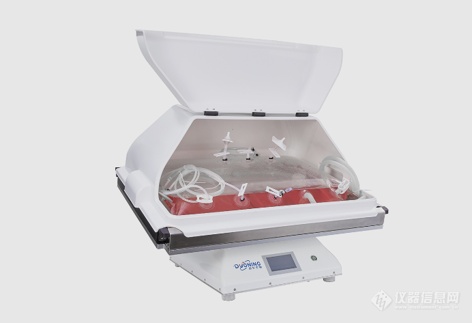
DuoNing Bio's DuoWave® wave bioreactor adopts a modular design and integrates efficient rocking mixing, temperature control and high-precision sensing functions. It supports quick installation and parameter closed-loop control. Its software system fully complies with GMP and 21 CFR Part 11 regulatory requirements. In mRNA production, the wave-like motion characteristics of DuoWave® provide excellent mixing efficiency and gentle shearing environment for in vitro transcription (IVT). This low-shear stress environment can effectively promote the uniform mixing of DNA templates, enzymes and nucleotides in the IVT reaction, ensuring the stability of reaction kinetics, thereby increasing the yield of mRNA while reducing product degradation caused by local overheating or shearing, providing an ideal reaction platform for the preparation of high-quality mRNA.
References:
C.J.A.Nowak, S.Liu, R.J.Falconer, et al., Process and analytical strategies for the safe production of mRNA vaccines and therapeutics. Molecular Biology Reports, 2026.
J.Zhang, Y.Liu, C.Li, et al., Recent Advances and Innovations in the Preparation and Purification of In Vitro-Transcribed-mRNA-Based Molecules. Pharmaceutics, 2023.
V. R. Litvinova, A. P. Rudometov, L. I. Karpenko, et al., mRNA Vaccine Platform: mRNA Production and Delivery. Russian Journal of Bioorganic Chemistry, 2023.
V.Gote, P.K.Bolla, N.Kommineni, et al., A Comprehensive Review of mRNA Vaccines. Molecular Sciences, 2023.

About Duoning Biotechnology
Shanghai Duoning Biotechnology Co., Ltd. is a leading one-stop bioprocessing solutions provider in China, committed to providing comprehensive solutions for biopharmaceutical products from research and development to commercial production, including reagents and consumables, instruments and equipment, and services. The company mainly operates two business lines: bioprocessing solutions and laboratory products and services. Through a one-stop bioprocessing system, it helps partners achieve efficient, stable, quality and cost-controllable drug development and production processes.
Learn more: www.duoningbio.com
Media inquiries: PR@duoningbio.com
View More from This Booth

Application of nano-delivery and structural materials in functional skin care systems

Afanti System·Electronic label scan code to report for repair

ATS microjet homogenization technology prepares nano-HAp suspension to improve bioavailability and application efficiency

Make a "digital move" of historical documents - from filing cabinets to instrument archives