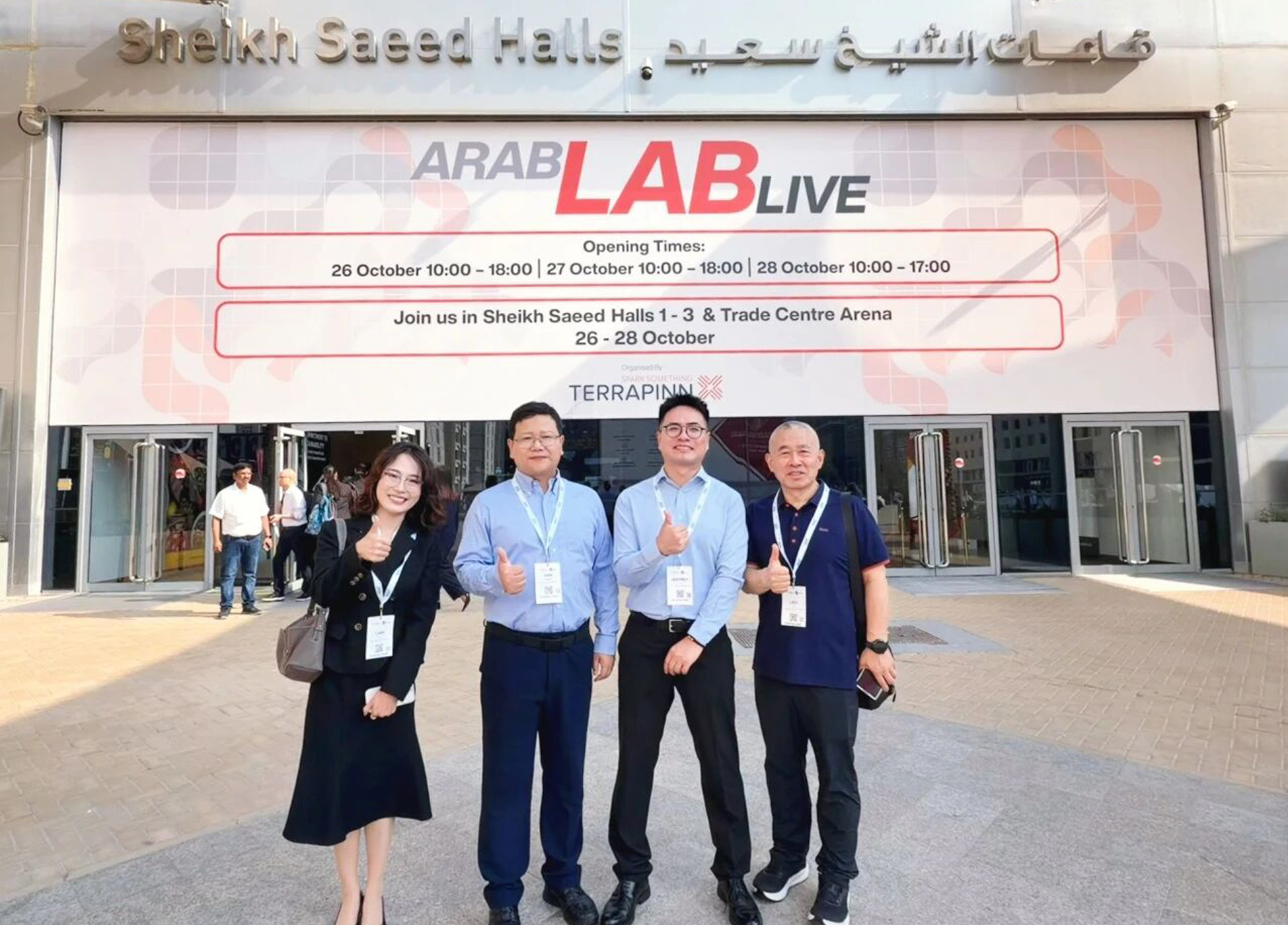
Being close to users continues from every meeting, Haineng goes to ARABLAB again
Company News
Oct 30, 2026

introduction
Water is the source of life, and its quality and safety directly maintains human health, ecosystem stability and sustainable social and economic development. Among the many potential threats to water quality, heavy metal pollution has attracted much attention due to its toxicity, accumulation and refractory nature. Thallium (Tl), as a highly toxic and relatively rare heavy metal element, poses serious public health and environmental risks even if it exists in extremely small concentrations (trace level, usually in the μg/L to ng/L range) in the water environment. The World Health Organization (WHO) and the drinking water standards of major countries and regions such as China and the European Union have set extremely strict limit values for thallium (generally 0.1 μg/L or less), highlighting the extreme importance of effective monitoring. Frequent thallium contamination incidents at home and abroad in recent years have warned us that it is urgent to strengthen monitoring and prevention and control. On June 23 this year, thallium and thallium compounds ranked first in the second batch of toxic and harmful water pollutants released by the Ministry of Ecology and Environment of the People's Republic of China.

2 Experimental part
2.1
Instruments and reagents
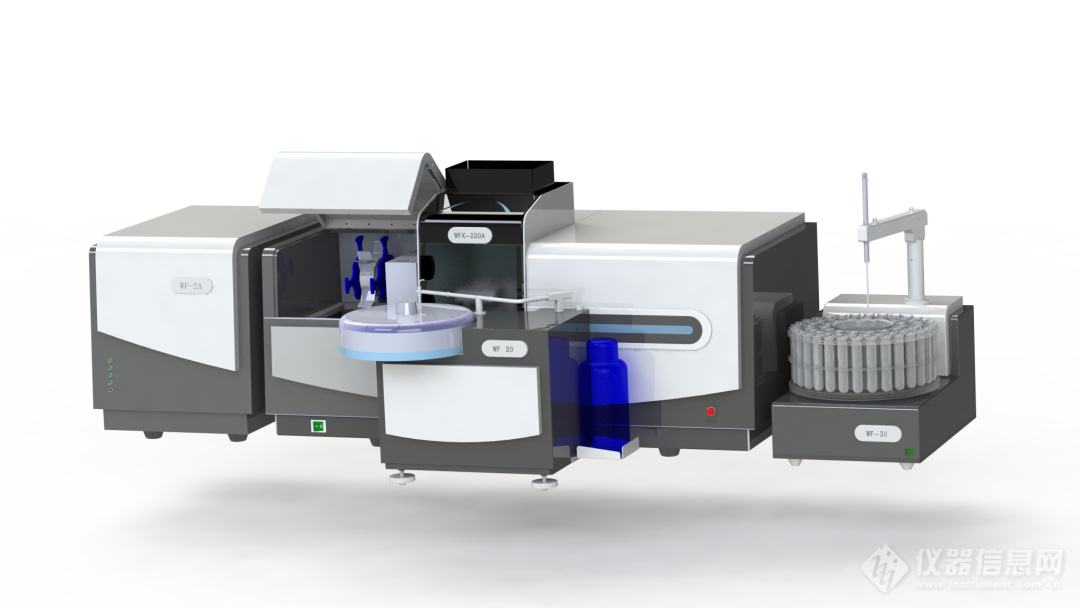
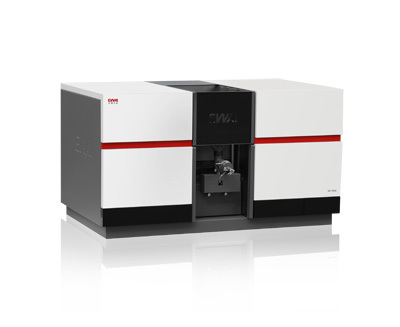
WFX-220A Pro atomic absorption spectrophotometer, Beijing North Rayleigh;
Electronic balance, sartorius, 0.1mg;
Centrifuge, Allegra 64R, Beckman Coulter;
Magnetic stirrer, C-MAG HS7 digital, IKA;
Thallium element standard solution (1000 μg/mL); nitric acid, ammonia water, bromine water, iron sulfate, and hydrogen peroxide are all of superior grade purity;
2.2
Sample processing
2.2.1 Drinking water samples
Pretreatment of water samples: Clarified water samples can be measured directly; water samples with a large amount of suspended solids need to be acidified and digested organic matter before analysis. If dissolved metals need to be measured, the water sample should be filtered through a 0.45 μm filter membrane during sampling, and then acidified by adding 1.5 mL of nitric acid per liter of water sample to make the pH less than 2.
Take 500 mL of water sample in a 1000 mL beaker, acidify it with nitric acid solution to pH=2, add 0.5 mL to 2 mL of bromine water until the water sample turns yellow and does not fade for 1 min. Add 10 mL of iron solution, and under magnetic stirring, add ammonia dropwise to make the pH greater than 7. Leave it overnight after precipitation occurs. The next day, pour off the supernatant, transfer the precipitate into a 10 mL centrifuge tube in batches, and centrifuge for 15 minutes. Take out the centrifuge tube and suck off the supernatant with a pipette. Dissolve the precipitate with 1 mL of nitric acid, wash the beaker with deionized water, and finally dilute to 10 mL and mix well. Pipette 50 μL for atomic absorption measurement.

2.2.2 Wastewater samples
Measure 50 mL of evenly mixed water sample into a 150 mL beaker or Erlenmeyer flask, add 5 mL of concentrated nitric acid, place it on a temperature-controlled heating device, cover it with a watch glass or small funnel, keep the solution temperature at 95±5°C, heat and reflux without boiling for 30 minutes, remove the watch glass, and stop heating when the solution is about 5 mL. After cooling, add 5 mL of concentrated nitric acid, cover with a watch glass, and continue heating and refluxing. If brown smoke is generated, repeat this step (add 5 mL of concentrated nitric acid each time) until brown smoke no longer occurs, and evaporate the solution to about 5 mL. After the above solution has cooled, slowly add 3 mL of hydrogen peroxide, continue to cover the watch glass, and keep the solution temperature at 95±5°C. Heat until a large number of bubbles no longer occur. After the solution cools, continue to add hydrogen peroxide, 1 mL each time, until there are only fine bubbles or the general appearance does not change. Remove the watch glass and continue heating until the solution volume evaporates to about 5 mL. After the solution is cooled, rinse the inner wall with an appropriate amount of experimental water at least 3 times, transfer it to a 50mL volumetric flask and set it to volume for testing.
2.3
Experimental conditions
Atomic absorption spectrometry was used for analysis. The instrument reference conditions are shown in Table 1 and Table 2 below.
Table 1 Reference conditions for drinking water instruments
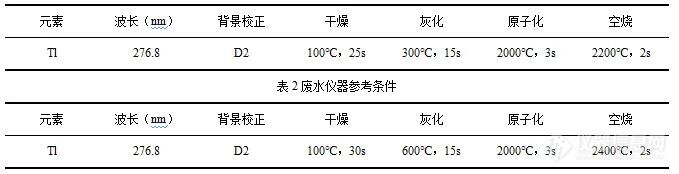
Calibration curve: Gradually dilute the thallium standard solution to 10 μg/L as the mother solution of the thallium calibration curve. Use the "single point preparation curve" function of the graphite furnace sampler to draw the calibration curve.

3 Results and discussion
Under the selected experimental conditions, when thallium is 0 to 10 μg/L, the linear relationship is good and can reach above 0.999; the calibration curve is shown in Figure 1 and Figure 2 below.
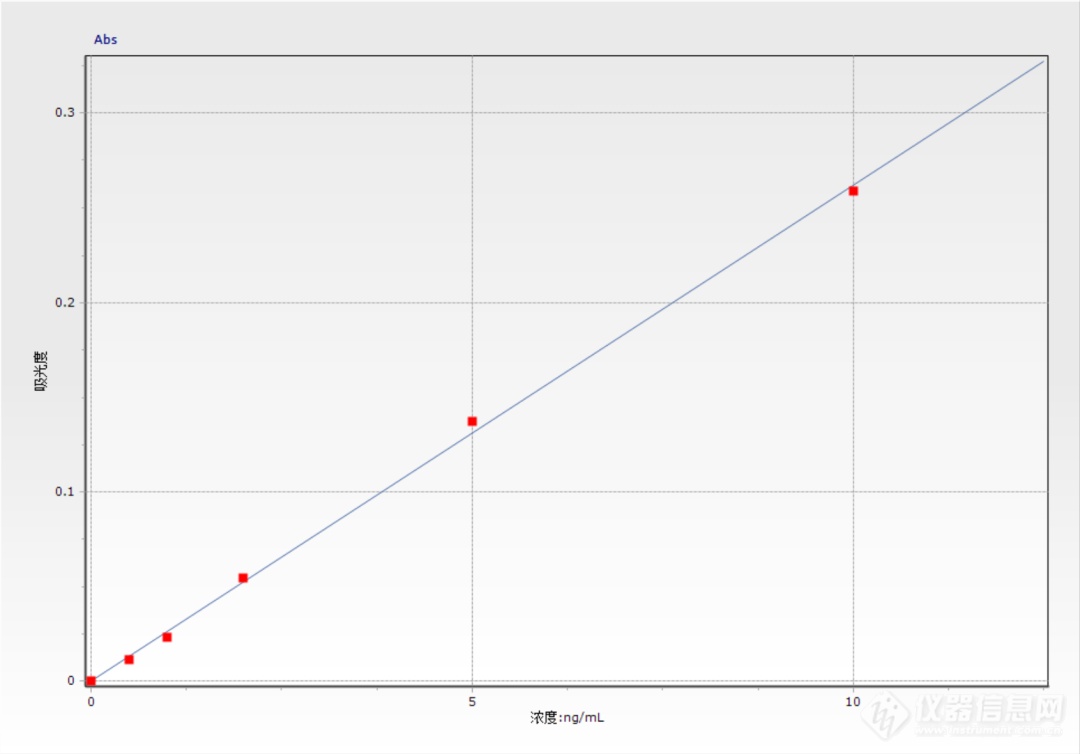
Figure 1 Calibration curve of thallium content in drinking water
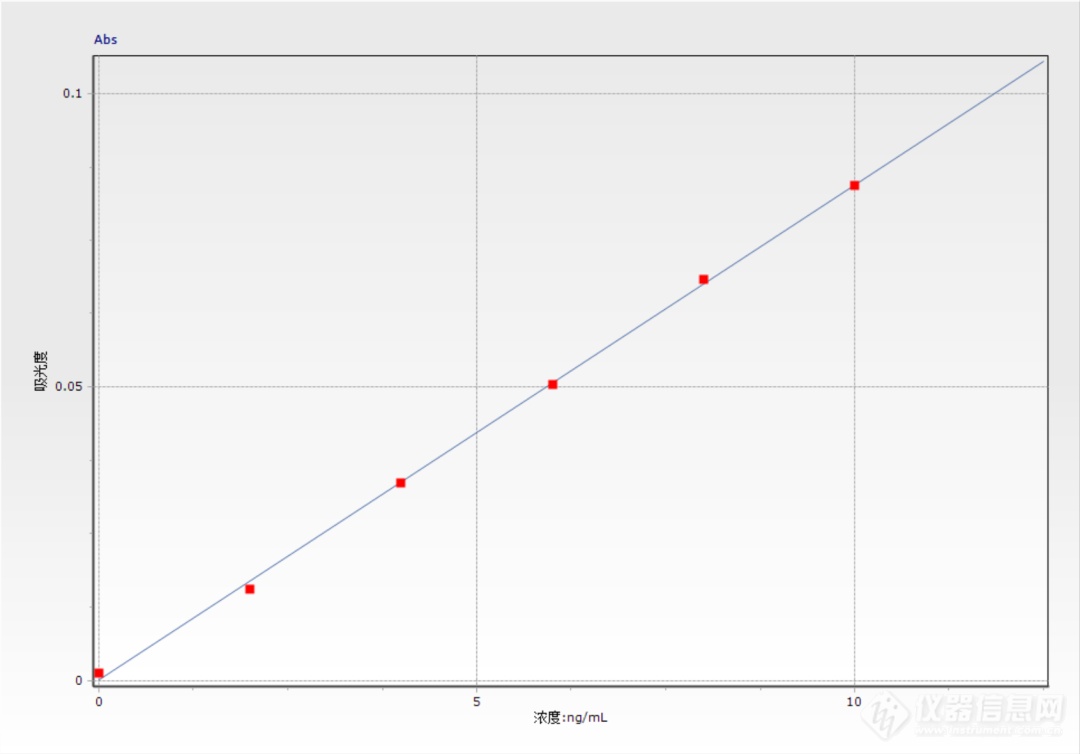
Figure 2 Calibration curve of thallium content in wastewater
Prepare a blank solution according to the experimental method and perform 11 measurements. Multiply the injection volume by 3 times the standard deviation, and then divide it by the slope of the calibration curve to calculate the detection limit of the method. Thallium is 1.85pg.
The treated drinking water and wastewater samples were tested under selected experimental conditions. The test results are shown in Table 3 below.
Table 3 Water quality sample measurement results

Table 4 Thallium element standard material results

It can be seen from Table 3 and Table 4 that the recovery rate of thallium spiked in water quality samples is 92% to 96%, and the relative standard deviation of seven parallel measurements of the standard sample is 1.7%. The measurement results of the standard sample are within the allowable difference of the standard value. The precision and accuracy of this test are good.
in conclusion
This article uses Beijing North Branch Rayleigh WFX-220A Pro atomic absorption spectrophotometer to measure the thallium element with reference to "HJ 748-2015 Water Quality - Determination of Thallium - Graphite Furnace Atomic Absorption Spectrophotometry". The results such as detection limit level, sample accuracy and precision are satisfactory.
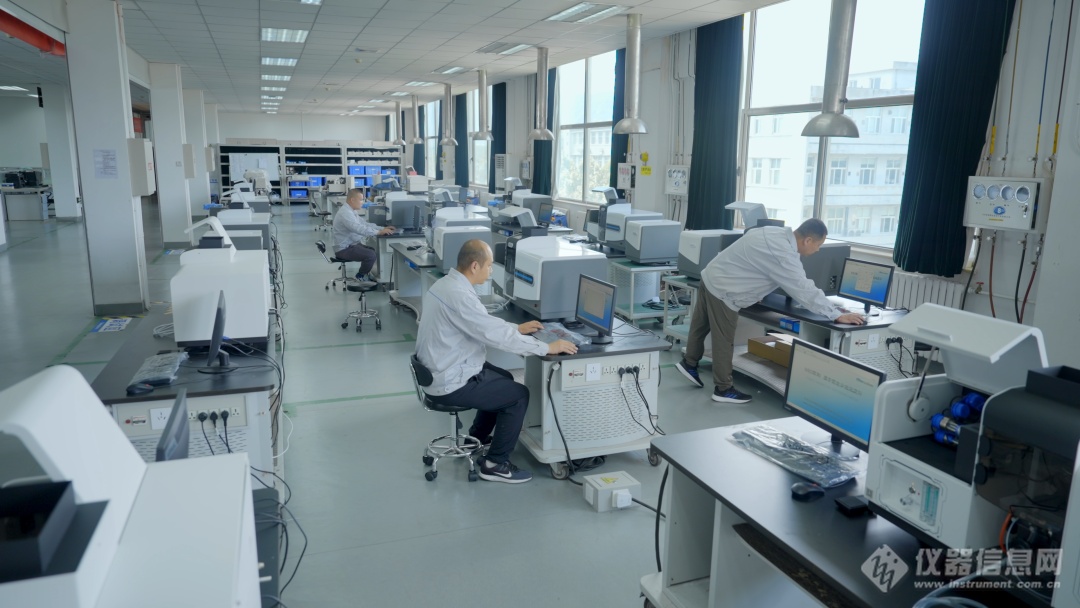
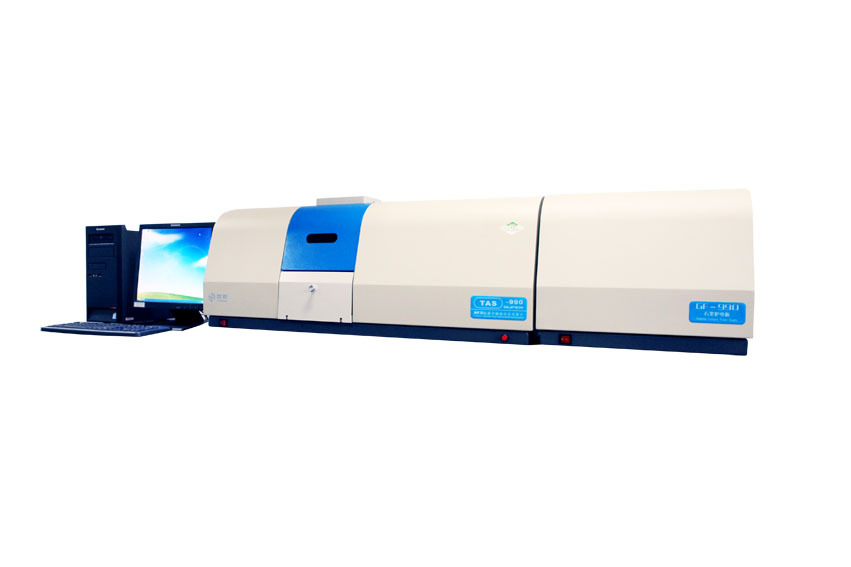
North Point RayleighThe WFX-220A series atomic absorption spectrophotometer is the company's new generation of atomic absorption products. Based on decades of research and development and production technology, product functions, performance, indicators, and ease of use have been significantly improved. The built-in expert library system includes support for instrument condition settings of each element, analysis conditions and parameters, actual sample analysis, detection precautions, etc. It also provides a huge knowledge base such as the basics of atomic absorption analysis, which avoids flipping through manuals during the analysis process. At the same time, the software supports multiple openings to avoid viewing the expert library and affecting the operation.
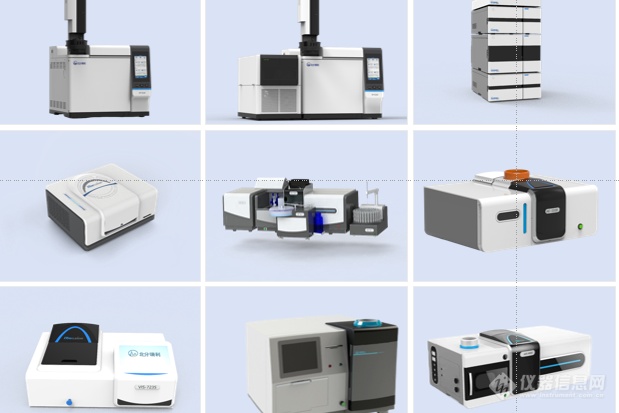
North Point Rayleigh






When you visit any website, it may store or retrieve information on your browser, mostly in the form of cookies. This information might be about you, your preferences or your device and is mostly used to make the site work as you expect it to. The information does not usually directly identify you, but it can give you a more personalized web experience. Because we respect your right to privacy, you can choose not to allow some types of cookies. Click on the different category headings to find out more and change our default settings. However, blocking some types of cookies may impact your experience of the site and the services we are able to offer.