
Being close to users continues from every meeting, Haineng goes to ARABLAB again
Company News
Oct 30, 2026

When cleaning glassware in the laboratory, broken bottles often occur. This will not only increase the risk of the experimenter being scratched by glass fragments, but also cause a waste of utensil resources and may even affect the progress of the experiment. Due to its scientific design, the Dubert laboratory cleaning machine can not only free up the hands of the experimenter, but also reduce the root cause of bottle washing damage and the probability of broken bottles.
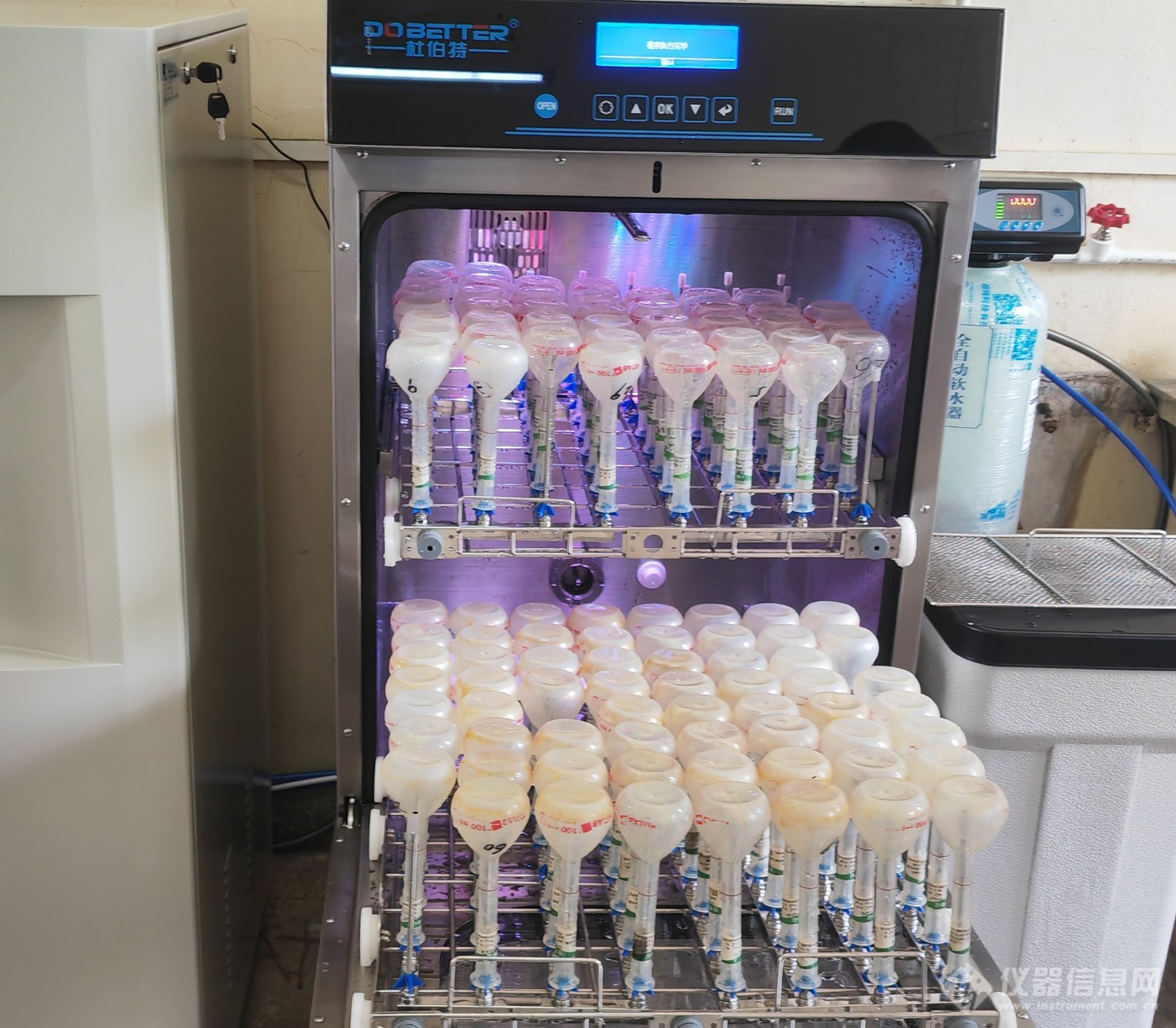
Dubert's laboratory cleaning machine is equipped with special adapter baskets for glassware of different shapes and specifications. At the same time, it also presets customized cleaning procedures based on the experimental needs of different industries. To achieve the dual goals of cleaning utensils and preventing bottles from being broken, it is crucial to control the spray method, spray pressure, spray angle and spray distance. The following are practical tips summarized by Dubert to help lab operators solve the problem of broken bottles during machine washing operations.
Tip 1: Overloading is strictly prohibited
For the sake of convenience, some users forcefully insert too many containers when using the cleaning machine. This overload operation is one of the main causes of bottle breakage.
Overloading will cause the utensils in the cleaning chamber to be unable to be placed according to the standard positioning. Under the impact of high-pressure spray water, the utensils are prone to loosening and shifting, and then colliding and rubbing with each other. In severe cases, they may fall off the basket rack, causing damage. Therefore, during operation, the containers must be placed strictly in accordance with the equipment nozzle specifications and the load capacity of the basket rack to ensure that each bottle is placed correctly, in a stable position, and without squeezing or stacking.
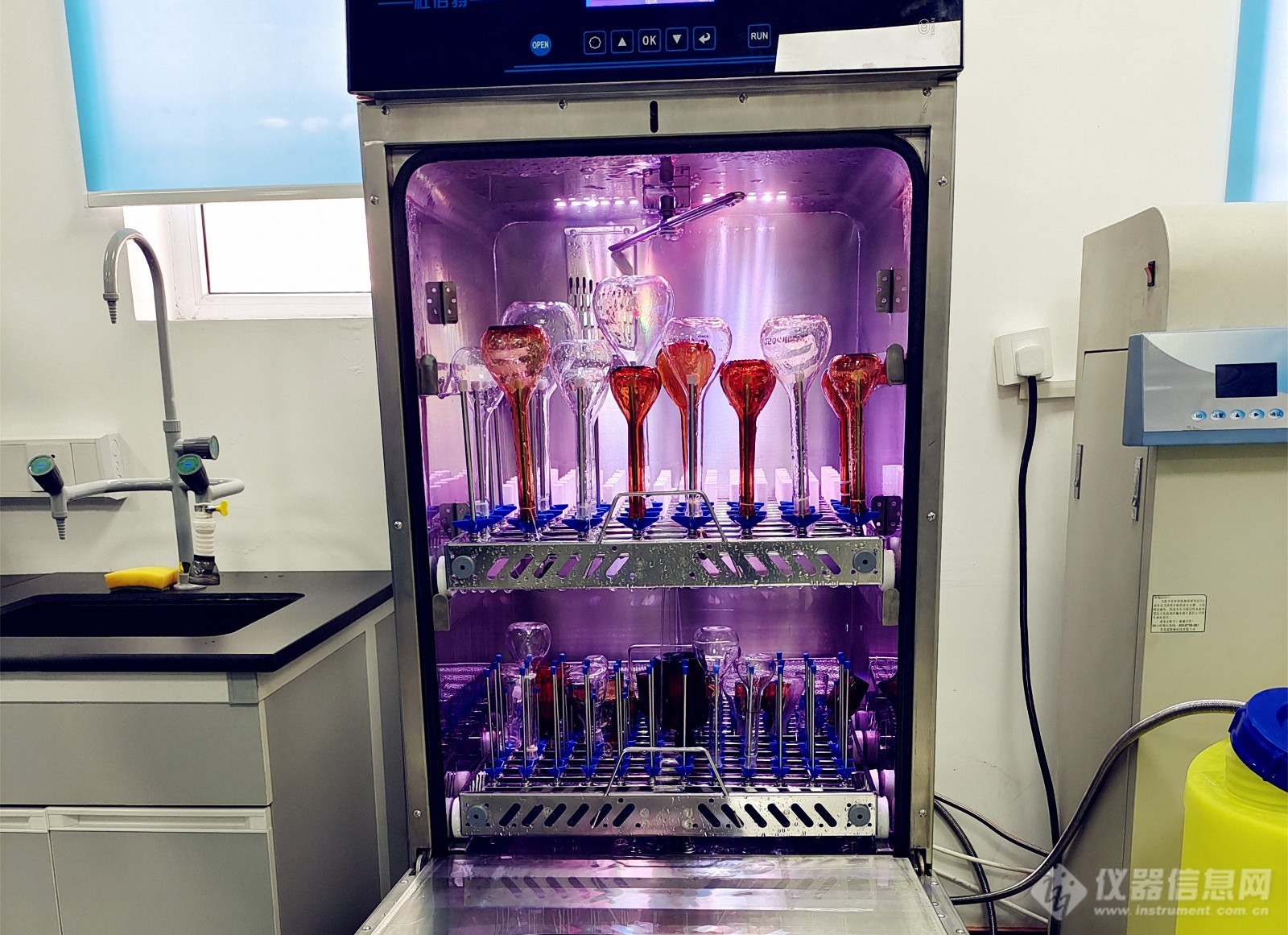
Tip 2: Scientifically plan the placement according to the height of the container
Glassware has different heights. If placed improperly, it may easily collide with the top of the cavity and the upper basket rack during the cleaning process, causing damage. Therefore, the placement method needs to be planned accordingly.
When selecting a basket rack, it is necessary to make a reasonable adjustment based on the height of the vessel, ensuring that sufficient safety distance is reserved between the top of the bottle, the top of the cavity, and the upper basket rack to avoid the risk of collision in terms of space. For higher-height vessels, it is recommended that they be placed on the lower basket rack for cleaning first, or directly use a single-layer basket rack to avoid bottle breakage caused by limited space on the upper floor.







When you visit any website, it may store or retrieve information on your browser, mostly in the form of cookies. This information might be about you, your preferences or your device and is mostly used to make the site work as you expect it to. The information does not usually directly identify you, but it can give you a more personalized web experience. Because we respect your right to privacy, you can choose not to allow some types of cookies. Click on the different category headings to find out more and change our default settings. However, blocking some types of cookies may impact your experience of the site and the services we are able to offer.