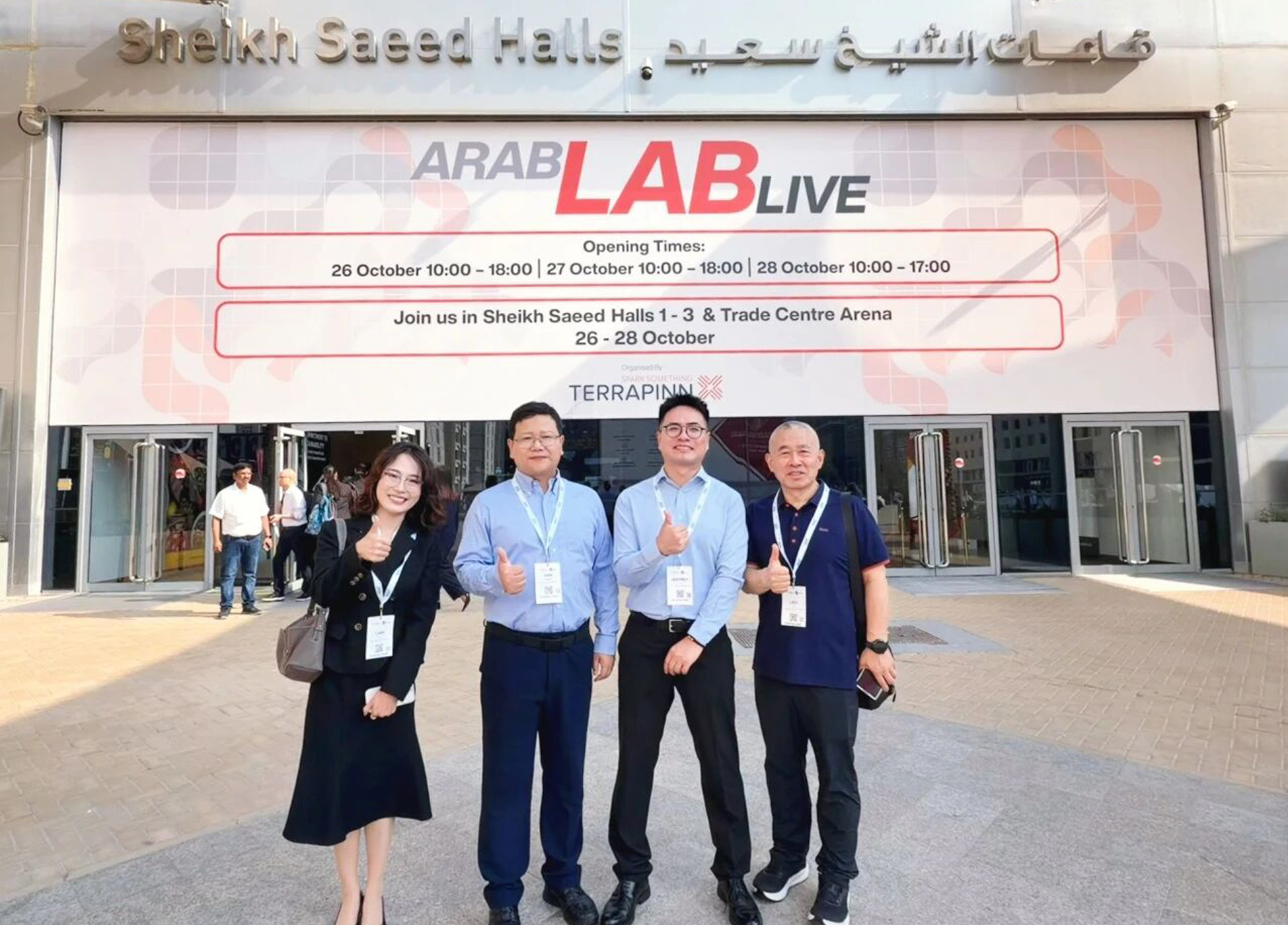
Being close to users continues from every meeting, Haineng goes to ARABLAB again
Company News
Oct 30, 2026

As important rare metals, tantalum and niobium are widely used in electronics, aerospace, chemical industry and other fields. Their purity and content of impurity elements have a significant impact on material properties. Among them, molybdenum and tungsten are common impurities and need to be accurately measured to ensure product quality. Inductively coupled plasma atomic emission spectrometry has the advantages of high sensitivity, good accuracy, and the ability to measure multiple elements simultaneously, making it an ideal method for determining the content of molybdenum and tungsten in tantalum, niobium, and their compounds. Based on relevant standards and combined with practical experience, this article elaborates on the method for determining the amount of molybdenum and tungsten in tantalum, niobium, and their compounds.

The core principle of inductively coupled plasma atomic emission spectrometry is: after the sample is dissolved by nitric acid and hydrofluoric acid, the elements to be measured (molybdenum, tungsten) are introduced into the inductively coupled plasma (ICP) light source in dilute acid medium. Under the action of high-temperature plasma, element atoms are excited to high-energy states, and when they transition back to the ground state, they emit a spectrum of characteristic wavelengths. By measuring the intensity of these characteristic spectra and comparing it with the spectral intensity of a standard solution of known concentration, the content of the element to be measured is determined. This method takes advantage of the unique characteristic spectral lines of different elements to achieve qualitative and quantitative analysis of molybdenum and tungsten.
Experimental instruments
Tantalum powder should be dried in vacuum at 80°C-150°C for 4 hours, cooled to room temperature, and vacuum packed in composite aluminum foil bags; tantalum niobium hydroxide, oxide and potassium fluorotantalate should be dried in advance at 105°C-110°C for 2 hours and placed in a desiccator to cool to room temperature. The purpose is to remove moisture and volatile impurities in the sample to ensure the accuracy of weighing. From the top 10cm of the ingot to any part in the middle, use a planer to remove the skin and then sample the shavings. The size of the shavings particles should be uniform and the particles should be as small as possible to ensure the representativeness of the sample.
Weigh the specified amount of sample (accurate to 0.0001g) and place it in a 100mL polytetrafluoroethylene beaker. Add appropriate amounts of nitric acid and hydrofluoric acid, and heat to completely dissolve the sample. After cooling, transfer the solution into a volumetric flask of appropriate volume, dilute to volume with water, and mix evenly to obtain a test solution. At the same time, perform a blank experiment, that is, except that no test material is added, the rest of the operations are the same as the test solution preparation to obtain a blank solution.
After optimizing the inductively coupled plasma atomic emission spectrometer, measure the emitted light intensity of the measured element in the standard series that draws the working curve from low to high. Taking the mass concentration as the abscissa and the analytical line emitted light intensity as the ordinate, the computer automatically draws the working curve. Measure the emitted light intensity of the element being measured in the sample blank solution and the sample solution, and the computer automatically calculates the mass concentration of the element being measured from the working curve.
The content of molybdenum and tungsten is calculated based on the mass fraction wₘ of molybdenum (Mo) and tungsten (W), and is calculated according to the following formula:
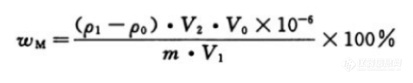
In the formula:
Repeatability:For the measured values of two independent test results obtained under repeatability conditions, within a given average range, the absolute difference between the two test results does not exceed the repeatability limit, and the exceedance of the repeatability limit does not exceed 5%. The repeatability limit is obtained by linear interpolation based on the data in the relevant table. Tolerable difference: The difference in analytical results between laboratories should not be greater than the specified allowable difference. Experiment summary This experiment uses inductively coupled plasma atomic emission spectrometry to determine the amount of molybdenum and tungsten in tantalum and niobium. This method is simple and fast to operate, and the measurement range can meet the needs for the determination of low to trace amounts of molybdenum and tungsten in tantalum, niobium and their compounds. By strictly following the experimental steps for sample preparation, digestion, standard curve drawing and measurement, the accuracy and reliability of the analysis results can be guaranteed.
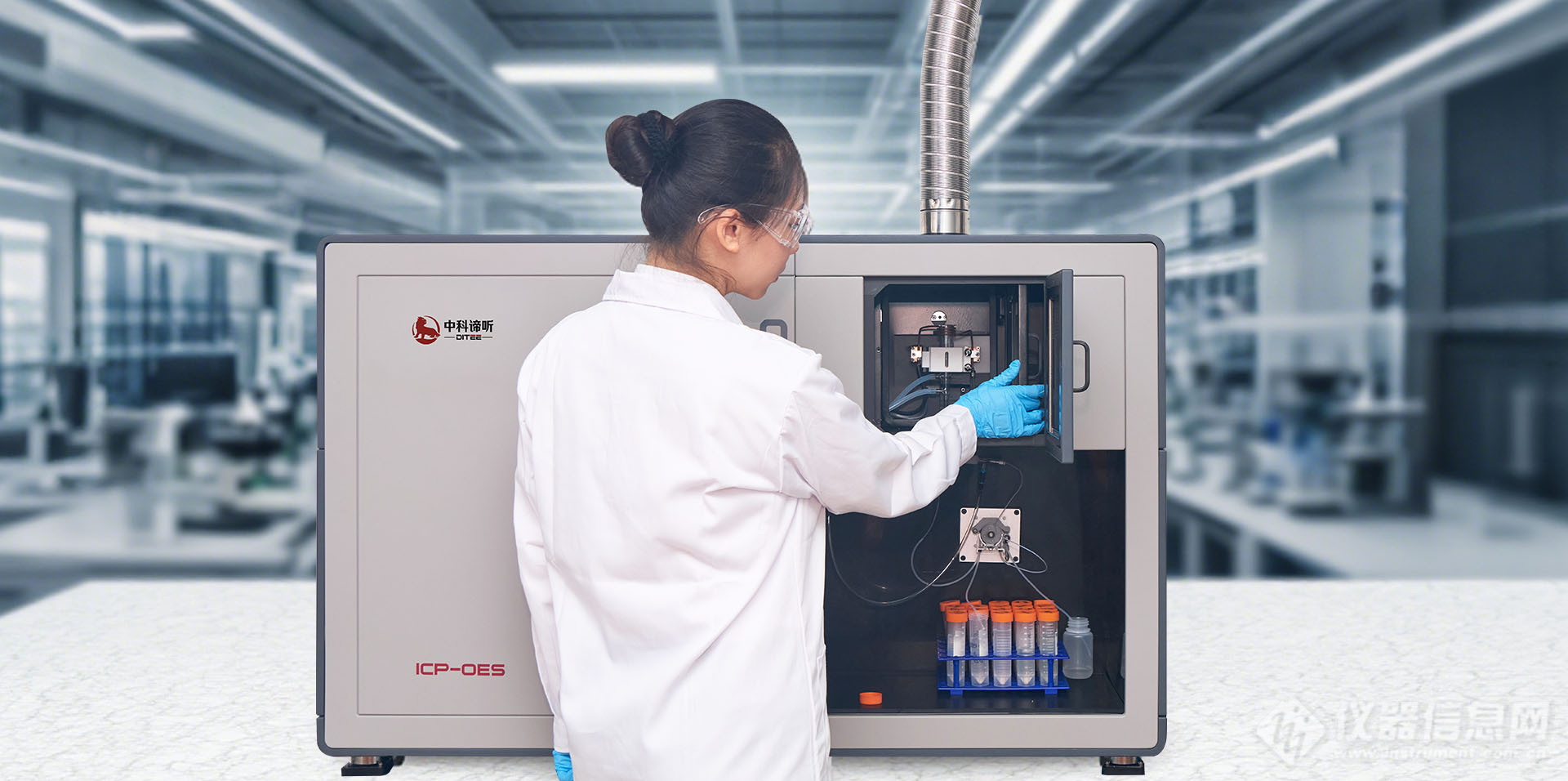
Inductively coupled plasma atomic emission spectrometer has the following characteristics:
[1] GB/T 15076.5-2017 Methods for chemical analysis of tantalum and niobium Part 5: Determination of molybdenum and tungsten amounts Inductively coupled plasma atomic emission spectrometry
This text is for reference only. Specific experimental operations should be carried out in strict accordance with national standards and relevant specifications.




When you visit any website, it may store or retrieve information on your browser, mostly in the form of cookies. This information might be about you, your preferences or your device and is mostly used to make the site work as you expect it to. The information does not usually directly identify you, but it can give you a more personalized web experience. Because we respect your right to privacy, you can choose not to allow some types of cookies. Click on the different category headings to find out more and change our default settings. However, blocking some types of cookies may impact your experience of the site and the services we are able to offer.