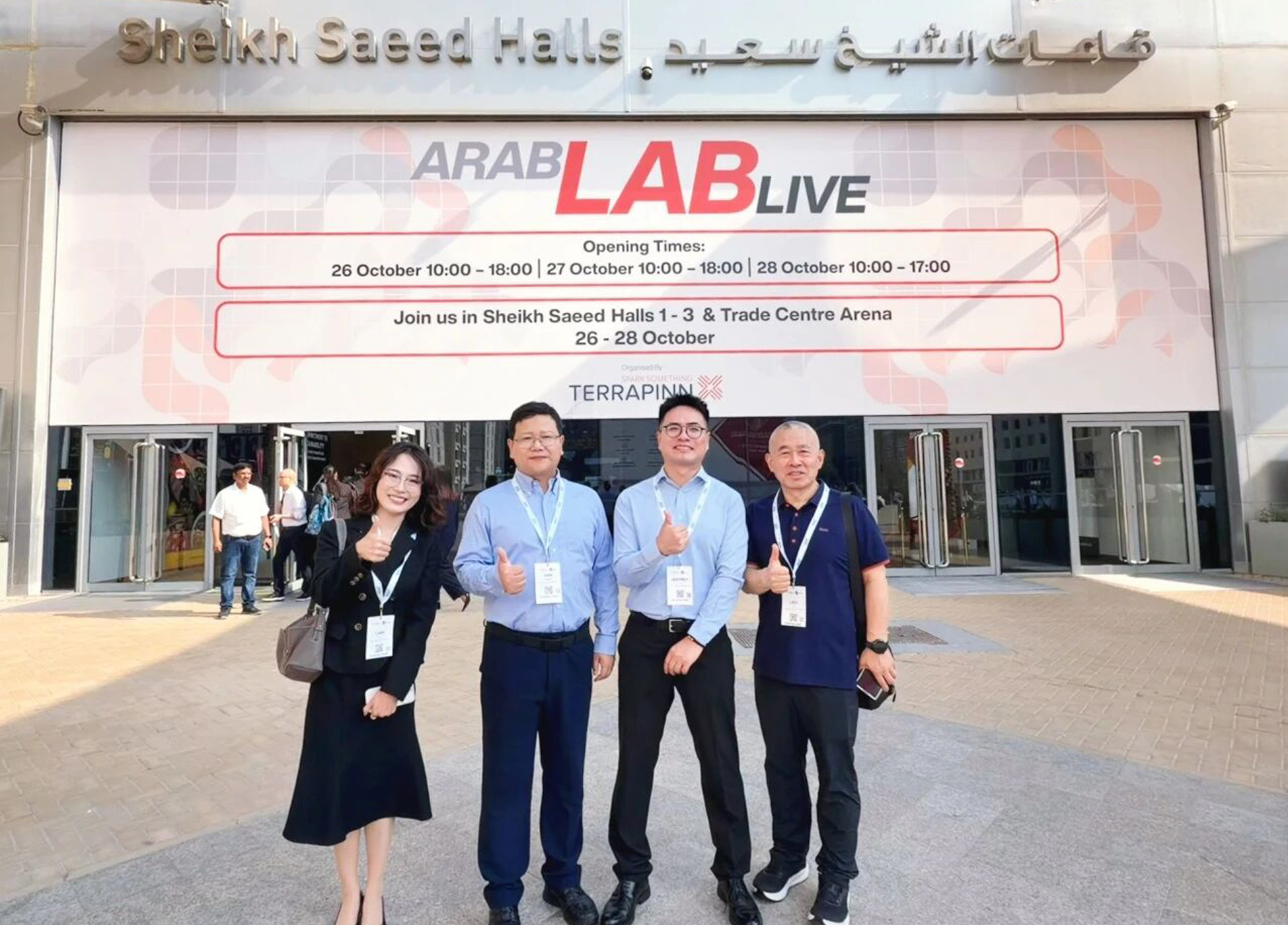
Being close to users continues from every meeting, Haineng goes to ARABLAB again
Company News
Oct 30, 2026

【User results】Nanjing University of Aeronautics and AstronauticsSong Hucheng/Nanjing University Xu Jun’s team Small: Waste plastic can be converted into localized carbon in seconds, acidic CO₂ can produce ethylene FE up to 70%, and the total C₂ FE exceeds 80%
DOI:10.1002/smll.75768
Quick overview of full text
This study aims at the core pain points of copper-based catalysts being susceptible to acid corrosion and fierce competition in the hydrogen evolution reaction (HER) in strongly acidic CO₂ electroreduction. It is proposed to use flash Joule heat (FJH) to quickly pyrolyze waste polypropylene plastic into graphitized carbon rich in nano-confined channels, covering the surface of the copper catalyst to build a "physical protection + microenvironment regulation" dual-functional interface, achieving 400 in a pH 1 strong acid electrolyte. The Faradaic efficiency of ethylene (C₂H₄) is about 70% at mA·cm⁻², and the total Faradaic efficiency of C₂ products is maintained at more than 80% within a wide current window of 200–700 mA·cm⁻². It also opens up a sustainable path for high value-added waste plastics and CO₂ resources.
Background introduction
Electrocatalytic reduction of CO₂ to ethylene (C₂H₄) is an important direction for carbon utilization. In alkaline/neutral electrolyte, CO₂ easily reacts with OH⁻ to form carbonate, resulting in carbon loss and separation energy consumption. Acidic CO₂RR can fundamentally avoid carbonate formation, but high concentrations of H⁺ strongly promote HER, and the acidic environment accelerates Cu corrosion, making efficient and stable ethylene production extremely challenging. Nanoconfinement can enrich CO₂ and intermediates and regulate ion distribution. However, carbon materials are mostly used as inert carriers and do not fully exert their interface control function. This paper uses FJH to convert waste PP into defect-rich confined carbon, which serves as an interface modification layer for Cu to achieve efficient C₂H₄ electrosynthesis under acidic conditions.
Highlights of this article
(1) New strategy for upgrading waste plastics: Rapid Joule heat converts waste polypropylene into graphitized carbon rich in nano-confined channels, achieving high-value utilization of waste plastics;
(2) Dual functions of the confined interface: the nanocarbon channel not only physically protects Cu from acid corrosion, but also regulates the microenvironment - enriching K⁺ and CO₂, repelling H₃O⁺, and establishing local high pH;
(3) Excellent acidic CO₂RR performance: C₂H₄ Faradaic efficiency reaches 70% (400 mA cm⁻²) at pH 1, total C₂ FE>80% (200–700 mA cm⁻²), and operates stably for more than 12 hours;
(4) The mechanism is clear: MD simulation and in-situ spectroscopy confirm that the confined channel reduces the diffusion of CO₂ and H₃O⁺, enhances the CO₂-Cu interaction, and promotes the accumulation of CO and OCO intermediates and C–C coupling.
Graphic and text analysis
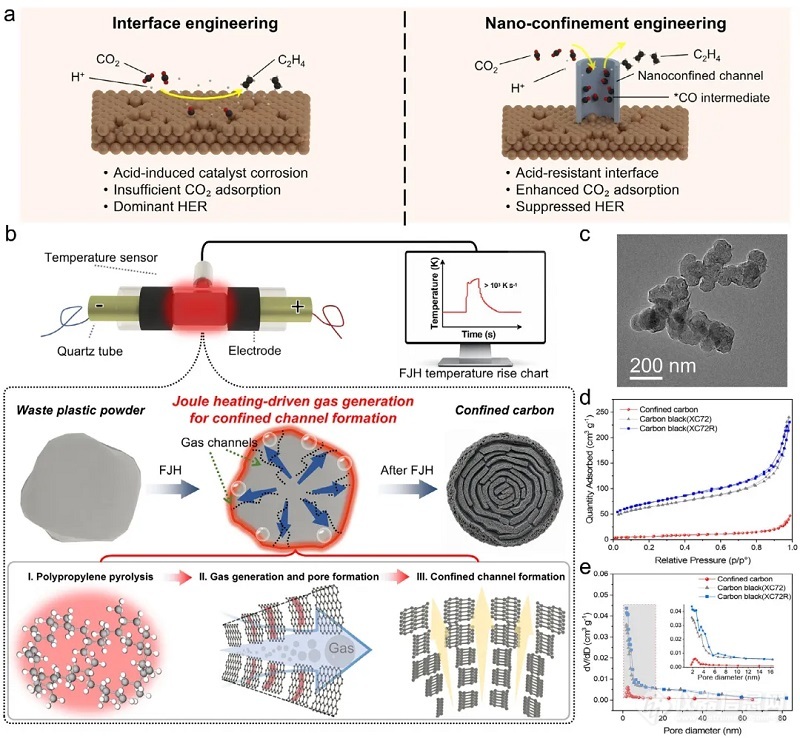
Figure 1: Preparation and structural characterization of nanoconfined carbon
During the FJH process, PP is rapidly cracked and gas release drives the expansion and reconstruction of the carbon skeleton to form multilayer spherical confined carbon (Figure 1c). N₂ adsorption shows that its specific surface area (25.09 m²/g) is much lower than that of XC72, but its average pore size is larger (11.30 nm), confirming the existence of mesopores and confined channels.
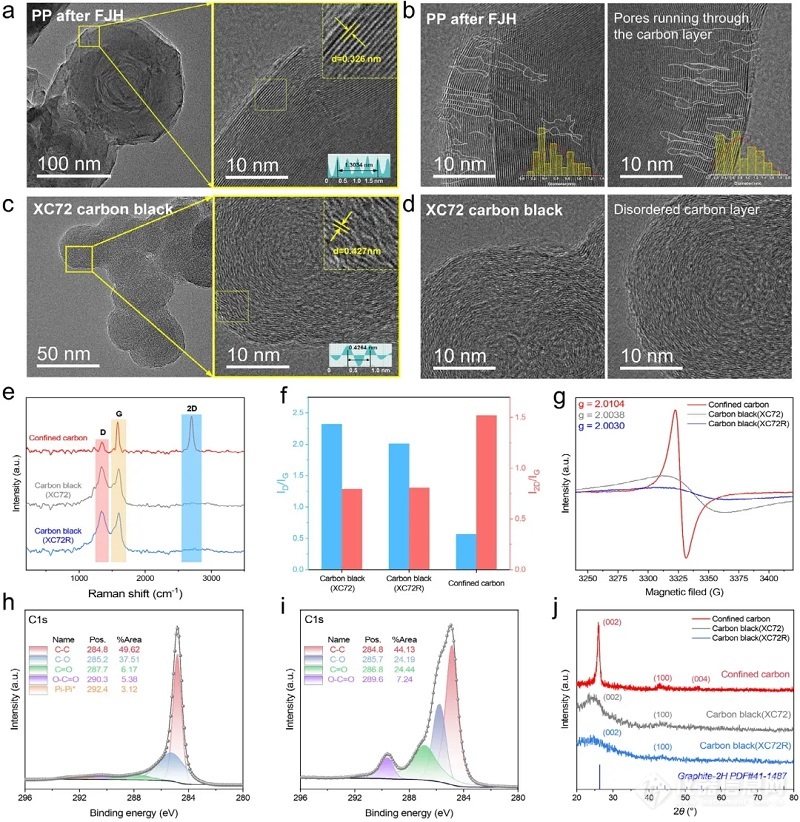
Figure 2: Structural comparison of confined carbon and commercial carbon black
Confined carbon lattice spacing 0.326 nm (close to graphite (002)), channel width 0.6–1.0 nm; Raman ID/IGlowest, I2D/IGThe highest, indicating a higher degree of graphitization. EPR showed g=2.0104, XPS detected oxygen-containing functional groups, and XRD showed (002) peak, confirming that it has both local graphitization and abundant defects.
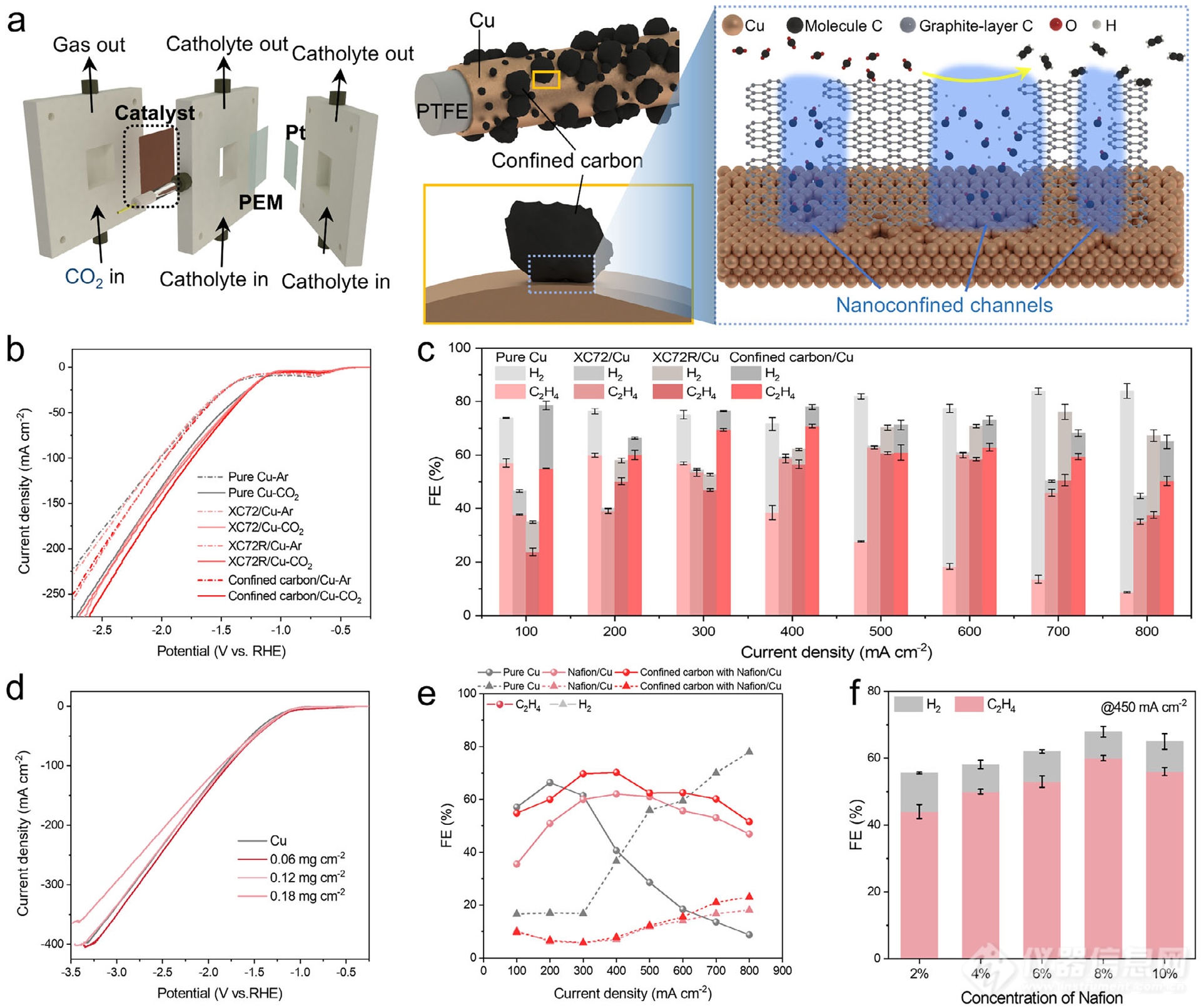
Figure 3: Acidic CO₂RR performance of confined carbon/Cu
Confined carbon/Cu has the highest current density in CO₂ (-250 mA cm⁻² @ -2.5 V). C₂H₄ FE reaches 70% at 400 mA cm⁻² and significantly inhibits HER. The performance is optimal when the Nafion content is 8%, and the limited carbon and Nafion collaborate to optimize the interface microenvironment.
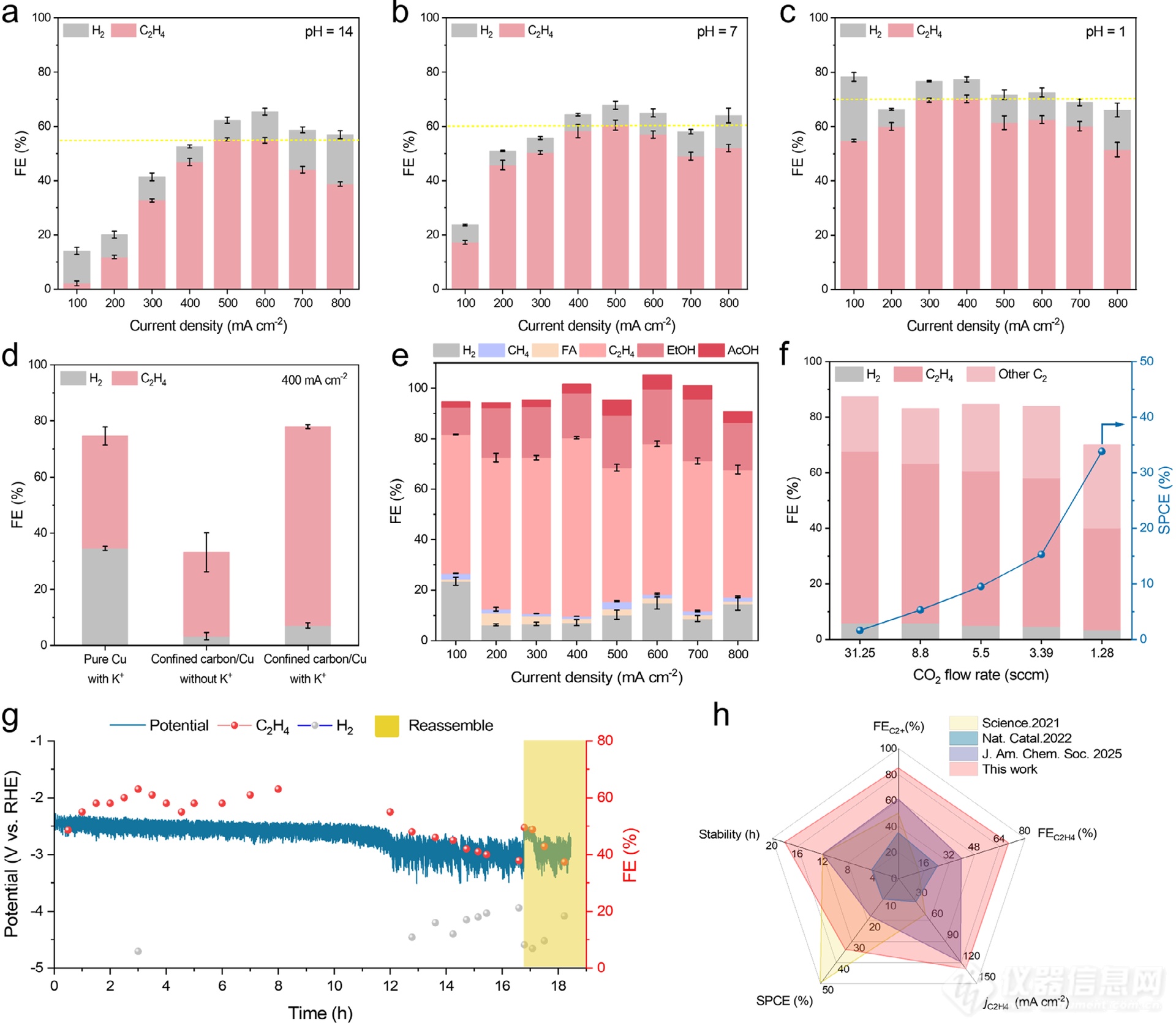
Figure 4: Acidic CO₂RR performance evaluation and literature comparison
The C₂H₄ FE of confined carbon/Cu under acidic conditions is the highest (70%), which is much better than that of pure Cu (~40%). The presence of K⁺ is crucial for the generation of C₂H₄. Without K⁺, FE plummets to 30%. Total C₂ FE remains >80% at 200–700 mA cm⁻². SPCE reaches 34% at low CO₂ flow rate. After 12 hours of stability testing, the performance decreased due to water flooding and can be restored by reassembly. The radar plot shows that the overall performance is better than the literature.
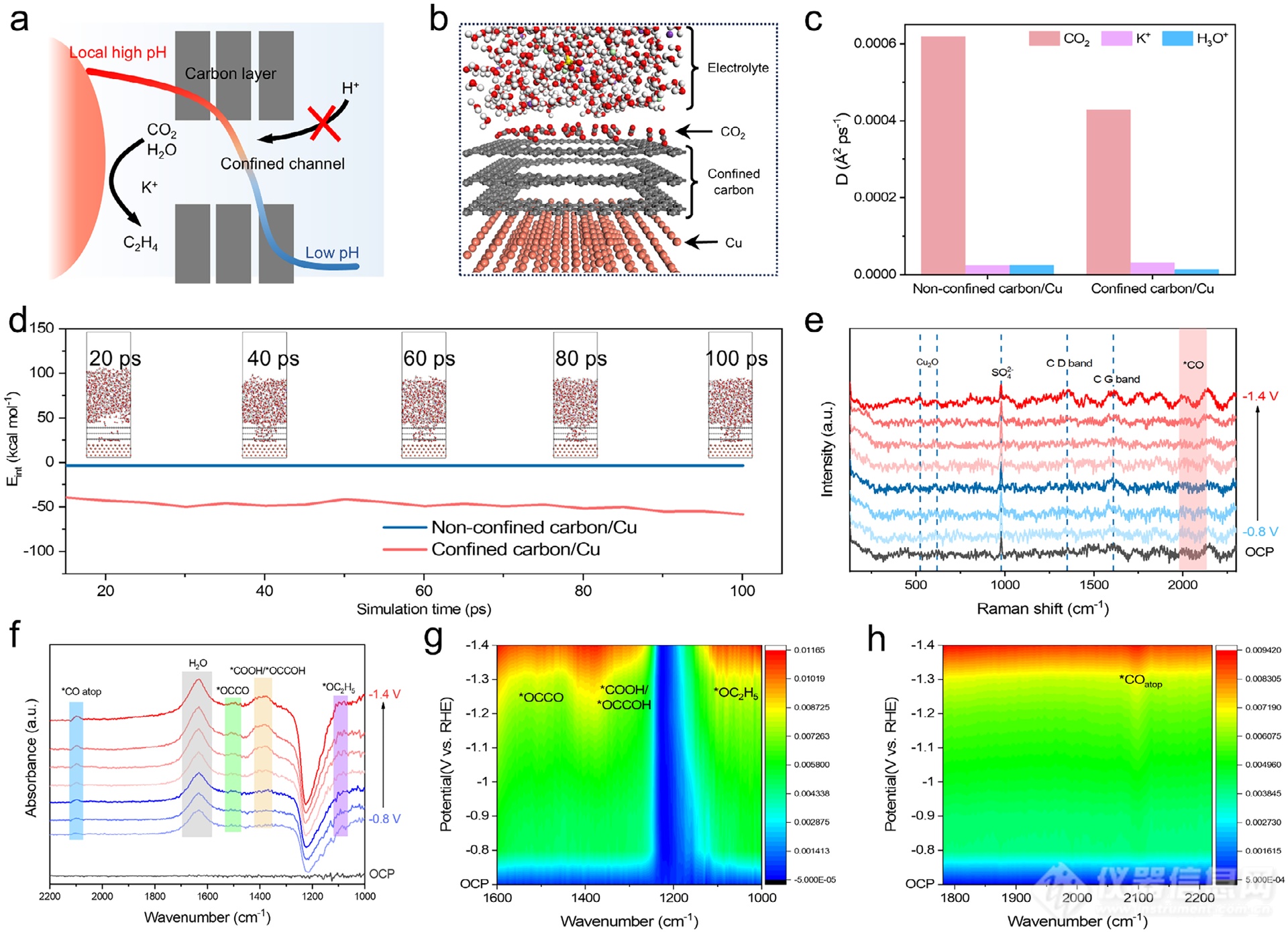
Figure 5: Molecular dynamics simulation and in situ spectroscopy of confined interfaces
MD simulations show that the confined channel reduces the CO₂ diffusion coefficient by 32% and the H₃O⁺ diffusion. K⁺ diffusion increases slightly, and the CO₂-Cu interaction is stronger. The interface enriches CO₂ and K⁺ and repels H₃O⁺, forming a local high pH. In-situ Raman and FTIR detected the accumulation of intermediates such as CO, OCO, and COOH with the negative shift of potential, confirming that the confined interface promotes C–C coupling.
Summary and Outlook
This study uses fast Joule heat to convert waste polypropylene into graphitized carbon with nano-confined channels, which serves as the interface modification layer of the Cu catalyst and successfully achieves efficient CO₂-to-C₂H₄ electroreduction under strongly acidic conditions. The confined carbon layer simultaneously provides physical protection and microenvironmental regulation: enriching K⁺ and CO₂, rejecting H₃O⁺, and establishing local high pH, thereby inhibiting HER and promoting C–C coupling. The optimal catalyst has a C₂H₄ Faradaic efficiency of 70% at pH = 1, a total C₂ FE>80%, and a stability of over 12 h. This work not only provides an effective interface engineering strategy for acidic CO₂RR, but also opens up a new way to upgrade waste plastics into functional carbon materials.
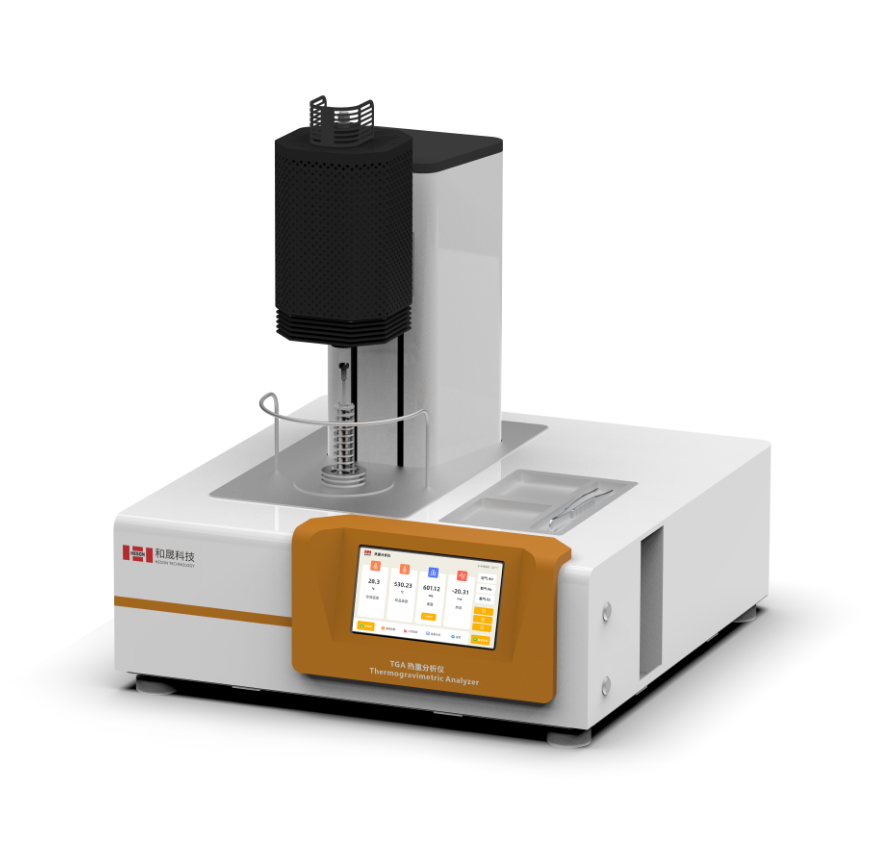
The Joule heating equipment used in this article was developed by Hefei In-situ Technology Co., Ltd. Thank you to the teacher for your support and recognition!
Brief introduction of the corresponding author
Song Hucheng,Nanjing University of Aeronautics and Astronautics, School of Physics, Researcher/Ph.D. Supervisor. In June 2016, he obtained a doctorate in engineering from the Electronic Science and Technology major of Nanjing University. In August 2016, he won the first "National Postdoctoral Innovation Talent Support Program" and engaged in postdoctoral research in the Materials Science and Engineering major of Nanjing University. From September 2018 to February 2023, he was a special associate researcher at the School of Electronic Science and Engineering, Nanjing University. During this period, in November 2018, he received support from the Excellence Program of Nanjing University and went to the Department of Electrical and Computer Engineering of the University of Toronto in Canada for postdoctoral work. In April 2023, he joined Nanjing University of Aeronautics and Astronautics. In the past ten years, he has been mainly engaged in the research of solar energy conversion and energy storage materials and devices and safe high specific energy all-solid-state batteries. He has published more than 30 SCI papers in this field and applied for and authorized 5 national invention patents. Hosted/received 14 scientific research projects/funding including the National Natural Science Foundation, National Postdoctoral Innovation Talent Support Program, Jiangsu Provincial Scientific Research Fund, Nanjing University Excellence Plan, enterprise horizontal projects, etc. He serves as the secretary of the organizing committee of the 29th International Conference on Amorphous Nanocrystalline Semiconductors, as a young editorial board member of journals such as "eScience" and "Rare Metals", and as a reviewer of more than 30 journals such as Advanced Materials.
Xu Jun, Professor and doctoral supervisor of the Department of Electronic Engineering, School of Electronic Science and Engineering, Nanjing University. Graduated from Nanjing University in 1995 with a Ph.D. He has visited Hiroshima University in Japan and the Chinese University of Hong Kong for research. He won the National Outstanding Youth Fund in 2004, was selected as a Distinguished Professor of the Yangtze River Award Program of the Ministry of Education in 2009, and was twice selected as a leading young scientific and technological talent in the "333" project of Jiangsu Province. He has presided over and undertaken a number of national, provincial and ministerial level scientific research projects including the sub-topics of the "973 Project". Mainly engaged in research on nanometer and amorphous semiconductor materials and device physics. As the second completer, he participated in the project "Construction Principles and Optoelectronic Properties of Ordered Silicon-Controlled-Based Quantum Structures" and won the second prize of the National Natural Science Award in 2003. He published more than 150 SCI papers in domestic and foreign academic magazines, served as the organizer of many international academic conferences, and gave more than 20 invited reports at international and domestic academic conferences.


When you visit any website, it may store or retrieve information on your browser, mostly in the form of cookies. This information might be about you, your preferences or your device and is mostly used to make the site work as you expect it to. The information does not usually directly identify you, but it can give you a more personalized web experience. Because we respect your right to privacy, you can choose not to allow some types of cookies. Click on the different category headings to find out more and change our default settings. However, blocking some types of cookies may impact your experience of the site and the services we are able to offer.