
Being close to users continues from every meeting, Haineng goes to ARABLAB again
Company News
Oct 30, 2026

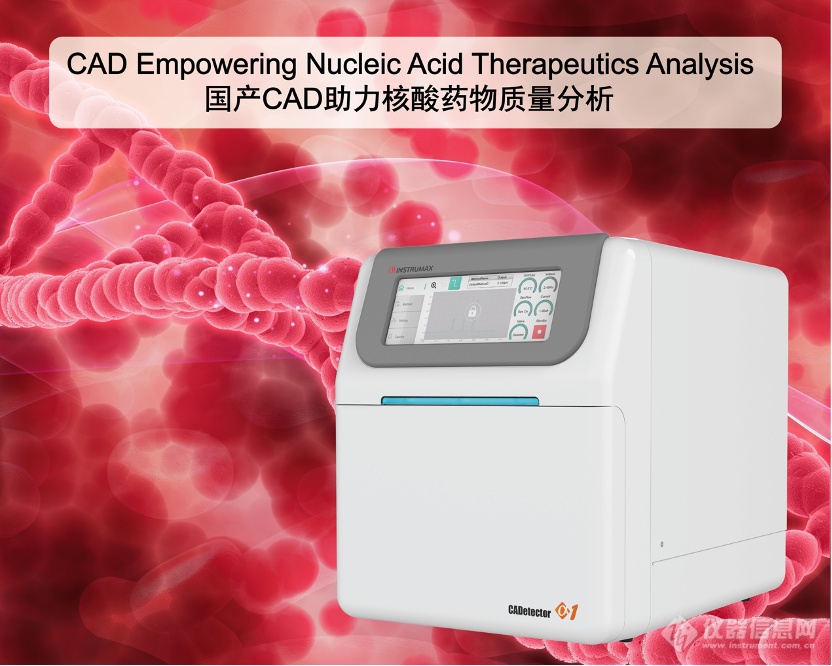
Ingram Micro InstrumentsCADThe detector enables full-process analysis of nucleic acid drugs, facilitating the high-quality development of a new generation of nucleic acid drugs.
In recent years, with the rapid development of precision medicine and biotechnology, nucleic acid drugs (Nucleic Acid Therapeutics) has become one of the most active areas for innovative drug research and development in the world. From antisense oligonucleotides (ASO), small interferenceRNA(siRNA),messengerRNA(mRNA) to ringRNA(circRNA) and aptamers (Aptamer), nucleic acid drugs continue to break through traditional treatment models and show broad application prospects in the fields of rare diseases, tumors, infectious diseases, and metabolic diseases.
Unlike traditional small molecule drugs, nucleic acid drugs not only require high-purity active ingredients, but also rely on advanced delivery systems and complex formulation processes. Therefore, establishing an efficient, stable, and comprehensive analysis and testing system from raw material research and development, process development to quality control has become a key support for the development of the nucleic acid drug industry.
As a domestic high-end electrospray detector (Charged Aerosol Detector,CAD) R&D enterprise, Ingram Micro Instruments continues to develop general detection technology and provides analysis and detection solutions covering the entire process for nucleic acid drug development and production.
The nucleic acid drug industry is developing rapidly, and the demand for analysis and testing continues to escalate.
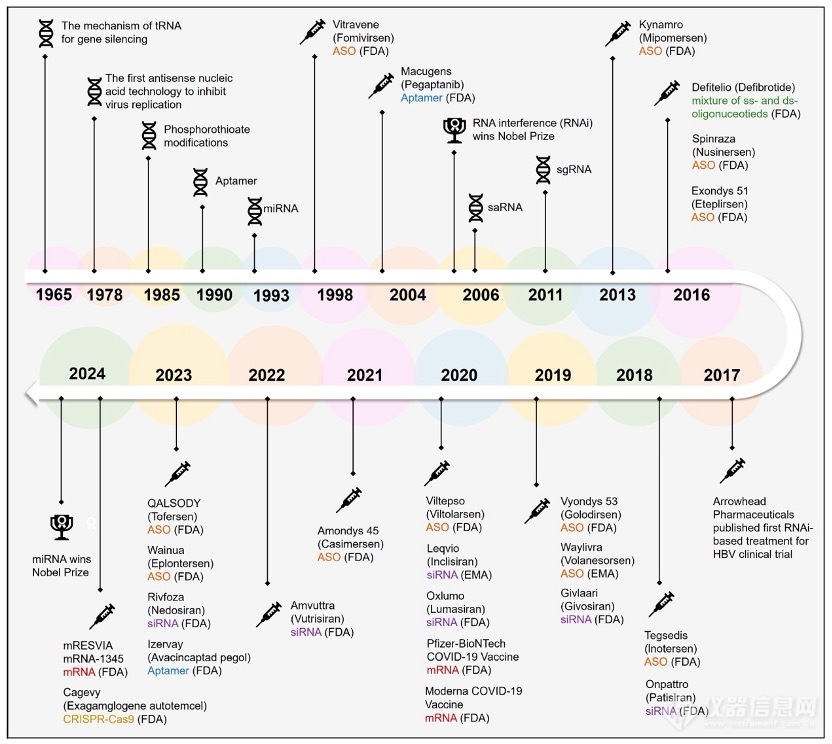
In recent years, nucleic acid drugs have become an important growth point for the global biomedical industry. along withASO、siRNAandmRNAAs technology platforms continue to mature, more and more innovative drugs have entered the clinical research and commercialization stages, placing higher demands on analytical and detection technologies.
Nucleic acid drug research and development involves multiple links such as oligonucleotide synthesis, purification, chemical modification, delivery system construction, formulation development and quality control. Each step requires accurate and reliable analytical data to support it.
Analysis objects include not only:
Oligonucleotide raw materials (API)
Synthetic intermediates
Truncation sequences and process impurities
Degradation products
Buffer salts and inorganic ions
Also includes nucleic acid delivery systems that have developed rapidly in recent years——lipid nanoparticles (Lipid Nanoparticle,LNP)。
LNPDelivery systems have become an important part of the nucleic acid drug industry
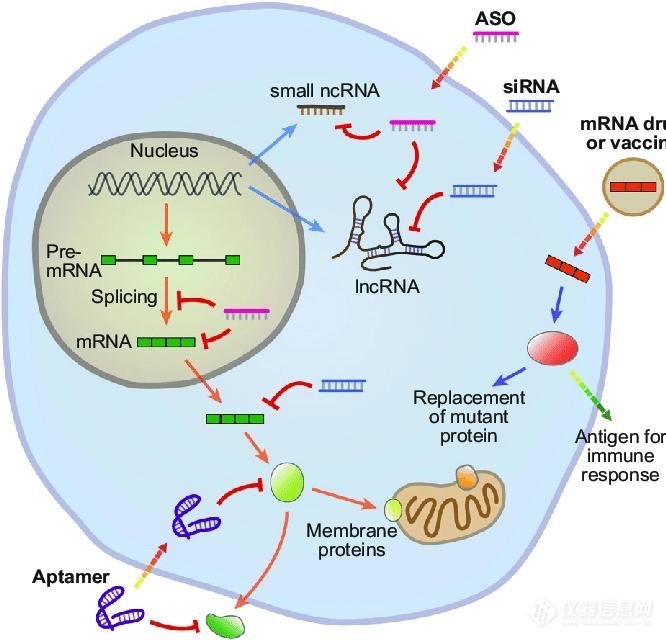
LNPThe maturity of technology has enabledmRNAvaccines andsiRNAThe drug has achieved clinical breakthroughs and has become an important direction in the current research and development of nucleic acid drugs.
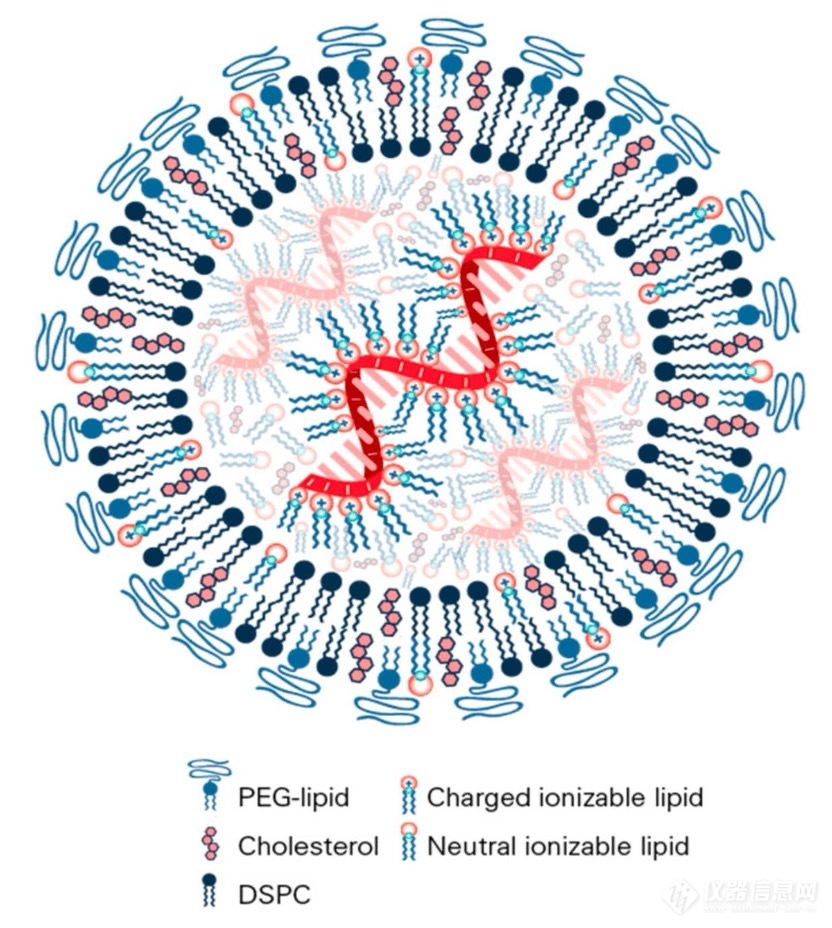
typicalLNPUsually composed of four types of lipids:
Ionizable lipids (Ionizable Lipid)
cholesterol(Cholesterol)
Auxiliary phospholipids (e.g.DSPC)
PEGModified lipids (PEG-Lipid)
These lipid components determineLNPEncapsulation efficiency, particle size distribution, stability, in vivo delivery efficiency and drug safety are key quality attributes that must be monitored during the R&D and production processes (Critical Quality Attributes,CQAs)。
Therefore, how to accurately analyze various types of lipids and their proportions, and monitor impurities and degradation products is an important part of the quality control of nucleic acid drugs.
CADDetectors help nucleic acid drugs andLNPQuality analysis
Independently developed by Ingram Micro InstrumentsCADThe electrospray detector adopts advanced aerosol electrification detection technology and has good response to most non-volatile compounds. It does not depend on whether the sample has UV absorption characteristics. It is especially suitable for the analysis of nucleic acid drugs and lipid excipients.
In the process of nucleic acid drug development,CADCan be widely used in:
Nucleic acid drug analysis
Oligonucleotide Purity Analysis
Synthesis by-product detection
Process Impurity Analysis
Chemical modification efficiency evaluation
Stability studies
HPLCmethod development
QCQuality control
LNPLipid analysis
Quantitative analysis of ionizable lipids
Cholesterol content testing
DSPCanalyze
PEG-LipidQuantitative analysis
LNPLipid ratio monitoring
Lipid degradation product analysis
PEGand excipient analysis
PEGModified lipids are currentlyLNPAn important component of the system, it can improve particle stability, extend circulation time in the body, and improve delivery efficiency.
becausePEGand majorityPEGModified lipids lack significant UV absorption, traditionalUVThere are certain limitations in detection, andCADStable detection can be achieved without relying on chromophores and can be widely used in:
PEG-LipidQuality control
PEGRaw material analysis
PEGResidue testing
PEGModified Lipid Impurity Analysis
Analysis of preparation excipients
From raw materials to preparations,CADCovering the entire life cycle analysis of nucleic acid drugs
Focusing on the research and development and production of nucleic acid drugs, Ingram Micro InstrumentsCADThe detector can cover multiple key analysis links:
application stage | Typical analysis objects |
Raw material research and development | Oligonucleotides, nucleotide raw materials, modified monomers |
process development | Intermediates, by-products, process impurities |
Purification process | Salt ions and buffer residues |
LNPpreparation | Ionizable lipids,DSPC,cholesterol,PEG-Lipid |
Formulation development | Excipients, stabilizers, lipid ratio |
Stability studies | Degradation products, oxidation products |
QCrelease | Quality control of raw materials, excipients and preparations |
With the advantages of universal response, high sensitivity, good repeatability and wide linear range,CADIt can complement the UV detector and provide more comprehensive analysis information for the research and development of nucleic acid drugs.
Domestic innovative testing technology serves the future of nucleic acid drug industry
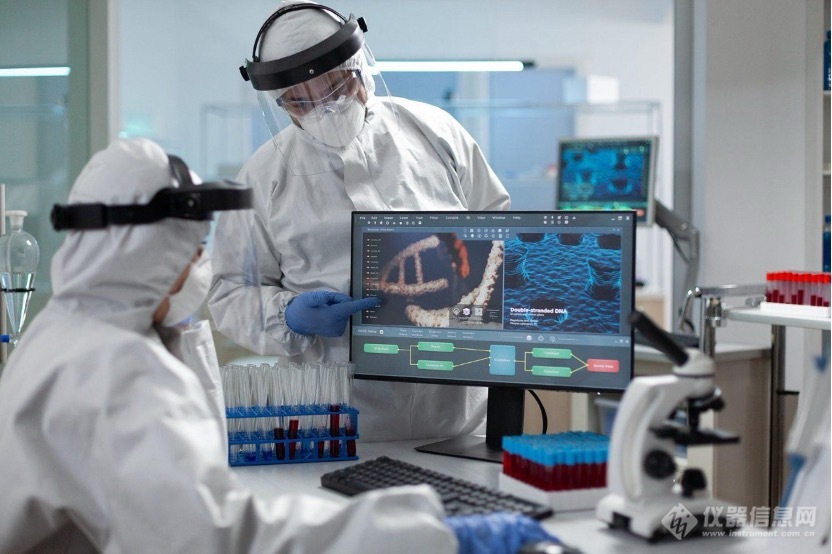
With the rapid development of the global nucleic acid drug industry, high-performance analysis and detection equipment is becoming an important infrastructure for the research and development of innovative drugs. As a domestic high-end analytical instrument brand, Ingram Micro Instruments has always adhered to independent innovation and continued to promoteCADThe development of detection technology continues to expand its application in the fields of nucleic acid drugs, peptide drugs, biological agents, natural products and advanced preparations.
In the future, Ingram Micro Instruments will continue to work together with scientific research institutes, biotechnology companies,CRO/CDMOand pharmaceutical companies to create analytical testing solutions covering R&D, process development and quality control, and use domestic innovative technologies to help the nucleic acid drug industry move to a higher-quality development stage.
Ingram Micro Instruments——Eyes that explore the unknown world (The Eyes That Venture into the Unknown)。




When you visit any website, it may store or retrieve information on your browser, mostly in the form of cookies. This information might be about you, your preferences or your device and is mostly used to make the site work as you expect it to. The information does not usually directly identify you, but it can give you a more personalized web experience. Because we respect your right to privacy, you can choose not to allow some types of cookies. Click on the different category headings to find out more and change our default settings. However, blocking some types of cookies may impact your experience of the site and the services we are able to offer.