
Being close to users continues from every meeting, Haineng goes to ARABLAB again
Company News
Oct 30, 2026

Starting from July 1, 2025, the Food and Drug Administration officially implemented the "Safety Technical Specifications for Cosmetics" and updated the "Test Methods for 14 Raw Materials including Glucuronic Acid in Cosmetics", using HPLC combined with a diode array detector and LC-MS/MS as a confirmation method, which significantly improved the accuracy and anti-interference ability of detection. In view of the characteristics of α-hydroxy acid with high polarity and ultraviolet absorption close to the cut-off wavelength, the new mass spectrometry method can avoid false positive results.
This method includes a variety of common active additives in cosmetics, such as alpha-hydroxy acids (AHA) and their derivatives with exfoliating functions such as glycolic acid/lactic acid/malic acid/tartaric acid, absorption-promoting ester derivatives such as methyl lactate/ethyl lactate/butyl lactate, antioxidant functional acids such as glucuronic acid/citric acid/hydroxyoctanoic acid, diphenylglycolic acid with whitening effect, and 2-hydroxybutyric acid with barrier repair function.
Based on this testing method, Elite provides the industry with highly sensitive and highly stable HPLC and LC-MS/MS solutions, solving the detection problem of 14 raw materials such as glucuronic acid at one time.
Liquid chromatography: efficient separation, precise characterization
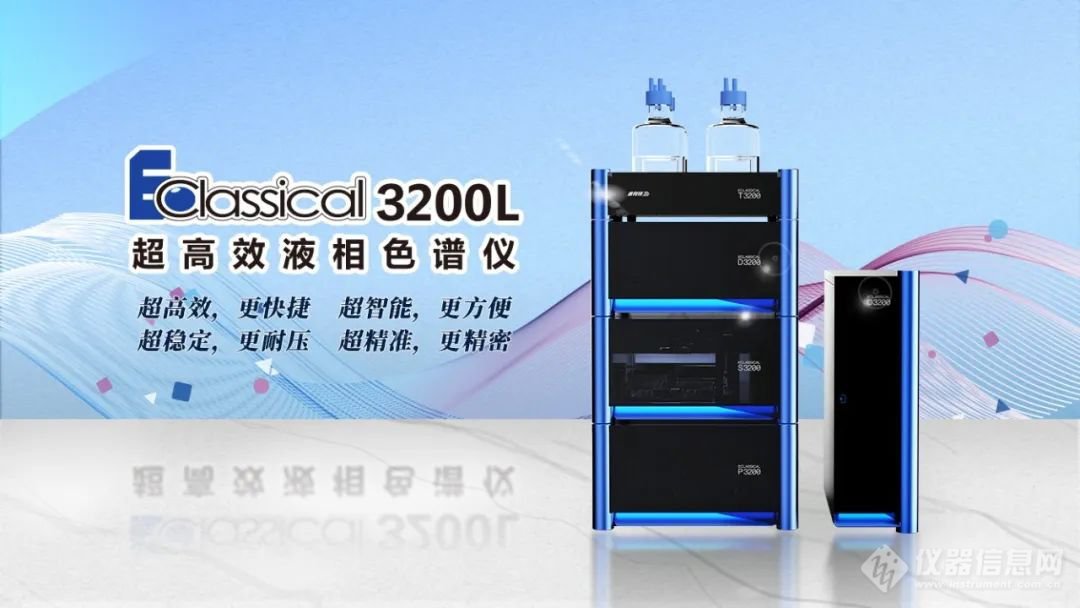
Star product: Elite EClassical 3200L ultra-high performance liquid chromatography system
Technical Highlights
The multi-mode temperature control of the column oven ensures the stability of separation of complex components; the EMC electromagnetic compatibility design has strong anti-interference ability and more reliable data.
Chromatographic conditions
Column: SinoPak AQ C18 5μm, ID4.6×250mm (Cat. No.: 3111-30454-071)
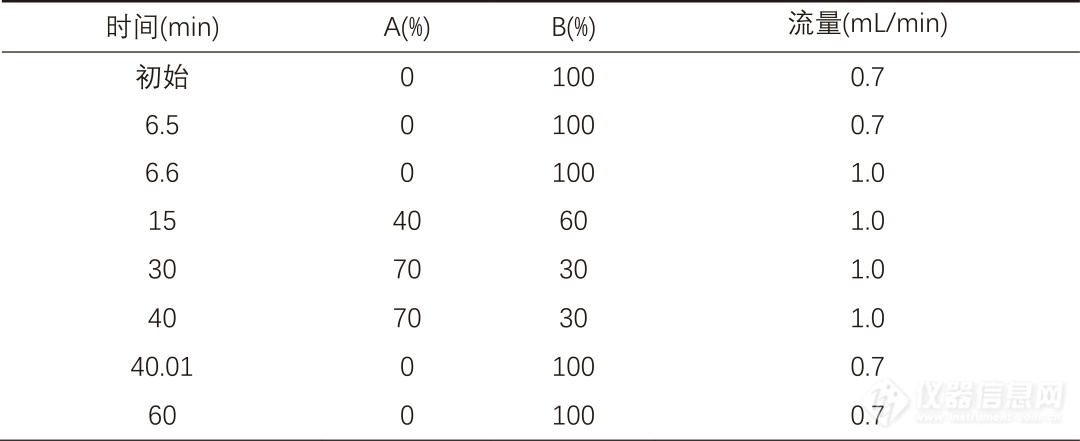
Flow (mL/min): 0.7
Wavelength (nm): 214
Injection volume (μL): 10
Column temperature (℃): room temperature
Pressure (MPa): 10.1
Mobile phase composition (V/V): A: methanol; B: 0.05mol/L ammonium dihydrogen phosphate aqueous solution (pH=3)
Gradient table:
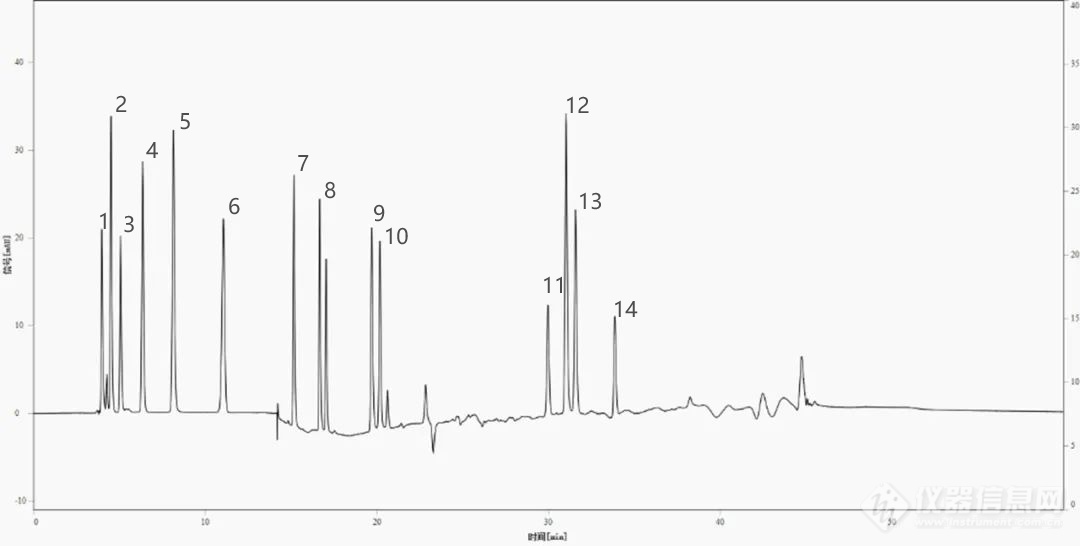
14 mixed standard chromatograms 1. Glucuronic acid 2. Tartaric acid 3. Glycolic acid 4. Malic acid 5. Lactic acid 6. Citric acid 7. 2-Hydroxybutyric acid 8. Methyl lactate 9. Mandelic acid 10. Ethyl lactate 11. Butyl lactate 12. Diphenylglycolic acid 13. Triethyl citrate 14. Hydroxyoctanoic acid
14 kinds of cosmetic raw materials including glucuronic acid all achieved baseline separation, and had good linearity within the concentration range required by the method, r>0.9990, and the detection limit and precision met the standard requirements.
LC/MS: eliminate false positives and scientifically confirm
This method points out that because α-hydroxy acid is highly polar and its ultraviolet absorption is close to the cut-off wavelength, interference is prone to occur during measurement. If necessary, liquid chromatography-mass spectrometry can be used to confirm the results to eliminate interference from other components in the matrix.
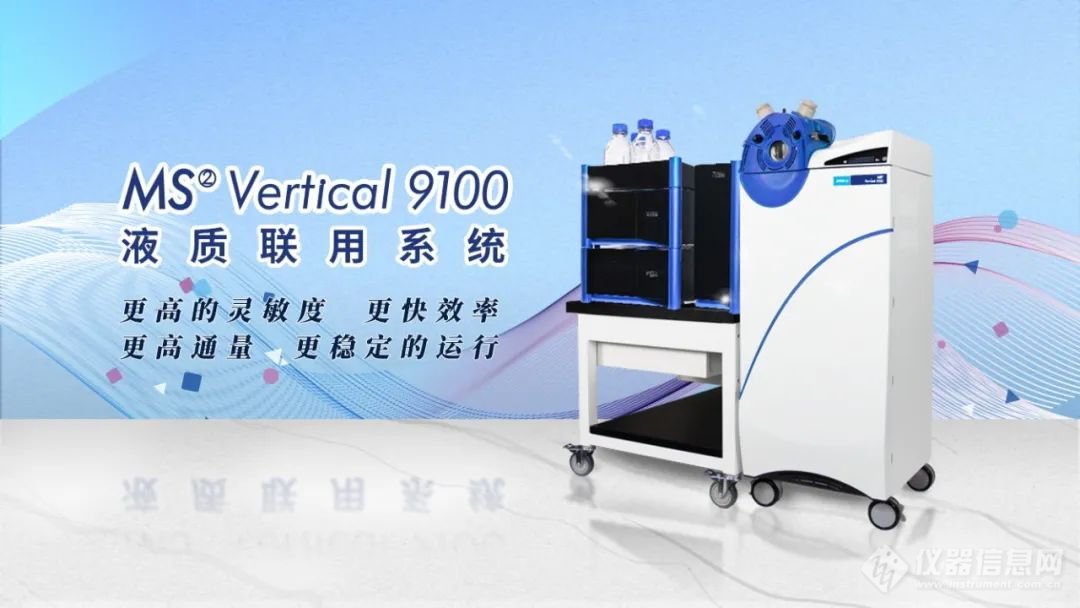
Recommended equipment: Elite MS2 Vertical 9100 triple quadrupole LC/MS system
Technical Highlights
Heat-induced desolvation technology, ions are derived from the cleaning function, and the operation cycle is longer;
Positive and negative ions can be switched in milliseconds, and positive and negative modes can be detected simultaneously, effectively improving work efficiency.
Mass spectrometry parameters
Ion source mode:Positive and negative ion modes (ESI+/ESI-)
Backflush gas (L/h):110
Atomizing gas (L/h):200
Ion source temperature (℃):300
Ion source spray voltage (V):5000/-4800
HSID temperature (℃):300
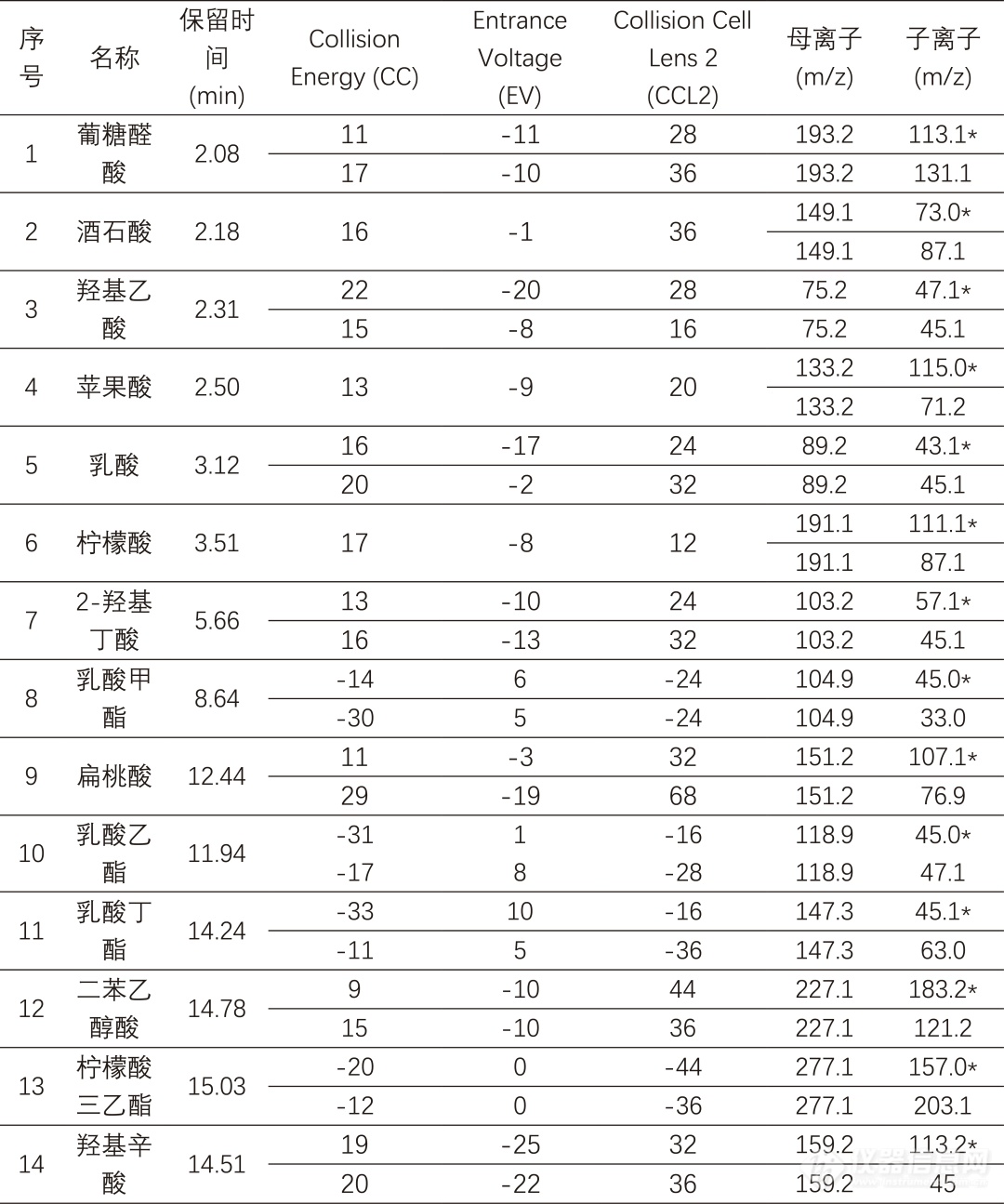
Note: * marks the quantitative ion transition.




When you visit any website, it may store or retrieve information on your browser, mostly in the form of cookies. This information might be about you, your preferences or your device and is mostly used to make the site work as you expect it to. The information does not usually directly identify you, but it can give you a more personalized web experience. Because we respect your right to privacy, you can choose not to allow some types of cookies. Click on the different category headings to find out more and change our default settings. However, blocking some types of cookies may impact your experience of the site and the services we are able to offer.