SCIENTZ-2CS Gene Introduction Instrument



Core Specifications
Product Details
Product Description
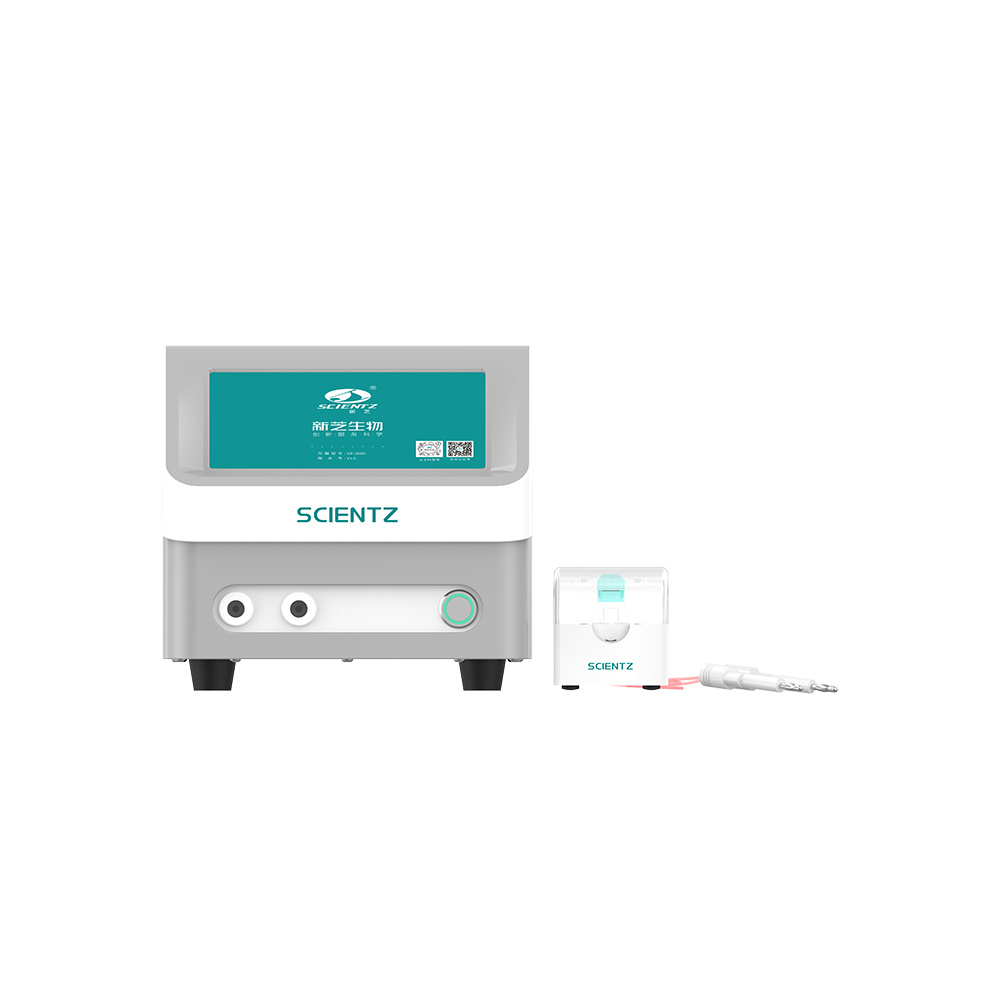
SCIENTZ-2CS gene introduction instrument consists of instrument host, gene introduction cup and special connecting line. Electroporation is mainly used to transfer DNA into competent cells, animal and plant cells, and yeast cells. Compared with other methods, the gene transfer instrument method has the advantages of high repeatability, high efficiency, easy operation, and quantitative control. At the same time, electroporation has no genotoxicity and has become an indispensable basic technology of molecular biology.
Working principle
Cell electrofection (electroporation), also called cell electroporation, is an important method for introducing exogenous macromolecule substances such as DNA, RNA, siRNA, proteins, etc., as well as some small molecules into the cell membrane.
Under the action of an instantaneous strong electric field, the cell membrane of the cells in the solution has a certain degree of permeability, and the charged foreign substances enter the cell membrane in a manner similar to electrophoresis. Since the resistance of the phospholipid bilayer of the cell membrane is very high, the voltage at both poles of the cell generated by the current field outside the cell is borne by the cell membrane. The voltage distributed in the cytoplasm is negligible, and there is almost no current inside the cytoplasm. This also determines that the cytotoxicity during electroporation within the normal range is very small. The electric field causes substances such as DNA to enter the cell membrane and can only stop near the cell membrane. Then the cell's own mechanism can allow these substances to enter the cell nucleus and other places.
Since electroporation technology relies on physical methods, the molecular characteristics of the cell surface have relatively little impact on electroporation. Compared with chemical transfection methods and viral vector transfection methods, electroporation can be used on all cell types and is easy to control quantitatively.
Cell electroconversion electric field diagram
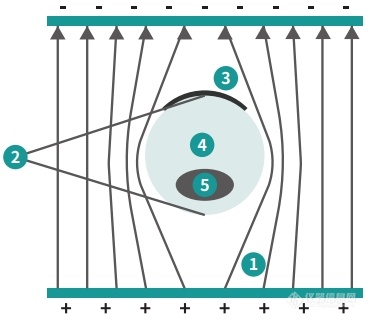
1 The cell membrane is approximately an insulator, and the current in the electrotransfer fluid near the cell is distorted.
2 In a series circuit, the greater the resistance, the greater the voltage. The voltage at both ends of the cell basically falls on the cell membranes at both ends.
3 Only one cell end face is electroporated effectively.
4. The voltage distributed in the cytoplasm is very small, and the electrotransduction of DNA stops immediately after entering the cell membrane, and then spreads slowly by the cell's own mechanism.
5 The voltage across the cell nucleus is extremely small, and the tiny voltage falls on the nuclear membrane. There is no voltage at all inside the nucleus, and electroporation has no genotoxicity.
Features
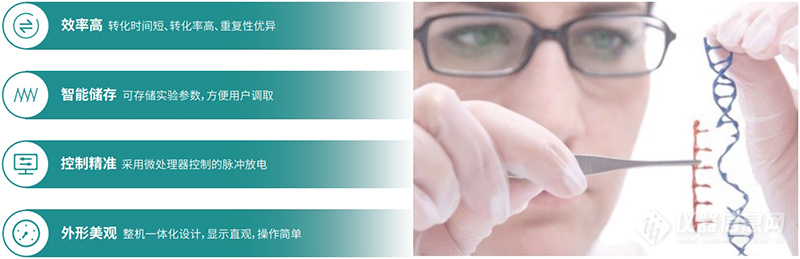
• High efficiencyShort conversion time, high conversion rate and excellent repeatability
• Smart storageExperimental parameters can be stored for easy retrieval by users
• Precise controlMicroprocessor controlled pulse discharge
• Beautiful appearanceIntegrated design of the whole machine, intuitive display and simple operation
Application areas

•Electroconversion of bacteria, yeast and other microorganisms;
•Transfection of mammalian cells, plant tissues and protoplasts;
•Cell hybridization and fusion gene introduction;
•The introduction of marker genes serves as markers and indicators;
•Introduce drugs, proteins, antibodies and other molecules to study the structure and function of cells;
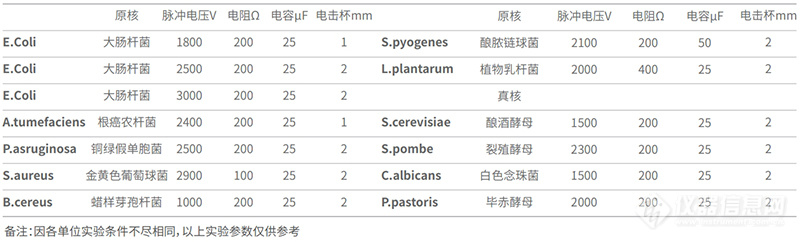
Transformation rates of different bacterial strains
Experimental examples
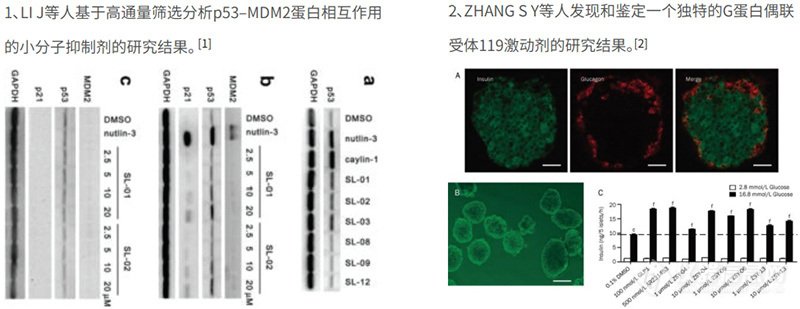
1、LI J, ZHANG S, GAO L, et al. A cell-based high-throughput assay for the screening of small-molecule inhibitors of p53-MDM2 interaction [J]. Journal of biomolecular screening, 2011.
2、ZHANG S Y, LI J, XIE X. Discovery and characterization of novel small molecule agonists of G protein-coupled receptor 119 [J]. Acta pharmacologica Sinica, 2014.