 Gold Member
 Business License
Paper Sharing | Shanxi University Microwave hydrothermal + K₂CO₃ activation double modification, red mud-based biochar efficiently removes Pb(II) and solid waste from water
Paper sharing | Shanxi University Microwave hydrothermal + K₂CO₃ activation dual modification, red mud-based biochar efficiently removes Pb(II) from water, new solution for solid waste recycling
Paper Sharing | Shanxi University
 Microwave hydrothermal + K₂CO₃ activation double modification, red mud-based biochar efficiently removes Pb(II) from water, a new solution for solid waste recycling
nowdaypushrecommend
Dear scientific research partners and industry colleagues~
This issue of Xianghu Science and Technology Papers intensive reading column continues to focus onPreparation of environmental functional materialsandHeavy metal pollution control in waterThe core direction brings you a high-quality research published in the top journal "Separation and Purification Technology", focusing on the problem of toxic lead ion pollution in water bodies, relying onMicrowave-assisted hydrothermal carbonization technology, combined with the modification of industrial solid waste red mud and mild activation process, developed a modified biochar material with ultra-high adsorption performance, taking into account the dual values of pollution control and high-value solid waste, and suitable for reference and learning in environmental engineering, biomass resource utilization, microwave chemical industry and other related fields.
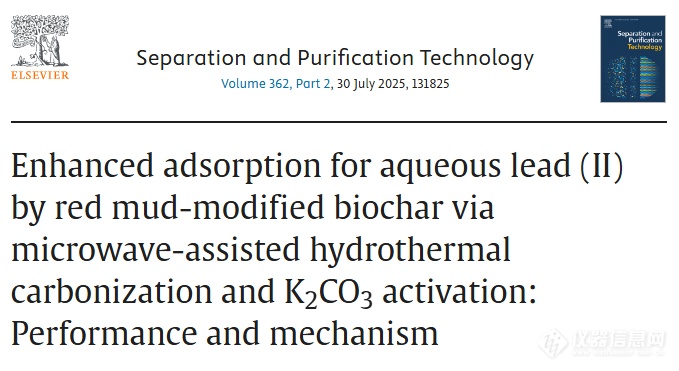
English title: Enhanced adsorption for aqueous lead (II) by red mud-modified biochar via microwave-assisted hydrothermal carbonization and K₂CO₃ activation: Performance and mechanismJournal: Separation and Purification TechnologyImpact Factor (IF): 9.1DOI:10.1016/j.seppur.2025.131825
Core technologies: microwave-assisted hydrothermal carbonization, K₂CO₃ activation, red mud modified biochar
01 Research background and project significance
Lead (Pb(II)) is a typical highly toxic heavy metal pollutant. It is difficult to degrade, easy to accumulate, and highly toxic. Once it enters the water environment, it will be gradually enriched through the food chain, causing irreversible damage to the human nervous system, hematopoietic system, and kidneys. Lead removal from water bodies has always been a key focus of environmental management.
Biochar has become a popular material for heavy metal adsorption due to its wide source of raw materials, low cost and environmental friendliness. However,Native biochar has obvious defects: The specific surface area is small, the pore structure is underdeveloped, the surface active sites are scarce, and the heavy metal adsorption capacity is low under conventional preparation processes, making it difficult to deal with high-concentration lead-containing wastewater. At the same time, the bulk solid waste red mud produced by the alumina industry is rich in iron, aluminum and other metal oxides. Direct storage can easily cause secondary pollution, and the resource utilization rate is extremely low.
Compared with traditional hydrothermal carbonization,Microwave-Assisted Hydrothermal CarbonizationIt has the core advantages of uniform heating, fast reaction rate, lower energy consumption, and better product structure, and can quickly achieve carbonization conversion of biomass; combined with mild K₂CO₃ activation, it can avoid equipment corrosion and high pollution problems of strong alkali activation. Coupled with the inorganic mineral modification of red mud, it can not only optimize the pore structure and surface functional groups of biochar, but also impart magnetism to the material to facilitate subsequent separation and recycling.
This study uses agricultural solid waste corn cobs as the carbon source and industrial solid waste red mud as the modifier to prepare composite modified biochar through microwave-assisted hydrothermal carbonization combined with K₂CO₃ activation. It focuses on exploring its adsorption performance, optimization process and deep action mechanism for Pb(II) in water to achieve the environmental protection goal of "treating waste with waste" and provide practical support for the application of microwave hydrothermal technology in the field of environmental materials.
02 Core experimental plan and process path
Experimental raw materials
Carbon source: Shanxi Jinzhong corn cobs (agricultural waste, dried after pretreatment for later use) Modifier: Xinzhou red mud (alumina industrial solid waste, ground and screened after removing impurities) Activator: K₂CO₃ (potassium carbonate, mild activating reagent, non-corrosive)Core preparation process (two-step modification)
- Microwave-assisted hydrothermal carbonization pretreatment: Mix corn cobs and red mud in different mass ratios (gradients such as 8:2, 7:3, 5:5), add deionized water and mix thoroughly, transfer to a microwave hydrothermal reactor, set exclusive microwave hydrothermal parameters, complete preliminary hydrothermal carbonization, and obtain red mud composite hydrothermal carbon;
- K₂CO₃activation modification: Hydrothermal carbon and K₂CO₃ are mixed and impregnated in a certain proportion, followed by high-temperature activation treatment to finally prepare red mud modified biochar (labeled AMHC) with different proportions;
- Unmodified pure biochar was simultaneously prepared as a control group, and the differences in material structure and adsorption performance before and after modification were analyzed comparatively.
Test characterization and performance evaluation
Through SEM, BET, VSM, FT-IR, XRD and other characterization methods, the material's micromorphology, specific surface area, pore structure, magnetic strength, surface functional groups and phase composition are analyzed; through batch adsorption experiments, the effects of adsorbent dose, initial Pb(II) concentration, temperature, pH value on the adsorption effect are explored, adsorption kinetics, isotherms and thermodynamic characteristics are analyzed to reveal the adsorption mechanism.
03 Key experimental results and performance breakthroughs
3.1 Optimization results of material structural properties
The amount of red mud directly determines the physical structure and functional properties of modified biochar, and different ratios present differentiated advantages:
- Corn cob:red mud=8:2 (AMHC-C8R2): Optimal pore structure, specific surface area up to591.91 m²/g, the total pore volume reaches 0.49 cm³/g, and the rich micropore and mesopore structure provides sufficient physical adsorption sites for Pb(II);
- Corn cob:red mud=5:5 (AMHC-C5R5): It has the best magnetic properties, with a saturation magnetization strength of 30.85 emu/g, and good magnetic responsiveness. After adsorption is completed, it can be quickly separated and recycled by an external magnetic field, completely solving the industry pain points of traditional powder adsorbents being difficult to recycle and easily causing secondary pollution;
- The addition of red mud effectively fills the pore defects of biochar, introduces iron oxide active components, and simultaneously improves the physical adsorption and chemical adsorption capabilities of the material.
3.2 Core data of Pb(II) adsorption performance
The adsorption performance of modified biochar far exceeds that of the unmodified control group, achieving a qualitative leap:
- The optimal sample AMHC-C5R5 has a strong response to Pb(II) at 45°C.The maximum saturated adsorption capacity is as high as 350.28 mg/g, much higher than conventional unmodified biochar and most single modified biochar;
- The adsorption kinetics conforms to the pseudo-second-order kinetic model, proving that the entire adsorption process isChemical adsorption is the dominant, fast speed and thorough adsorption;
- Key breakthrough: When the initial concentration of Pb(II) exceeds 200 mg/L, the adsorption process of unmodified biochar becomes non-spontaneous, while the modified AMHC series materials can still maintain the adsorption process even in high-concentration systems with initial concentrations as high as 500 mg/L.spontaneous adsorption, adapted to high-concentration lead-containing wastewater treatment scenarios;
- The material has good anti-interference and reusability, can still maintain stable adsorption effect in complex water environments, and has excellent performance retention after regeneration.
04 Analysis of the synergistic mechanism of multiple adsorption
After characterization analysis and mechanism verification, the adsorption of Pb(II) by the red mud modified biochar is not a single effect, butMultiple mechanisms synergize, the core mechanism is as follows:
- physical pore filling: The material’s rich micropore and mesopore structure physically traps and fills Pb(II) ions, and quickly enriches lead ions in the water;
- electrostatic adsorption: The surface of the modified material carries negatively charged functional groups, which generate strong electrostatic attraction with positively charged Pb(II) ions to achieve rapid adsorption;
- ion exchange reaction: Cations such as K⁺ and Ca²⁺ on the surface of the material exchange ions with Pb(II) in the water, fixing lead ions on the surface of the material;
- surface complexation: Oxygen-containing functional groups such as -COOH and -OH on the surface of the material form stable complexes with Pb(II) ions to enhance adsorption stability;
- precipitation fixation: The iron oxide and alkaline components introduced from the red mud react with Pb(II) to form insoluble lead salt precipitation, achieving harmless fixation of lead ions.
05 Research Highlights
Core technology highlights
✅ Green and gentle process: Microwave-assisted hydrothermal carbonization has high efficiency, low energy consumption, K₂CO₃ activation without strong alkali corrosion, and is suitable for industrial scale-up production;
✅ Two-way resource utilization of solid waste: dual utilization of agricultural solid waste corn cobs + industrial solid waste red mud, turning waste into treasure, reducing material costs, and reducing solid waste storage pollution;
✅ Comprehensive leading performance: It combines the three major advantages of high adsorption capacity, high concentration adaptability, and easy recovery by magnetic separation, solving the pain points of traditional adsorbents;
✅ Clear and thorough mechanism: multiple synergistic adsorption mechanisms provide a theoretical basis for the subsequent research and development and process optimization of similar modified biochars.
06 Industry application value
The results of this research are not onlyLead-containing industrial wastewater, mining wastewater, domestic sewageThe in-depth treatment provides high-efficiency, low-cost new adsorption materials, and opens up the industrial chain path of "microwave hydrothermal technology + solid waste recycling + environmental management". It has important reference significance for biomass carbon material modification, heavy metal wastewater treatment, and microwave chemical equipment applications. It is especially suitable for environmental protection companies and scientific research institutions to carry out relevant technology research and development and engineering implementation.
Conclusion
As a new green synthesis technology, microwave hydrothermal technology continues to unleash its application potential in the field of environmental functional material preparation and solid waste recycling. The research on red mud modified biochar shared in this issue is a typical case of microwave technology empowering environmental governance.
Xianghu Technology focuses on the research and development and technical services of microwave hydrothermal, microwave synthesis, microwave digestion and other related equipment, and can provide services for various types of biomass carbon modification, environmental functional material preparation, and solid waste resource recycling experiments.Professional microwave hydrothermal reaction equipmentand technical support to help scientific research partners conduct experiments efficiently and accelerate the transformation of results.
If you need to inquire about microwave hydrothermal equipment, please leave a message to communicate in the background ~ In the next issue, we will continue to share more high-quality papers related to microwave technology, so stay tuned!
Copyright statement: This article is only for sharing scientific research results and academic exchanges. The copyright of the article belongs to the original author and the journal. Please indicate the source when reprinting: Xianghu Technology
View More from This Booth
[Paper sharing] Tsinghua University Nature sub-journal Natural Catalysis: Network-like copper double sites embedded in semiconductor particles for selective CO₂ photoreduction
Research: Using microwave heating technology to "turn waste into treasure" carbon dioxide
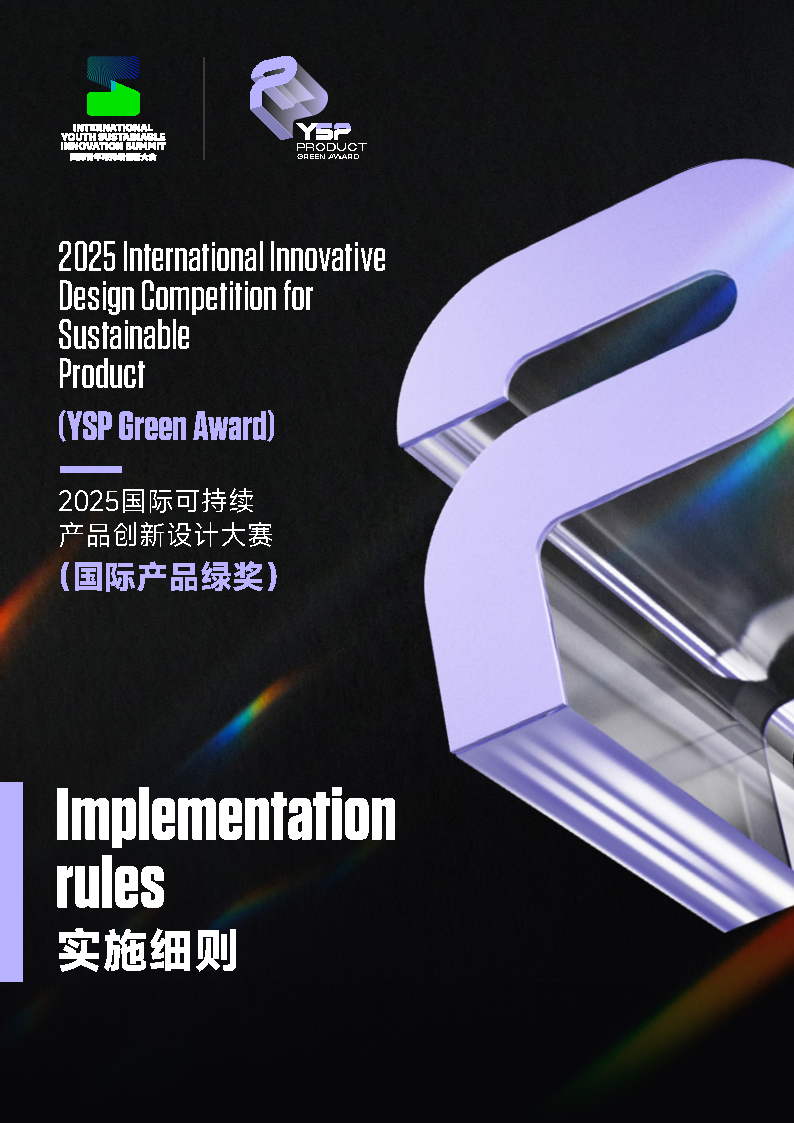
Congratulations to Xianghu Technology Uniflame for winning the 2025 International Sustainable Innovation Product Excellence Design Award!
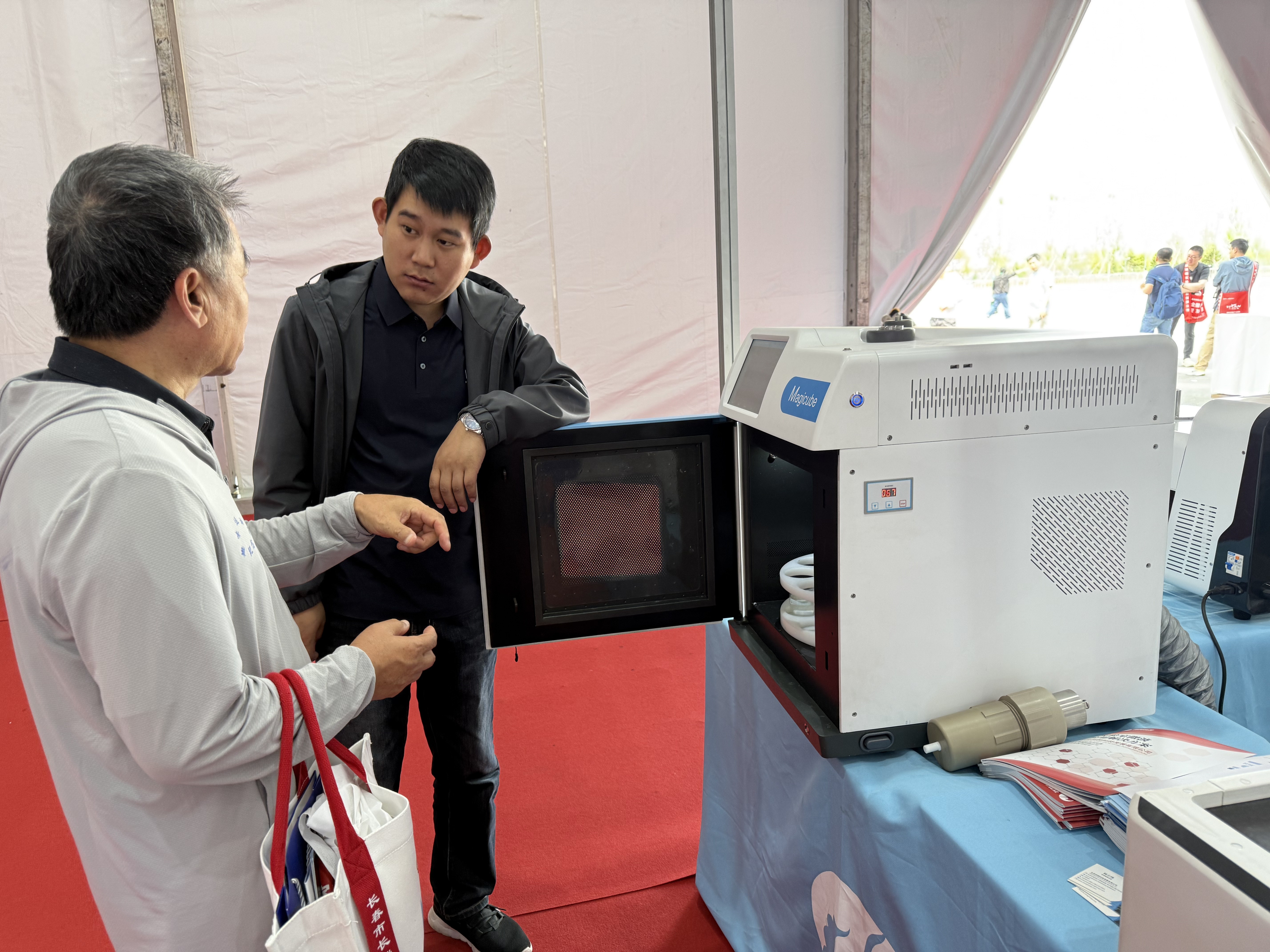
Xianghu Technology empowers college education and opens a new chapter in smart teaching
Recommended Products
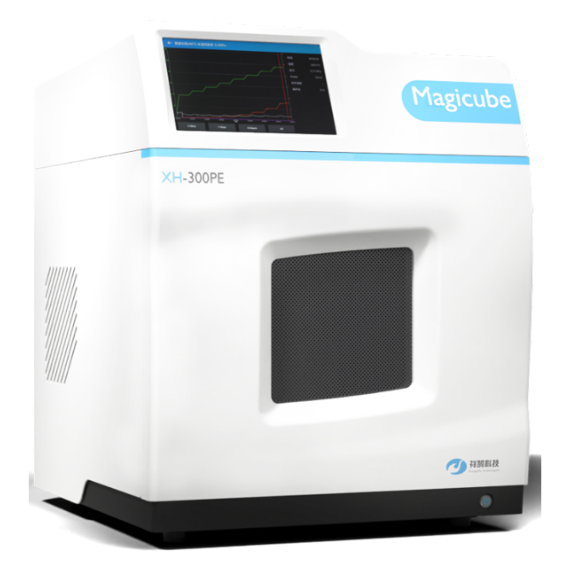
Magicube High Voltage Ultrasonic Microwave Collaborative Combination Workstation
US$ 27972.00-83916.00
Model:XH-300PE