 Gold Member
 Business License
Research: Using microwave heating technology to "turn waste into treasure" carbon dioxide
Research: Using microwave heating technology to "turn waste into treasure" carbon dioxide
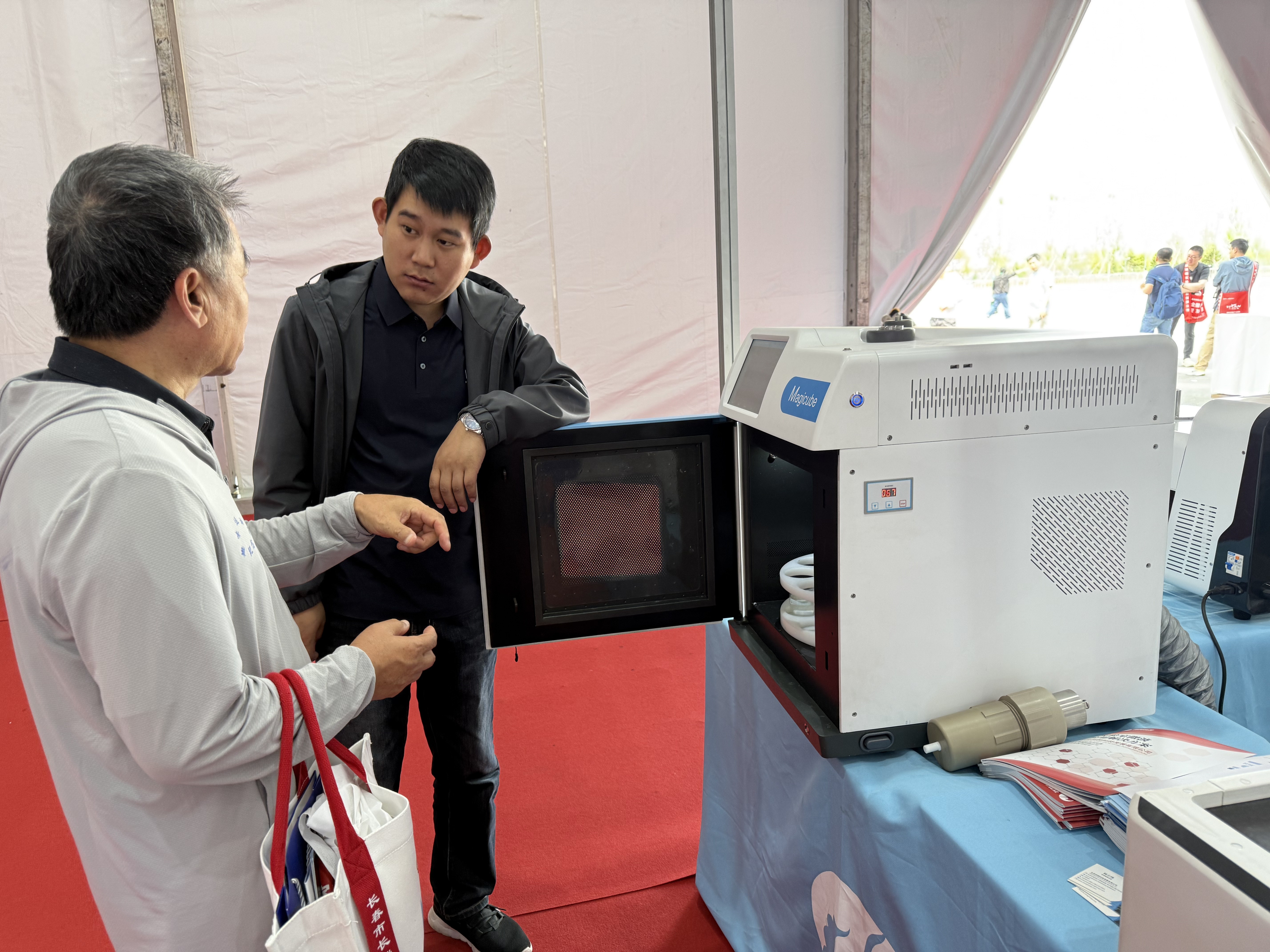
Xinhua News Agency, Tokyo, October 17 (Reporter Qian Zheng) A joint study by the University of Tokyo and Nagoya University in Japan found that they used microwave heating technology to concentrate energy on individual atoms and successfully turned carbon dioxide into useful compounds with high energy conversion efficiency. This achievement helps reduce carbon dioxide emissions.
The research has recently been published in the American magazine "Science Advances". The researchers jointly issued a press release saying that the currently commonly used heating method for chemical reactions is to use fire or hot water to heat the entire container from the surroundings. But in fact, in most cases, the area where chemical reactions occur is very small, usually occurring in a few specific atoms and molecules. Commonly used heating methods disperse heat energy to the entire chemical reaction vessel, and the energy usage efficiency is not high.
The research team took the principle of heating food in a microwave oven as an entry point, and by improving and designing new catalysts, they were looking for ways to accurately deliver energy to the area where chemical reactions occur. By changing the types of metal ions in the catalyst, the researchers found that a type of chabazite with a monovalent indium ion in the center has the highest heating efficiency and is expected to be used as a zeolite catalyst.
Using a newly designed catalyst, the research team successfully concentrated microwave energy on a single atom, thereby producing carbon monoxide from carbon dioxide and hydrogen with high energy conversion efficiency. In the laboratory, the energy conversion efficiency of this precise microwave heating is more than 4 times that of the commonly used overall heating method. Carbon monoxide is often used in the chemical and metallurgical industries, as well as in food preservation and other fields.
The communiqué stated that the new results are expected to be used to partially suppress carbon dioxide emissions. The research team plans to continue to develop other catalyst materials to further improve energy conversion efficiency and apply them to various catalytic reactions.
View More from This Booth
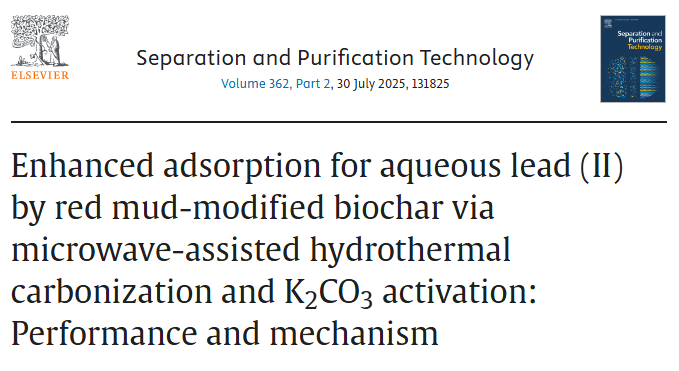
Paper Sharing | Shanxi University Microwave hydrothermal + K₂CO₃ activation double modification, red mud-based biochar efficiently removes Pb(II) and solid waste from water
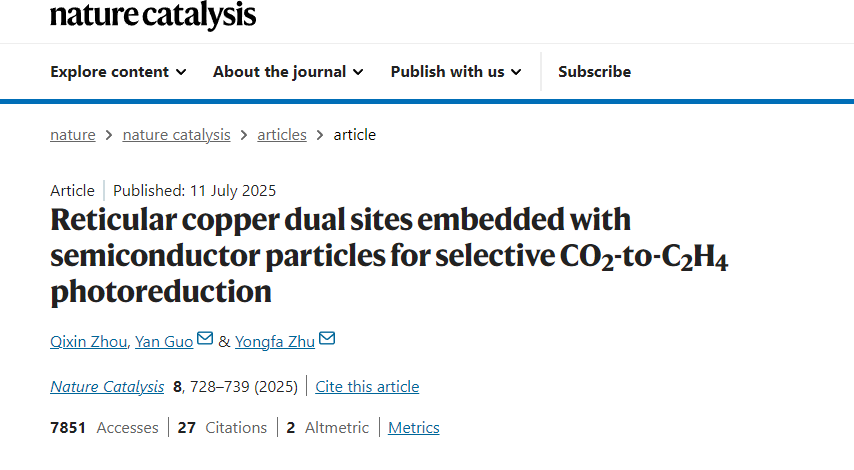
[Paper sharing] Tsinghua University Nature sub-journal Natural Catalysis: Network-like copper double sites embedded in semiconductor particles for selective CO₂ photoreduction

Congratulations to Xianghu Technology Uniflame for winning the 2025 International Sustainable Innovation Product Excellence Design Award!