
 Gold Member
 Business License
Tianlong respiratory 7-plex nucleic acid detection reagent has been approved! One tube for multiple inspections, accurate and efficient
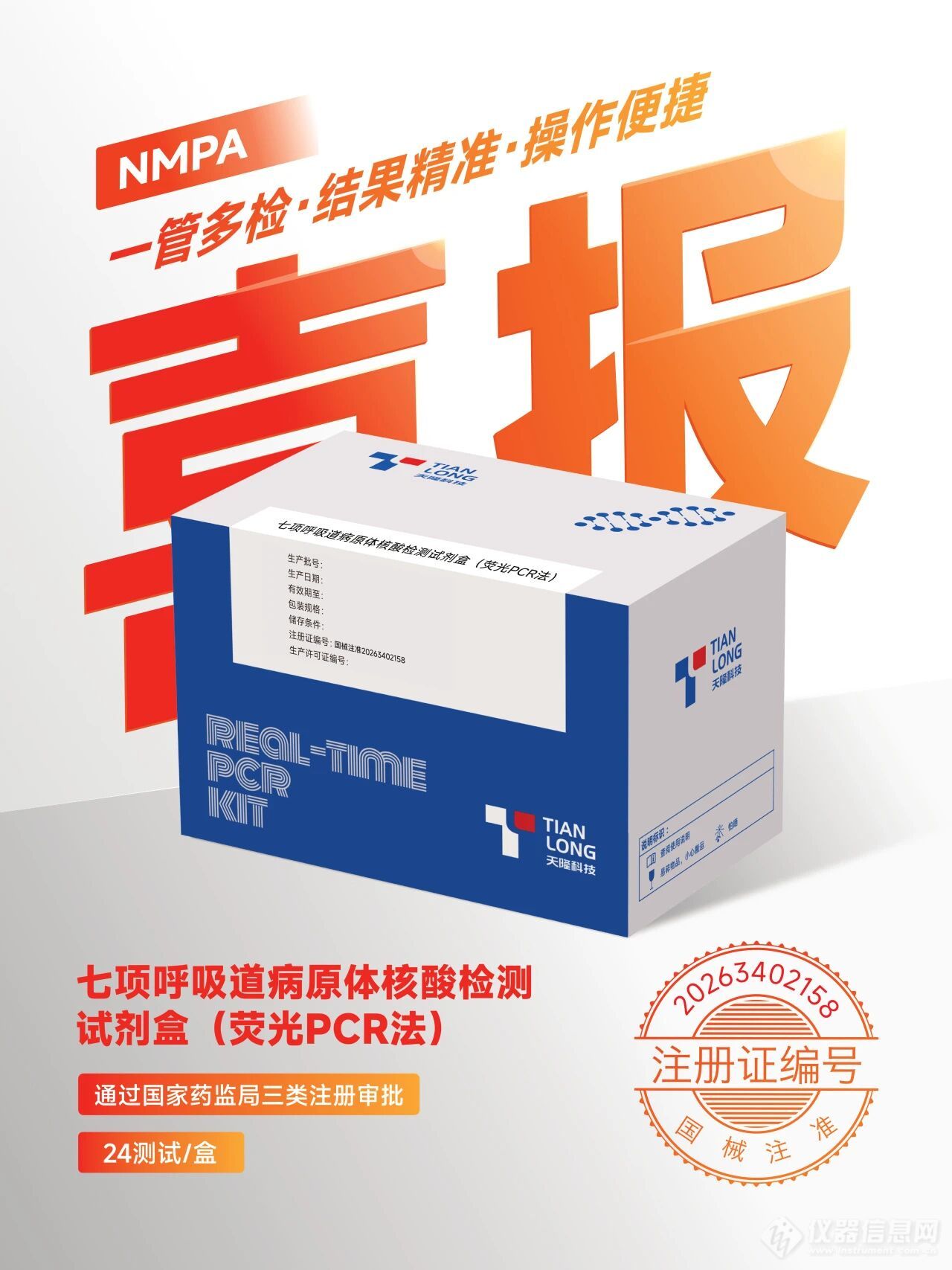
Recently, Tianlong Technology independently developedSeven respiratory pathogen nucleic acid detection reagents (fluorescence PCR method) (National Machinery Approval No. 20263402158)Officially obtained the Class III medical device registration certificate from the State Drug Administration. This productA single tube sample can detect influenza A/B virus, respiratory syncytial virus, adenovirus, human rhinovirus,parainfluenza virus(Type Ⅰ/Ⅱ/Ⅲ) and Mycoplasma pneumoniae nucleic acids of seven common respiratory pathogens, realizing "one sampling, one tube for multiple tests",Provide integrated molecular diagnostic solutions for clinical differential diagnosis of respiratory tract infections, mixed infection identification and public health surveillance.
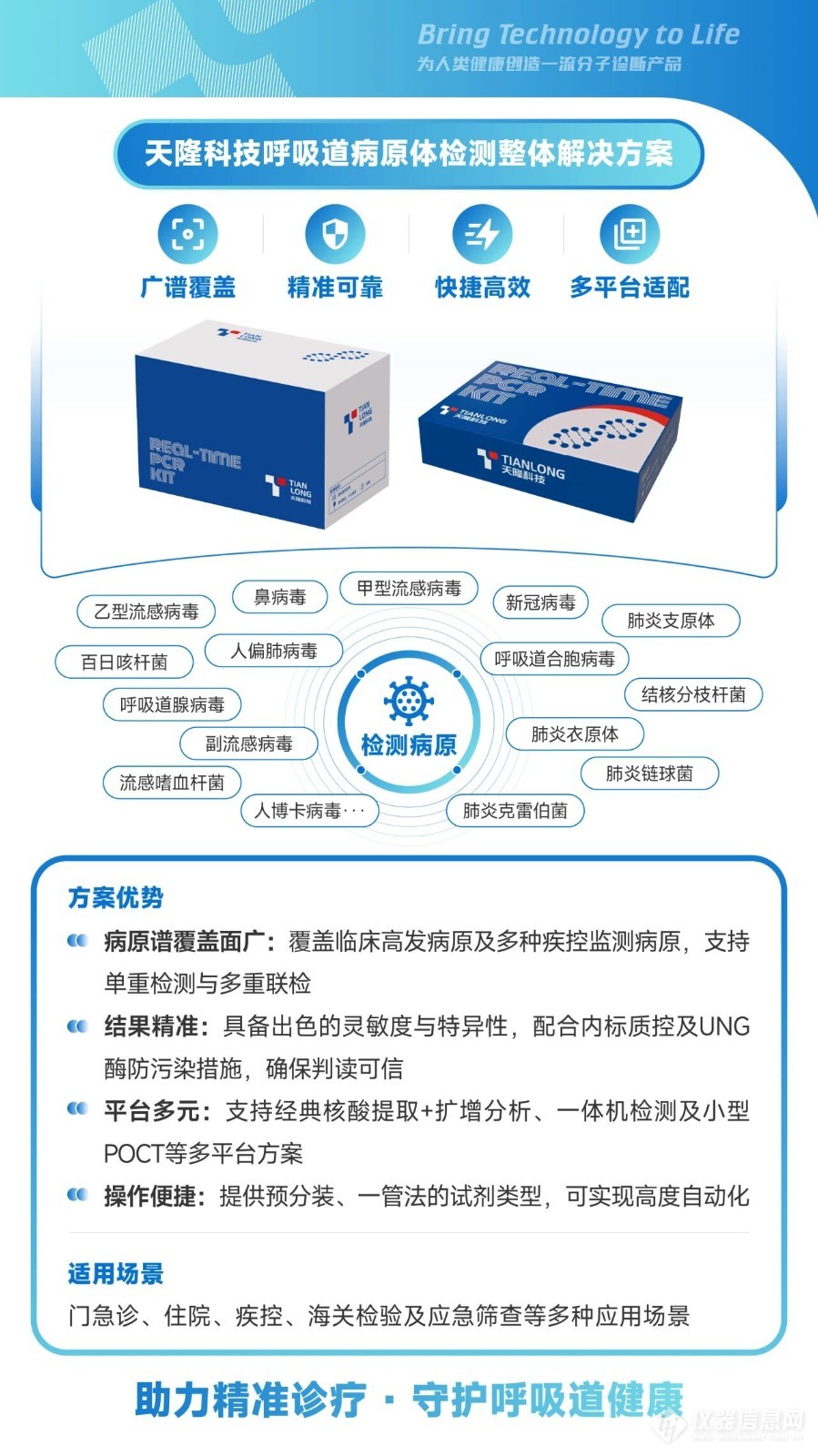
Tianlong7-fold respiratory tract detection reagent coreAdvantages
✅One tube for multiple tests:A single tube sample can detect 7 pathogens at the same time and identify them at one time, saving testing samples, time and cost.
✅Accurate results:The detection limit can be as low as 200 copies/mL, and it has an internal standard gene and UNG-dUTP anti-pollution system to effectively reduce false negatives and false positives.
✅ Easy to operate:Reagents are in pre-packaged form to reduce manual operations.
✅ Convenient transportation and storage:Lyophilized reagents can be transported and stored at room temperature.
Comprehensive coverage of seven major pathogens,
Accurate identification of common pathogens of respiratory tract infections
Respiratory tract infections are one of the main causes of morbidity and mortality worldwide. The infection pathogens include various viruses, bacteria, fungi, mycoplasma, chlamydia, etc.[1-2]. Winter and spring are the periods of high incidence of respiratory infections, with multiple pathogens such as influenza, respiratory syncytial virus, and Mycoplasma pneumoniae circulating alternately, and superinfections occurring frequently. In April 2024, the National Administration of Disease Control and Prevention issued the "National Sentinel Surveillance Plan for Acute Respiratory Infectious Diseases (Trial)" and began weekly sentinel surveillance of respiratory pathogens such as influenza A and B viruses, respiratory syncytial virus, adenovirus, human rhinovirus, and Mycoplasma pneumoniae.[3]。
Influenza A/B viruses:
Influenza A and B viruses circulate seasonally every year and are highly contagious. Influenza A can cause a global pandemic. Influenza A viruses H1N1 and H3N2 subtypes and influenza B virus Victoria lineage are often prevalent in the population. Influenza is mostly self-limiting and has specific antiviral drugs. A small number of patients may develop into severe/critical cases due to complications such as pneumonia or aggravation of underlying diseases. Timely initiation of antiviral intervention after onset can significantly reduce the risk of severe illness.[4]。
Respiratory syncytial virus:
The world's leading viral pathogen for acute lower respiratory tract infections in children under 5 years old. Young infants are prone to develop bronchiolitis and pneumonia after infection. Early symptoms are indistinguishable from common colds. It is a key pathogen for pediatric clinical screening. Currently, there is no RSV vaccine or effective antiviral drug[5]; However, there are some antibody drugs, which are mainly used to prevent severe infections and are relatively expensive.
Adenovirus:
The population is generally susceptible and can cause pneumonia, bronchitis, cystitis, conjunctivitis, gastrointestinal diseases, encephalitis and other diseases. Infection in children can cause persistent high fever and severe pneumonia. The high fever lasts for a long time and the risk of severe illness is high. Cluster outbreaks are prone to occur in day care institutions, primary and secondary schools.[6-7]。
Human rhinovirus:
It is one of the most common pathogens of the common cold and can be detected throughout the year. Most infection symptoms are mild, but in the elderly, immunocompromised people, and children with asthma, it can induce wheezing and lower respiratory tract infections, and often forms mixed infections with other respiratory pathogens, making diagnosis and treatment more difficult.
Parainfluenza virus (type I/II/III):
One of the main pathogens causing lower respiratory tract infections in children, at least 75% to 80% of children under 5 years old have been infected with parainfluenza virus. Types I and II are more likely to infect the larynx and upper trachea, often manifesting as laryngitis; type III has the highest infection rate and the heaviest disease burden, and can lead to bronchiolitis and severe pneumonia in infants and young children.[8]。
Mycoplasma pneumoniae:
It is easy to cause pneumonia and is more common in children aged 5 years and above. The main clinical manifestations are fever and cough. The cough is severe, mostly dry cough in the early stage, and the course of the disease is relatively long. Can cause mixed infection with adenovirus, respiratory syncytial virus, influenza virus, etc., making clinical diagnosis and treatment more difficult[9], but if it can be diagnosed in time, it can be treated with corresponding antibiotics.
Authoritative guideline consensus recommendations:
Multiple pathogenic nucleic acid detection is an important method
Clinical symptoms such as fever, cough, sore throat, etc. caused by various pathogens are highly overlapping. It is difficult to distinguish the pathogens based on clinical signs alone, and it is easy to miss or misdiagnose. In addition, different pathogens may lead to different clinical treatments and public health prevention and control methods. For example, viral infections do not require antibiotics, mycoplasma infections require targeted antibacterial drugs, and influenza requires specific antiviral treatment during the golden window period. Failure to quickly identify the pathogen will not only lead to the overuse of antibiotics, delay intervention opportunities for people at high risk of severe disease, but also increase the risk of cross-infection. Therefore, accurate and timely pathogen detection is particularly important.
Current detection methods for respiratory pathogens include virus isolation, antigen and antibody detection, and nucleic acid detection.[10]. in,Nucleic acid testing has become the main testing method recommended by major guidelines and expert consensus due to its short window period, high sensitivity, and good specificity.[10-16], especially multiple pathogenic nucleic acid detection technology.

my country's "Expert Consensus on the Etiological Diagnosis and Clinical Management of Acute Respiratory Infections in Children":During the epidemic season of respiratory virus infections, nucleic acid testing is recommended as the first choice to identify the pathogen; for critically ill children with emergency or hospitalization indications or unknown causes, multiplex nucleic acid testing is recommended.
my country's "Expert Consensus on Rational Clinical Application of Multiple Pathogen Testing for Infectious Diseases (2026 Edition)":Multiple pathogen detection technology is of great value in rapid triage, precise diagnosis and treatment, hospital infection prevention and control, and antimicrobial drug management. Among them, the sensitivity of antigen detection is lower than that of nucleic acid detection, while the window period of antibody detection is longer.
United States "ADLM Guidance Document on Laboratory Diagnosis of Respiratory Viruses":Nucleic acid testing is the gold standard for the diagnosis of respiratory viral infections and has the advantages of high sensitivity and high multiplexability.
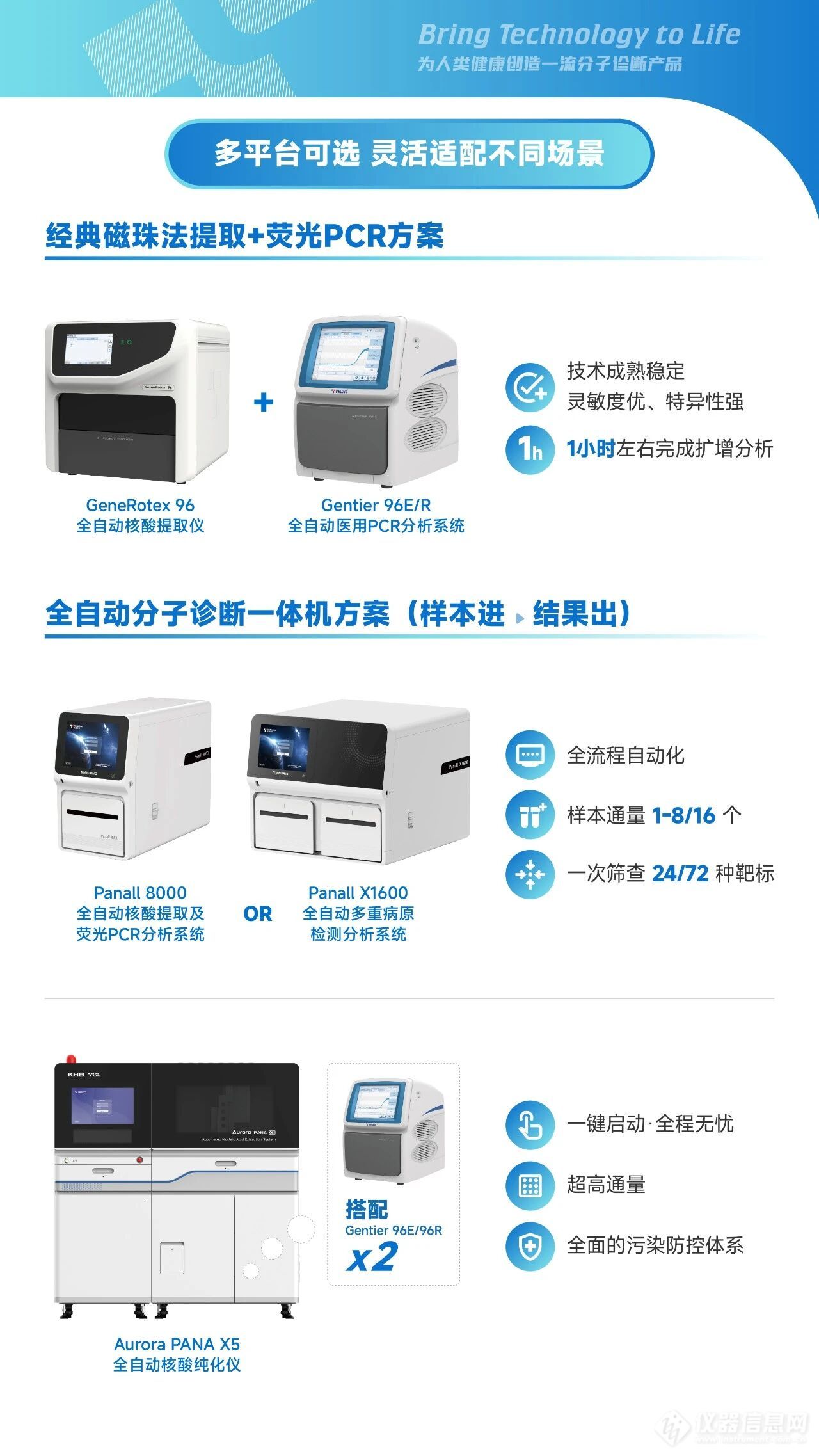
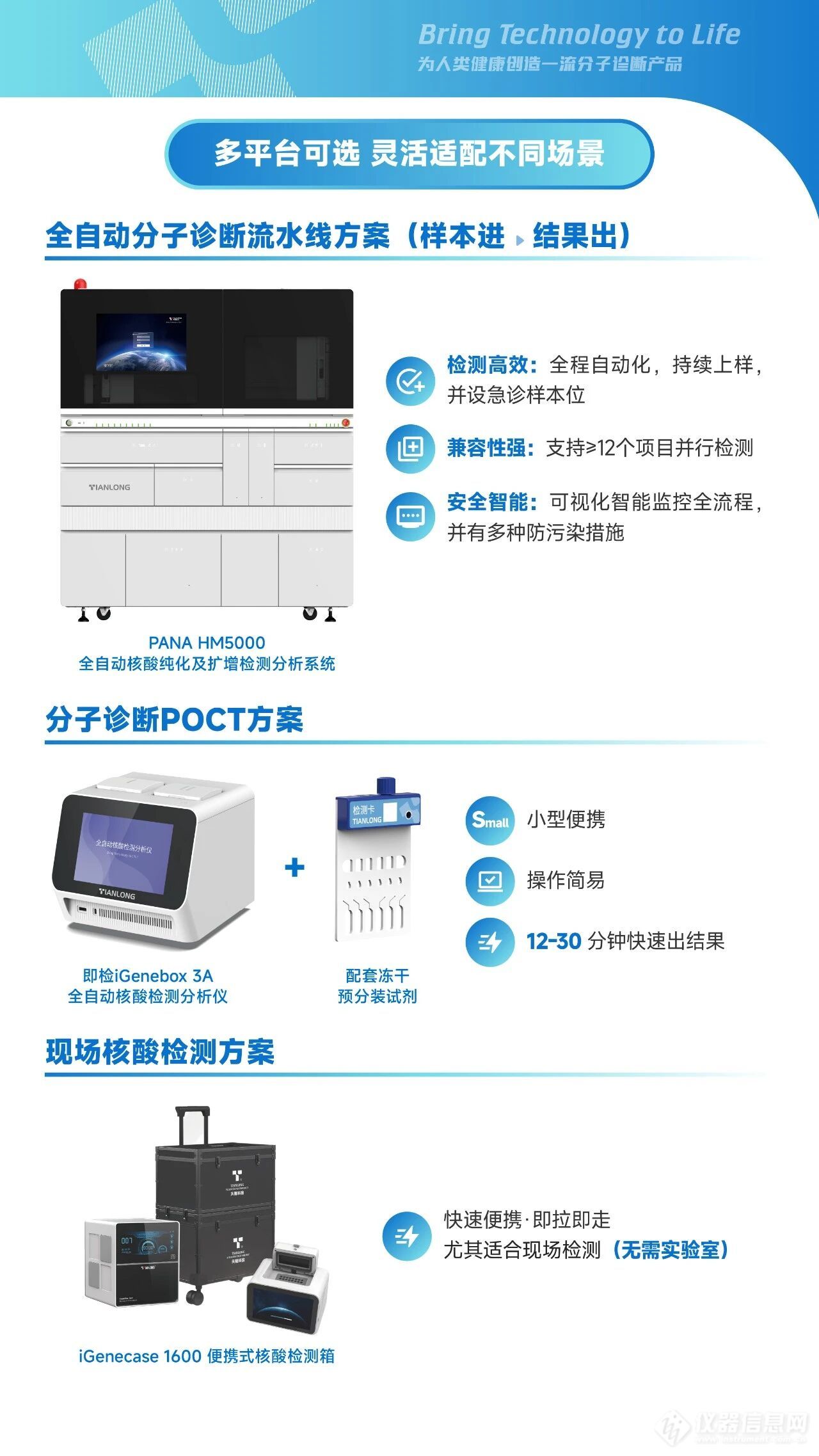
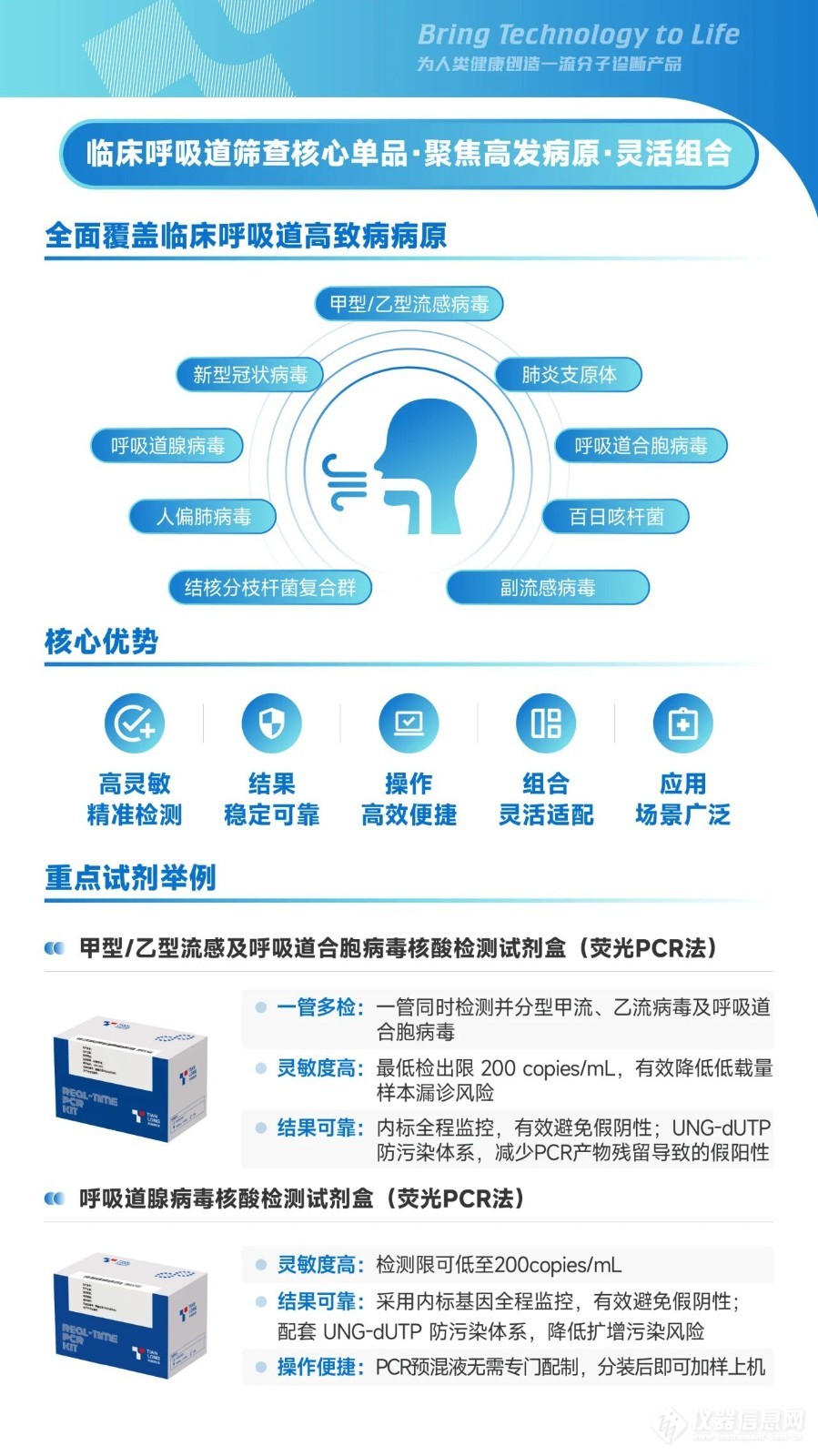
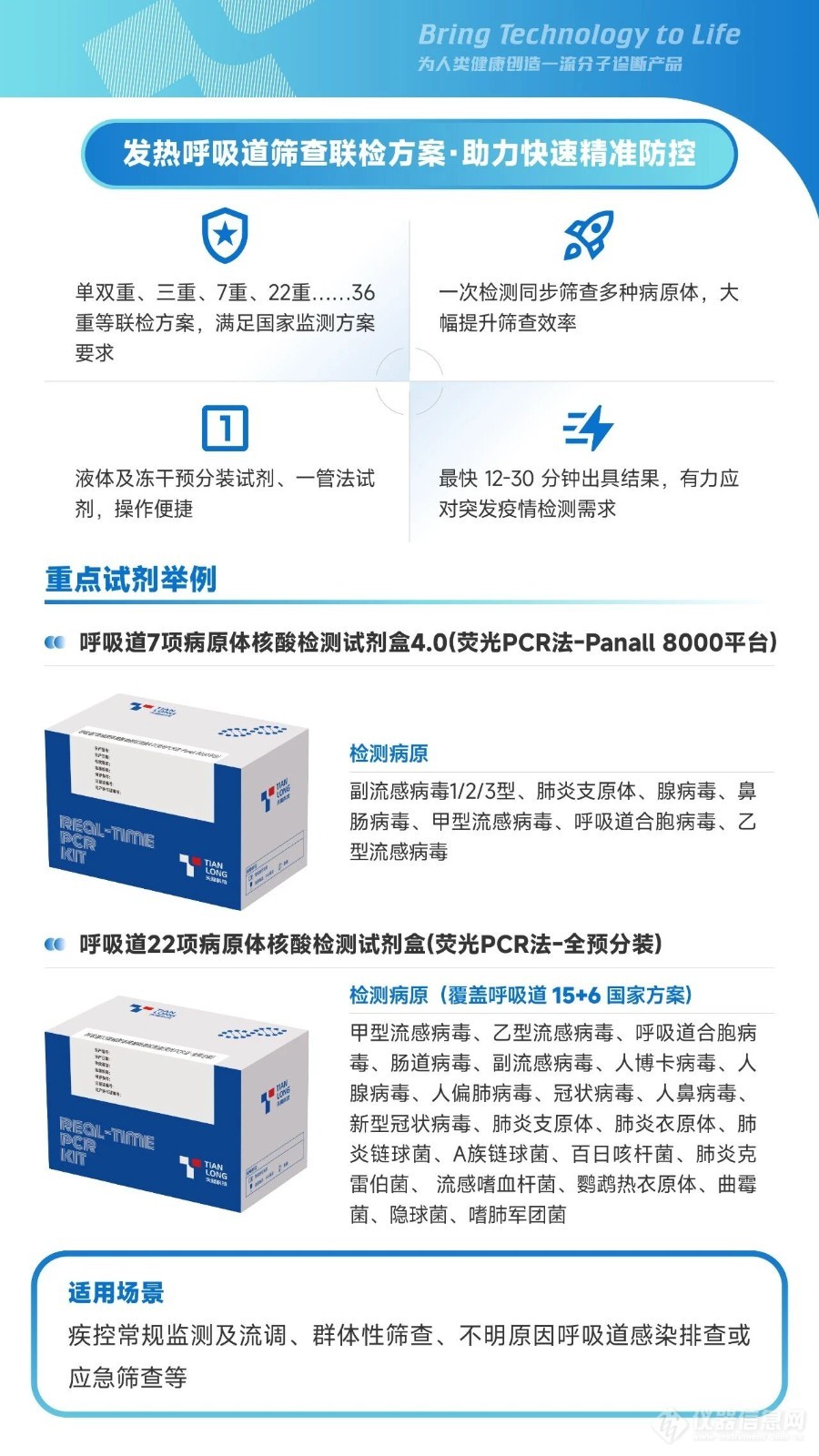
Joint detection of multiple pathogens in the respiratory tract is an important development direction in the current molecular diagnosis of infection. Tianlong Technology has been deeply engaged in molecular diagnosis for many years and continues to improve the respiratory pathogen detection product matrix around user pain points. The approval of the launch of the respiratory 7-plex nucleic acid detection reagent further complements the company's product layout in rapid screening of common respiratory pathogens and enriches the product echelon from single pathogens to multiple joint tests.
In the future, Tianlong Technology will continue to adhere to technological innovation, focus on the demand for accurate diagnosis of infectious diseases, continue to develop high-quality products, empower clinical diagnosis and treatment and public health prevention and control with reliable molecular diagnostic technology solutions, and protect public health.
References
[1] WHO official website
[2] Li Y ,Wang X ,Blau DM ,et al. Global, regional, and national disease burden estimates of acute lower respiratory infections due to respiratory syncytial virus in children younger than 5 years in 2019: a systematic analysis[J]. Lancet, 2022,399(10340):2047-2064.
[3] Expert consensus on quality management of multi-pathogen surveillance for acute respiratory infectious diseases. Expert consensus on quality management for multi-pathogen surveillance of acute respiratory infectious diseases [J]. Chinese Journal of Preventive Medicine, 2026, 60(2): 135-145.
[4] General Office of the National Health Commission, General Affairs Department of the State Administration of Traditional Chinese Medicine. Influenza Diagnosis and Treatment Plan (2025 Edition): National Health Service Emergency Letter [2025] No. 26 [EB/OL]. (2025-01-20).
[5] National Clinical Research Center for Respiratory Diseases, Respiratory Group of the Pediatric Branch of the Chinese Medical Association, Pediatric Respiratory Working Committee of the Respiratory Physician Branch of the Chinese Medical Doctor Association, etc. Expert consensus on the diagnosis, treatment and prevention of respiratory syncytial virus infection in children [J]. Chinese Journal of Practical Pediatrics, 2020, 35 (4): 241-250.
[6] General Office of the National Health Commission, Office of the State Administration of Traditional Chinese Medicine. Standards for Diagnosis and Treatment of Adenovirus Pneumonia in Children (2019 Edition): National Health Commission Medical Letter [2019] No. 582 [EB/OL]. (2019-06-25).
[7] Expert group for the preparation and review of technical guidelines for the prevention and control of human adenovirus respiratory infections. Technical guidelines for the prevention and control of human adenovirus respiratory infections (2019 edition) [J]. Chinese Journal of Preventive Medicine, 2019, 53(11): 1088-1093.
[8] National Clinical Research Center for Children's Health and Disease, Clinical Laboratory Group of the Pediatric Branch of the Chinese Medical Association. Expert consensus on clinical laboratory diagnosis of parainfluenza virus infection in children [J]. Chinese Journal of Laboratory Medicine, 2024, 47(1): 24-34.
[9] General Office of the National Health Commission, State Administration of Traditional Chinese Medicine. Guidelines for the Diagnosis and Treatment of Mycoplasma Pneumonia in Children (2025 Edition): National Health Office Medical Affairs Letter [2025] No. 361 [EB/OL]. (2025-09-09)).
[10] Expert consensus on quality management of multi-pathogen surveillance for acute respiratory infectious diseases. Expert consensus on quality management for multi-pathogen surveillance of acute respiratory infectious diseases [J]. Chinese Journal of Preventive Medicine, 2026, 60(2): 135-145.
[11] Expert consensus group on emergency diagnosis and treatment of acute respiratory viral infection in adults. Expert consensus on emergency diagnosis and treatment of acute respiratory viral infection in adults [J]. Chinese Journal of Emergency Medicine, 2021, 30(12): 1417.
[12] National Key Laboratory of Diagnosis and Treatment of Severe Infectious Diseases, National Clinical Research Center for Infectious Diseases. Expert consensus on clinical diagnosis and treatment of respiratory tract infections during multi-pathogen epidemics [J]. Chinese Journal of Clinical Infectious Diseases, 2023, 16(6): 1-13.
[13] Expert consensus writing group on the rational clinical application of multiple pathogen detection in infectious diseases. Expert consensus on the rational clinical application of multiple pathogen detection in infectious diseases (2026 edition) [J]. Chinese Journal of Infectious Diseases, 2026, 44(7): 398-415.
[14] Chinese Laboratory Medicine Training Project Expert Committee. Expert consensus on clinical application of nucleic acid detection technology for pathogen diagnosis of adult respiratory tract infections [J]. Chinese Journal of Laboratory Medicine, 2023, 46(8): 789-797.
[15] Respiratory Medicine Group of the Pediatric Branch of the Chinese Medical Association. Expert consensus on etiological diagnosis and clinical management of acute respiratory tract infections in children (2025 edition) [J]. Chinese Medical Journal, 2025, 105(46): 4225-4238.
[16] Berry GJ, Jhaveri TA, Larkin PMK, Mostafa H, Babady NE. ADLM Guidance Document on Laboratory Diagnosis of Respiratory Viruses[J]. J Appl Lab Med. 2024;9(3):599-628.
View More from This Booth
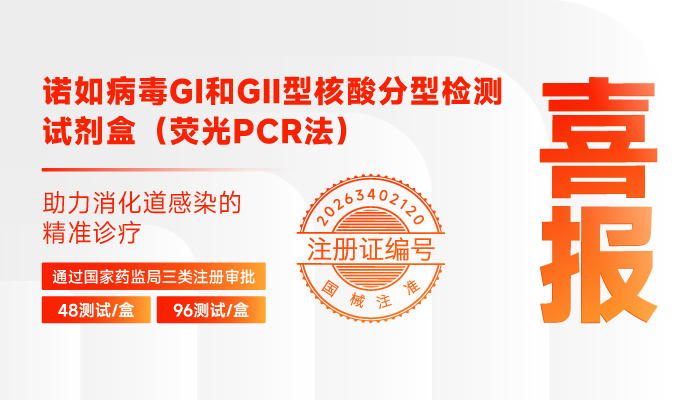
Obtained certification for listing! Accurate typing facilitates rapid diagnosis, prevention and control of norovirus infection
Obtained certification for listing! Tianlong parainfluenza virus nucleic acid detection reagent passed NMPA Category III approval
Tianlong’s new triple respiratory testing product has been certified and launched!