

 Gold Member
 Business License
Application of FRINGE CLASS in the development and quality control of MgH2 hydrogen storage materials
1. Industry introduction
Hydrogen energy is crucial to achieving carbon neutrality and sustainable development goals, and efficient and safe storage and transportation technology is the key link between hydrogen energy production and application and promoting the development of the hydrogen economy. From the perspective of storage state, hydrogen storage methods can be divided into three categories: gaseous, liquid and solid. From the perspective of the interaction mechanism between hydrogen and hydrogen storage media, they can be divided into physical hydrogen storage and chemical hydrogen storage. Physical hydrogen storage mainly includes high-pressure gaseous hydrogen storage, low-temperature liquid hydrogen storage, and the use of porous materials for physical adsorption hydrogen storage; chemical hydrogen storage covers various routes such as metal hydrides, complex metal hydrides, organic liquid hydrogen storage, and ammonia hydrogen storage.Among many technologies, solid-state hydrogen storage, especially solutions based on metal hydrides, has attracted much attention due to its high volume hydrogen storage density and good safety. Its principle is to use a reversible chemical reaction between metal or alloy and hydrogen to store hydrogen atoms in the lattice gap to form a solid hydride, which can be controlled to release hydrogen by heating or reducing pressure during use.
Magnesium-based hydrogen storage material, with MgH2For example, it not only has a high mass hydrogen storage density, but also has extremely abundant reserves of Mg in nature and is low in cost. However, MgH2Its kinetic energy barrier and thermodynamic stability are high, resulting in its slow hydrogen absorption and desorption rate, high operating temperature, and easy formation of an oxide layer on the surface, hindering H2Dissociation and recombination of molecules. At the same time, due to the slow reaction kinetics and low effective thermal conductivity of magnesium-based hydrogen storage materials, it is difficult to maintain a uniform reaction temperature in the magnesium-based hydrogen storage tank. As a result, the hydrogen absorption and release rate of the hydrogen storage tank rapidly decreases during continuous use, making it difficult to meet the needs of actual engineering applications of magnesium-based materials. The above shortcomings will not only increase the energy consumption of magnesium-based hydrogen storage materials in use, but also limit their development in the above application scenarios. In recent years, in order to overcome these limitations of magnesium-based hydrogen storage materials, researchers have significantly improved the hydrogen storage performance of the materials through a series of innovative modification methods, such as nanotechnology, catalysis, and alloying. Nano-modification effectively shortens the hydrogen diffusion distance by reducing the particle size and increasing the specific surface area of the material, thereby increasing the hydrogen absorption and desorption rate and achieving the purpose of thermodynamic destabilization. Catalytic modification reduces the activation energy of the hydrogen absorption and release reaction by adding a suitable catalyst to the magnesium-based material, significantly improving its kinetic properties. Alloying modification adds other specific elements to magnesium-based hydrogen storage materials to form corresponding magnesium-based hydrogen storage alloys, changes the reaction path of the material system, reduces the hydrogen absorption and release reaction enthalpy and reaction energy barrier of the material, and can simultaneously improve its kinetic and thermodynamic properties.
2. Application of X-ray diffraction technology in analysis of hydrogen storage materials
For hydrogen storage production lines, ensuring the consistency, stability and reliability of product performance is the lifeline, and XRD technology is the core quality control tool to achieve this goal.X-ray diffraction technology is a non-destructive, efficient and information-rich material structure analysis method. By measuring the diffraction pattern generated by the interaction between X-rays and the crystal structure of the material, it can obtain a series of key information about phase composition, crystal structure, grain size, microscopic strain, etc.in MgH2The entire life cycle of hydrogen storage materials—from basic research and development, process optimization to industrial quality control, XRD all play a vital role.
3. Experimental cases
3.1 Sample
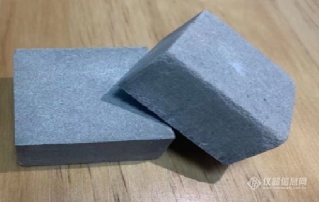
Figure 1.MgH2solid material
3.2 Experimental equipment
This experiment usesFRINGE CLASS desktop X-ray diffractometer, for MgH provided by an institution2Solid hydrogen storage materials are analyzed and tested. The samples were crushed and ground into fine powder, and quartz glass sheets were used to prepare samples for testing.

3.3 Analysis results and discussion
Select MgH from three different production lines2The solid materials were crushed and ground to prepare samples, and then XRD detection and analysis was performed. The spectrum is as shown below.
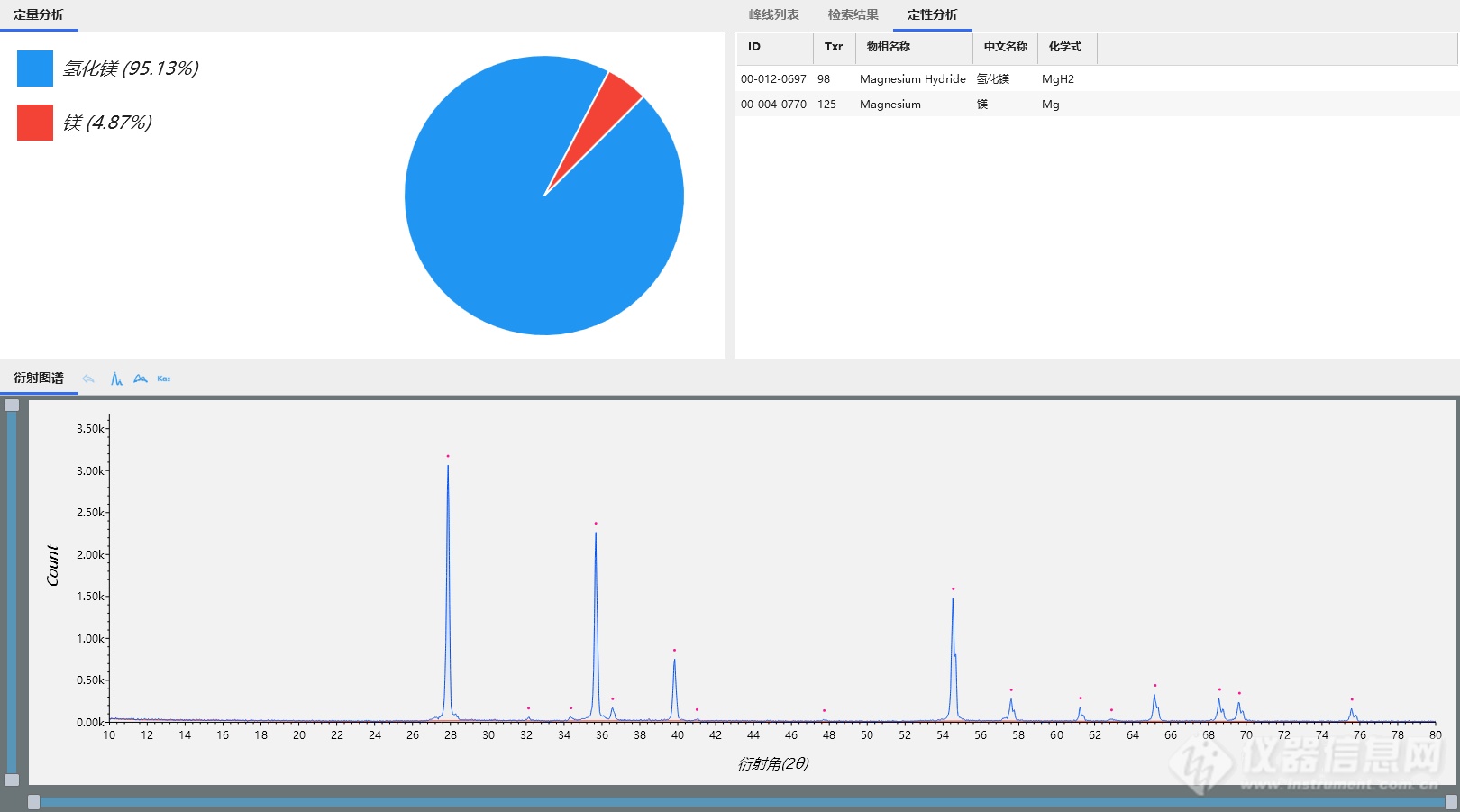
Figure 2. 1#MgH2X-ray spectrum of solid materials
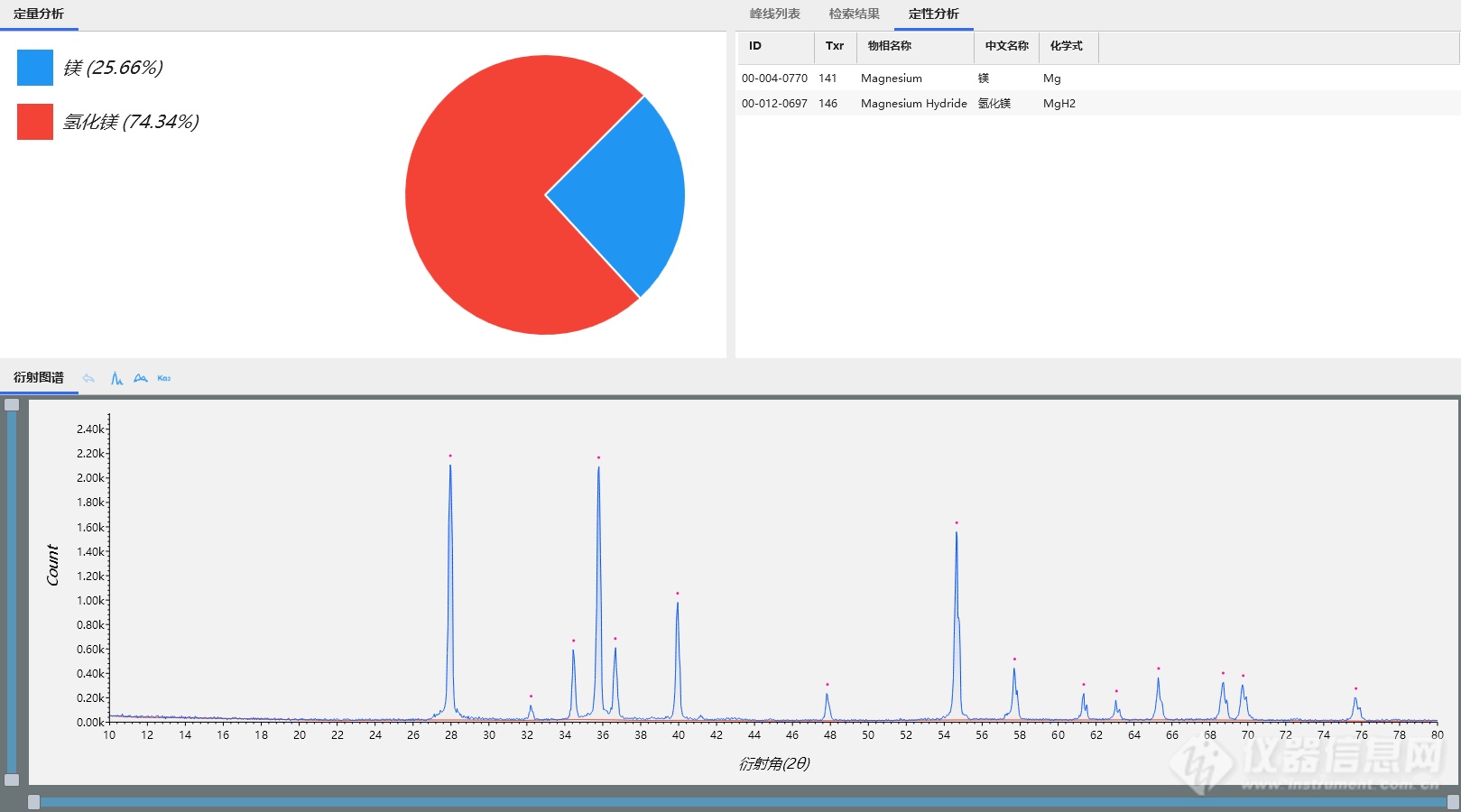
Figure 3. 2#MgH2X-ray spectrum of solid materials
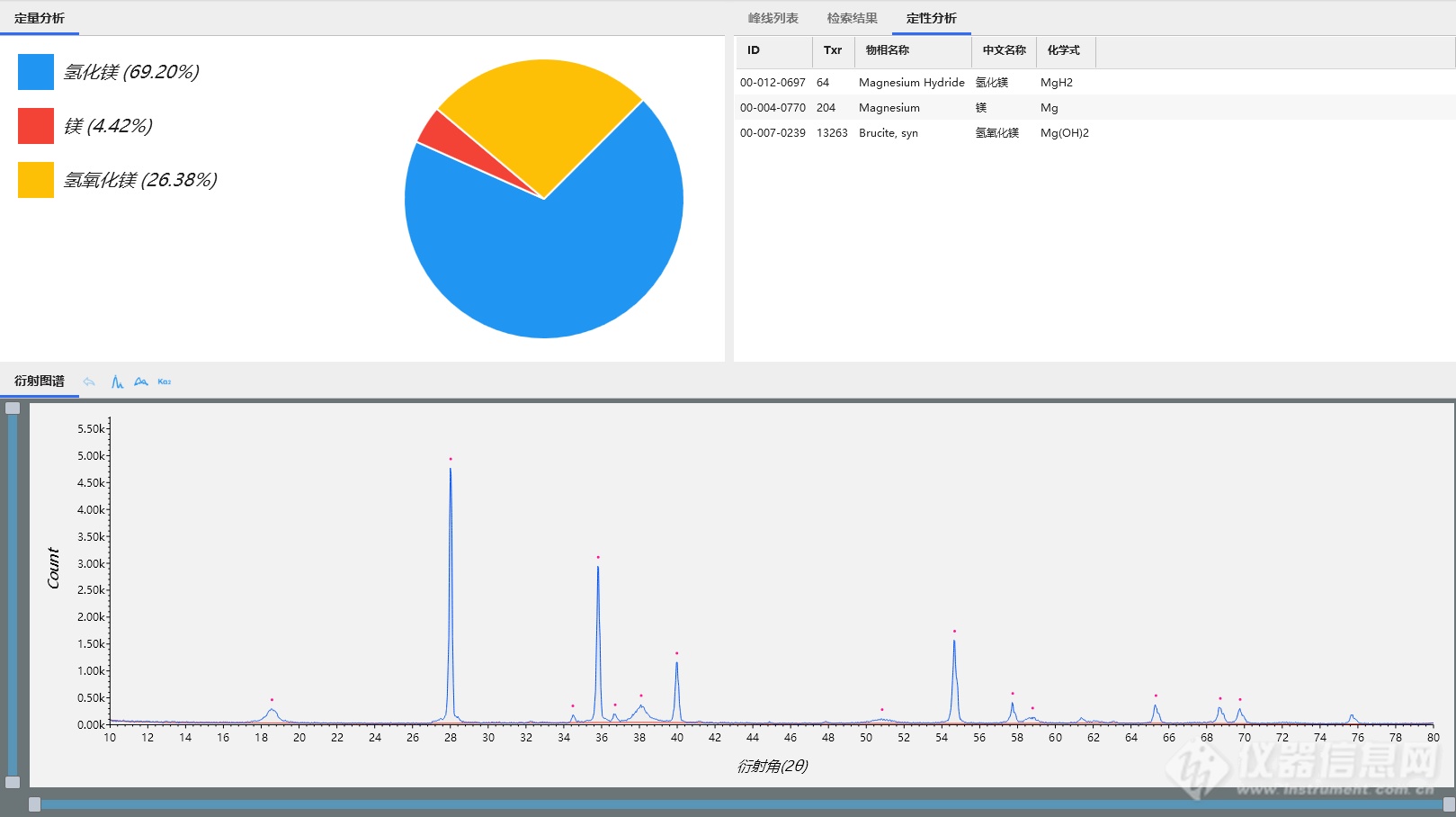
Figure 4. 3#MgH2X-ray spectrum of solid materials
From Figure 2 and Figure 3, it can be seen that sample 1# MgH2The content of Mg is relatively the highest, indicating that its production reaction is relatively more complete and the residual Mg is relatively small. The 2# sample obviously showed incomplete reaction and more residual Mg. As can be seen from Figure 4, Mg(OH) appears in sample 3#2, this is because the sample is exposed to the air for too long and reacts with the moisture in the air. In addition, Mg(OH) in Figure 42The half-peak width is obviously larger than that of Mg and MgH2, which is mainly due to the broadening of the diffraction peak caused by the grain size effect.
After XRD detection and analysis, it can be found that the production line process of sample #1 is better, MgH2The yield is higher; in addition, newly produced samples must be sealed and stored in time to avoid water absorption and deterioration of the samples due to exposure to air. MgH can be quickly identified using XRD technology2Physical phase and monitoring the reaction process to scientifically evaluate and optimize the production process parameters are key analytical means to achieve efficient and controllable production.
4. Conclusion
Research has confirmed that X-ray diffraction (XRD) technology can accurately identify Mg and MgH in materials2etc. Physical phase and quantitative analysis of its composition, etc., is MgH2Key analytical means in the research and development and quality control of hydrogen storage materials. Experiments have proven that XRD can effectively track MgH2The phase change in the manufacturing process and provides a direct basis for the optimization of the production process, which is very important for promoting MgH2The performance breakthrough and reliable application of hydrogen storage materials have irreplaceable core value.
With the rapid development of the hydrogen energy industry, magnesium-based hydrogen storage materials are continuing to make breakthroughs in the direction of high efficiency, long life, and low cost. In the future, FRINGE CLASS will continue to use its accurate and stable XRD characterization capabilities to help MgH₂ hydrogen storage materials move from basic research to engineering applications, providing solid technical support for the development of hydrogen energy storage and transportation technology.
View More from This Booth

Seeing the microscopic through the mirror, enlightening the representation with wisdom | The 2026 National Academic Annual Conference on Electron Microscopy concluded successfully!

Application of ScopeX vacuum X-ray fluorescence spectrometer in slag composition analysis

October Exhibition Preview丨The 7th China International Metallurgical Materials Trade Expo