

 Gold Member
 Business License
High-pressure homogenizer efficiently disperses silicon-carbon slurry to create high-performance silicon-carbon anode materials
Under the wave of rapid development of new energy vehicles and energy storage industries, lithium-ion batteries haveHigher energy density and longer cycle lifeThe pursuit of excellence has become a core trend in the industry. The theoretical capacity of traditional graphite anodes is approaching its limit (372mAh/g), while silicon-carbon anode materials have become a key choice to break through the battery performance bottleneck with their theoretical lithium storage capacity of up to 4200mAh/g.
However, silicon-carbon anode materials face two core challenges during the preparation process: First,Nanosilica powder is easily agglomerated, it is difficult to achieve uniform dispersion; second, during the charging and discharging process, siliconVolume expansion rate is as high as 300% or more, a suitable particle size is required to suppress expansion and ensure cycle stability.
The dispersion dilemma of silicon carbon anode materials
Silicon-carbon negative electrode is a composite material formed by compounding nano-silicon particles into a carbon matrix. Its performance directly depends on the particle size and dispersion uniformity of the silicon particles.
Particle size is too large: Silicon particles exceed critical size (<150nm),充放电时体积膨胀(最高可达 300%)易导致材料粉化、结构坍塌,造成电池容量骤降、循环寿命缩短。
Uneven dispersion: Nano-silicon has extremely high surface energy and is prone to hard agglomeration, forming local “silicon clusters”. This not only aggravates the volume expansion effect, but also causes the internal conductive network of the electrode to break, hindering ion conduction, and significantly reducing the first Coulombic efficiency and fast charging performance.
Traditional ball milling, ordinary mixing and other processes existLow crushing efficiency, wide particle size distribution, easy introduction of metal contamination, and poor batch stabilityand other defects, it is difficult to meet the stringent requirements for nanoscale uniform dispersion of high-end silicon-carbon anode materials.
ATS high pressure homogenization technology for precise dispersion
In response to the technical difficulties of silicon-carbon anode materials, the ATS team selected an ultra-high-pressure series homogenizer with a dispersion valve group specially designed for hard wear-resistant materials.Shear, impact, cavitationThe triple effect works together to build an efficient, stable and controllable decentralized processing solution.
The average particle size of the samples obtained in this experiment is stable at110nm Around, the particle size distribution is narrow and the uniformity is good; the slurry viscosity is reduced to5.35cp, the fluidity and coating properties are significantly improved; the agglomerates are completely broken up, the system has no sedimentation and stratification, and the dispersion stability is excellent.
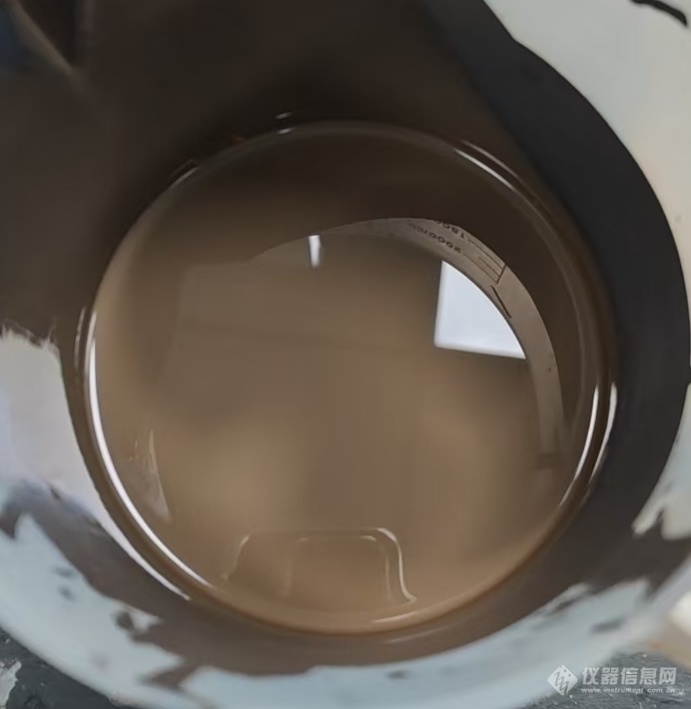
Appearance state diagram of silicon carbon slurry after dispersion
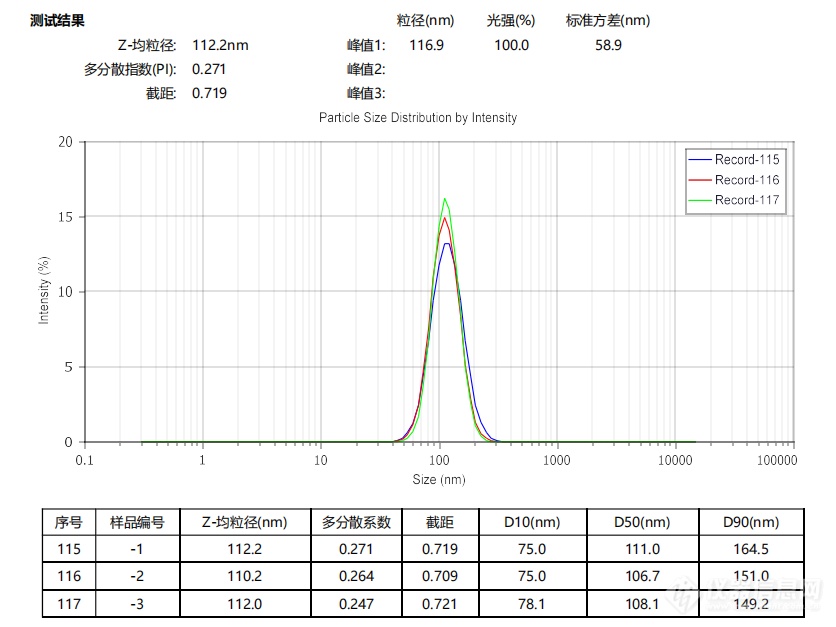
Particle size chart of silicon carbon slurry after dispersion
ATS core advantages of high pressure homogenization technology
1. Efficient dispersion and structural preservation
The dispersion efficiency is greatly improved, there is no metal pollution, no high temperature, no strong shear damage, the silicon carbon material morphology, aspect ratio and conductive characteristics are completely retained, ensuring the first efficiency, cycle life and rate performance of the battery cell.
2. Precise granulation control and stable performance
It can accurately control the homogenization pressure, cycle times, and feed concentration, and customize the process for silicon-carbon materials with different silicon content, particle size, and carbon coating structure to achieve uniform particle size, stable viscosity, and high batch consistency, and easily connect small-scale testing to pilot testing to mass production.
3. Reduce viscosity and improve efficiency, suitable for mass production
Significantly reduce slurry viscosity, improve fluidity and deaeration performance, improve coating surface density uniformity, reduce defects, and improve electrode yield and production efficiency.
4. Domestic leading brand, stable and reliable
ATS has been deeply involved in high-pressure homogenization for more than 20 years. The equipment has stable pressure, high control accuracy, and sealing and cavity materials adapted to new energy slurries. It has reached the international first-tier level and has the advantages of localized cost and localized fast service.
ATS high-pressure homogenization technology provides an efficient, gentle, and scalable dispersion solution for silicon carbon anodes. It can be widely used in systems such as nano silicon carbon, silicon oxygen carbon, vapor deposition silicon carbon, and composite conductive slurries. It supports silicon carbon anodes from laboratories to kiloton/ten thousand ton mass production, and helps upgrade the performance of high-specific energy lithium batteries.
View More from This Booth

High-pressure homogenizer: the core equipment to break through the bottleneck of nano-color paste dispersion and stability

From extraction to efficient delivery: How high-pressure homogenizer breaks the bottleneck of curcumin bioavailability
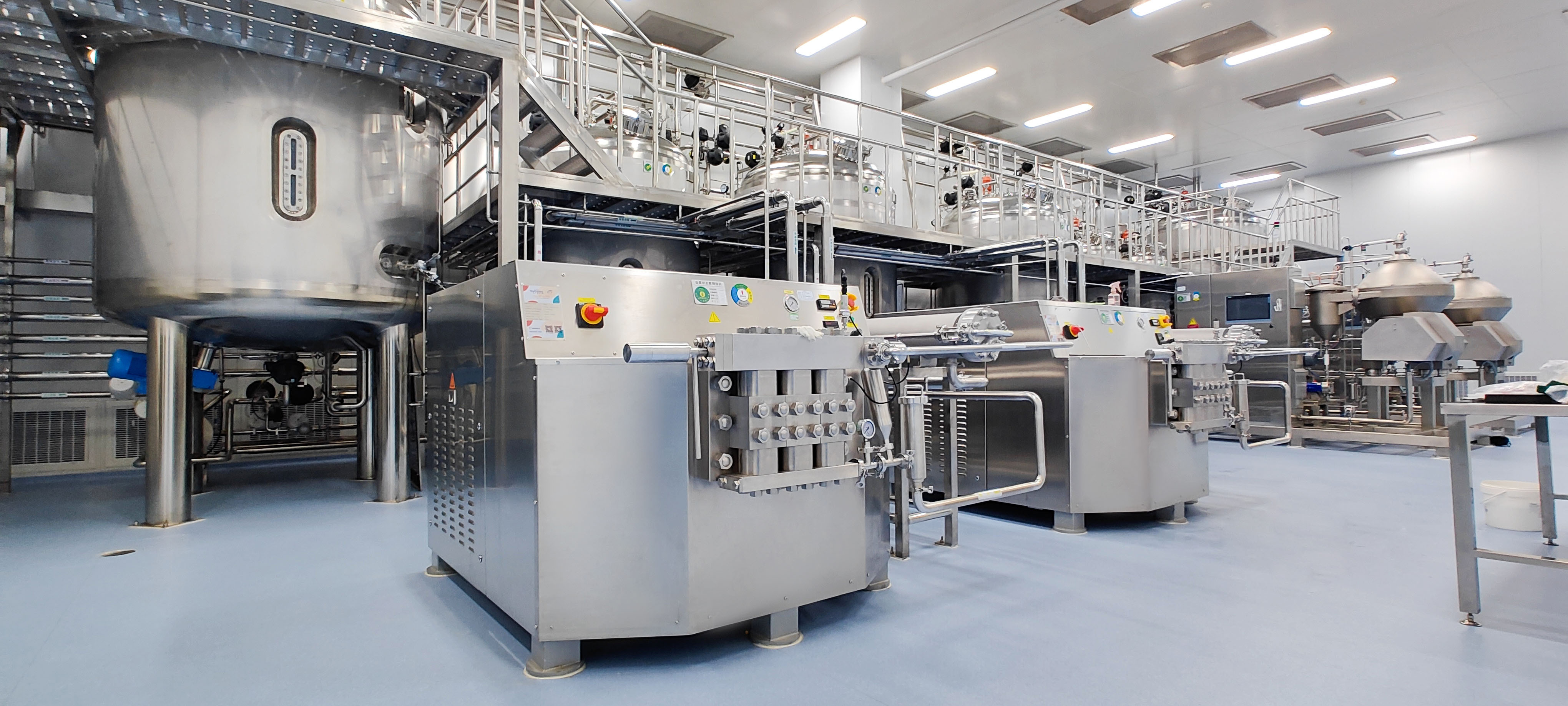
From "stuck neck" to "domestic light": How do ATS high-pressure homogenizer and micro-jet break the import monopoly?
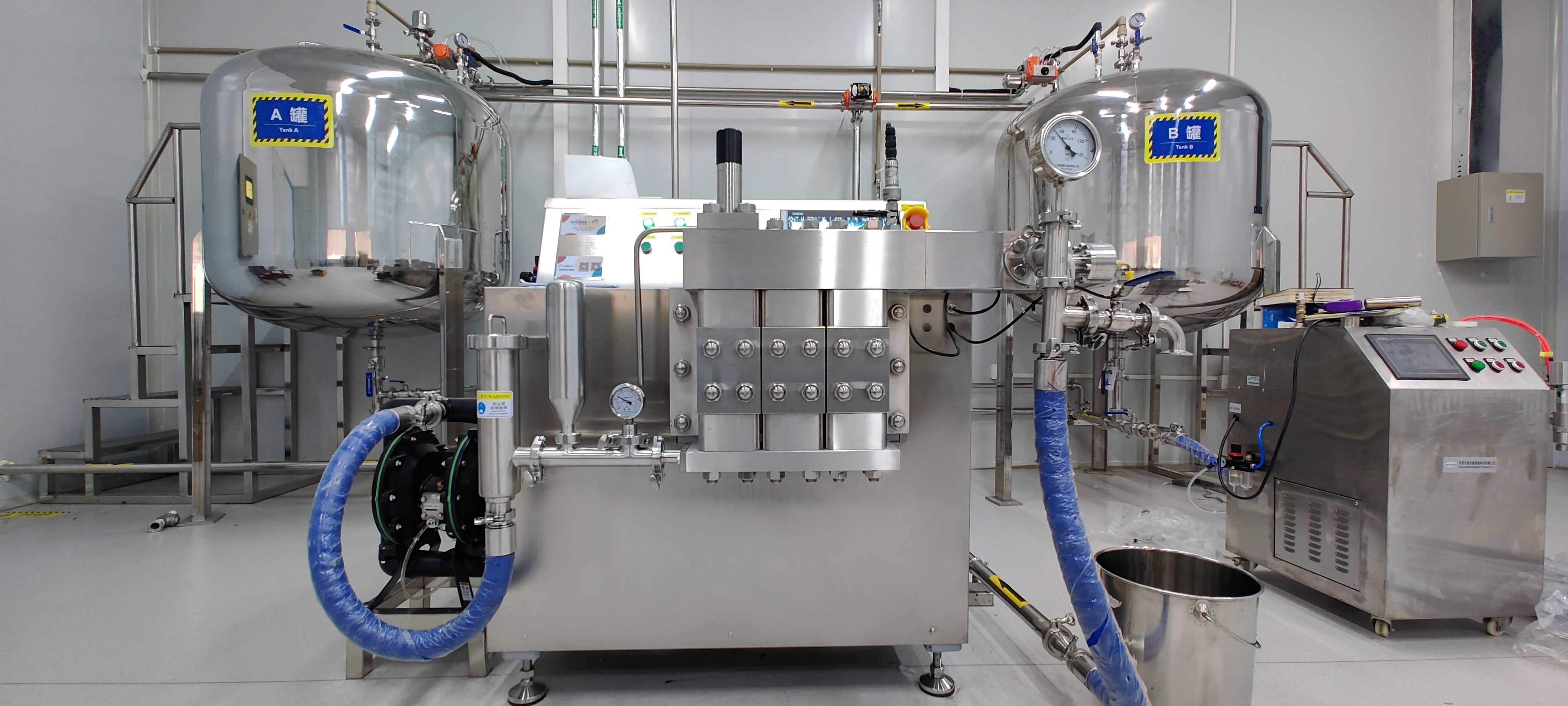
High-pressure homogenizer selection guide: from laboratory to industrialization, one article explains the core points
Recommended Products
