

 Gold Member
 Business License
High-pressure homogenizer selection guide: from laboratory to industrialization, one article explains the core points
In the application of micro-nano equipment, the selection of high-pressure homogenizer directly determines product quality, production efficiency and long-term cost - whether it is laboratory research and development, pilot test verification, or industrial mass production, the core reason why most companies fail is because they fail to understand the four core matching logics of "material characteristics, process goals, equipment parameters, and industry compliance."
The core of the high-pressure homogenizer is "adaptation" rather than "the higher the parameters, the better". This article uses a third-party perspective and combines thousands of actual industry cases to dismantle the entire selection process to help you avoid misunderstandings, accurately lock the model, spend less money, and avoid detours.
1. The first step in model selection: first clarify the three core premises (don’t choose a machine if you don’t understand it)
1. Material characteristics: determine whether the equipment can be used or not
Material is the basis for model selection and directly determines the material, structure and power configuration of the equipment. Ignoring the material characteristics, no matter how high-quality the equipment is, it will not be able to function:
Viscosity range: Low viscosity (<1000cP,如饮料、注射液)、中粘度(1000-5000cP,如酱料、膏霜)、高粘度(>5000cP, such as battery slurry, polymer liquid) - High-viscosity materials require stronger feeding power and a more wear-resistant valve group. Ordinary models are prone to material blockage and unstable pressure.
heat sensitivity: Proteins, probiotics, liposomes, active drugs, etc. are easily inactivated and degraded at high temperatures. They must be equipped with a precise temperature control system (valve cavity cooling, full temperature control) to control the temperature rise to ≤5°C to avoid material scrapping.
corrosive/abrasive: For materials containing acid, alkali, salt, and hard particles (ceramic powder, carbon nanotubes), contact parts must be made of 316L stainless steel, Hastelloy, ceramic, and diamond coatings. Ordinary stainless steel is prone to corrosion and wears quickly, which greatly shortens the life of the equipment.
Processing volume scale: Laboratory research and development (single 10mL-5L) needs to save materials and be easy to clean; pilot test verification (5-50L/h) needs to take into account both stability and amplification; industrial mass production (above 50L/h) needs to support 24-hour continuous operation and CIP/SIP online cleaning and sterilization.
2. Process objectives: determine whether the equipment’s “effects meet the standard”
Only by clarifying the core effects that production wants to achieve can we reversely match equipment parameters and avoid "over-configuration" or "under-configuration":
Particle size requirements: Conventional emulsification/dispersion (1-10μm), 600-1000bar is sufficient; nano-level (100-1000nm, such as nanoemulsion, liposome), requires 1000-1500bar model; ultra-fine nano/hard agglomeration crushing (<100nm),需1500bar以上超高压机型。
stability requirements: Food, beverages, injections, etc. need to prevent stratification, precipitation, and extend the shelf life. The equipment must meet the requirements of stable pressure, uniform shearing, and no dead ends to avoid uneven mixing of materials.
Wall breaking/extraction efficiency: Cell disruption (E. coli, yeast) and extraction of active substances require a wall breaking rate of ≥99%. It needs to be equipped with a high-shear valve group + temperature control protection to take into account both efficiency and material activity.
3. Industry compliance: determine whether the equipment can be put into production
Different industries have clear compliance requirements, which need to be confirmed in advance when selecting models to avoid equipment failing to pass the review and be put into production:
Pharmaceutical/Biopharmaceutical: It must comply with GMP standards, have CIP online cleaning and SIP online sterilization functions, and the parts in contact with materials are made of 316L sanitary grade material, without dead corners for polishing, and support parameter verification and data traceability.
Food/Dairy: It must comply with 3-A hygiene standards and use food-grade contact materials. The equipment is easy to clean and has no sanitary dead corners to prevent material contamination.
Chemical Industry/New Energy: Focus on explosion-proof, wear-resistant, corrosion-resistant, and continuous operation stability. Some scenarios require explosion-proof motors and anti-static designs to adapt to harsh production environments.
2. In-depth dismantling of core parameters: these 6 key points should be considered when choosing a machine
1. Work pressure: higher is not better, matching is the right one
Misunderstanding: Blind pursuit of ultra-high pressure will not only lead to material degradation and excessive temperature rise, but will also accelerate valve group wear, increase failure rates, and increase equipment procurement and maintenance costs.
Accurate matching: choose 600-1000bar for basic dispersion (beverages, emulsions); choose 1000-1500bar for nano-preparations and difficult-to-disperse materials; choose 1500-2000bar ultra-high pressure models for super-hard agglomeration, new materials, and liposomes.
2. Flow/processing capacity: fine in small trials, stable in pilot trials, and large in mass production
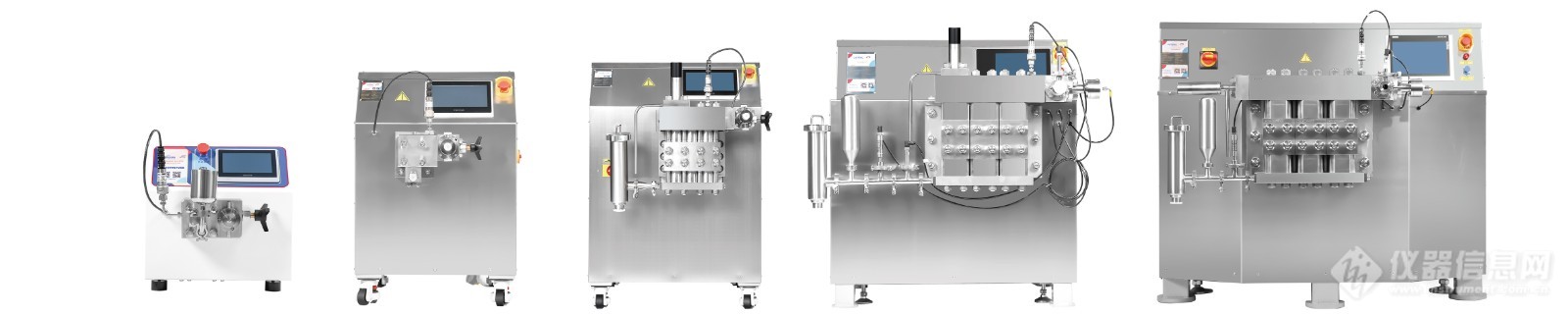
Laboratory model: 0.5-15L/h, minimum processing volume ≤15mL, zero residue, sample saving, suitable for research and development of precious samples.
Pilot model: 15-50L/h, the process can be scaled up smoothly, and the small-scale test parameters can be directly copied to mass production without repeated process verification.
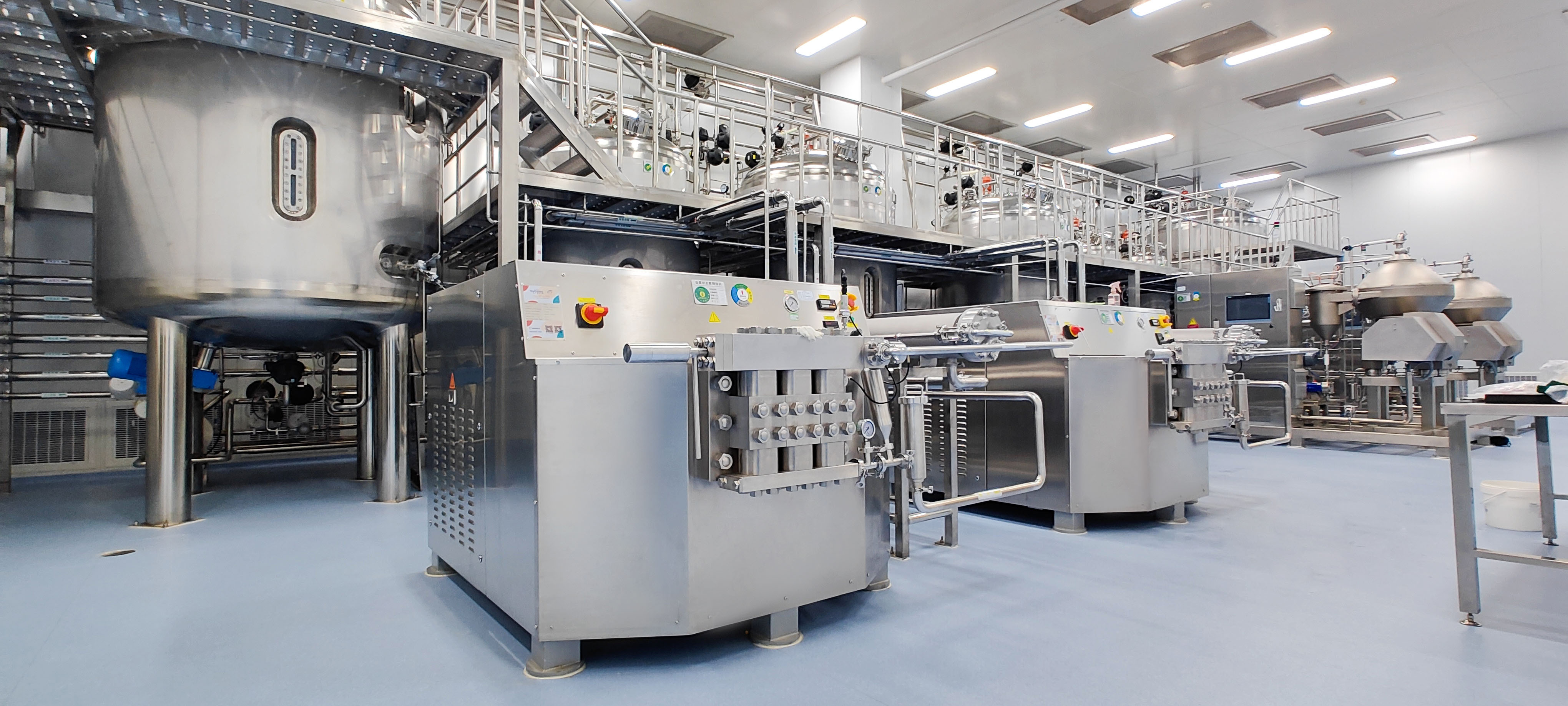
Mass production model: 50-1000L/h+, supports 24h continuous operation, frequency conversion control, low energy consumption, easy maintenance, suitable for mass production.
Key: The flow rate is inversely proportional to the pressure. The higher the pressure, the smaller the flow rate of the same machine model. The selection needs to balance the production capacity and material fineness.
3. Homogenizing valve group: the "heart" of the equipment, determining the effect and lifespan
The valve group is the core component of the high-pressure homogenizer, which directly affects the material processing effect and the service life of the equipment. The selection needs to be based on the material characteristics:
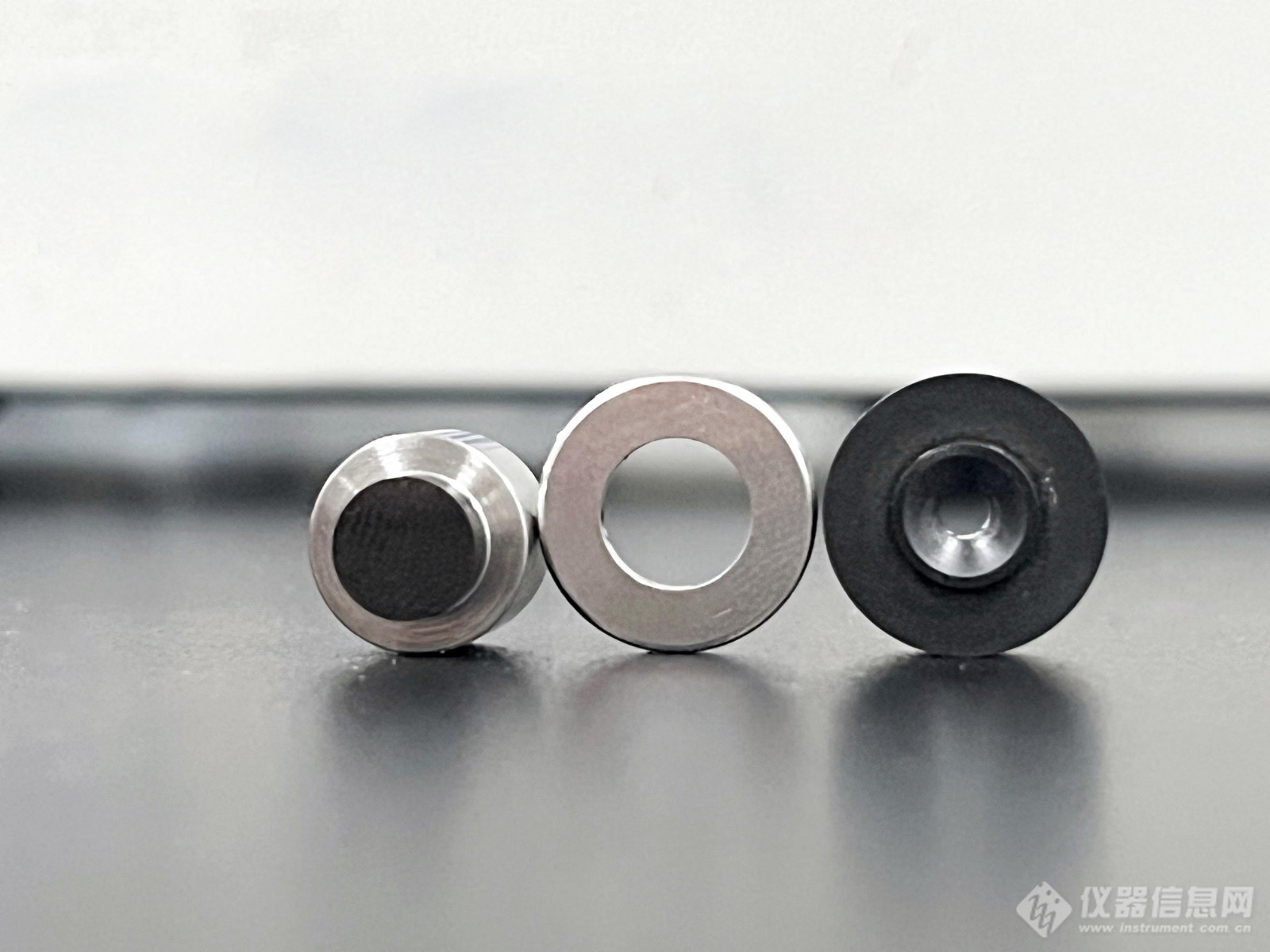
Structure type: The single-stage valve is suitable for basic dispersion and emulsification with low cost; the two-stage valve (one-stage coarse crushing, two-stage refinement) has more uniform particle size and stronger stability, and is the first choice for the pharmaceutical and food industries; the micro-jet/thru-jet valve is suitable for ultra-high pressure and nano-level processing, with extremely strong shearing force, and is suitable for the dispersion of liposomes, nanoparticles, and carbon tubes.
Valve group material(Wear resistance sorting): Diamond coating > Zirconia ceramic > Tungsten steel > Carbide > 316L stainless steel. For abrasive materials (ceramic slurry, carbon powder), ceramic/diamond valves must be selected, and the service life can be increased by 3-5 times.
4. Materials and hygienic design: the bottom line of compliance and safety
Material contact parts: The pharmaceutical/food industry must use 316L stainless steel, the inner wall Ra≤0.4μm mirror polishing, no dead corners, no leakage, easy to clean, and avoid material contamination.
Non-contact parts: Made of 304 stainless steel/carbon steel, which is rust-proof and durable, reducing the overall cost of the equipment.
Aseptic design: The pharmaceutical industry must have CIP/SIP and quick-installation interfaces, which can discharge waste thoroughly and leave no residue; the food industry must be easy to disassemble and have no sanitary dead corners to facilitate daily cleaning and disinfection.
5. Temperature control system: the “lifeline” of heat-sensitive materials
Basic cooling: jacket water cooling, suitable for conventional materials, with temperature rise controlled at 10-15°C.
Precise temperature control: independent cooling of the valve cavity + full temperature control, adjustable from -5°C to 100°C, temperature rise ≤5°C, effectively protects proteins and active substances from inactivation, and is suitable for handling heat-sensitive materials.
No risk of temperature control: If heat-sensitive materials are not equipped with precise temperature control, it will directly lead to material degradation, loss of activity, and product scrapping.
6. Operation and maintenance: determine long-term cost of use
The operation convenience and maintenance cost of the equipment directly affect the long-term production efficiency. When selecting the equipment, you need to focus on:
Control: The preferred 7-inch touch screen supports parameter storage, pressure curve display, and data export, meets GMP audit requirements, and is simple to operate and easy to use.
Maintenance: The equipment needs to be easy to disassemble and clean, and wearing parts (valve groups, sealing rings) must be supplied promptly and replaced easily; reliable manufacturers must provide lifelong maintenance and technical training to reduce the difficulty of later maintenance.
Stability: The equipment must be able to operate continuously without failure, with small pressure fluctuations (≤±2%), low noise, and low energy consumption to reduce production shutdown losses.
3. Selection plan by industry: direct comparison and selection (actual summary)
1. Biomedicine/Pharmaceutical (most stringent compliance)
Core requirements: GMP compliance, sterility, precise temperature control, nanoscale, verifiable, zero residue.
Recommended models: For R&D, choose the laboratory ultra-high pressure model (1000-1800bar), with a minimum processing capacity of 10mL, with CIP/SIP, and precise temperature control functions; for pilot testing/mass production, choose a sanitary-grade mass production model with a two-stage valve, 316L material, SIP/CIP, and data traceability.
Typical applications: liposomes, nanoparticles, injections, cell disruption, microemulsions, protein preparations.
2. Food/dairy/beverage (taste + stability)
Core requirements: hygienic grade, anti-delamination, improved taste, easy to clean, and cost-effective.
Recommended model: 600-1200bar medium and high pressure model, two-stage valve, 316L material, quick installation structure, supports continuous operation, and adapts to the rhythm of food production.
Typical applications: yogurt, plant protein drinks, sauces, flavors, dairy products (fat globules are refined to<1μm,防分层、口感更顺滑)。
3. Cosmetics/daily chemicals (delicate + stable)
Core requirements: Nano-scale, cream-adaptable, strong stability, and delicate appearance.
Recommended model: 800-1500bar model, precise temperature control, medium flow rate, wear-resistant valve group to ensure product fineness and stability.
Typical applications: Essence, facial cream, nanoemulsion (particles<500nm,防搓泥、更易吸收)。
4. Chemical industry/new materials/new energy (wear-resistant + stable)
Core requirements: wear resistance, corrosion resistance, explosion-proof, high dispersion, continuous production.
Recommended models: 1000-2000bar ultra-high pressure model, ceramic/diamond valve, explosion-proof configuration, strong feeding system, suitable for harsh production environments.
Typical applications: battery slurry, carbon nanotube dispersion, nanopigment, ceramic slurry, polymer emulsification.
4. The ultimate 5-step self-examination for model selection (must read before placing an order)
✅ Clarify the material: sort out the viscosity, heat sensitivity, corrosivity, and processing capacity of the material to determine the core adaptation requirements.
✅ Target goals: clarify particle size, stability, efficiency, and compliance requirements to avoid over-configuration.
✅ Matching parameters: According to the material and process goals, core parameters such as pressure, flow, valve group, material, and temperature control are matched.
✅ Verify adaptation: conduct experiments with actual materials to test the processing effect, stability, and temperature rise to confirm that the equipment meets the requirements.
✅ Confirm after-sales service: Verify the manufacturer’s warranty period, supply of wearing parts, technical training, and maintenance response speed to reduce later risks.
5. Selection tips: Choose the right manufacturer and avoid detours
The core of high-pressure homogenizer selection is "adaptation process" rather than simply comparing parameters. High-quality manufacturers can not only provide models that meet needs, but also provide full-process process support to help companies achieve a smooth transition from research and development to mass production.
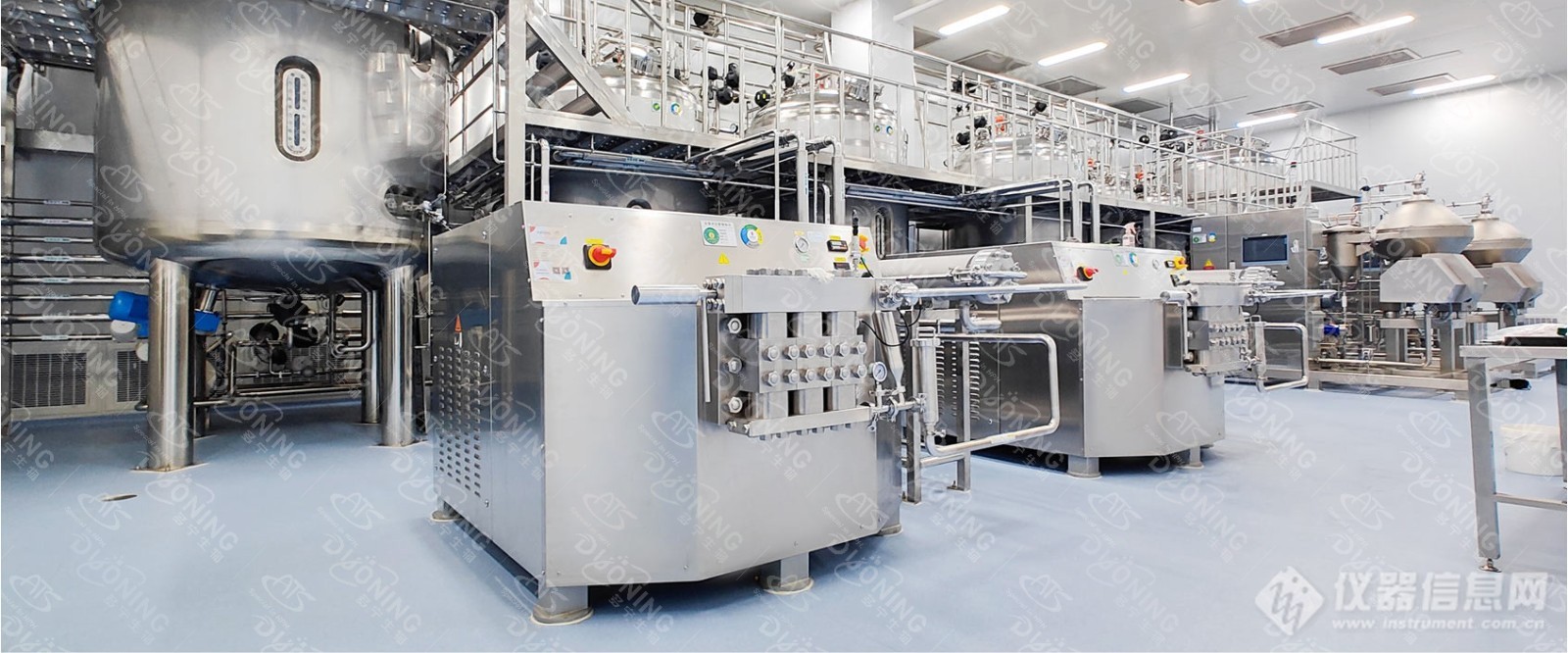
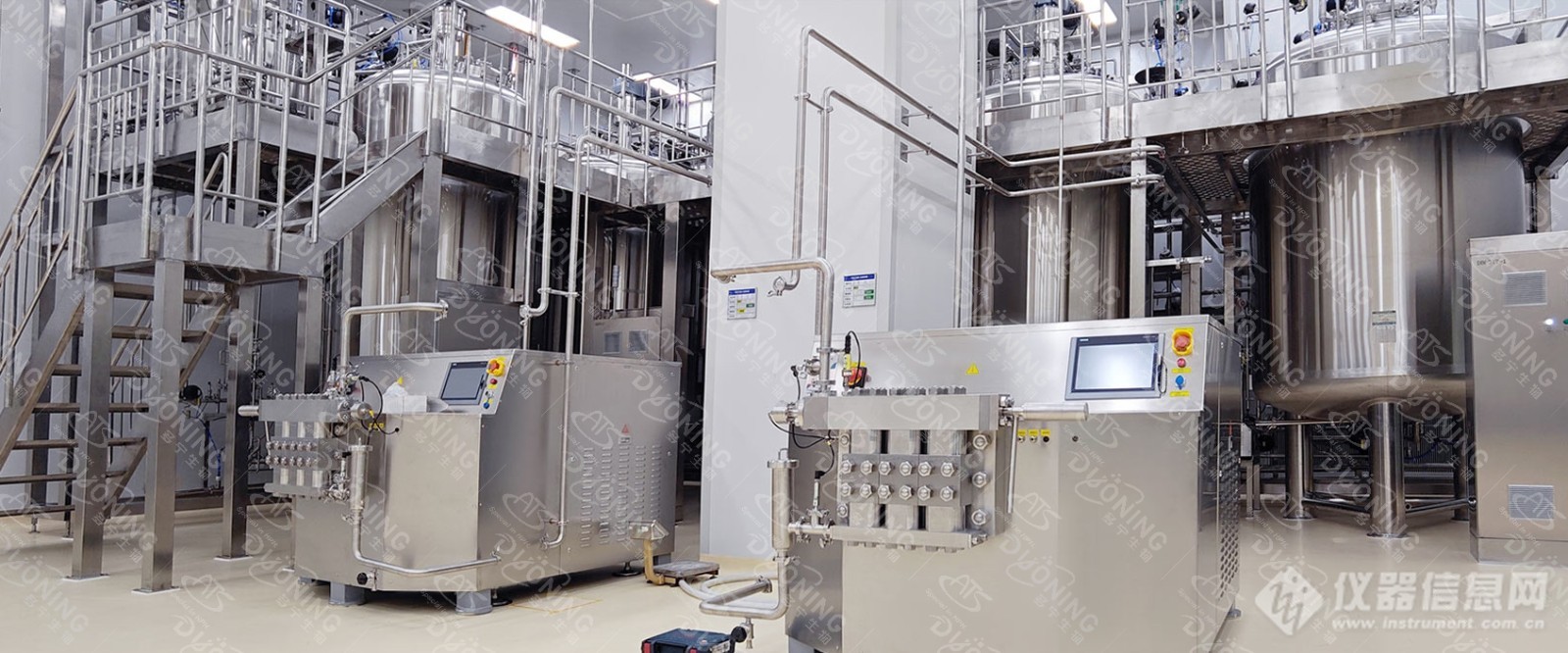
As a professional manufacturer that has been deeply involved in the field of micro-nano equipment for more than 20 years, ATS covers a full range of high-pressure homogenizers from laboratories to pilots to industrialization. It can provide customized solutions for different industries and different materials. Its models have the advantages of process amplification, stable valve groups, accurate temperature control, and worry-free compliance. It also provides services such as free sample testing, process evaluation, and lifelong maintenance. It can accurately match various production needs, help companies avoid selection misunderstandings, and reduce production costs.
View More from This Booth

High-pressure homogenizer: the core equipment to break through the bottleneck of nano-color paste dispersion and stability

From extraction to efficient delivery: How high-pressure homogenizer breaks the bottleneck of curcumin bioavailability
From "stuck neck" to "domestic light": How do ATS high-pressure homogenizer and micro-jet break the import monopoly?

High-pressure homogenizer efficiently disperses silicon-carbon slurry to create high-performance silicon-carbon anode materials
Recommended Products
