

 Gold Member
 Business License
Is the glass fiber added 30% or 25%? This curve is more honest than the vendor’s claims
The principle of TGA is almost simple: put a few milligrams of sample into the furnace, program the temperature, and use a microgram-level precision balance to record the change in mass with temperature in real time. Every time a substance "lightens" or "gets heavier" when heated - dehydration, volatilization, decomposition, oxidation, combustion - it leaves a step on the curve.
The area of the step corresponds to the weight loss, and the temperature corresponds to the temperature at which the event occurred. This is where it is better than the burning method: the muffle furnace only tells you "how much is left at the end", while TGA tells you "at what temperature and how much is lost at each step".
A curve cuts out three stories
Take a piece of glass fiber reinforced nylon as an example, rising from room temperature to 1000°C:
Room temperature~150℃: The first small step is moisture and low molecular volatiles. The moisture content is directly related to whether it needs to be dried before injection molding and whether the product will have silver streaks;
300~500℃: The main polymer decomposes in an inert atmosphere, the weight loss is the resin content, and the decomposition starting temperature is a hard indicator of thermal stability;
600℃ residual: Switch the atmosphere from nitrogen to air, and the carbonized residue will be burned out. The remaining inorganic substances - glass fiber, fillers, and ash - are the ironclad evidence that the formula is "insufficient".
The three sections are read independently. For one sample, the moisture, resin content, and filler content are all read out at once. The supplier says 30% and the curve says 25.3%. No negotiation skills are needed at this time.
Why atmosphere control is the soul of TGA
For the same batch of materials, the curves measured in nitrogen and in air are completely different: what is seen under nitrogen is the intrinsic thermal decomposition behavior of the material, and what is seen under air is thermal oxygen aging. The model with automatic switching between two atmospheres can perform inert decomposition first and then cut the air to burn the residue in one experiment without opening the furnace door for sampling.
This is crucial to the credibility of the data - if the furnace is opened midway, the sample will oxidize and absorb moisture, and all previous measurements will be invalid.
Three hard indicators on the instrument
For quantitative analysis, the accuracy of the balance is the bottom line: TG accuracy is 10μg, measuring range is 1mg~2g, and only a few milligrams of sample can be discussed as a percentage. In terms of temperature, room temperature ~ 1150℃, temperature rise 0.1 ~ 80℃/min, temperature control accuracy ±0.1℃, covering most scenarios from moisture testing to ceramic sintering. In addition, the balance is afraid of heat and shock, and the thermal isolation design between the furnace body and the weighing unit (such as a water bath thermostatic device) determines whether the baseline drifts during long-term continuous measurements.
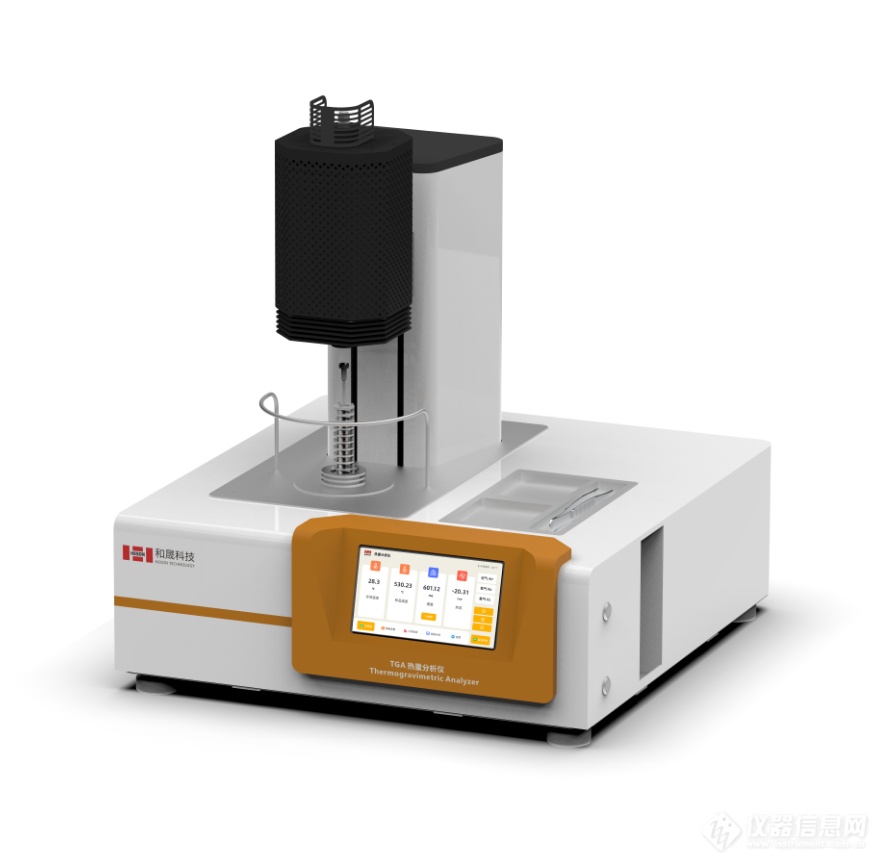
To put it bluntly, this set of abilities means that as long as the material becomes heavier when heated, it can weigh a number. Therefore, its customer list spans a huge range - a petrochemical research institute tests nylon, a steel plant tests the volatilization of lead and arsenic in hazardous waste sintering, a tobacco material factory tests heat-not-burn filter rods, Juhua studies the critical cracking thickness of PTFE coatings, and three Nature Communications research groups use it for characterization.
A closing sentence
The formula statement is written for people to read, and the thermogravimetric curve is weighed for scales to read. When "whether the content is enough" or "whether it is heat-resistant" becomes a dispute, don't argue, just run a curve.
View More from This Booth
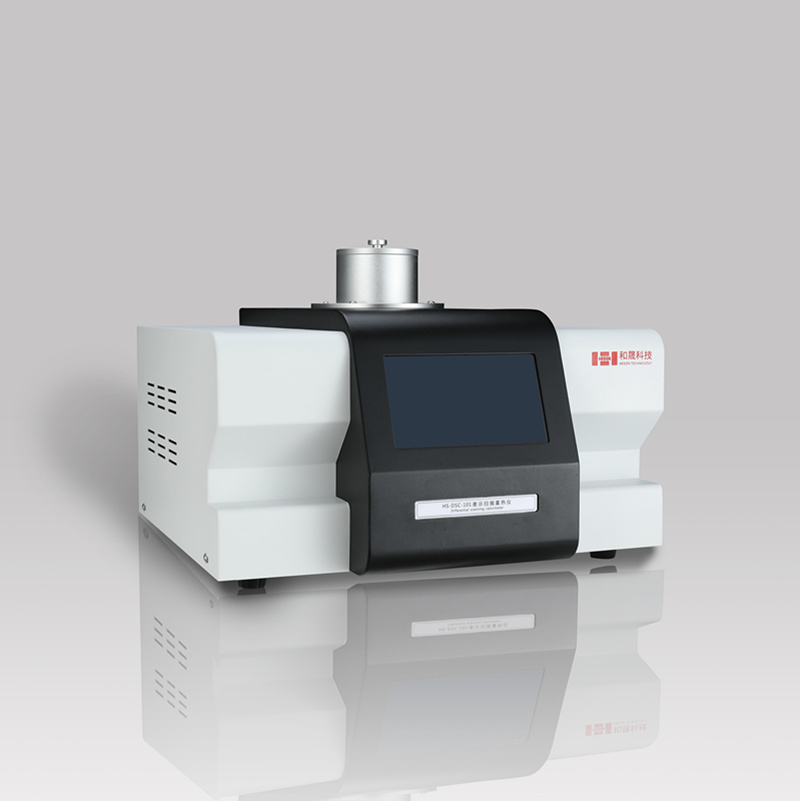
A cable’s 30-year lifespan, hidden in 8 minutes
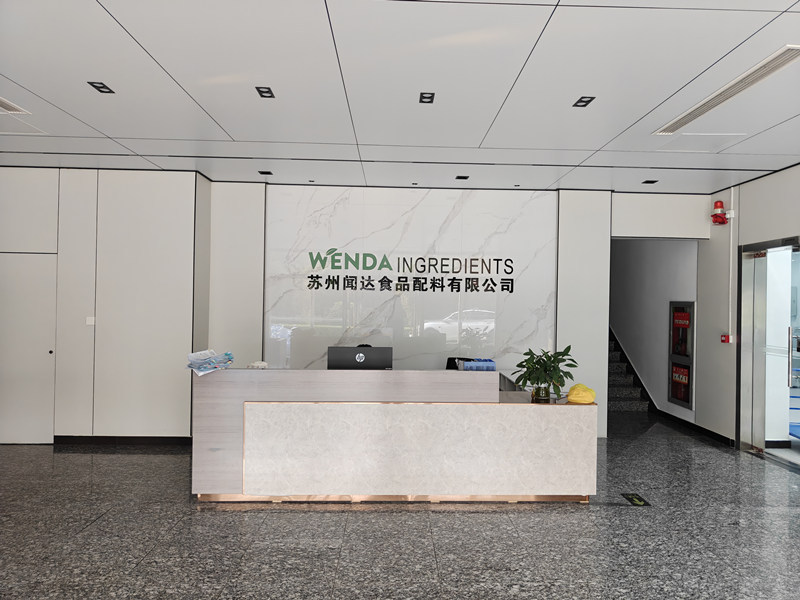
Suzhou Wenda Food Ingredients Co., Ltd. chooses our differential scanning calorimeter
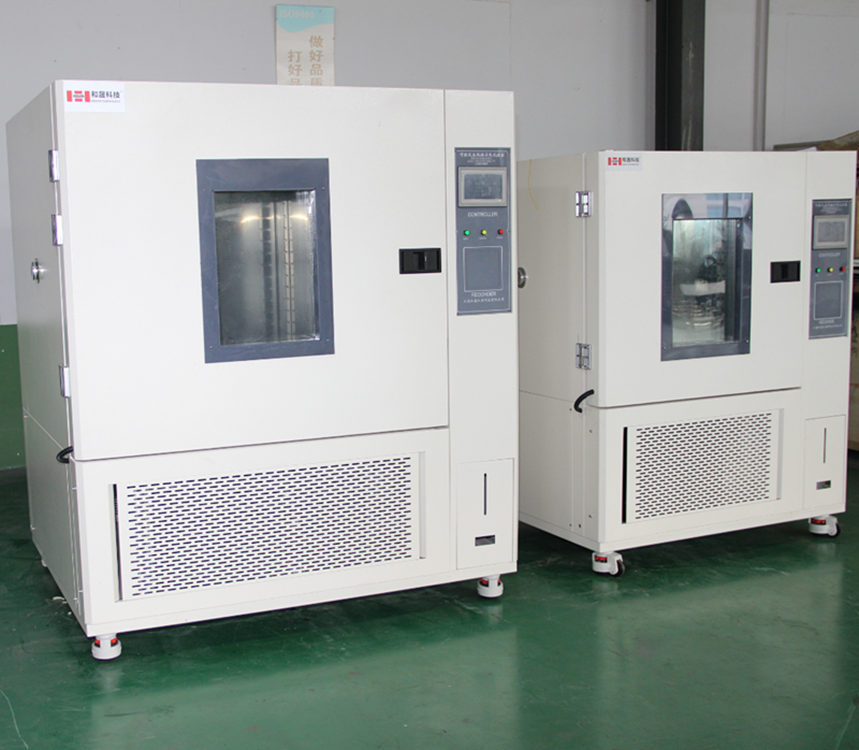
In a constant temperature and humidity chamber, the real difficulty is not the temperature
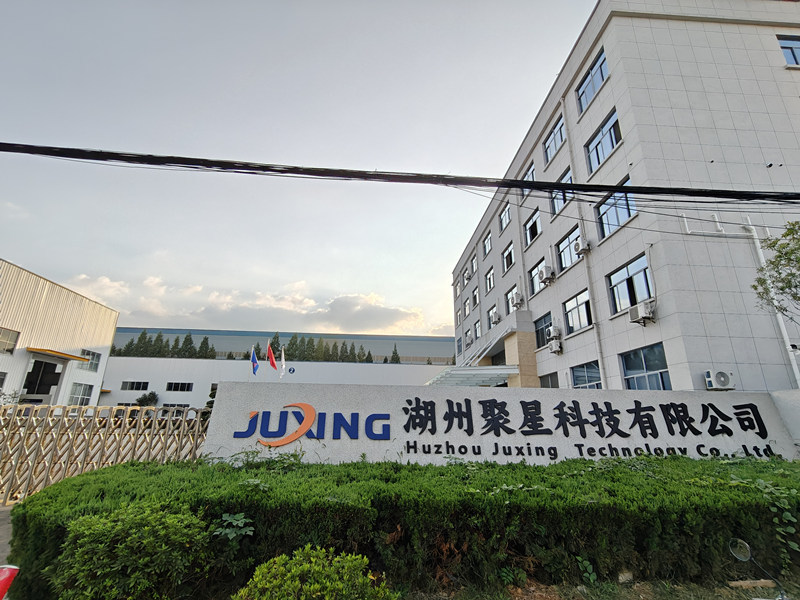
Huzhou Juxing Technology chooses our HS-STA-002 synchronous thermal analyzer
Recommended Products
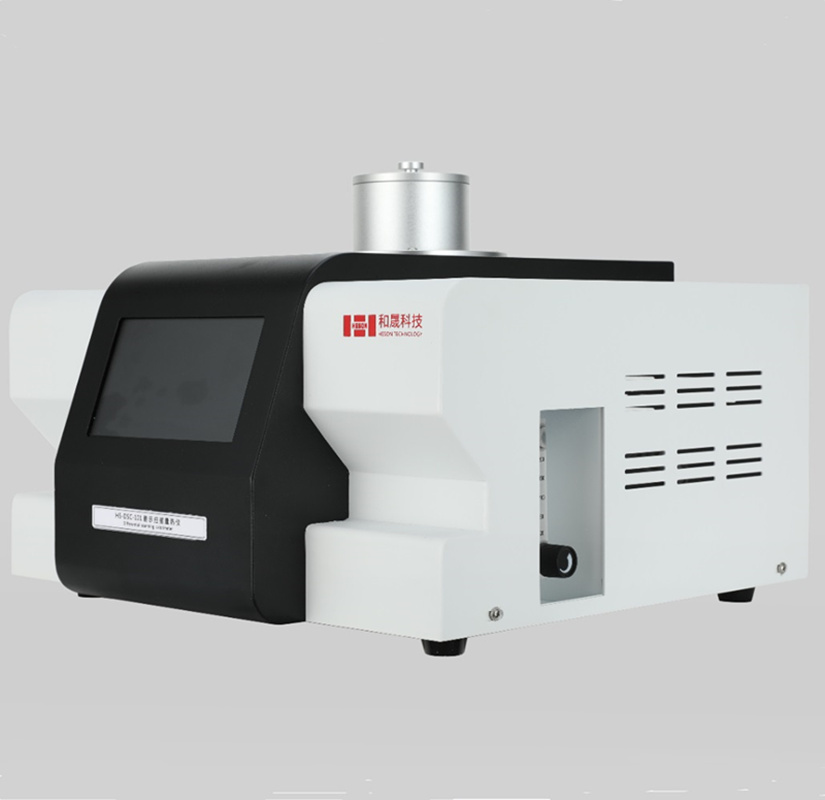
Hesheng HS-DSC-101 Differential Scanning Calorimeter
US$ 6993.00-13986.00
Model:HS-DSC-101 (差示扫描量热仪)