

 Gold Member
 Business License
Five Touch Imagers are stationed in the Guangdong-Hong Kong-Macao Greater Bay Area Brain Science and Brain-inspired Research Center: allowing WB results to be seen faster
Case time: August 20, 2026
Application scenarios: Western Blot Chemiluminescence Imaging
Deploy device: 5 Touch Imager
Deployment location: Guangdong-Hong Kong-Macao Greater Bay Area Brain Science and Brain-inspired Research Center
Case summary
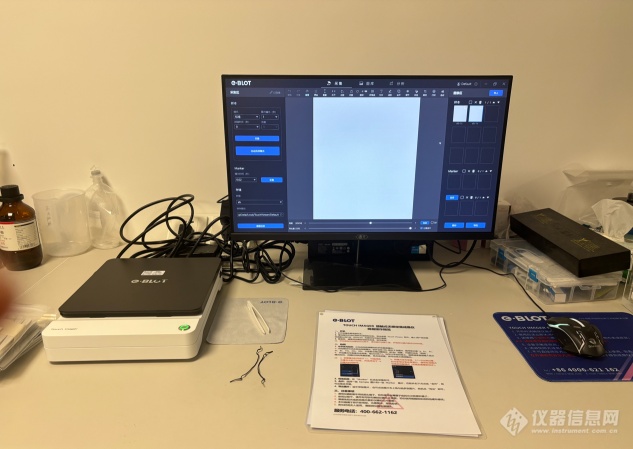
On August 20, 2026, Wutai Touch Imager has been installed and deployed at the Guangdong-Hong Kong-Macao Greater Bay Area Brain Science and Brain-inspired Research Center.
This installation is not just the addition of five pieces of equipment to the laboratory. For researchers, it responds to a more specific problem: how to reduce the time waiting for WB imaging results and see weak bands that are easily overlooked under shorter exposure conditions.
From equipment installation, software debugging to operating specification settings, five Touch Imager has entered the actual scientific research environment to help researchers obtain and analyze Western images more efficiently. Blot experimental results provide support.
After the WB experiment is over, how long do researchers have to wait?
For frequent Western For researchers who perform Blot experiments, completing the development substrate incubation does not mean they will get the answer right away.
When the abundance of the target protein is low and the band signal is weak, researchers may need to extend the exposure time or repeatedly adjust the imaging parameters to determine whether the target band exists. What is waiting is not just an image acquisition, but also subsequent data analysis and next experimental decisions.
In scientific research platforms that undertake multiple research tasks, these waits dispersed in each experiment will continue to accumulate. What scientific researchers really need is to obtain experimental results faster while ensuring that the images have judgment value.
Why deploy five Touch devices this time? Imager?
This project completed five Touch devices at one time Imager deployment, not single device demonstration.
On-site records show that the equipment has been completed with the experimental bench in place, software and hardware connections, system startup and operating instructions configuration. The simultaneous deployment of multiple devices is expected to reduce the waiting that may occur when scientific researchers use a single imaging device intensively, and provide more flexible WB imaging support for different research tasks.
For users, the number of devices is not the end goal. The real value is that when the experimenter needs to see the results, the imaging link can respond more promptly, instead of having to wait for the completed experiment.
Touch How does Imager help faint bands render faster?
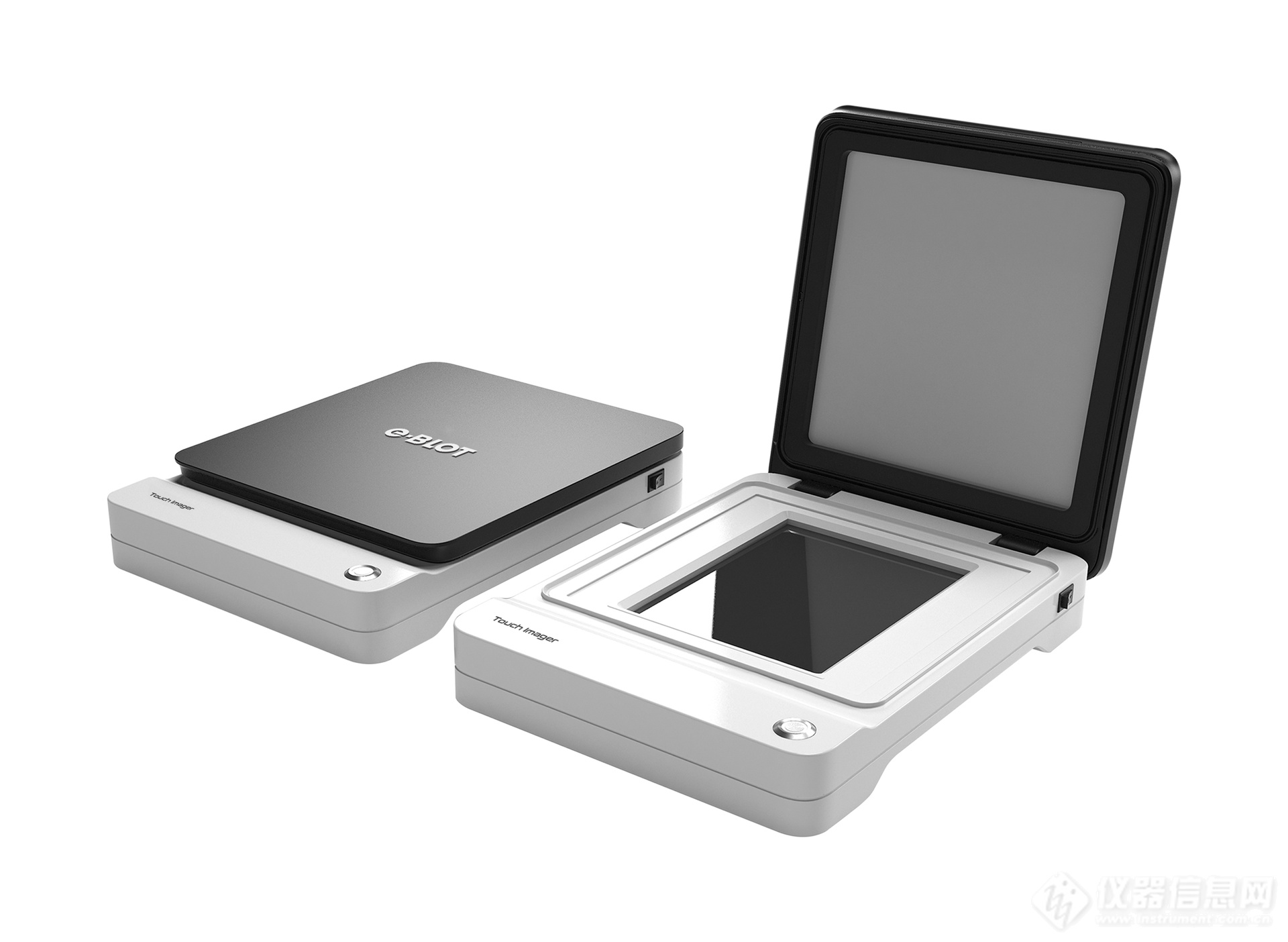
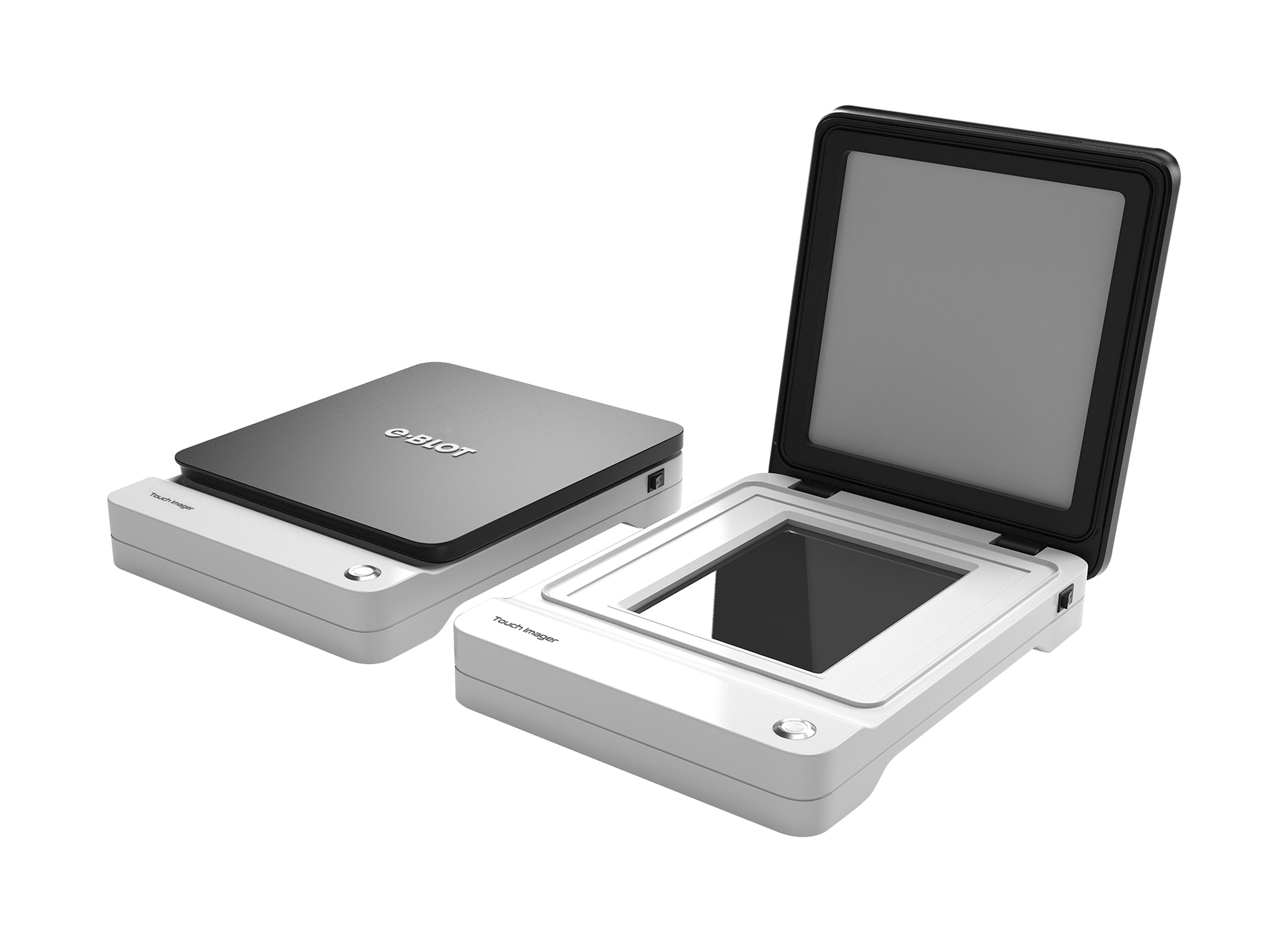
According to e-BLOT public technical information, Touch Imager uses a contact chemiluminescence imaging method to directly bond the protein blot membrane to the photosensitive chip, reducing the loss of light signals that may be caused by traditional lenses and long imaging distances.View Touch Imager official technical information
From a user's perspective, the significance of this imaging method is not just "faster", but also allows the limited chemiluminescence signal to be more fully collected:
• When faced with low-abundance target proteins, weak bands are easier to identify;
• Shortening the waiting time for image acquisition helps to judge results earlier;
• Reduce the operational burden caused by repeatedly trying exposure parameters;
• Provides a larger observation space for samples with both strong and weak signals.
The specific exposure time will still be affected by factors such as target protein abundance, antibody quality, substrate status, sample loading, and experimental operations. Therefore, "short exposure" should not be understood to mean that all samples can obtain the same results within a fixed time, but should be based on the actual samples and original images.
Why is this installation representative?
The Guangdong-Hong Kong-Macao Greater Bay Area Brain Science and Brain-inspired Research Center is a scientific research platform supported by the "Brain Science and Brain-inspired Research" major project of the Guangdong Provincial Key Area R&D Plan. It is led by Southern Medical University and jointly constructed by 18 universities and scientific research institutions in Guangdong, Hong Kong and Macao.
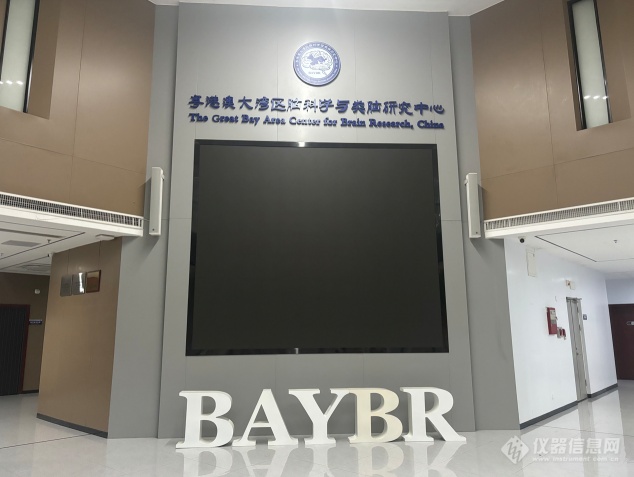
The center focuses on brain cognition, major brain diseases, new technologies and instruments for brain cognitive function, and brain simulation, and conducts basic and applied research.View the official profile of the Guangdong-Hong Kong-Macao Greater Bay Area Brain Science and Brain-inspired Research Center
Verification of protein expression, signaling pathways and molecular mechanisms in brain science research often involves Western Blot and other experimental methods. The experimental techniques used in specific research projects should be based on the public information of each subject.
This time five Touch Imager has been deployed, indicating that the product has entered the real scientific research environment from parameter display. What it can prove is that equipment delivery, installation and scene adaptation have been implemented; product performance should still be continuously verified through standardized experiments, original data and reviewable test conditions.
This is also where an installation case is truly valuable: the endorsement comes not only from the name of the institution, but also from the fact that the equipment has been installed, debugged, and has the conditions to enter the daily work flow of scientific researchers.
From "faster imaging" to "faster judgment"
Reducing the time required for an exposure appears to be just a local change in the experimental process.
But for scientific researchers, getting clear results earlier means that they can judge earlier whether the experiment was successful, whether conditions need to be adjusted, and what should be verified next.
This time five Touch The completion of Imager deployment will provide more efficient WB imaging support for researchers at the Guangdong-Hong Kong-Macao Greater Bay Area Brain Science and Brain-inspired Research Center.
The value brought by the equipment ultimately does not lie in how many parameters it allows researchers to remember, but in allowing them to spend less time waiting for results and more time thinking about research problems.
Touch Imager, wait less and see more.
FAQ
Touch What device is Imager?
Touch Imager is a software for Western Contact imaging equipment for Blot chemiluminescence signal collection. According to e-BLOT official information, it reduces the loss of optical signals during transmission by directly bonding the protein blotting membrane to the photosensitive chip.
Why does weak band detection require higher imaging sensitivity?
Low-abundance target proteins typically produce weak chemiluminescent signals. If signal acquisition capabilities are insufficient, bands may be difficult to identify, requiring researchers to extend exposures or re-optimize experimental conditions.
Does the completion of deployment of five devices mean that the product performance has been verified by customers?
Five installed machines can serve as evidence of real delivery, scenario adaptation and customer selection, but cannot alone replace performance testing. Product performance conclusions should still be combined with original experimental data, test conditions and reviewable comparison plans.
Source of information
2. Touch Imager official technical information
3. On-site installation records and photos on August 20, 2026
Information disclosure
This article is written by Touch Imager R&D and supply company e-BLOT released. Installation information comes from company on-site records, and product working principles and technical information come from e-BLOT public information. The specific imaging effect will be affected by factors such as samples, antibodies, substrates, and experimental conditions, and the actual experimental results should prevail.
publish information
• Written by: e-BLOT Content Team
• Case date: August 20, 2026
• Article publication date: August 25, 2026
View More from This Booth
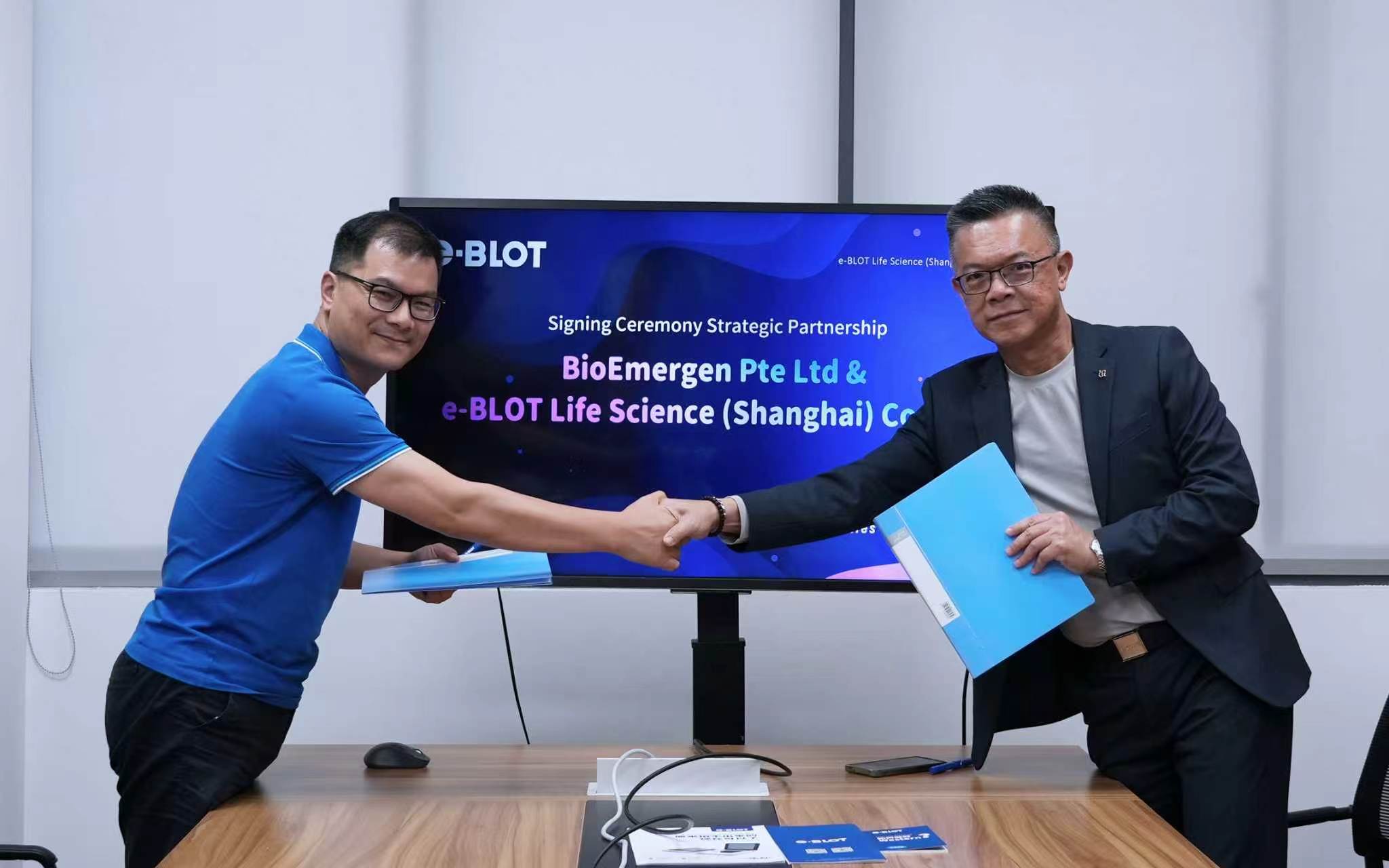
BioEmergen signed a strategic cooperation agreement with BioEmergen Pte Ltd to jointly expand the life sciences market in five Southeast Asian countries
Should I choose fluorescence or chemiluminescence for WB imaging? Principles, Advantages, Disadvantages and Selection Guide
What experimental records should be connected behind a WB picture?
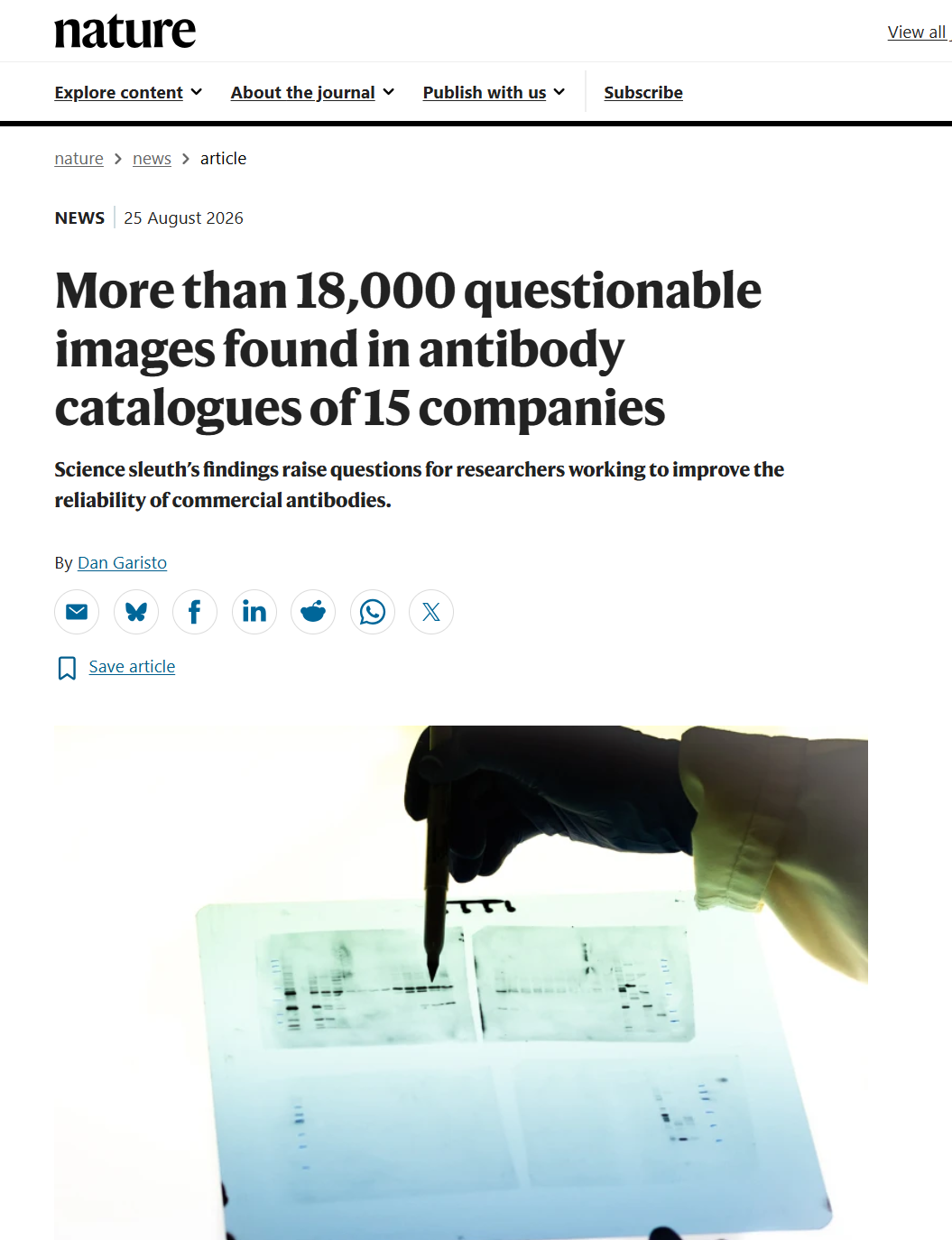
When antibody verification pictures also begin to be questioned: What people who do WB really need to hold on to is the first original picture.
Recommended Products

Touch Imager electronic tablet imager/e-BLOT contact non-destructive quantitative WB imaging system
Negotiable
Model:Touch Imager