

 Gold Member
 Business License
Guoyi Jingyong·Issue 2 | The closed-loop iteration continues to deepen, and the true evaluation data of domestic liquid chromatography provides "centering" for food testing laboratory selection
Guoyi Jingyong·Issue 2 | The closed-loop iteration continues to deepen, and the true evaluation data of domestic liquid chromatography provides "centering" for food testing laboratory selection
On September 16, 2026, the “Guoyi Beijing·Closed-loop Iteration—Promoting Domestic High-end Scientific Instruments” hosted by the Beijing Institute of Food Inspection (Beijing Food Safety Monitoring and Risk Assessment Center)(Huapu Keyi S6000ULTRA ultra-high performance liquid chromatograph)Evaluation promotion and industry promotion"The second training meeting was successfully held in the conference hall on the first floor of No. 17 Fengde East Road, Zhongguancun Yongfeng High-tech Industrial Base, Haidian District, Beijing. This meeting is the second training meeting of the "Guoyi Jingyong" project after the Hangzhou seminar, aiming to interpret standards, share methods, and conduct real evaluations The data release systematically promotes the technological upgrading and market recognition of domestic high-end instruments. Experts, scholars and project team members from food testing and related fields gathered together to conduct in-depth and pragmatic exchanges around the application pain points and iteration directions of domestic liquid chromatographs in practical work.
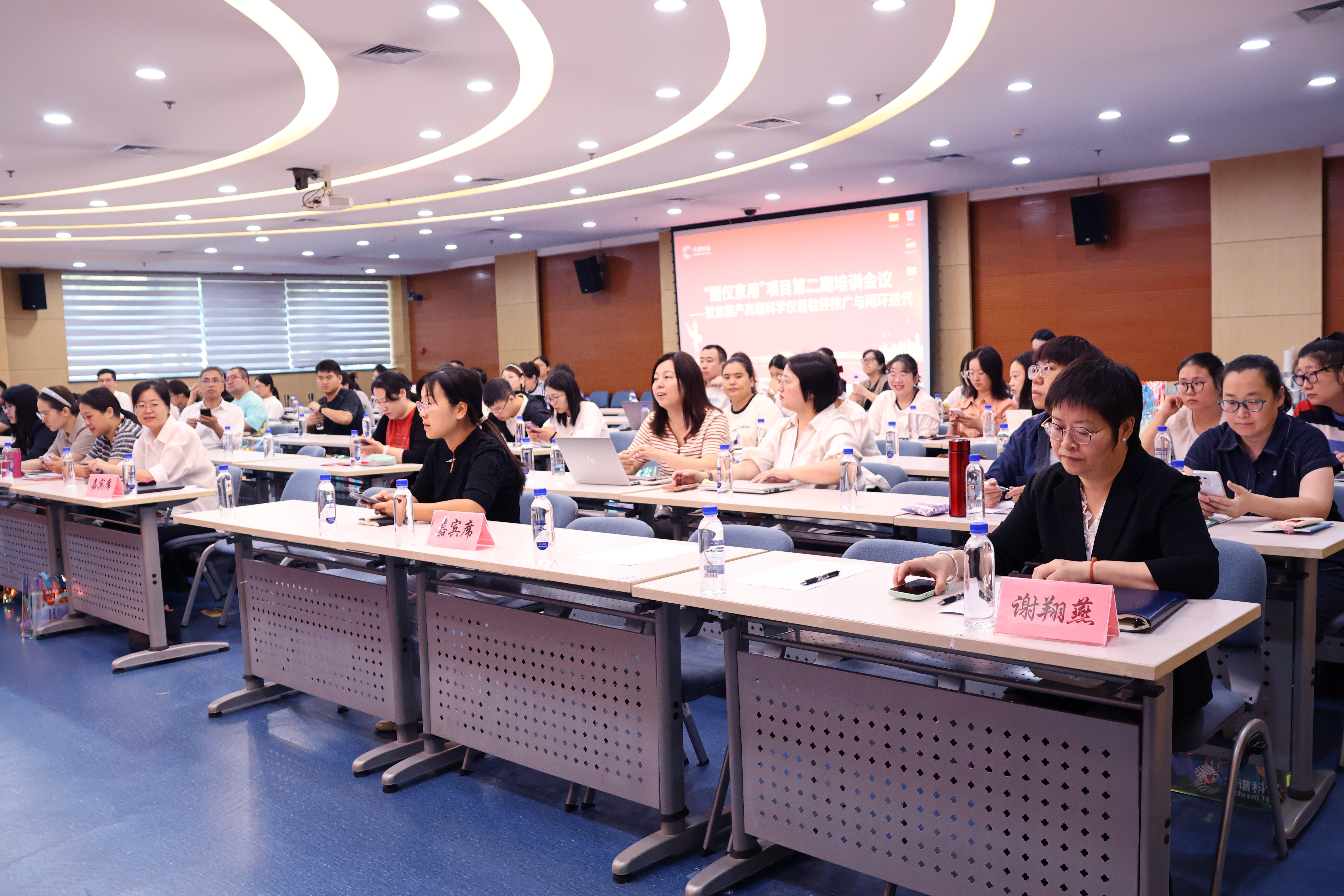
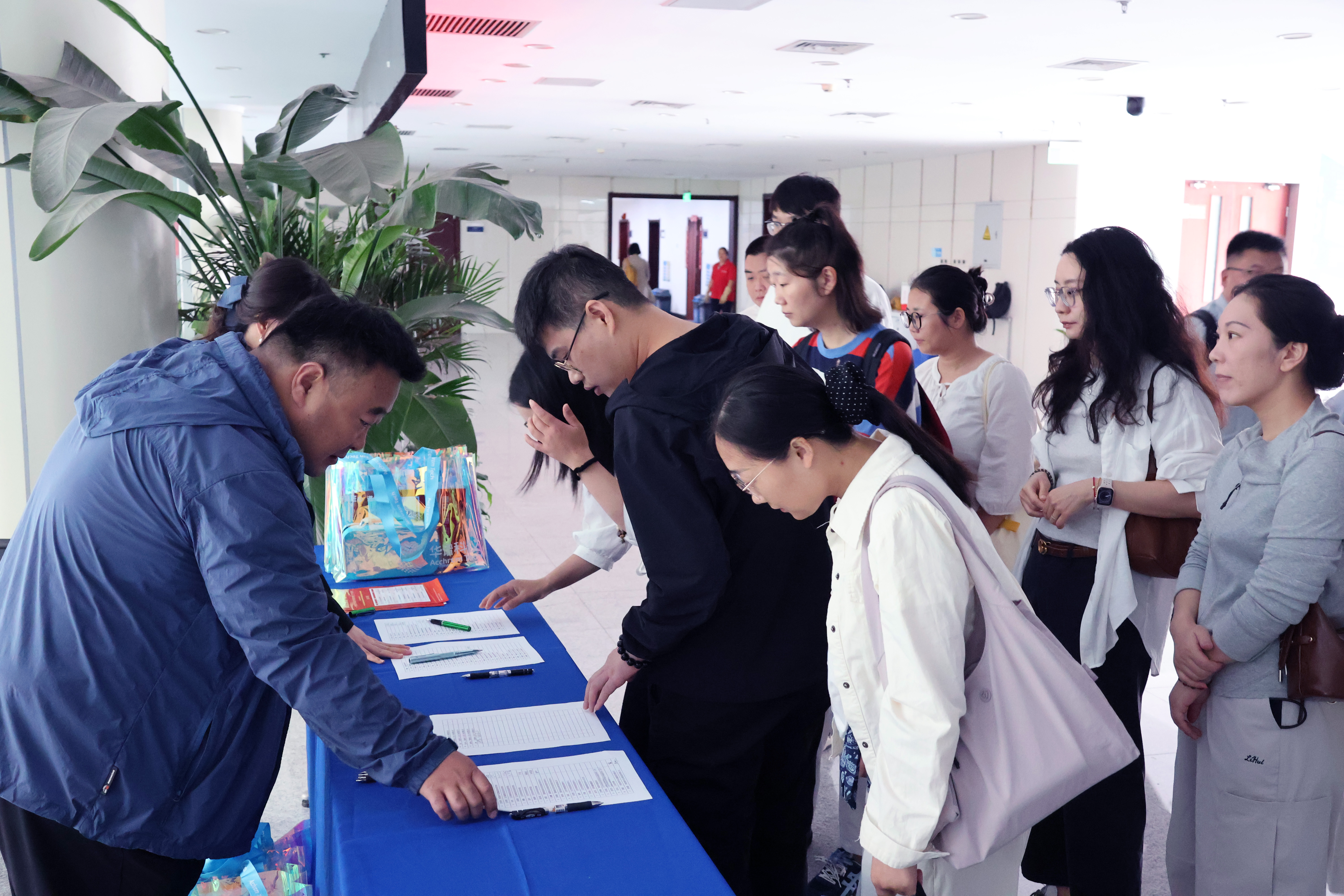
Meeting site
Focus on needs and seek common development
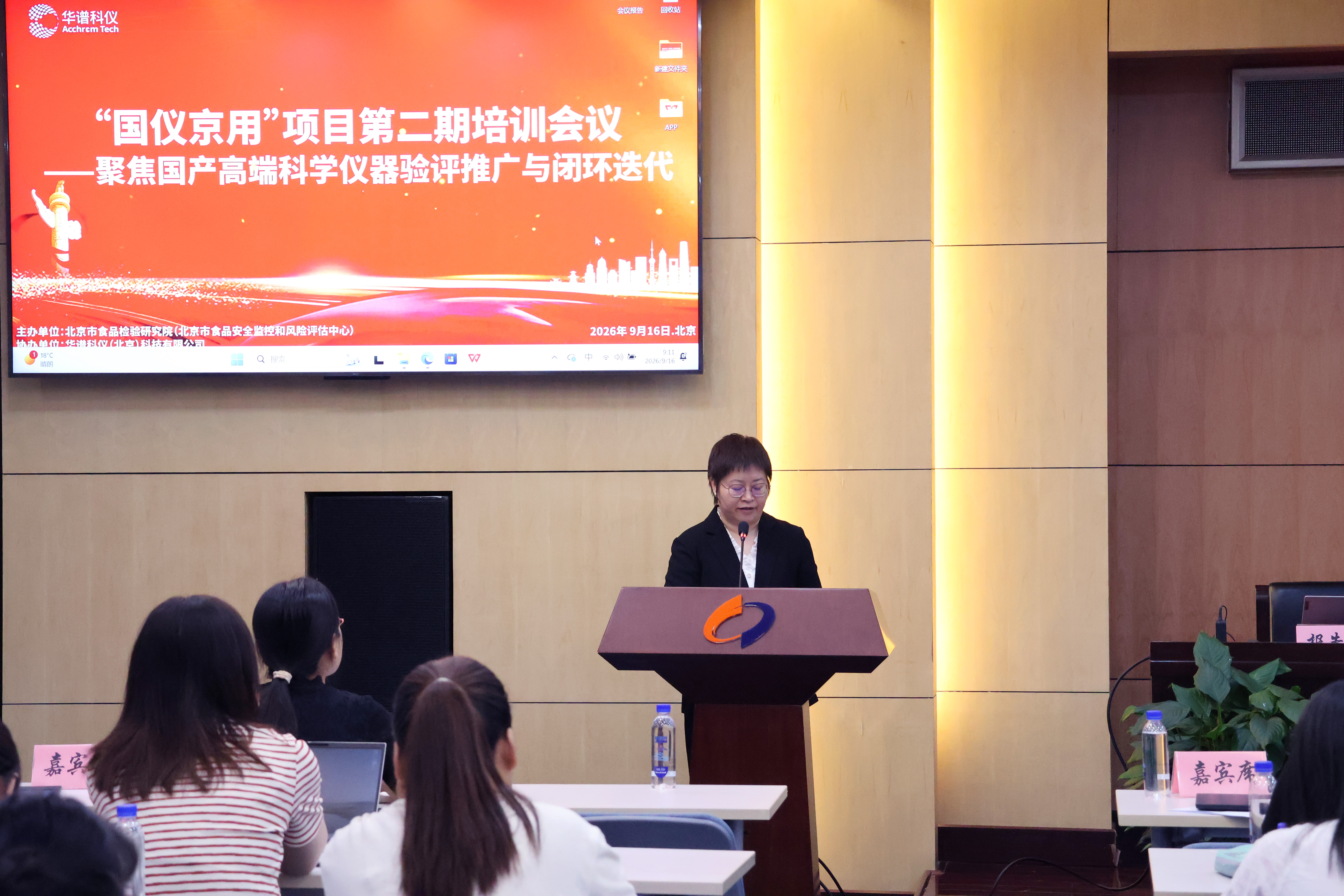
Beijing Food Inspection Institute Xie Xiangyan
Xie Xiangyan, deputy director of the Beijing Institute of Food Inspection, introduced in her opening speech that this meeting brought together nearly a hundred representatives from testing institutions, universities, enterprises and other parties. She introduced in detail the overall situation of the institute, which is a pioneer unit in the application and promotion of domestic scientific instruments. Dean Xie pointed out that currently domestic instruments face bottlenecks such as the lack of systematic evaluation data and the lack of mature supporting method systems, resulting in widespread use in laboratories.The worry of “I don’t dare to use it if I want to”. She said that this meeting aims to build a closed-loop mechanism for trial, feedback, and iteration of domestic instruments, and to effectively promote the development of domestic instrument technology by setting four major communication themes.
Report content
Beijing Institute of Metrology and Testing Sciences Lin Li
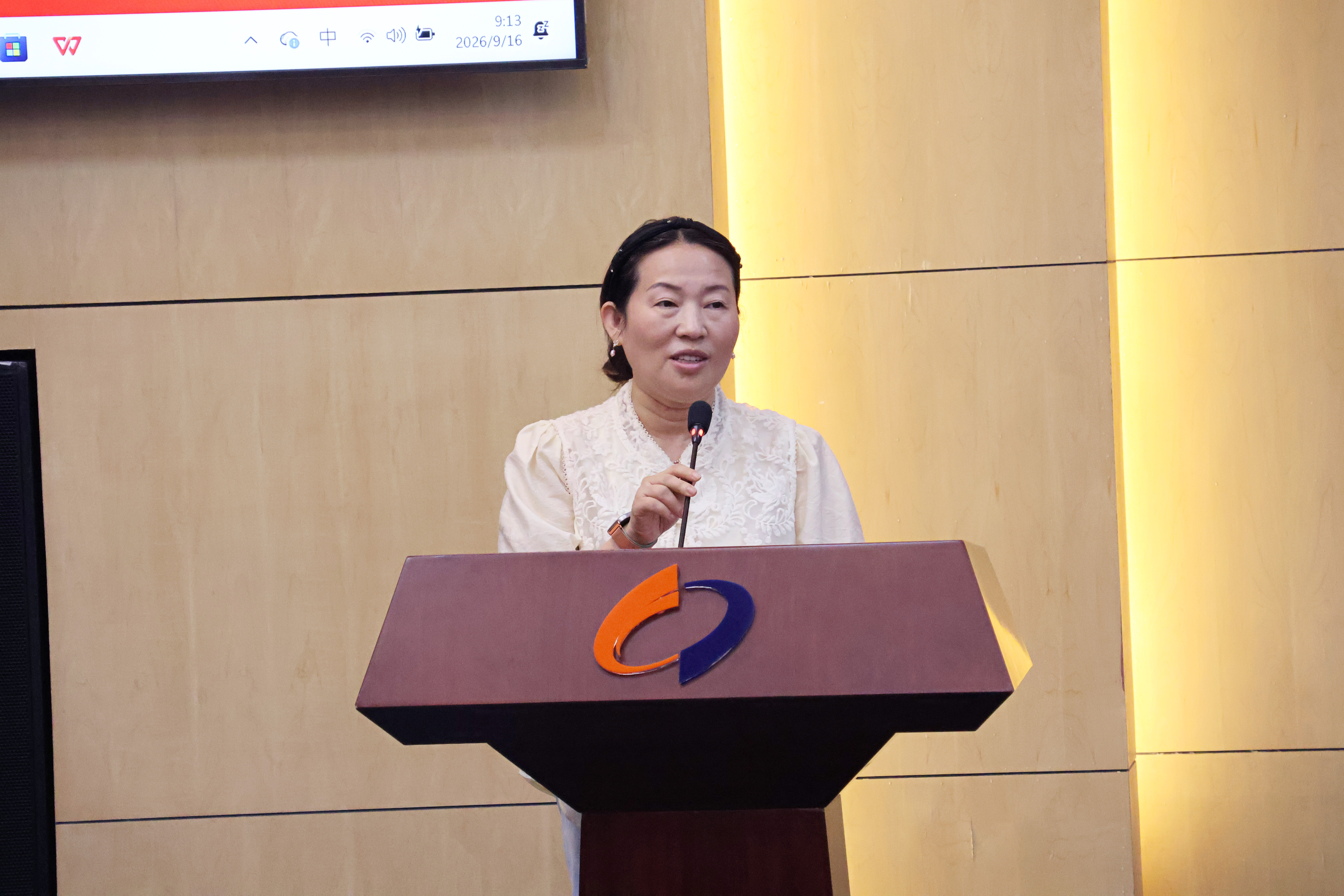
The first report of the meeting was brought by the project leader, Mr. Lin Li, with the theme of "Progress in Inspection Methods of New Food Ingredients in Foods". The report systematically sorts out the management methods and standard method systems of new food raw materials, focusing on breast milk oligosaccharides, isomalt,New food raw materials such as D-psicose and lutein esters provide an in-depth analysis of the technical difficulties and optimization directions in current testing methods - from the optimization of amyloglucosidase enzymatic hydrolysis conditions in the detection of breast milk oligosaccharides, to the problem of baseline separation of isomalt and lactitol, to the agglomeration phenomenon in the pretreatment of lutein ester gummy matrix, each issue points directly to the real pain points on the front line of food testing.
National Food Safety Risk Assessment Center Xiao Jing
Teacher Xiao Jing from the National Food Safety Risk Assessment Center brought the "National Food Safety Standards" The report "Current Status and Development Trends of Inspection Method Standards" raises the perspective from the technical details of specific methods to the top-level design of the standard system. The report systematically sorts out the overall framework and current overview of my country's food safety inspection method standards.——So far, my country has issued a total of 1,732 national food safety standards, of which 1,490 are current, 270 physical and chemical testing method standards, 46 microbiological testing method standards, 30 toxicological testing methods, 124 pesticide residue testing methods, and 125 veterinary drug residue testing methods, forming a testing method standard system covering the entire chain. Teacher Xiao Jing focused on interpreting the milestone significance of the first release of basic standards such as the "General Principles for the Validation of Chemical Analysis Methods" and revealed that the next step will be to step up the improvement of missing supporting methods such as packaging materials, additives, nutrients, strains, etc., timely revision of problematic method standards such as taurine, vitamin B1, vitamin B12, vitamin K1, biotin, lutein, etc., and at the same time promote the application of advanced and fast technologies in small and micro equipment and smart laboratories. The report sends a clear signal: Inspection method standards are not only a "verification ruler" for food safety, but also a "wind vane" for instrument research and development - "not only must be available, but also easy to use." This is highly consistent with the goal of "Guoyi Jingyong" to promote domestic instruments from "usable" to "easy to use".
Huapu Keyi (Beijing) Technology Co., Ltd. Li Bo
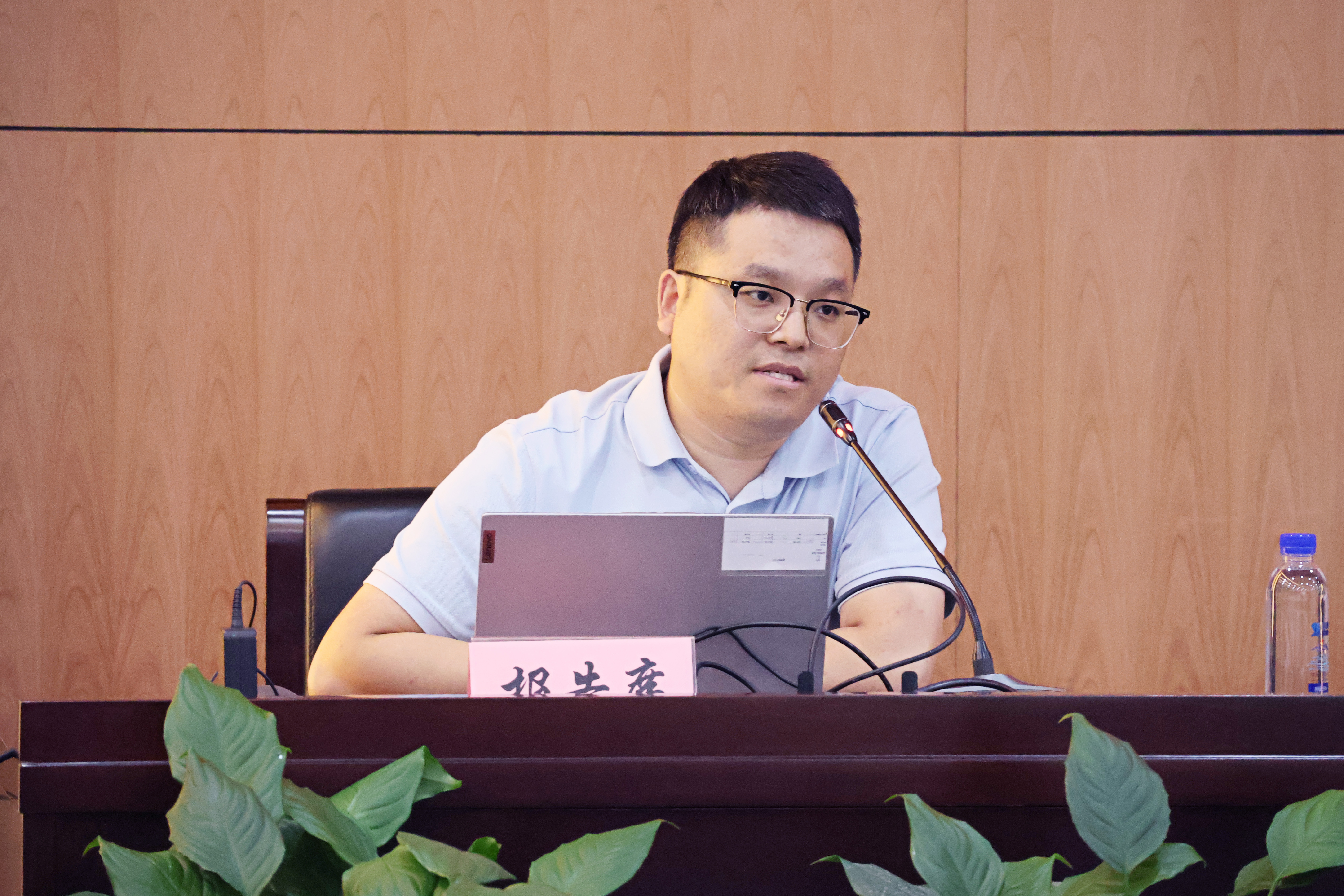
Mr. Li Bo, Manager of the Application Department of Huapu Scientific Instruments, brought the report "Evaluation of National Instrument Beijing Liquid Chromatography" and used real evaluation data to answer the question of what domestic liquid chromatography is.The core question is "can it be used and is it easy to use?" The report starts with independent technological breakthroughs in core components such as ultra-high-pressure pumps, injection valves, column ovens, and detectors, and demonstrates the results of Huapu S6000 ULTRA two-dimensional ultra-high-performance liquid chromatography competing with imported benchmark instruments in key performance indicators—it performs well in dimensions such as repeatability, pressure stability, sensitivity, mass spectrometry front-end adaptability, and extra-column diffusion volume, and some indicators reach or even exceed the level of imported brands. In addition, the report also showcases the completely independently developed Chromloong chromatography information management system, which has undergone intensive beta testing with 31 customers over 5 months and has been recognized by domestic and foreign experts in terms of compliance, data traceability and audit tracking. The significance of this set of evaluations is that domestic high-end liquid chromatography is no longer "paper performance", but a reliable tool that has been repeatedly verified in real detection scenarios, providing an objective and reproducible decision-making basis for laboratory selection.
Institute of Agricultural Quality Standards and Testing Technology, Chinese Academy of Agricultural Sciences Suo Decheng
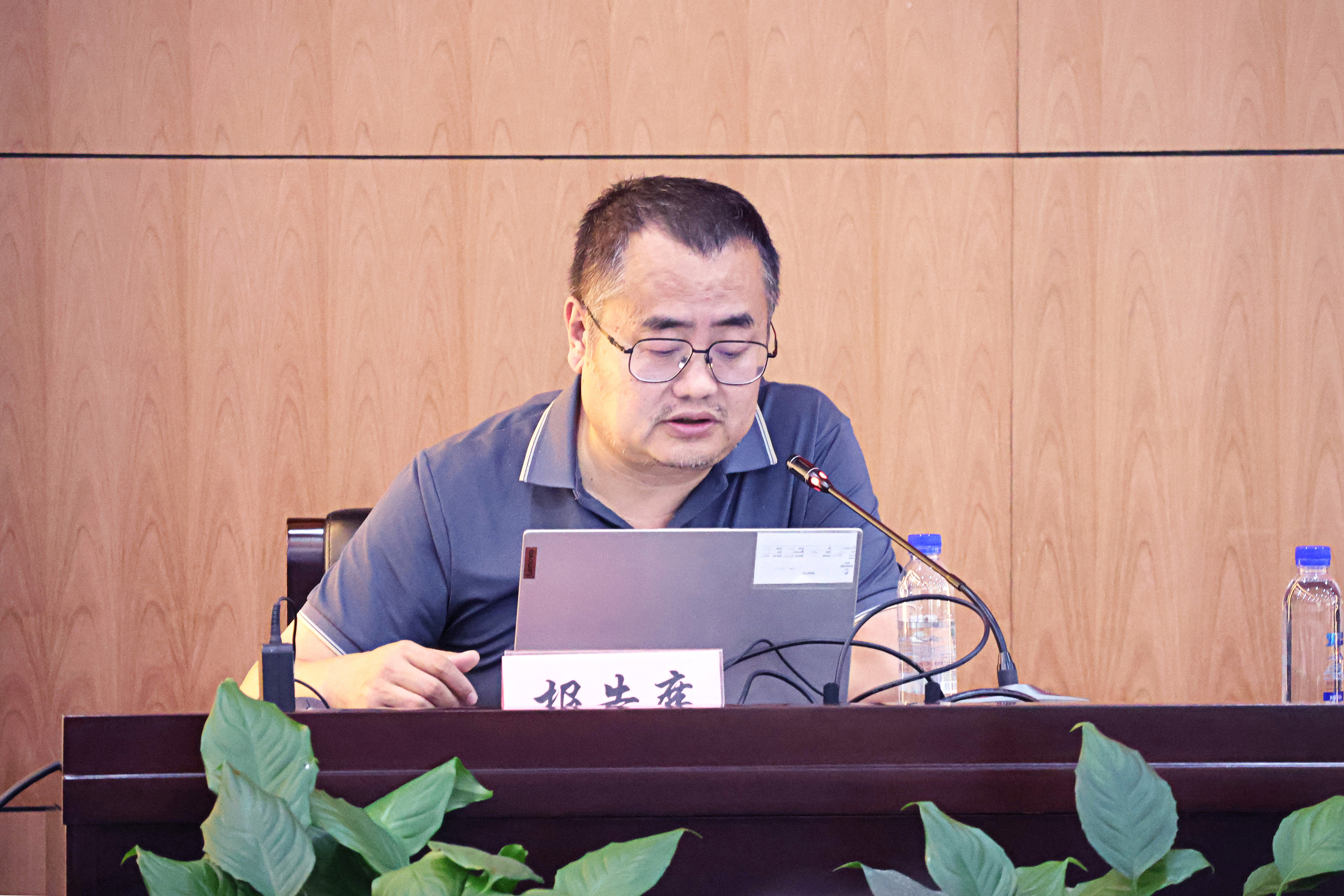
Teacher Suo Decheng from the Institute of Agricultural Quality Standards and Testing Technology of the Chinese Academy of Agricultural Sciences brought a report on "Research on Testing Technology of Vitamins in Feed". The report system sorts out the core pain points of fat-soluble and water-soluble vitamin testing——The nature of vitamins is extremely unstable, the content in the diet is extremely low, and there are many dosage forms. There are widespread problems of "inaccuracy". Focusing on these difficulties, the report compares the applicable boundaries of traditional methods such as saponification, direct extraction, and solid-phase extraction, and focuses on the online solid-phase extraction-two-dimensional liquid chromatography technology: simultaneous determination of vitamins A, D2, D3, and four vitamin E isomers (α, β, γ, and δ-tocopherol) through heart cutting, significantly reducing reagent consumption and avoiding emulsification losses, and is especially suitable for trace sample analysis. The report also combines actual cases to analyze troubleshooting ideas for common problems such as non-parallel parallel samples, low response signals, and misjudgment of target peaks, and gives practical suggestions on key control points such as light protection, temperature control, and pH adjustment in the detection of water-soluble vitamins. This report transforms those “can only be understood” experience judgments in feed vitamin testing into reproducible and traceable technical solutions, and also provides real-life scenario verification for the application of domestic two-dimensional liquid chromatography in trace analysis of complex matrices.
Huapu Keyi (Beijing) Technology Co., Ltd. Zhang Jing
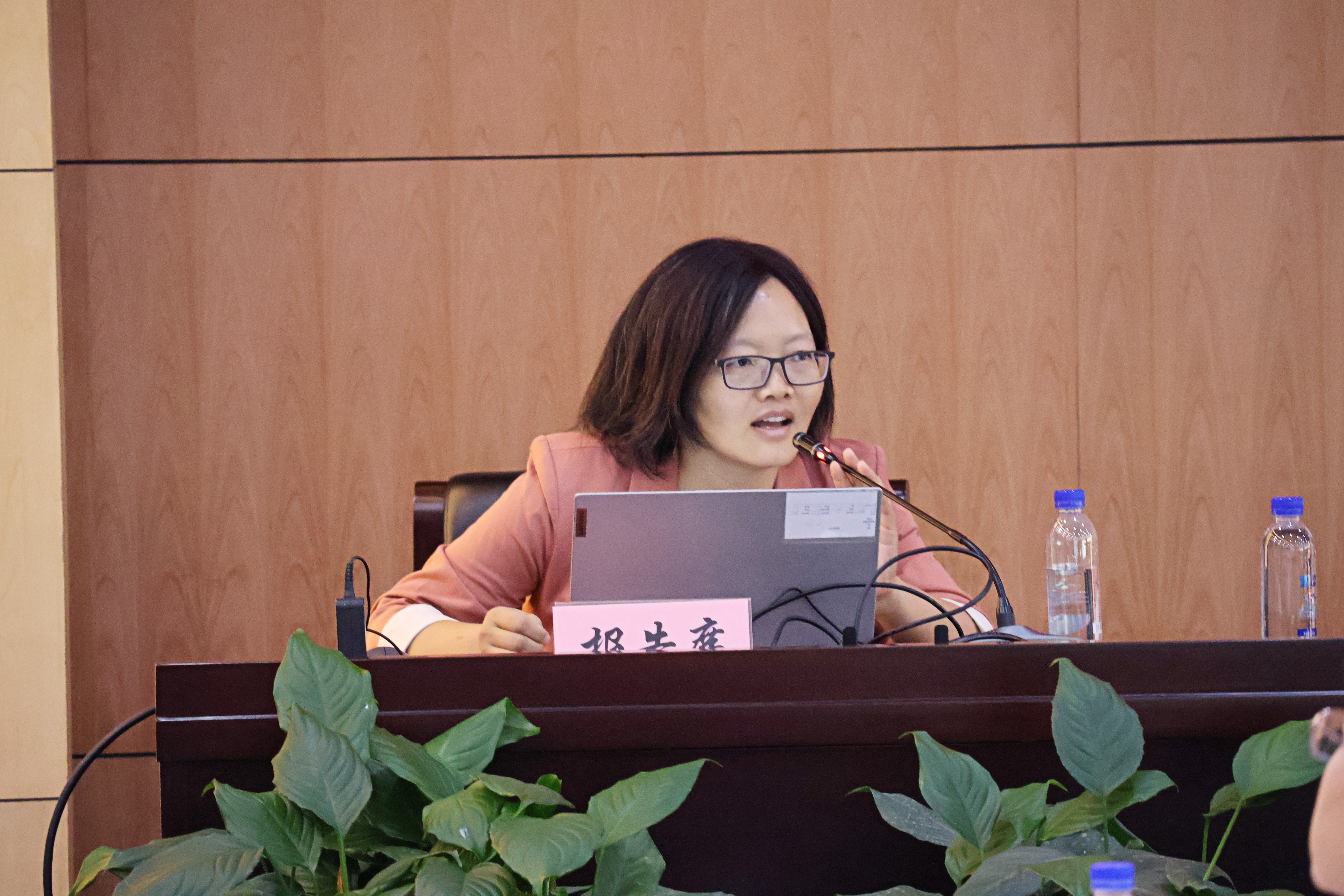
Dr. Zhang Jing from Huapu Keyi (Beijing) Technology Co., Ltd. brought a report on "Performance Status and Development Potential of Domestic Liquid Chromatography Products" and responded from an overall industry perspective.The fundamental question is "Where have domestic instruments gone?" The report begins with a face-to-face reality: Domestic liquid chromatography and liquid mass spectrometry instruments are highly dependent on imports. The lack of core technology, poor stability and reliability, insufficient R&D investment, and lack of market trust are the four major shortcomings of the industrial chain. But under the shortcomings, the trend is reversing - the market size continues to rise, and the policy thrust and industry consensus of domestic substitution have been formed. The report system displays the complete product matrix of Huapu Scientific Instruments from S3000 to S6000Ultra, covering different pressure ranges from conventional HPLC to ultra-high-efficiency UPLC, and uses a large amount of real evaluation data to prove that it is comparable to imported brands in key indicators such as stability, residue, and durability. More significantly, the report shows that domestic instruments are moving from "substituting imports" to "participating in defining standards" - Huapu Scientific Instruments has been deeply involved in the formulation and revision of pharmacopoeia methods such as artificial bezoars and in vitro cultured bezoars, and participated in the upgrade of the national standard method for the detection of vitamins A, D, and E in food in GB 5009.82. Its two-dimensional liquid chromatography scheme was adopted by authoritative institutions and published in core journals. The online SPE-2D-LC method for determining vitamin ADE in pet food has been published in international journals. From "following" to "running parallel" to "leading" in some segmented scenarios, this report gives the true coordinates of the upgrading of the domestic liquid chromatography industry.
Beijing Food Inspection Institute Li Dongmei

Teacher Li Dongmei from the Beijing Institute of Food Inspection brought a report on "Difficulties and Solutions for Detection of Lutein", focusing on the most representative frontline workers in food testing.One of the problems of "uncertain measurement". The report starts from the physical and chemical properties and regulatory history of lutein and lutein esters, and systematically sorts out the three major pain points in daily testing: complex pre-processing leading to low content, poor durability of chromatographic columns driving up the cost of consumables, and reference materials being extremely sensitive to light temperature. Focusing on these pain points, the report gives a set of practical experience from the front line - reconstituting milk powder with warm water before saponification can effectively avoid low results, candy matrix needs to be "extracted first and then saponified" to break the clumping phenomenon, cis and trans structure peak areas are summed and quantified, the equilibrium time is extended before loading, and the extract is thoroughly washed to protect the chromatographic column. Details are all derived from repeated verification of a large number of samples. What is even more valuable is that the report used the domestic Huapu S6000 ULTRA to complete the systematic performance test of lutein detection - in milk powder and liquid milk samples, the three-level spike recovery rate and repeatability all met the national standard requirements, and were consistent with the daily detection data comparison results of imported high-performance liquid chromatography. The significance of this report is that it turns the "experience" accumulated by front-line testing personnel for many years into reproducible and generalizable operating specifications. It also provides a real verification from an authoritative testing institution for the reliability of domestic ultra-high performance liquid chromatography in fat-soluble vitamins/pigments testing scenarios.
Beijing Food Inspection Institute Ge Ge
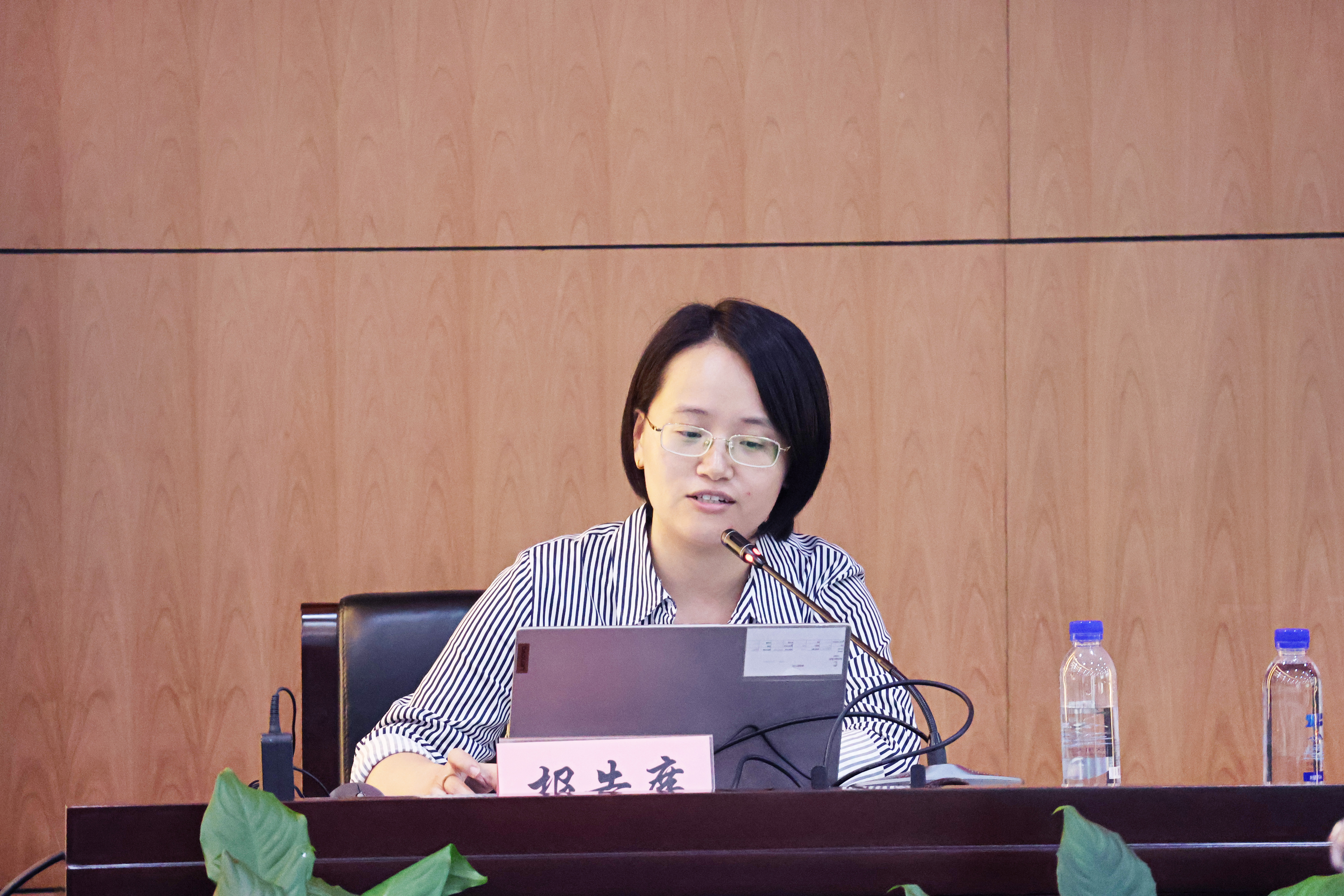
Teacher Ge Ge from the Beijing Institute of Food Inspection presented "Determination of Breast Milk Oligosaccharides in Foods"——Detection Difficulties and Solutions" report focuses on one of the categories with the most complex interference and the highest methodological requirements in the detection of new food raw materials. The report systematically sorts out the overview and regulatory background of breast milk oligosaccharides.National standardThe core challenges in the method development process are: the interference of various sugars such as maltodextrin, galacto-oligosaccharide, and isomaltooligosaccharide on the quantification of target substances, as well as the potential impact of endogenous sugars in cow's milk base and goat's milk base. Focusing on these difficulties, the report demonstrates the optimization of enzymatic hydrolysis conditions, mobile phase gradient andThe troubleshooting ideas for key links such as pH control and column temperature design are also introduced, and the results of inter-laboratory verification involving multiple authoritative institutions are introduced. The highlight of the report is the systematic performance test of the domestic Huapu S6000 ULTRA in the detection of breast milk oligosaccharides - the detection limit, quantification limit, standard curve linearity, instrument stability, recovery rate and repeatability of the seven HMOs all meet the standard requirements, and the separation effect of key interfering sugars has also been verified one by one. The report also evaluates the performance of a number of domestic chromatographic columns and explores the feasibility of detecting other oligosaccharides. The value of this report is that it not only provides solid methodological support for the soon-to-be-released national food safety standards for breast milk oligosaccharides, but also proves that domestic ultra-high performance liquid chromatography is fully capable of undertaking the difficult task of testing new food raw materials based on the real performance of domestic instruments in complex sugar analysis.
Inner Mongolia Mengniu Dairy(Group) Co., Ltd.manage Zhang Huiping

Teacher Zhang Huiping of Inner Mongolia Mengniu Dairy (Group) Co., Ltd. brought a report on "Application of Liquid Chromatography in Dairy Products Testing", extending the perspective from regulatory agencies and scientific research institutes to the front-line quality control scenarios of dairy production enterprises. The report uses Mengniu's inspection system covering the entire industry chain as the background, and systematically demonstrates the core position of liquid chromatography technology in dairy product testing.——In the daily testing of milk powder, physical and chemical items account for the main proportion, while liquid chromatography accounts for nearly half of the chromatography technology measurement, covering all categories of testing scenarios such as nutrients, additives, pollutants, illegal additives and toxins. The report focuses on sharing two innovative application cases: first, the use of liquid chromatography-fluorescence detection technology to establish a simultaneous detection method for vitamin K1 and K2, which solves the problems of narrow application range, low detection efficiency, and insufficient sensitivity of the existing national standard method; second, the use of liquid chromatography-inductively coupled plasma mass spectrometry to carry out valence analysis of arsenic, mercury, chromium, iodine, bromine and other elements in dairy products, filling the blind spot where total element detection cannot distinguish the level of toxicity. The significance of this report is that it presents a map of the real demand for liquid chromatography technology by dairy companies - from vitamins, functional proteins, sugars to elemental valences. The detection demand is moving from "total qualified" to "precise form", from "single indicator control" to "full chain risk warning", and also provides a clear direction for how domestic instruments can enter the enterprise quality control scenario.
Beijing Food Inspection Institute Shi Hailiang

Finally, Mr. Shi Hailiang from the Beijing Institute of Food Inspection gave a report on "Difficulties and Solutions for Detection of Cyproromazine", focusing on the typical problems in detecting veterinary drug residues in foods of animal origin. The report starts with the chemical properties and metabolic pathways of ciproprole, and points out that its core risk is that it is easily converted into melamine in animals and the environment. It is extremely environmentally stable and cannot be degraded by conventional processing. However, my country has set extremely low residue limits for poultry products and enforced enforcement for aquatic products.In line with the zero-tolerance principle of "no detection," national sampling inspections in 2025 will extend the monitoring scope to metabolism-rich organs such as liver and kidneys. Focusing on the pain points of existing national standard methods such as cumbersome pre-processing, long time-consuming, and insufficient matrix coverage, the report proposes a set of fast high-performance liquid chromatography solutions. By optimizing extraction solvents and purification methods, selecting domestic cation exchange columns, screening Amide chromatographic columns, and optimizing detection conditions, the single sample detection time is compressed to less than 60 minutes, and egg matrix is included in the verification scope for the first time. The accuracy and precision both meet the national standard requirements. The core value of the report is that it completely presents a "nationally produced" veterinary drug residue detection path - from sample pretreatment, chromatographic column separation to ultraviolet detection, all using domestic equipment and consumables, and the performance verification results are equivalent to imported solutions. This provides an efficient, replicable, and cost-controllable domestic alternative model for large-scale screening at the grassroots level. It also provides a complete closed-loop footnote for this "National Instruments Beijing Use" conference from methods to instruments, and from supervision to industry.
This Beijing meeting serves asThe second special meeting of the "National Instrument Beijing Application" project continued the closed-loop iteration idea of the Hangzhou Exchange Meeting and further focused on the real pain points on the front line of food testing and the evaluation and promotion of domestic instruments. The nine experts reported on new food raw material inspection methods, national standard system trends, domestic liquid chromatography real evaluation data, industry status and development potential, difficulties in testing lutein and breast milk oligosaccharides, quality control needs of dairy companies, and national production testing plans for cyproramazine. Relying on the authoritative national standard measured data and front-line application cases, we face the industry dilemma of "dare not to use, unwilling to use, difficult to use" domestic instruments, continue to improve the "trial-feedback-iteration" closed-loop development model, and also give recognition to Huapu Scientific Instruments S6000ULTRA ultra-high performance liquid chromatography. Follow-up projects will continue to link government and enterprise research and use resources from all parties, deepen the evaluation and practical application of domestic instruments, accelerate the local replacement of high-end scientific instruments, and help the independent and high-quality development of the food safety testing industry.
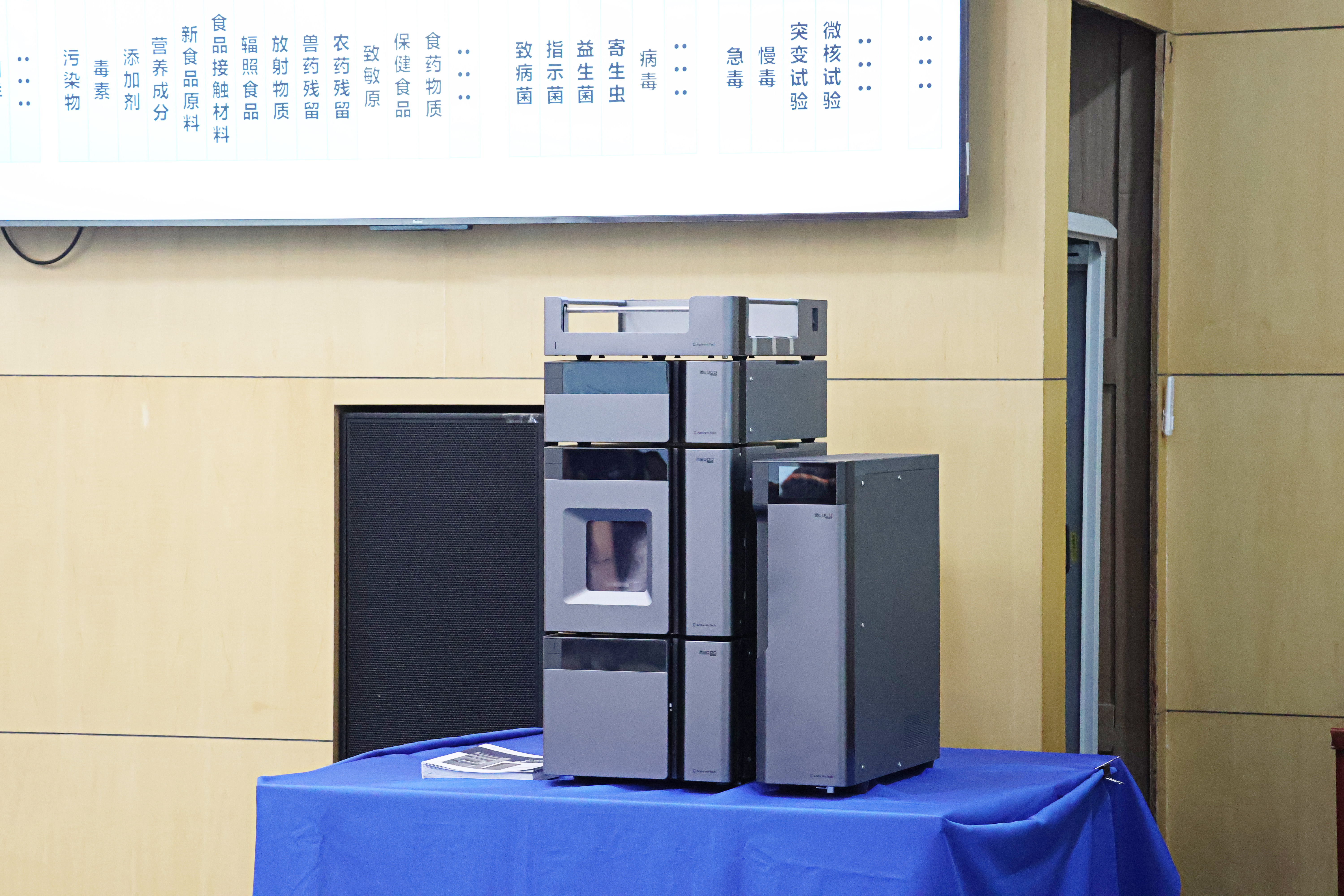
Huapu Keyi (Beijing) Technology Co., Ltd. was established in In 2015, it was headquartered in Beijing and is a national-level specialized and new "little giant" enterprise and a national high-tech enterprise. The company gathers a high proportion of professional and technical talents, takes "quality first, customer first" as its core, adheres to independent innovation, owns a number of patents and software copyrights, realizes the localization of core components and independent control of the supply chain, and demonstrates its hard-core technological strength.
The company is deeply involved in the field of chromatography and building a complete product ecological chain. In terms of analytical instruments, we have A full range of products including HPLC, UHPLC, LC/MS and semi-preparative liquid phase, with key performances benchmarked against international standards; chromatography consumables include Alphasil, Marsil and other series of chromatography columns and supporting consumables; independently developed Chromloong series of chromatography information management systems to meet the needs of highly regulated industries; while providing customized method development, on-site support and other full-process application services to empower customers with professional technology. With advantages such as fast response speed, high problem-solving rate, and guaranteed after-sales service, the company's marketing network covers the whole country and expands overseas markets. Its products are widely used in key fields such as pharmaceuticals, food, environmental protection, and scientific research. It has become a core force for domestic substitution and has won high trust from national institutions, leading enterprises, and universities.
In 2026, the company will continue to focus on technological breakthroughs and product upgrades, deepen the layout of domestic substitution, strive to become the leader of domestic liquid chromatography, and use innovation to promote independent innovation and industrial upgrading of China's chromatography technology.
View More from This Booth
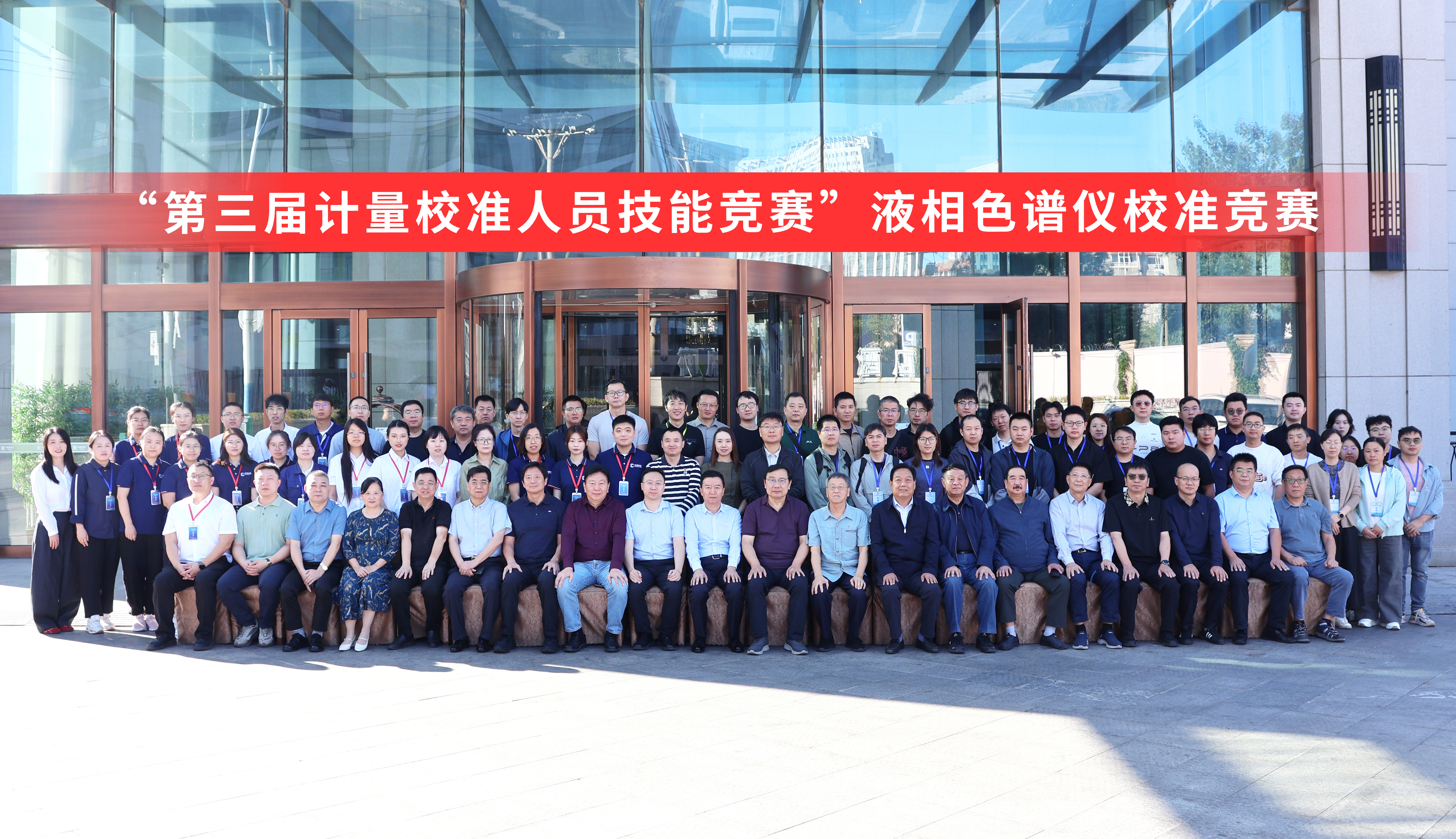
Huapu Instruments brought the S6000 high performance liquid chromatograph to help the "3rd Measurement Calibration Personnel Skills Competition" come to a successful conclusion
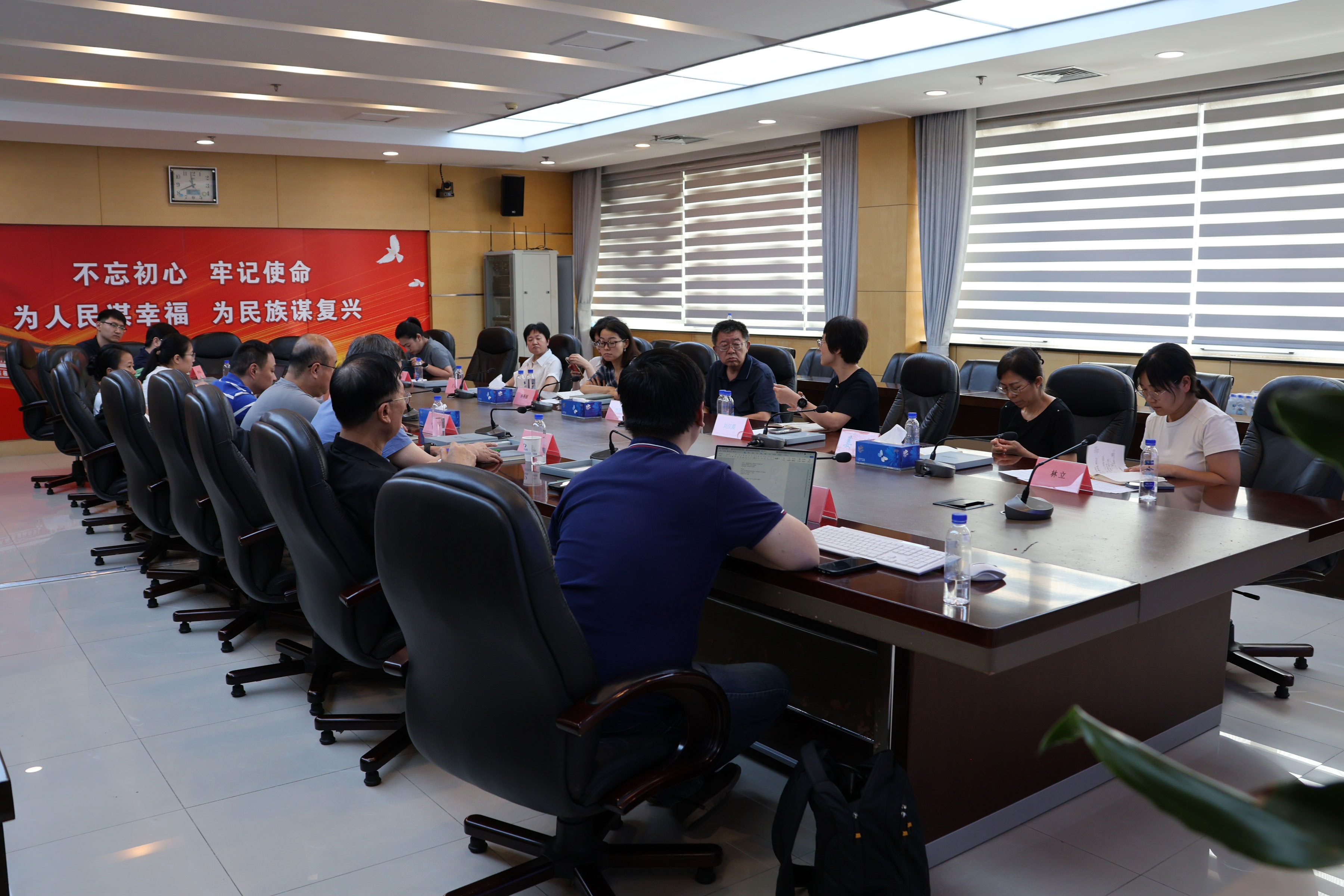
Experts gathered to discuss a new chapter in domestic instruments - a special technical exchange session for the "Guoyi Beijing" project was successfully held
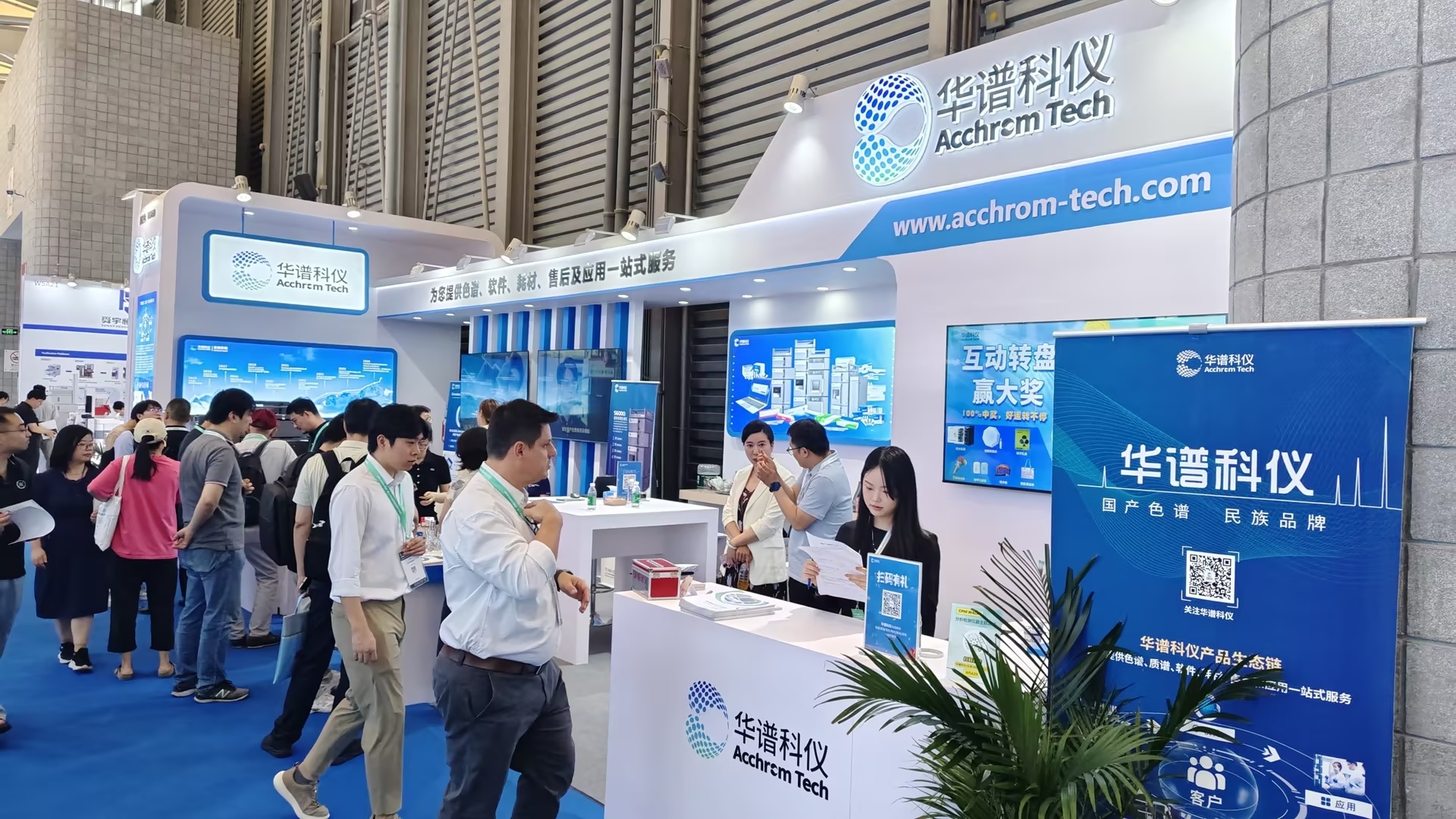
Huapu Instruments presented its liquid chromatography product ecological chain at CPHI&PMEC China 2026 in Shanghai
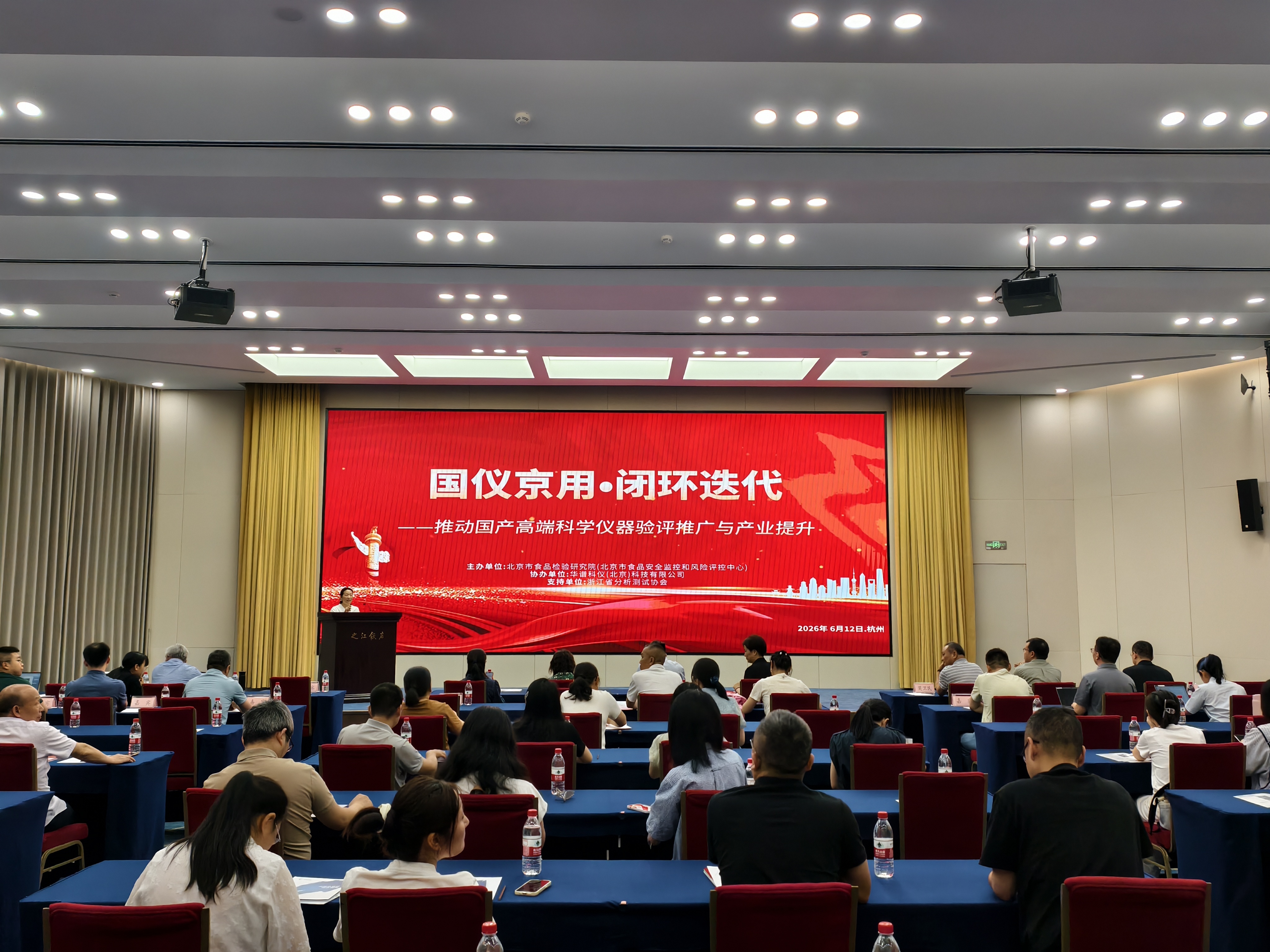
Solve the pain points of using domestic instruments! Guoyi Jingyong’s first training was held in Hangzhou, and Huapu Scientific Instruments assisted in the promotion of domestic instruments!
Recommended Products

Huapu Scientific Instrument S6000PLUS high performance liquid chromatograph
Negotiable
Model:S6000PLUS 高效液相色谱仪