

 Gold Member
 Business License
Solve the pain points of using domestic instruments! Guoyi Jingyong’s first training was held in Hangzhou, and Huapu Scientific Instruments assisted in the promotion of domestic instruments!
Preface to the meeting
As independent innovation of high-end scientific instruments has become a national strategy, the practical and popular development of domestic instruments has attracted much attention from the industry. In order to directly address the industry pain points of domestic instruments being "difficult to use, afraid to use, and unwilling to use", on June 12, 2026, the first training and technical exchange meeting of the "National Instrument Beijing Use" project, sponsored by the Beijing Food Inspection Institute (Beijing Food Safety Monitoring and Risk Assessment Center) and hosted by Huapu Keyi (Beijing) Technology Co., Ltd., was held in Hangzhou, Zhejiang.
As one of the first projects to be implemented in the "Beijing High-end Scientific Instrument Innovation and Development Action Plan (2025-2027)", this conference, with the theme of "National Instrument Beijing·Closed-loop Iteration - Promoting Domestic High-end Scientific Instrument Evaluation Promotion and Industrial Improvement", accurately focused on the front-line pain points of food testing, bringing together universities, scientific research institutes, enterprises and National experts and front-line technical backbones in the field of food testing from government testing agencies and other units combine the latest national standard requirements and cutting-edge testing technology to simultaneously release actual measurement data of domestic instruments and share implementation solutions, using the "trial-feedback-iteration" closed-loop model to fully promote the popularization and technological upgrading of domestic high-end scientific instruments in the field of food testing.
The conference specially invited authoritative experts and technical leaders from the National Food Safety Risk Assessment Center, Beijing Institute of Food Inspection, multiple CDCs, leading third-party testing institutions, and leading units of large dairy companies to conduct special lectures focusing on the five core directions of food safety national standard iteration, subdivided category testing difficulties, liquid chromatography cutting-edge technology, domestic instrument measurement applications, and chromatography consumable operation and maintenance. Based on the practical scenarios of the entire food testing industry chain, they dismantled industry testing problems, verified the adaptability of domestic instruments, and built a four-party in-depth exchange platform for government, enterprise, research and application.
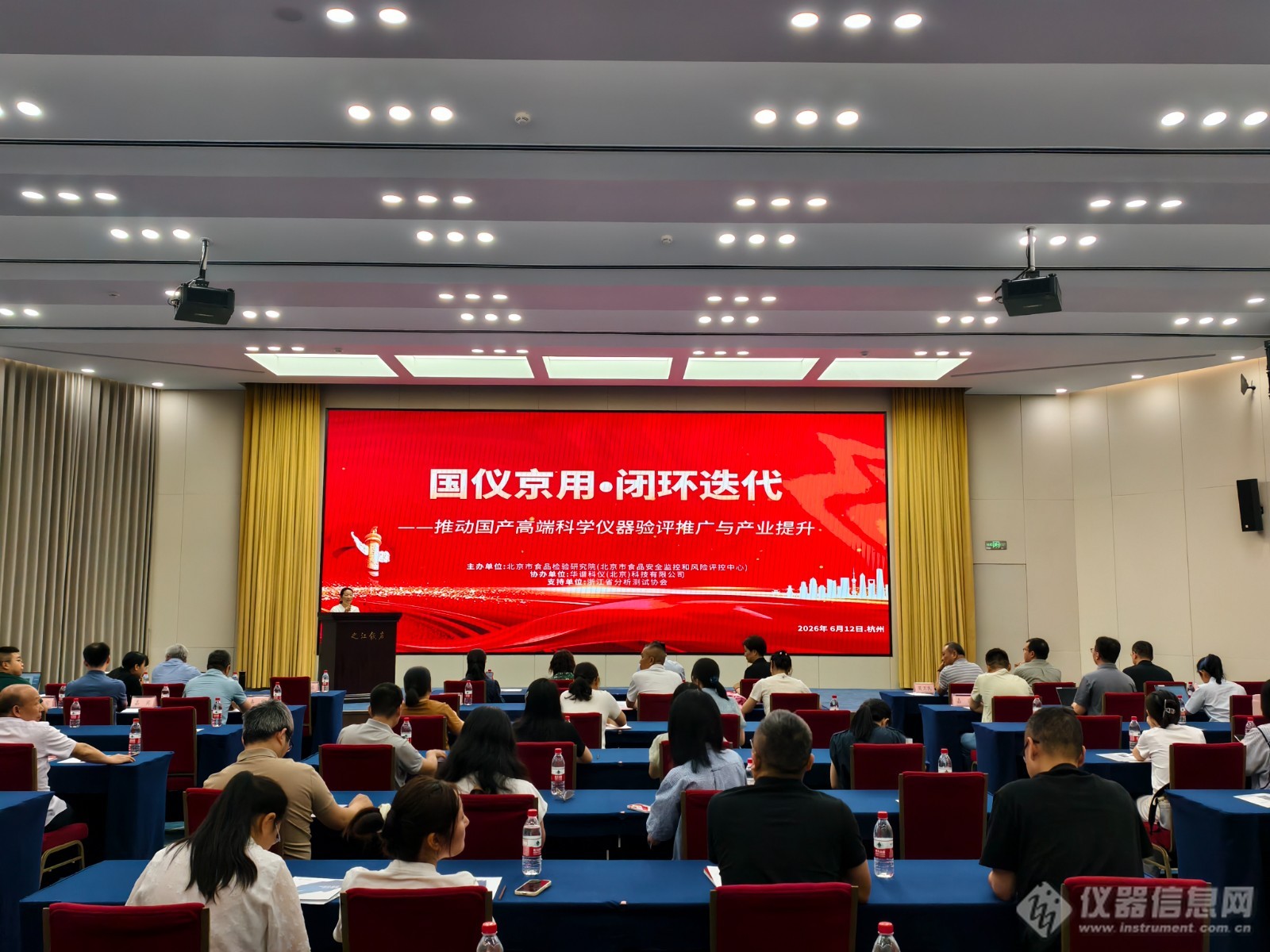
Conference site, sign-in desk and auditorium
Meeting content
Opening of the meeting
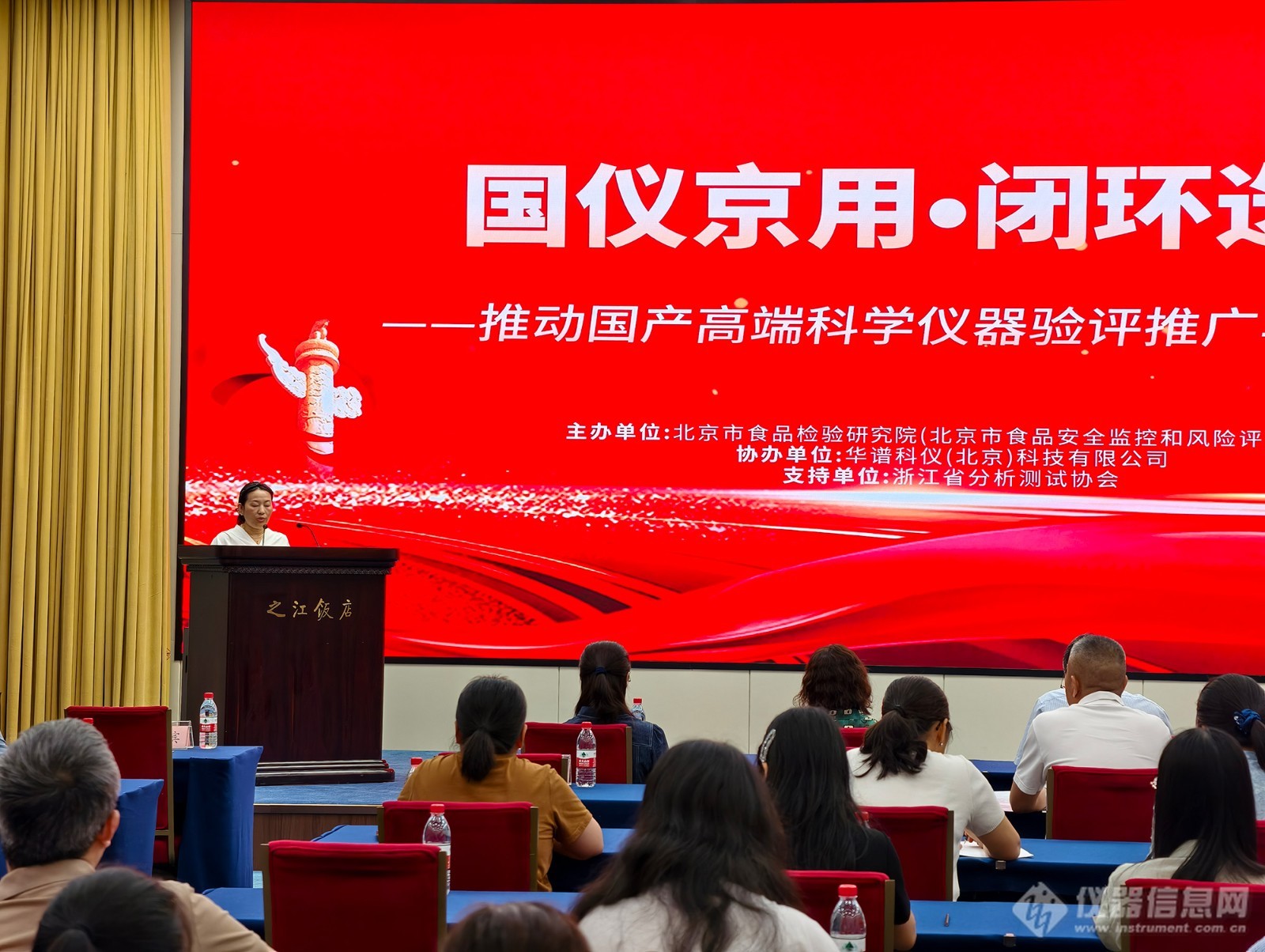
Lin Li and Mo Weimin’s opening speeches
The meeting officially kicked off with the announcement by Mr. Lin Li, a professor-level senior engineer from the Beijing Institute of Food Inspection (Beijing Food Safety Monitoring and Risk Assessment Center). Subsequently, Professor Mo Weimin, Chairman of the Zhejiang Provincial Analysis and Testing Association, delivered an opening speech. In his speech, Professor Mo Weimin emphasized the need to actively respond to the country’s policy call for independent innovation of high-end scientific instruments and fully support the application and promotion of domestic instruments in the front line of testing. He pointed out that through the closed-loop iteration mechanism of the "Guoyi Jingyong" project, it is expected to solve the long-standing problem of domestic instruments being "difficult to use, afraid to use, and unwilling to use", and truly realize the transformation from "available in the laboratory" to "easy to use in actual combat", and inject strong impetus into the industrial improvement and large-scale application of domestic high-end scientific instruments.
Reporting session
Reporter: National Food Safety Risk Assessment Center Xiao Jing
Report title: National Food Safety Standards—New Trends and Development Directions of National Standards for Inspection Method Standards
The report pointed out that as of April 2026, my country's current food safety inspection method standards total 601 items, covering many fields such as physical and chemical, microbiological, agricultural and veterinary drug residues. The report emphasizes that food safety standards include limit requirements for pathogenic microorganisms, pesticide residues and other contaminants, as well as food inspection methods and operating procedures. In the next step, relevant work will focus on improving the overall level of standards, improving supporting methods, popularizing advanced technologies, promoting the transformation of domestic standards into international standards, and comprehensively strengthening the scientific nature and international competitiveness of the standard system.

Lin Li
Reporter: Lin Li, Beijing Food Inspection Institute
Report title: Progress in testing methods for new food ingredients in food
The report systematically explains the new food raw material supervision model and supporting testing standard system, focusing on the industry application of detection technologies such as chromatography and mass spectrometry. Combining the progress in the research and development of detection methods for new food raw materials such as breast milk oligosaccharides, isomalt, D-psicose, and lutein esters, Lin Li demonstrated the core technical advantages of Huapu Scientific Instruments S6000 ULTRA 2D two-dimensional ultra-high performance liquid chromatography in precise quantitative analysis of food, providing an important reference for the iterative upgrade of domestic food safety testing technology.

Huang Baifen
Reporter: Huang Baifen, Zhejiang Provincial Center for Disease Control and Prevention
Report title: Application of multidimensional liquid chromatography in food testing
The report focuses on the detection of fat-soluble vitamins in food, and combines the development work of the national standard GB 5009.296-2023 and AOAC standards to introduce multi-dimensional liquid chromatography technologies such as online column switching and online solid-phase extraction. Huang Baifen pointed out that the separation effect of multidimensional liquid chromatography technology exceeds expectations and the detection sensitivity is high. It can innovatively realize the simultaneous determination of multiple fat-soluble vitamins. It has been successfully used in the rapid detection of many pre-made dishes, providing important support for the upgrading of my country's food nutrition monitoring technology.

Zhang Shuifeng
Reporter: Zhang Shuifeng of Zhejiang Fangyuan Inspection Group Co., Ltd.
Report title: Solutions for detection of sugars and related compounds in food
The report pointed out that as of April 2026, my country's current food safety inspection method standards total 601 items, covering many fields such as physical and chemical, microbiological, agricultural and veterinary drug residues. The report emphasizes that food safety standards include limit requirements for pathogenic microorganisms, pesticide residues and other contaminants, as well as food inspection methods and operating procedures. In the next step, relevant work will focus on improving the overall level of standards, improving supporting methods, popularizing advanced technologies, promoting the transformation of domestic standards into international standards, and comprehensively strengthening the scientific nature and international competitiveness of the standard system.
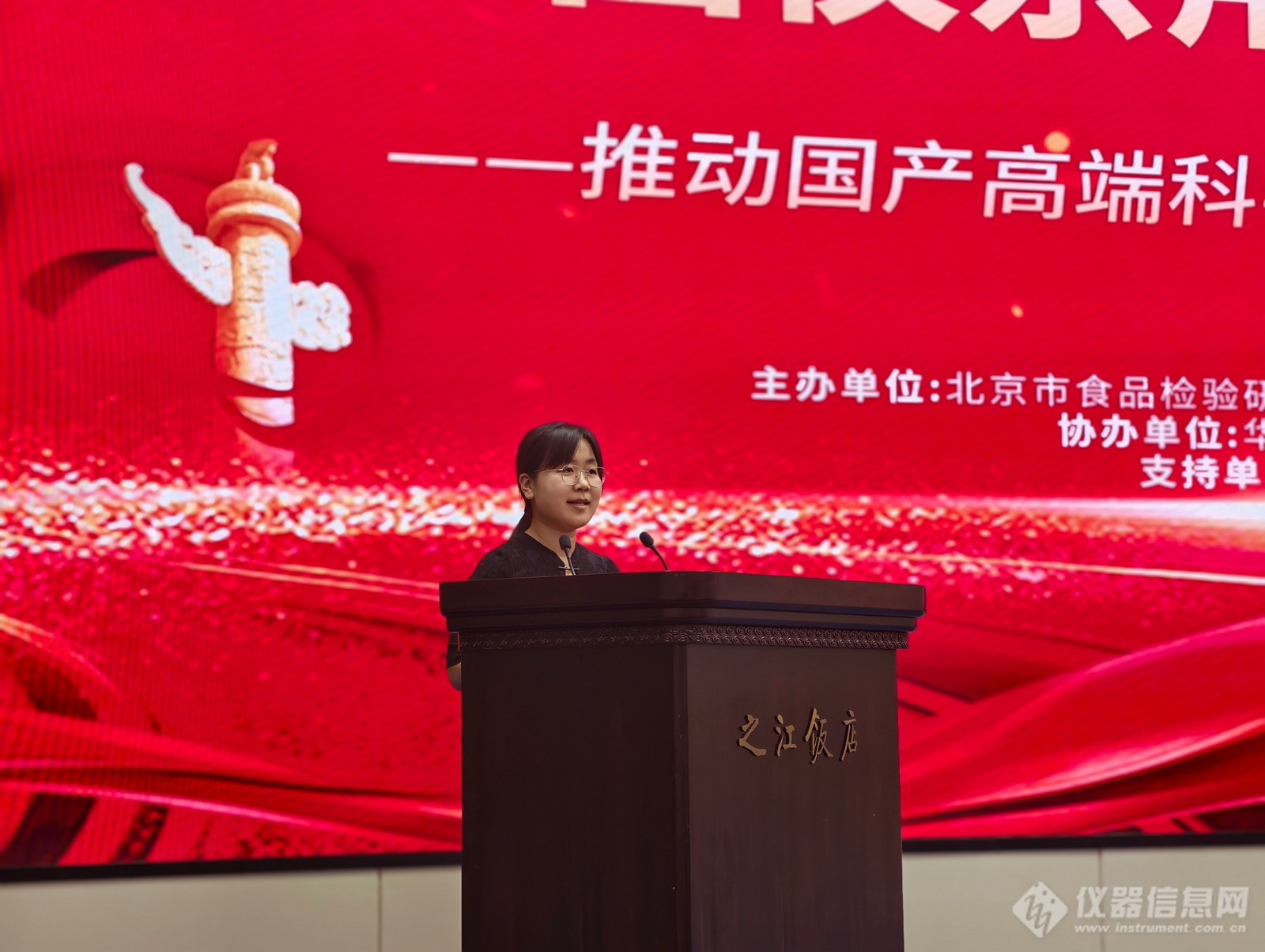
Pan Hongyan
Reporter: Pan Hongyan, Beijing Food Inspection Institute
Report title: Difficulties and solutions in nucleotide detection
The report combines a number of practical testing cases and points out that during the testing process of the current national standard GB 5413.40-2016 "National Food Safety Standard - Determination of Nucleotides in Foods for Infants and Young Children", there are pain points such as interference from chromatographic peaks, poor durability of the chromatographic column, easy degradation of liquid milk nucleotide components to be tested, and difficulty in separating goat milk matrix components. It proposes two major improvements, optimizing chromatographic conditions and optimizing sample extraction conditions, and has experimentally verified that the scheme is reliable and feasible. In addition, the report shared practical laboratory operation skills such as standard solution preparation and storage of samples to be tested. It also introduced the application effects of the domestic Huapu S6000 ULTRA liquid phase equipment, confirming that domestic high-end scientific instruments can meet the compliance requirements for food nucleotide testing and have good overall performance.
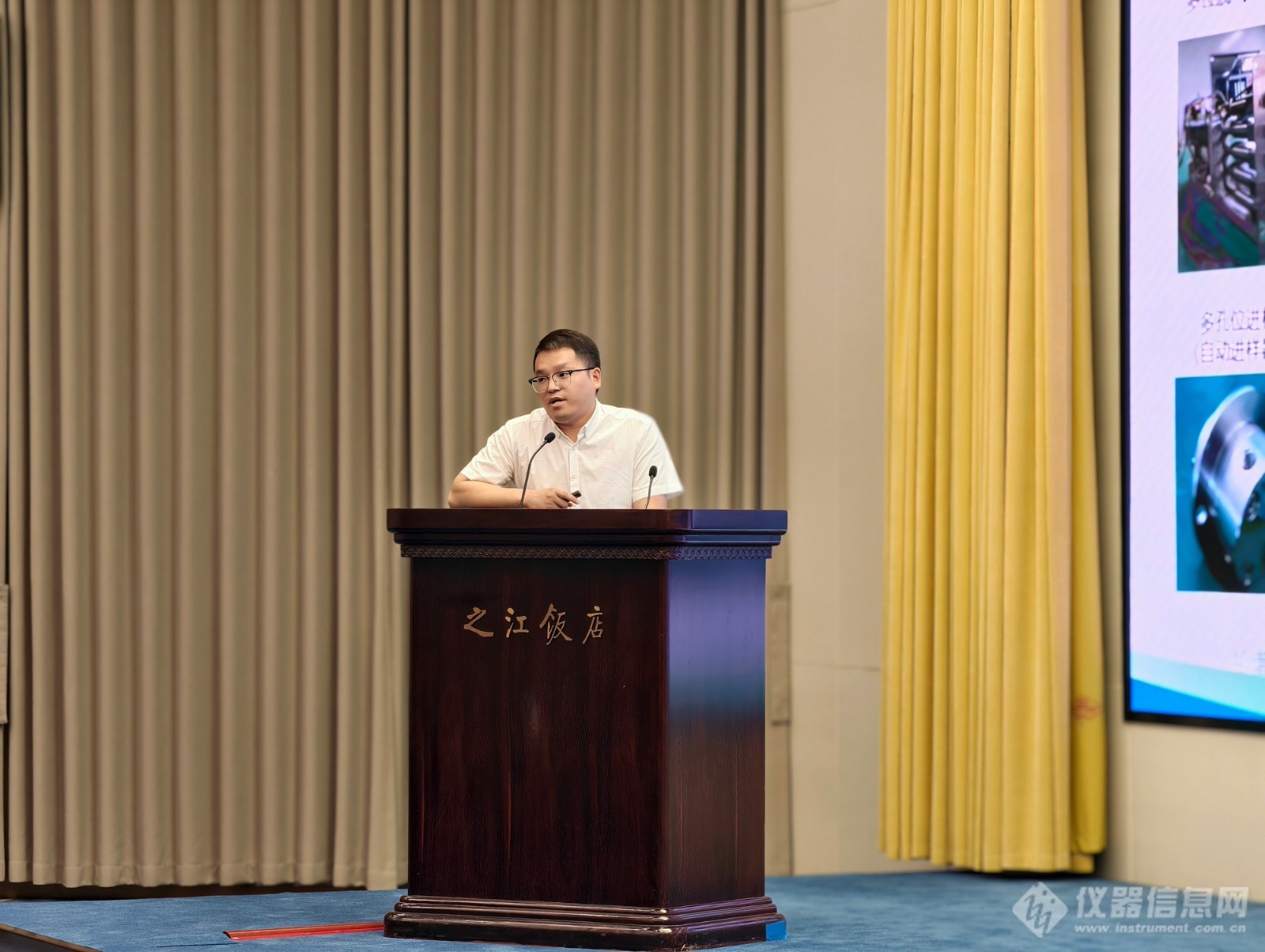
Li Bo
Reporter: Li Bo, Huapu Keyi (Beijing) Technology Co., Ltd.
Report title: Evaluation of National Instrument Capital Liquid Chromatography
The report presents the results of a comprehensive evaluation of the S6000 ULTRA ultra-high performance liquid chromatograph. The instrument is equipped with core components such as a self-developed high-pressure pump, injection valve, and column temperature control system. It has good hardware stability and outstanding performance in core indicators such as pressure fluctuation, flow rate accuracy, and column efficiency. The actual measurement results show that many of the instrument's performances are benchmarked against mainstream imported equipment in the industry. The repeatability, detection sensitivity, and gradient elution stability all meet compliance standards. It can efficiently complete various compliance testing experiments such as pharmacopoeia testing and food testing. As a mass spectrometry front-end equipment, it has good adaptability. The supporting Chromloong chromatography information management system is fully compliant and easy to operate, fully demonstrating the technical strength of domestic liquid chromatography instruments.

Ge Ge
Reporter: Beijing Food Inspection Institute Ge Ge
Report title: Determination of breast milk oligosaccharides in food - detection difficulties and solutions
The report introduces in detail the development progress of the "National Food Safety Standard - Determination of Breast Milk Oligosaccharides in Foods", clarifies the two major detection systems of liquid chromatography and ion chromatography, and proposes an enzymatic treatment plan for matrix interference caused by maltodextrin and galacto-oligosaccharides. In addition, the report focuses on the performance test results of the domestic Huapu Scientific Instruments S6000 ULTRA ultra-high performance liquid chromatograph. The data shows that all performance indicators of the instrument meet the standard requirements and can effectively eliminate the interference of the above substances on detection. This achievement marks an important breakthrough in domestic high-end scientific instruments in the field of infant food testing in my country.

Zhang Huiping
Reporter: Zhang Huiping, Intelligent Quality Center of Inner Mongolia Mengniu Dairy (Group) Co., Ltd.
Report title: Application of liquid chromatography in dairy product testing
The report pointed out that liquid chromatography technology is the core detection method in my country's national food safety standards, and has fully covered the detection scenarios of dairy nutrients, additives, pollutants and illegal additives. Relying on 34 CNAS accredited laboratories and more than 700 testing capabilities, Mengniu Group has established a food safety testing system for the entire industry chain. In addition, the report also shared a number of innovative application cases and stated that relevant technical standards have been transformed into industry specifications, providing practical reference for dairy product testing standardization and industry technology upgrading.

Li Mingfeng
Reporter: Li Mingfeng of Huapu Keyi (Beijing) Technology Co., Ltd.
Report title: Use and maintenance of liquid consumables in the food field
The report systematically explains the chromatographic column selection strategy and daily maintenance specifications in view of the difficulties such as complex food testing matrices, high sensitivity requirements, and large detection sample volumes. Combining the national standard testing methods, Li Mingfeng introduced in detail Huapu Instruments' various chromatographic column products suitable for food testing and their selection ideas, and gave exclusive chromatographic column application plans one by one for different testing items such as food additives, mycotoxins, pigments, sugars, and veterinary drug residues. In addition, the report also explains the key points of full-process maintenance of liquid chromatography columns from the aspects of mobile phase control, sample pretreatment, use of guard columns, column flushing and storage, etc., to help laboratories improve detection efficiency and extend the service life of consumables.
Meeting site

S6000 High Performance Liquid Chromatograph
On-site Huapu Scientific Instruments demonstrated the S6000 high-performance liquid chromatograph, providing an intuitive practical scenario for attendees to closely observe excellent domestic products. Participating experts and testing technicians can experience on-site, verify instrument performance, exchange application debugging skills, and intuitively experience the hardware strength, detection stability and compliance adaptation capabilities of domestic liquid chromatography instruments against imported equipment. This will further eliminate industry doubts about the performance, operation and maintenance, and adaptability of domestic instruments, and help domestic instruments enter front-line testing laboratories.
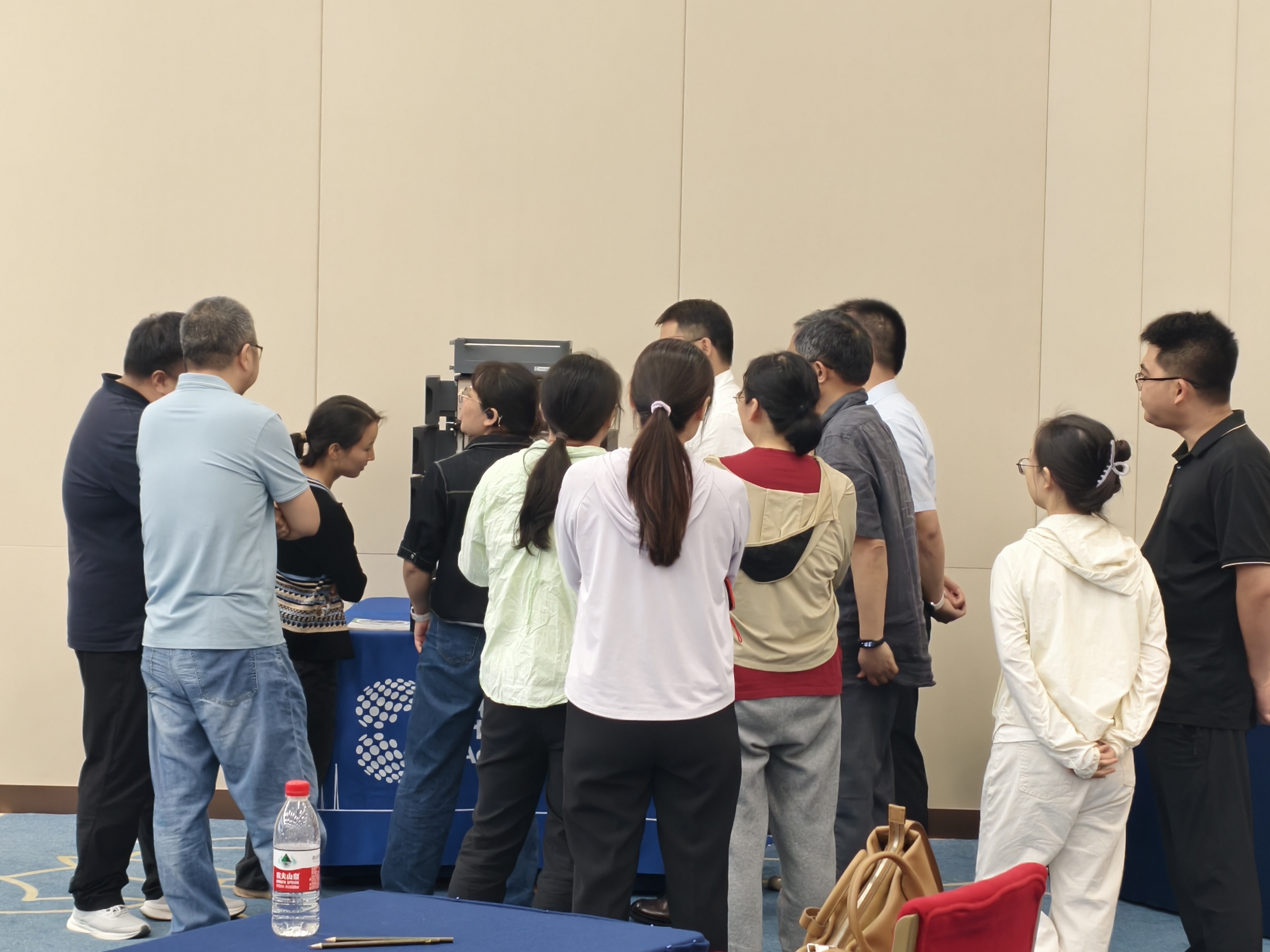
Attendees visited and exchanged views
As the first special meeting of the "National Instrument Beijing Use" project, this Hangzhou exchange meeting has established a platform for government-enterprise research and application exchange in the field of food testing. Relying on authoritative national standard measured data and on-site instrument practical experience, it effectively eliminates industry concerns about the use of domestic instruments, directly addresses the pain points of "dare not to use, unwilling to use, and difficult to use" domestic instruments, and improves the "trial-feedback-iteration" closed-loop development model. Follow-up projects will continue to link resources from all parties, deepen the evaluation and practical application of domestic instruments, accelerate the local replacement of high-end scientific instruments, and help the independent and high-quality development of the food safety testing industry.
View More from This Booth
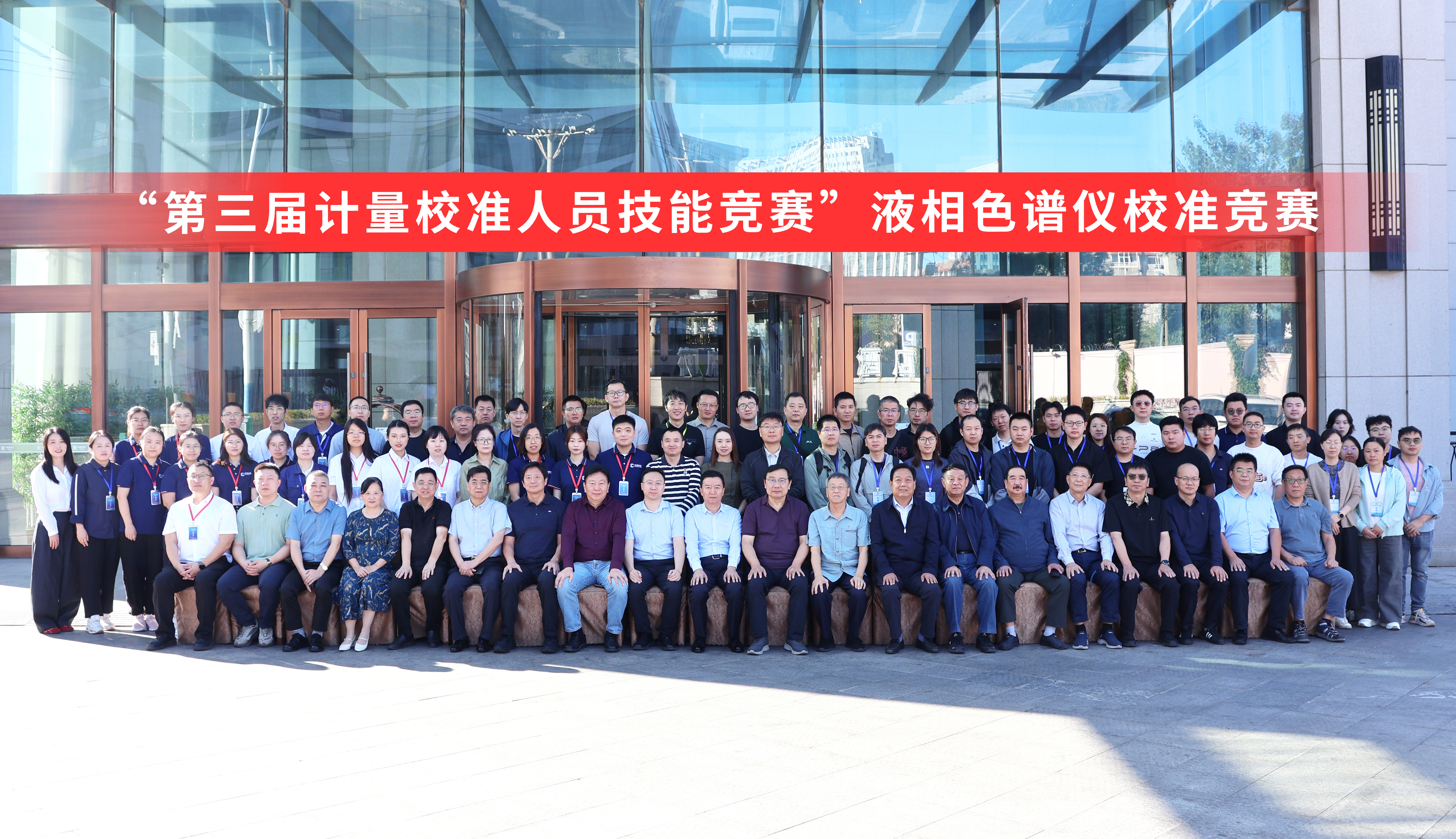
Huapu Instruments brought the S6000 high performance liquid chromatograph to help the "3rd Measurement Calibration Personnel Skills Competition" come to a successful conclusion
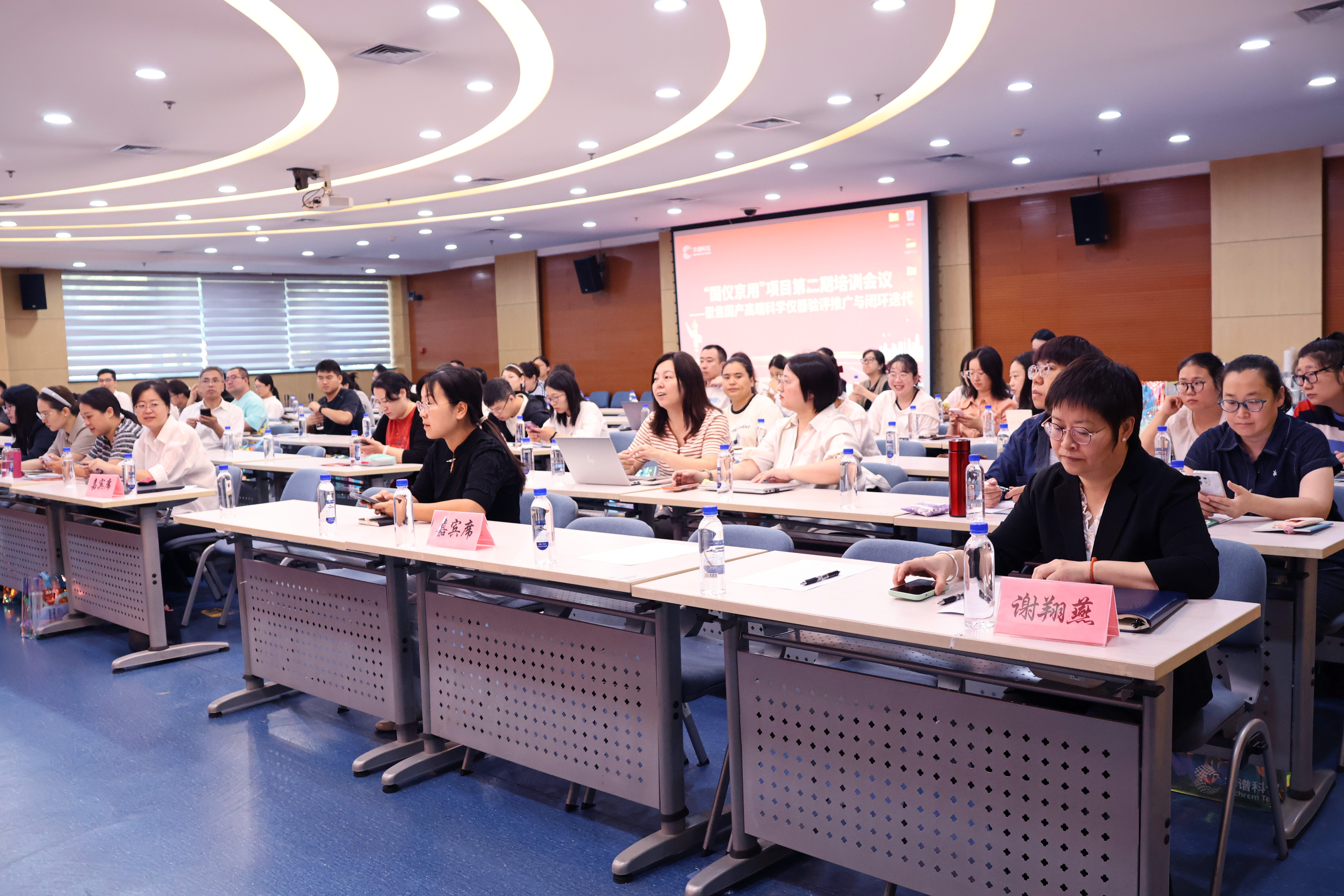
Guoyi Jingyong·Issue 2 | The closed-loop iteration continues to deepen, and the true evaluation data of domestic liquid chromatography provides "centering" for food testing laboratory selection
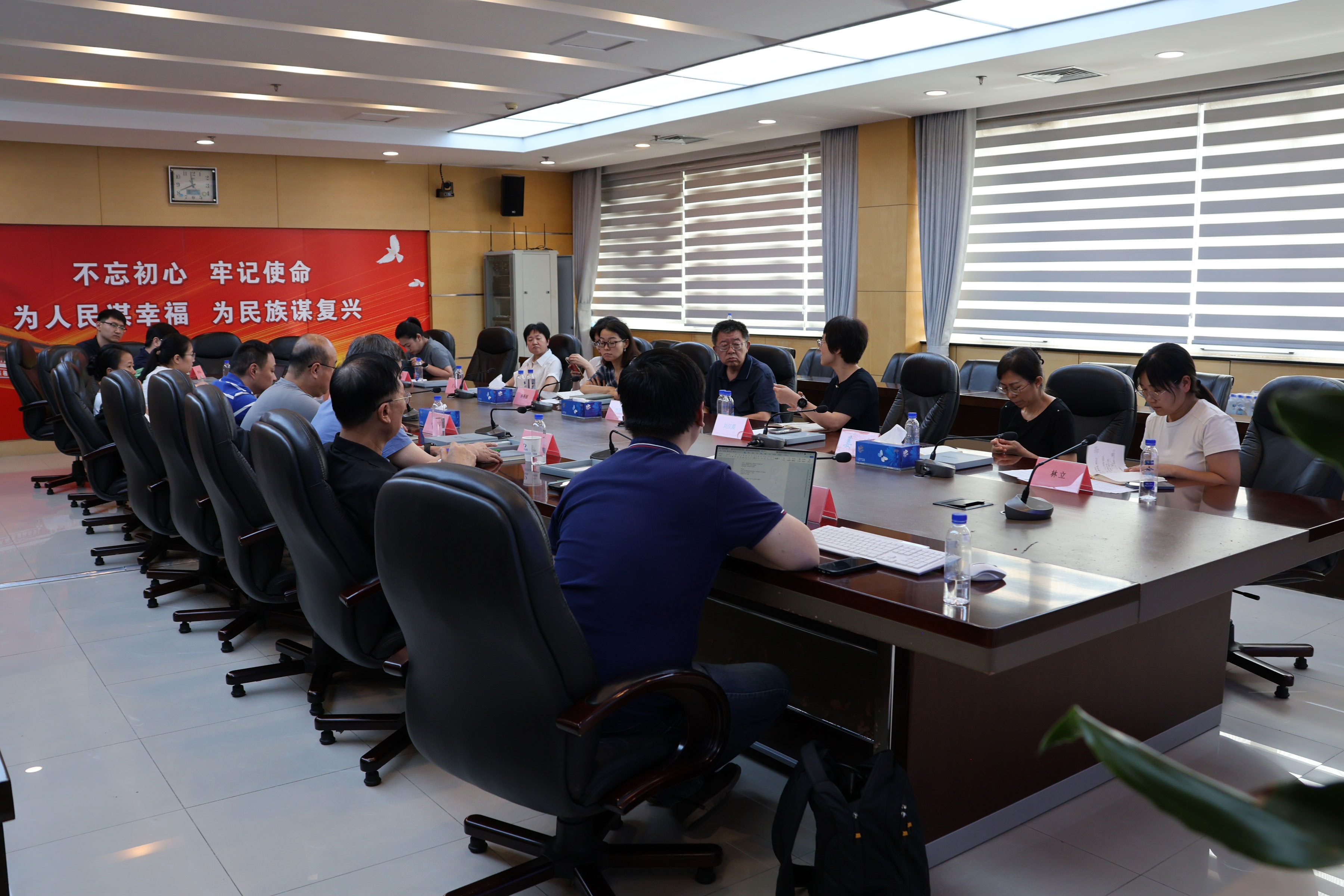
Experts gathered to discuss a new chapter in domestic instruments - a special technical exchange session for the "Guoyi Beijing" project was successfully held
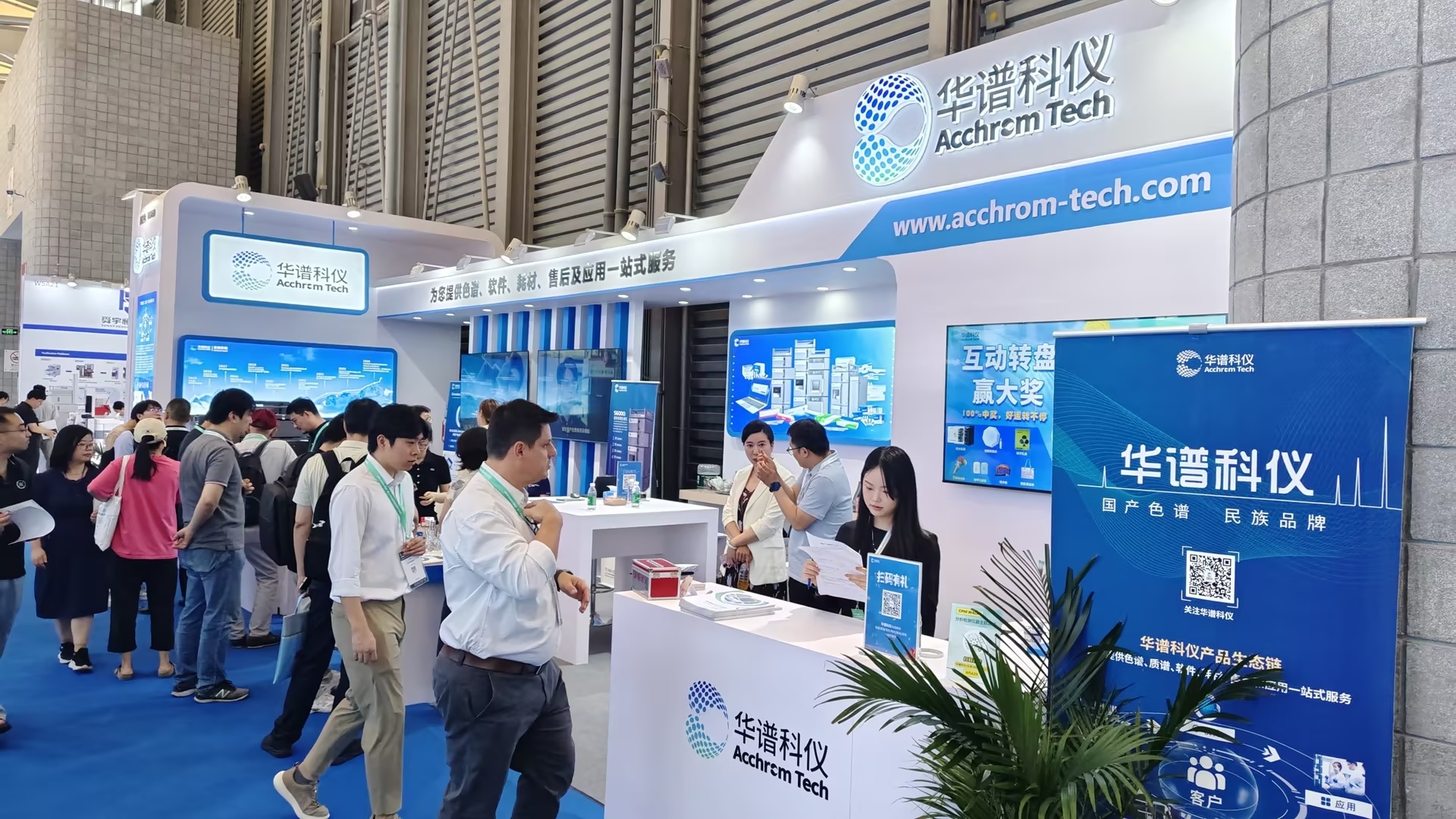
Huapu Instruments presented its liquid chromatography product ecological chain at CPHI&PMEC China 2026 in Shanghai
Recommended Products

Huapu Scientific Instrument S6000PLUS high performance liquid chromatograph
Negotiable
Model:S6000PLUS 高效液相色谱仪