 Gold Member
 Business License
Jie Laimei digital PCR: bringing droplet matrix dPCR solution to complex matrix detection of wastewater
Pathogenic microorganisms, antibiotic resistance genes and exogenous pathogenic nucleic acids are hidden in urban domestic sewage, hospital wastewater, industrial wastewater and river basin pipe networks. These "hidden risks" are the core issues of water environment safety and public health prevention and control.
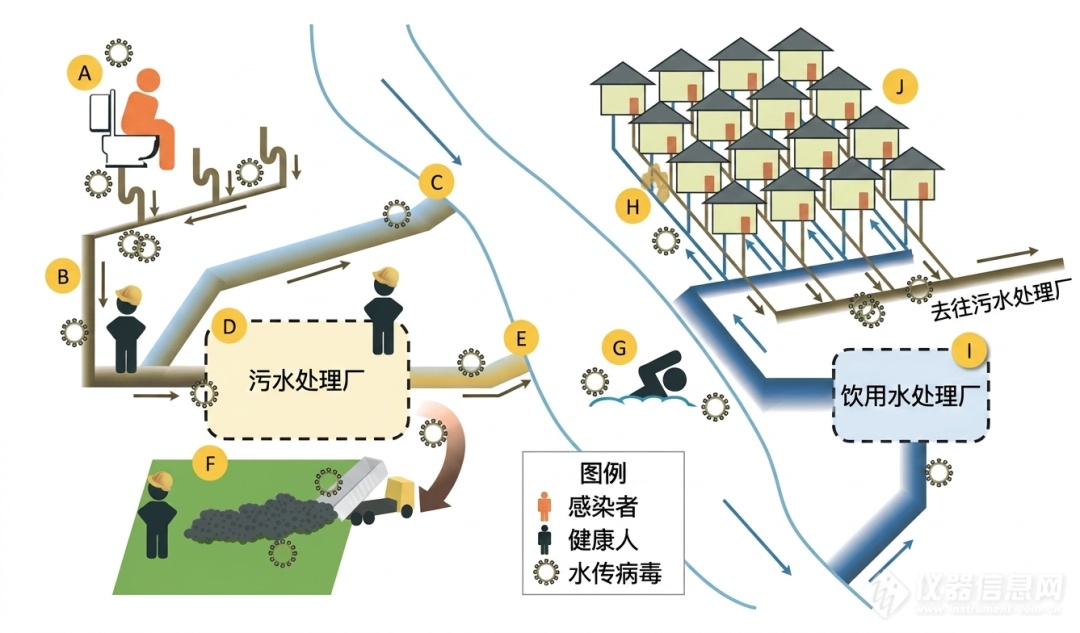 Figure 1:Fate of infectious viruses in urban water circulation and potential exposure pathways
Source: Wigginton K.R., et al. Emerging Investigators Series: The source and fate of pandemic viruses in the urban water cycle. 2015. (Translated)
How to accurately "salvage" these "hidden risks" from the complex wastewater matrix? ——The answer points toDigital PCR。
01Why is digital PCR needed for wastewater testing?
Wastewater testing is inherently complex.
First, target nucleic acids are often present in extremely low amounts.
In environmental samples, viruses, pathogenic bacteria or specific functional genes may only exist in very small amounts. Especially in the early stages of a disease outbreak or pollution, the concentration of target molecules may be far below the stable detection range of traditional detection methods.
Secondly, the wastewater sample matrix is complex.
Wastewater from different sources may contain humic acid, polysaccharides, proteins and other inhibitors that affect PCR reactions. These components may reduce amplification efficiency and lead to biased detection results.
Real-time fluorescence quantitative PCR (qPCR) relies on standard curves for absolute quantification, while digital PCR randomly divides the reaction system into a large number of independent micro-reaction units, and combines them according to the proportion of positive and negative reactions.Poisson statistical model, achieving absolute quantification of target nucleic acid molecules without relying on standards.

Typical applications of digital PCR in wastewater detection

Pathogenic microorganism surveillance and epidemiological early warning
Human viral nucleic acids carried in wastewater can reflect the infection status of regional populations. With its highly sensitive detection capability for low-abundance targets, digital PCR can be used for viral nucleic acid monitoring and provide data support for public health risk warnings.
For example, in virus epidemic monitoring, detecting virus-specific nucleic acid fragments in wastewater can help determine regional transmission trends and realize the transition from "passive detection" to "active early warning."
Antibiotic resistance genes (ARGs) detection
Antibiotic resistance has become an important public health issue of global concern. Wastewater as a microbial spread andgene exchangeimportant environmental media, which may carry multiple resistance genes.
Digital PCR can accurately quantify low-abundance drug resistance genes, providing more reliable data support for sewage treatment process assessment and environmental drug resistance risk analysis.
Microbial contamination and water environment quality assessment
Traditional culture methods have a long cycle and cannot cover a large number of uncultivable microorganisms.
Digital PCR technology based on nucleic acid detection can directly analyze the genetic markers of target microorganisms, improve detection efficiency, and is suitable for various environmental monitoring scenarios such as sewage treatment plants, industrial wastewater, and ecological water bodies.
Faced with challenges such as "low concentration targets, complex samples, and high accuracy requirements" in wastewater detection, Jie Laimei is based on a new integrated integratedMicrofluidic chip technology, which can provide highly sensitive, highly stable and efficient digital PCR solutions for environmental molecular detection.

 Swipe left or right to see more

Core technology: All-in-one integrated microfluidic chip
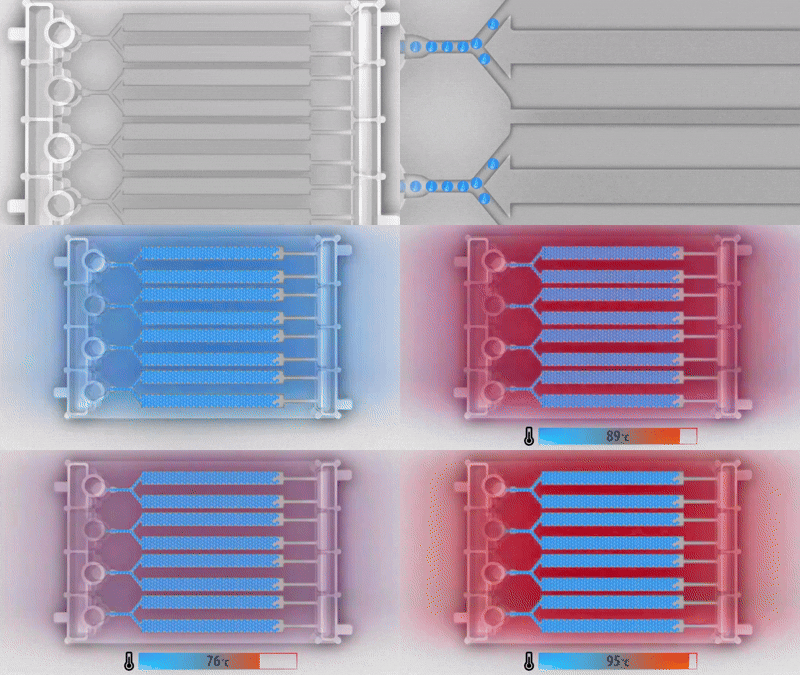
Figure 2: Principle demonstration animation
Jie Laimei digital PCR system uniquely adopts an integrated microfluidic chip design, which combines the advantages of droplet digital PCR and chip-based digital PCR. It highly integrates the droplet generation, PCR amplification and fluorescence detection processes on the same chip platform, realizing a closed detection process of "sample in, result out".
After the sample enters the chip, a large number of uniform, stable and closely arranged matrix single-layer droplets are formed under the drive of the microfluidic system, and then PCR amplification is directly performed without the droplet transfer operation in the traditional process, reducing sample loss and cross-contamination from the source. At the same time, combined with efficient temperature control, rapid and accurate thermal cycling is achieved and amplification time is shortened.
In the detection of complex wastewater samples, this technology provides guarantee for the reliable detection of low-abundance targets from multiple dimensions such as droplet uniformity, temperature control accuracy, and anti-pollution.
Jie Laimei digital PCR also has these advantages:
Single copy level sensitivity
The detection limit can reach single copy level, effectively dealing with low-abundance targets and complex background interference in wastewater samples.
Advanced Multiplexing function
Beyond the limit of channel number, it can achieve simultaneous quantitative detection of more targets in one reaction, reduce the consumption of samples and reagents, and shorten the detection time.
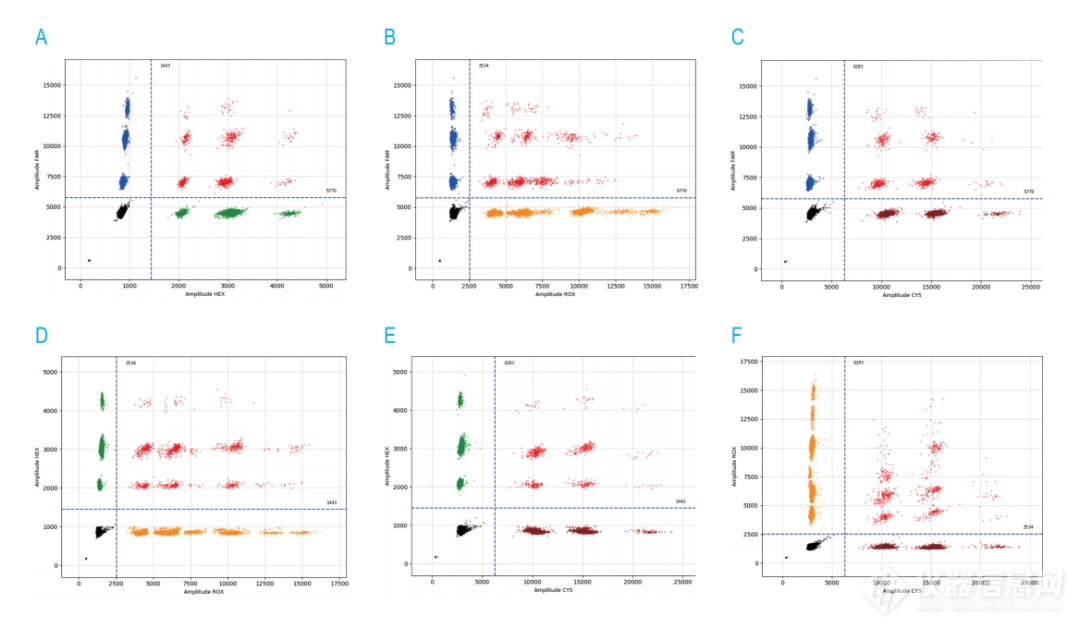
Figure 3: The TaqMan probe method is used to form a 9-plex digital PCR system with four channels of FAM, HEX, ROX, and CY5 (configured with 2, 2, 3, and 2 probes respectively), and the two-dimensional diagram of the six groups of channel combinations shows the differentiation of positive droplets for each target.
Powerful intelligent image analysis
Supports visual traceback of positive droplets, effectively identifies and corrects potential false positives, and improves detection specificity and accuracy.
Open application platform
The open platform is compatible with third-party reagents, reducing usage costs.
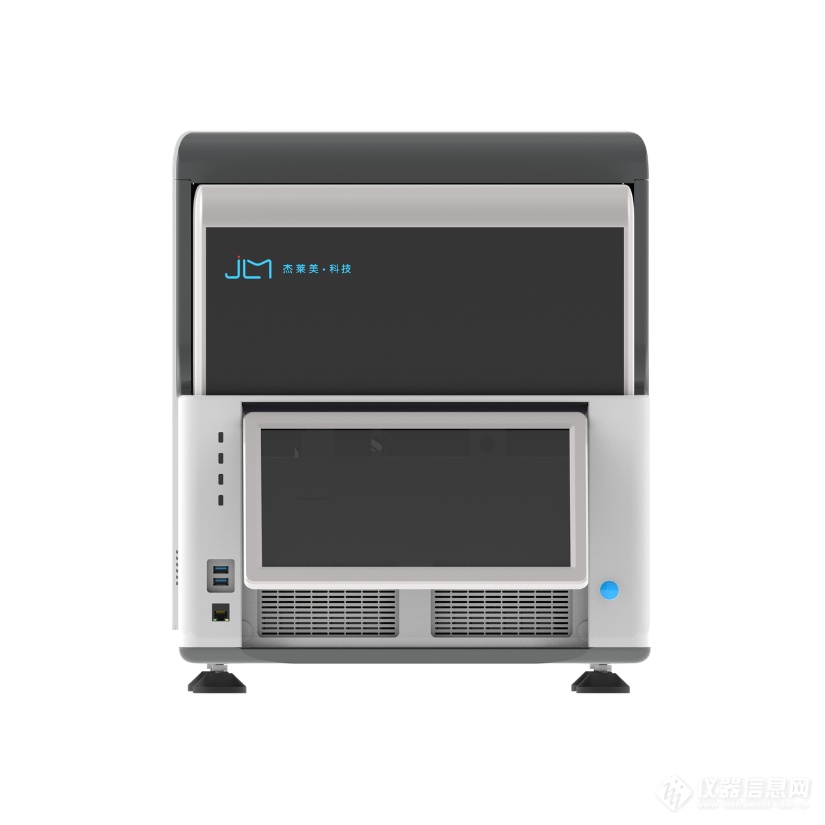
DiOne: fully automatic all-in-one machine
4-32 samples/batch
4/5/6/7 channels
20000-25000 droplets
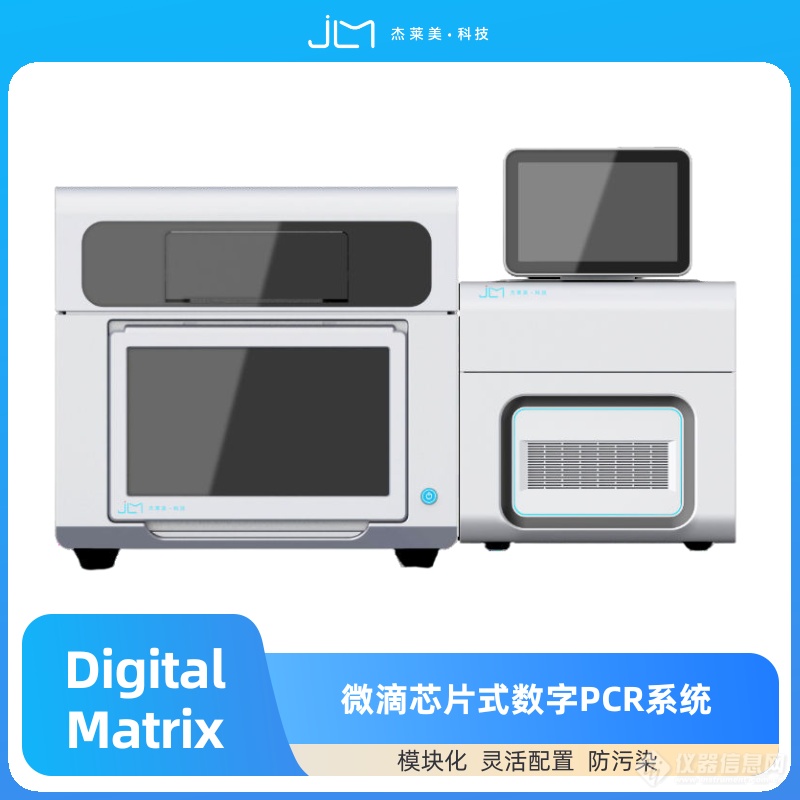
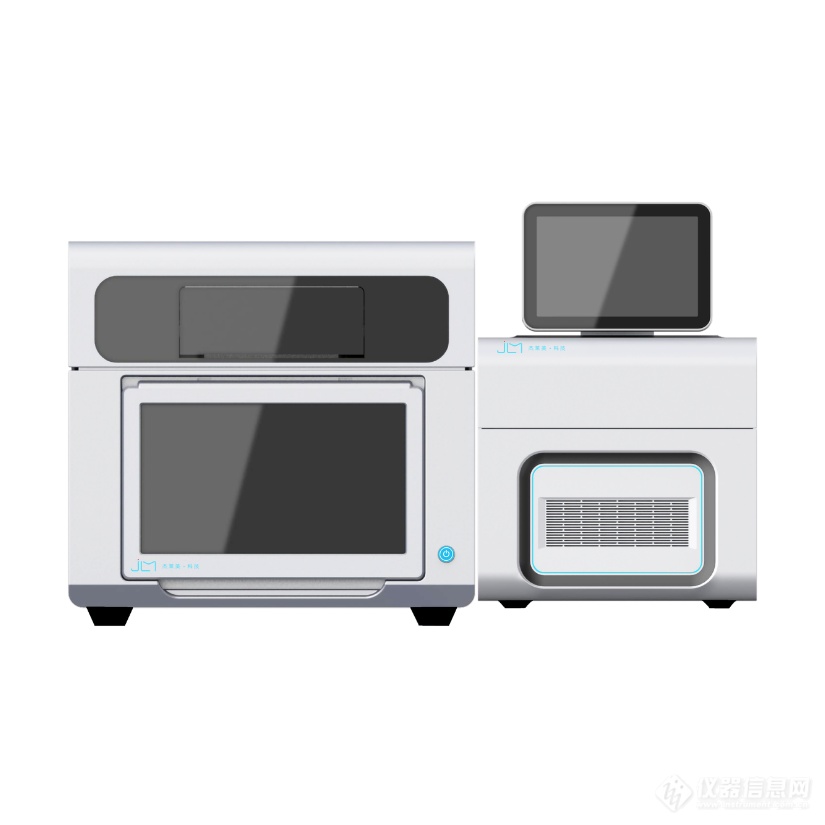
Digital Matrix: droplet matrix preparation amplification instrument + droplet matrix reader
Droplet matrix preparation amplification instrument: 1-32 samples/batch,20,000-30,000 droplets
Droplet matrix reader: 3/4/5 channels,1-16 samples
From environmental risk monitoring to public health warning, from pathogen detection to drug resistance gene analysis, wastewater monitoring is entering a more accurate and efficient molecular era.
The Jie Laimei digital PCR system brings highly sensitive, high-precision, and highly automated molecular detection capabilities into environmental monitoring scenarios.Provide reliable wastewater testing technical support for disease control, environmental monitoring stations, scientific research institutions, testing laboratories and users in the environmental protection field.
If you are interested inJeremy digital PCRinterested
Welcome to contact us
Get free product demos and technical solutions!
View More from This Booth
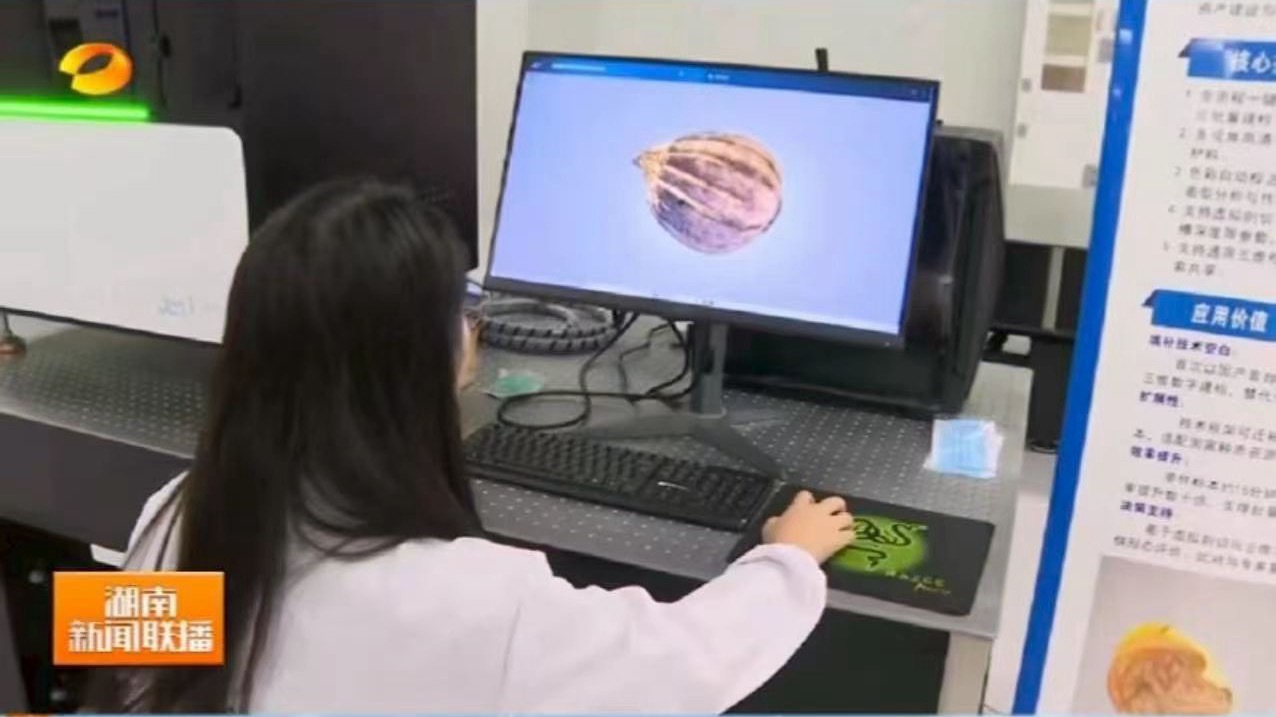
Jie Laimei's three-dimensional digital system was unveiled at the National Chinese Medicinal Material Germplasm Resource Bank, and Hunan Satellite TV reported it!
qPCR is always "late", and dPCR also overturns? Maybe the PCR inhibitor is causing trouble
qPCR is always "late", and dPCR also overturns? Maybe the PCR inhibitor is causing trouble

Good News | Jie Laimei Technology was awarded the 2026 Chengdu Enterprise Technology Center
Application Case | Jie Laimei's three-dimensional digital specimen rapid construction system empowers ginseng morphological identification and digital specimen library construction
Recommended Products