











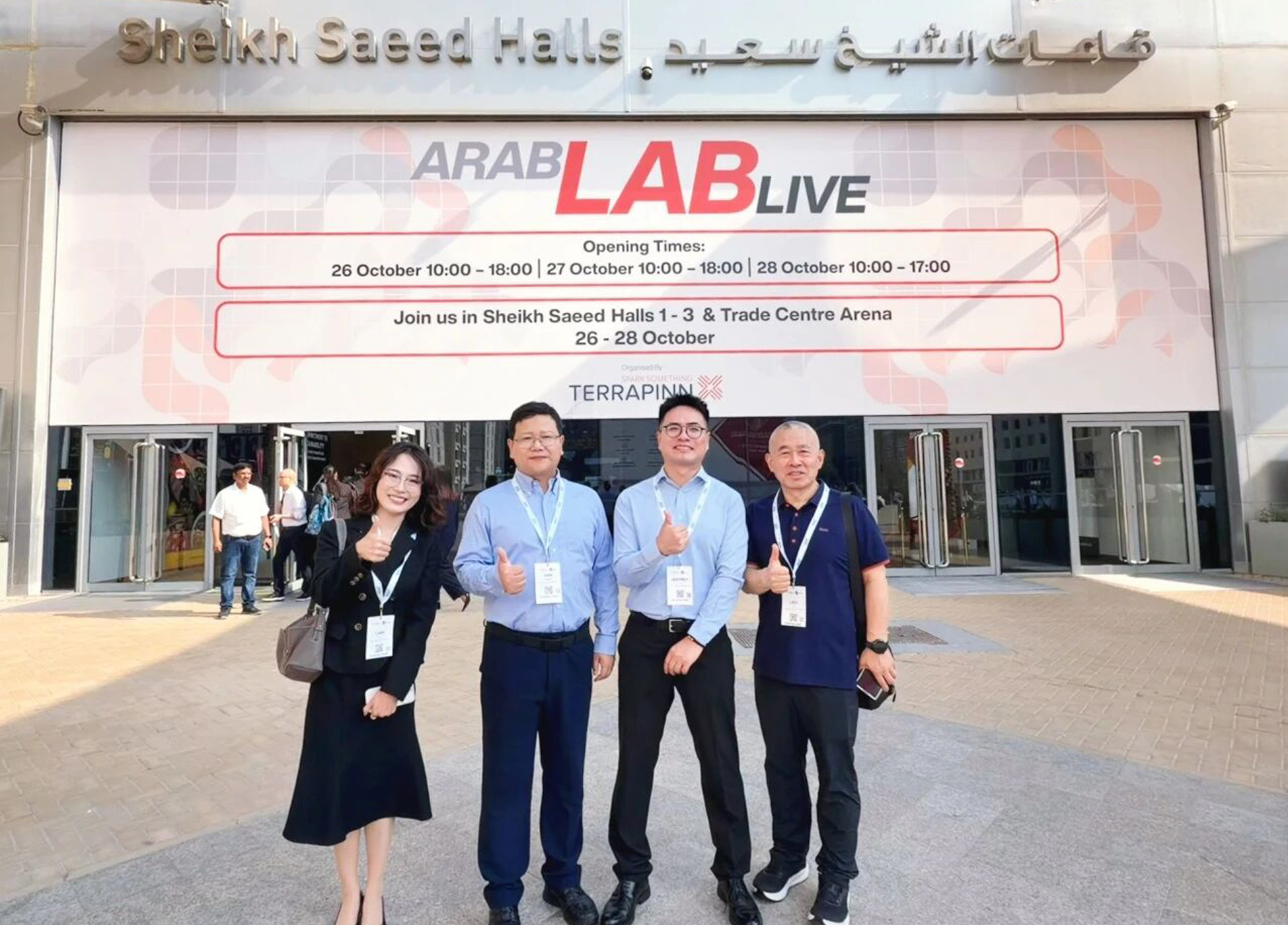
Being close to users continues from every meeting, Haineng goes to ARABLAB again
Company News
Oct 30, 2026

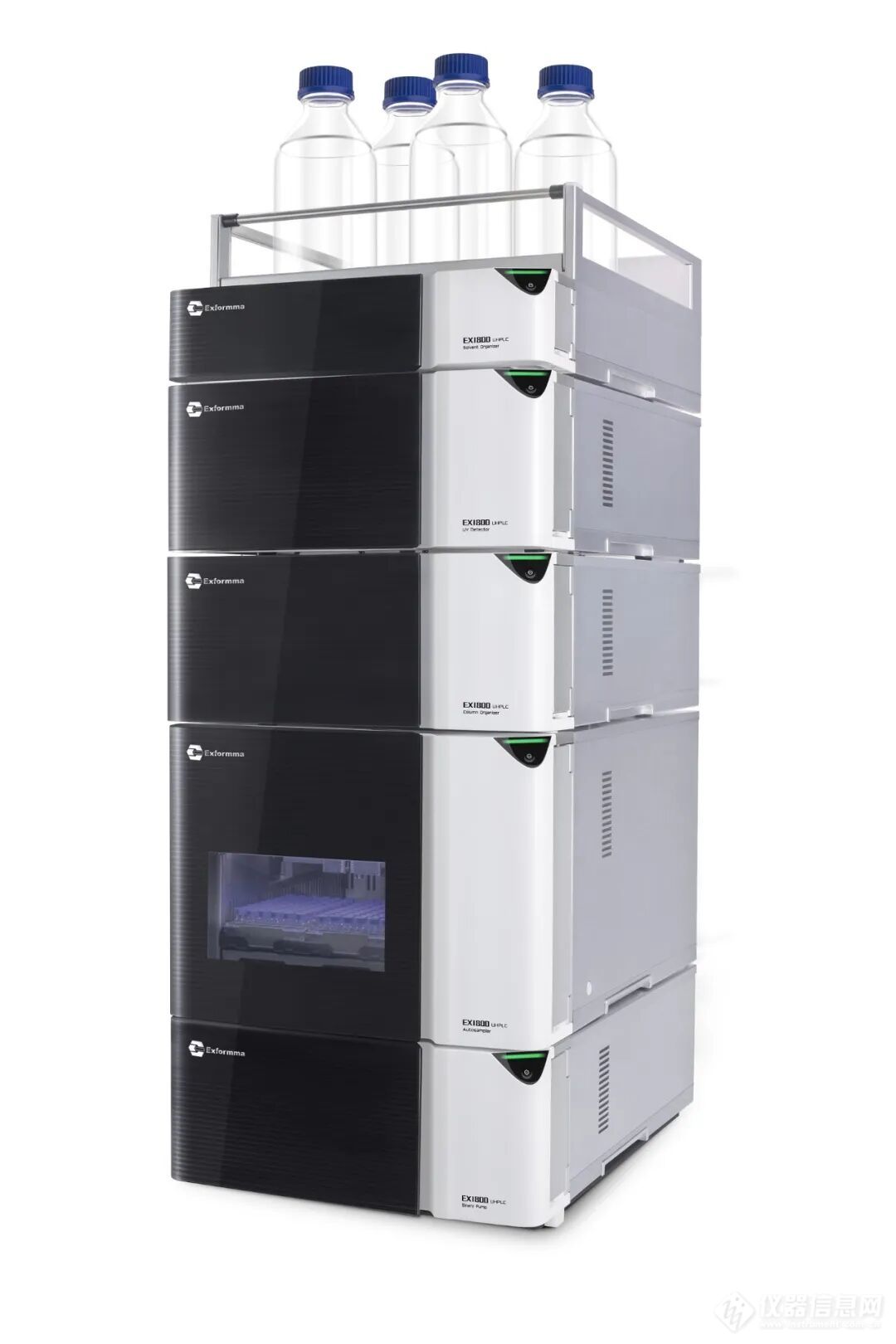
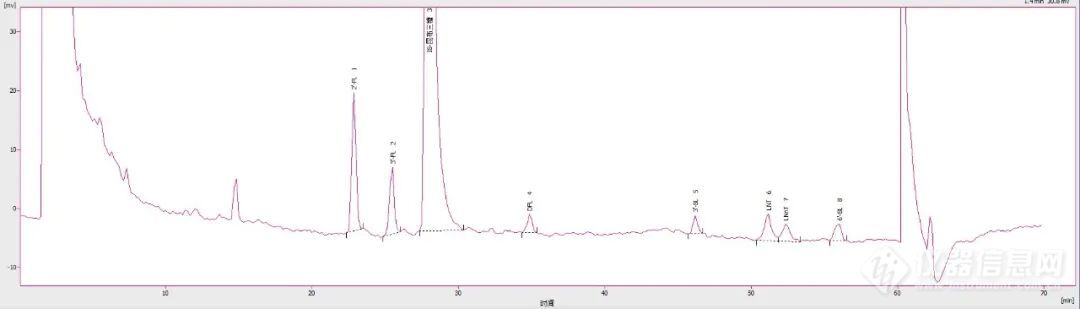
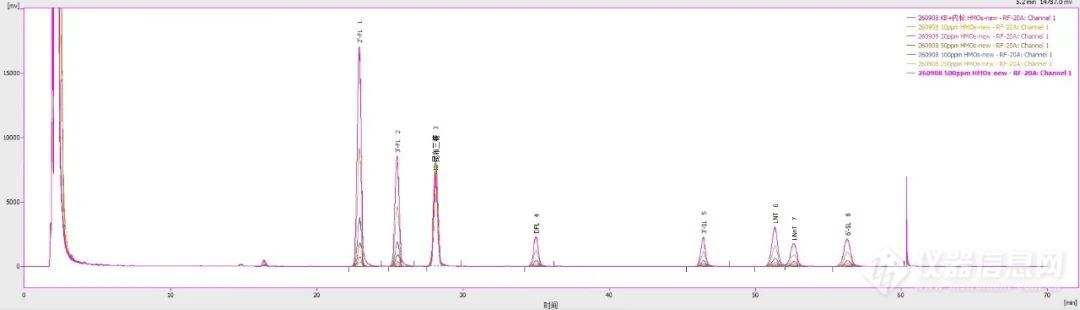
EX1800 fluorescence method conquers HMOs isomers
Separation DilemmaWUFENG TECH
Breast milk oligosaccharide detection, Wufeng Instruments delivers the answer sheet for one-shot baseline separation of 7 HMOs
The separation between LNT and LNnT is >1.7!

When you visit any website, it may store or retrieve information on your browser, mostly in the form of cookies. This information might be about you, your preferences or your device and is mostly used to make the site work as you expect it to. The information does not usually directly identify you, but it can give you a more personalized web experience. Because we respect your right to privacy, you can choose not to allow some types of cookies. Click on the different category headings to find out more and change our default settings. However, blocking some types of cookies may impact your experience of the site and the services we are able to offer.