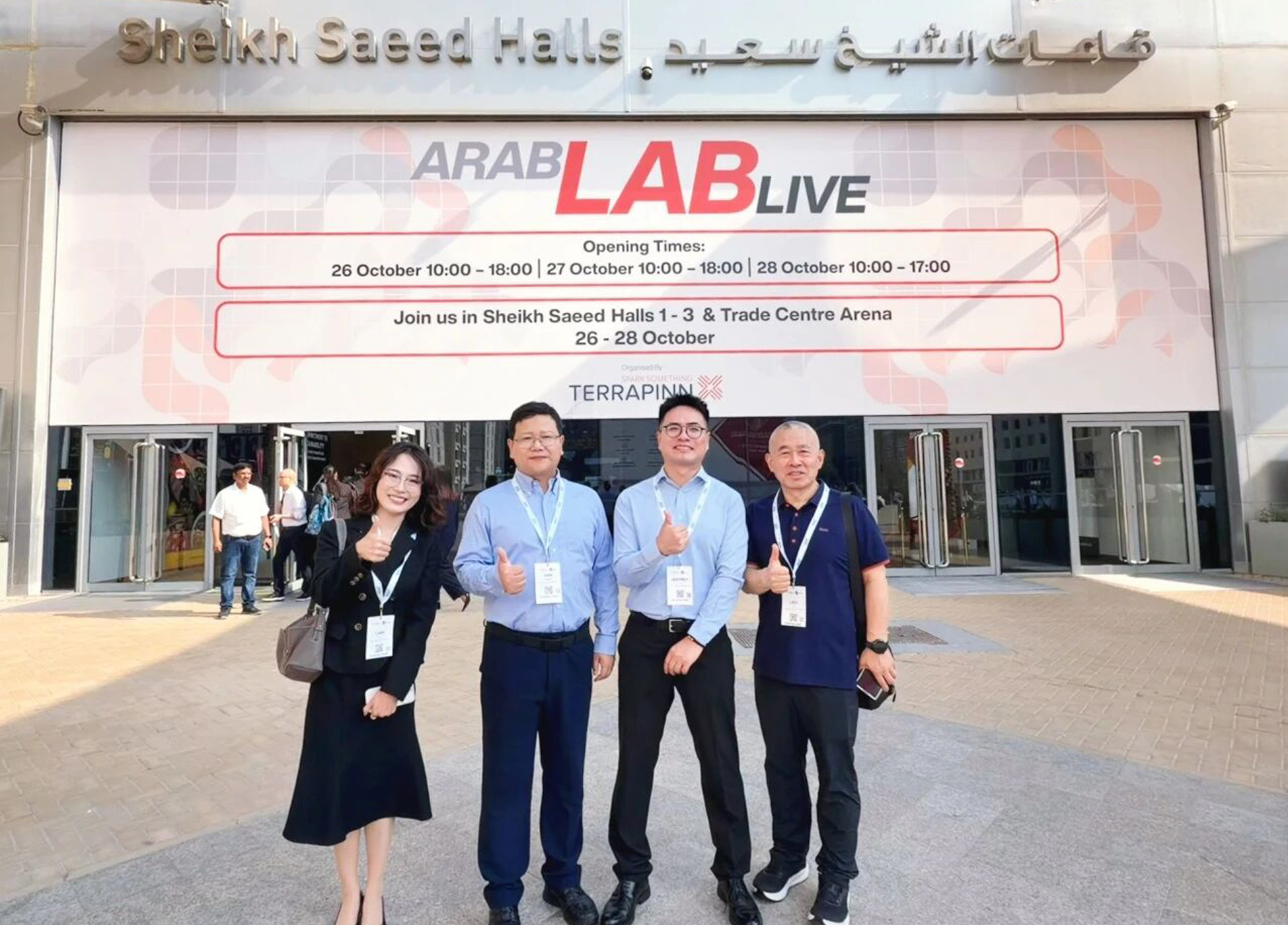
Being close to users continues from every meeting, Haineng goes to ARABLAB again
Company News
Oct 30, 2026

Chromatography Laboratory Upgrade Guide
Dismantling of the chromatography scene automation + digital upgrade solution
In the chromatography laboratory, there are a mountain of testing tasks. Adding samples, injecting samples, and recording data are all in a continuous cycle. Mistakes may occur if you are not careful;
In the face of toxic and harmful sample reagents, even if you are protected at all levels, you will inevitably worry about the health risks of long-term exposure;
When it’s time to do a compliance audit, go through paper records and scattered electronic documents, looking for data to find the big deal...
These "common problems" in traditional chromatography laboratories now have more efficient solutions!
Through the full-link upgrade of automation + digitalization, the laboratory is completely transforming from "relying on manual labor" to "unmanned, traceable, and highly stable".

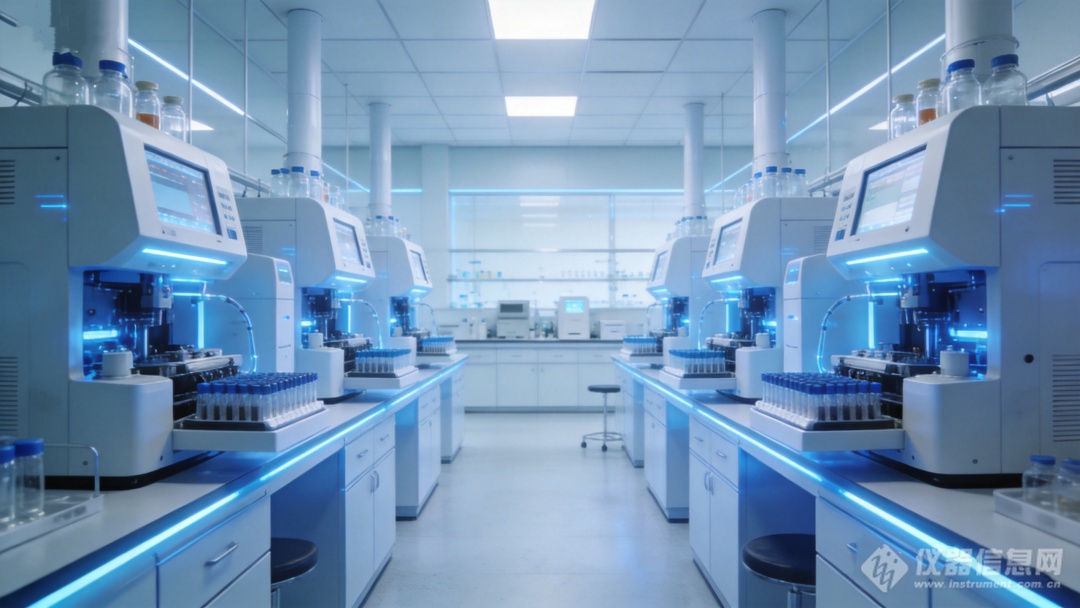
With the explosive growth of detection demand, the shortcomings of traditional operating modes have become increasingly obvious:
Chromatography experiments involve many manual operations from sample processing to computer analysis, and the process is long. When the peak of batch testing is encountered, the manpower ceiling is obvious. Not only can the cycle of results not be reduced, but the operations of different batches are prone to deviations, and stability is difficult to guarantee.
There are inevitably errors in every step of manual operation such as sample dividing, labeling, and data recording. When the final result is wrong, if you want to go back and find out which step caused the problem, it is difficult to find the basis, which directly affects the reliability of the test results.
When doing experiments, you have to deal with toxic and harmful samples and reagents every day. No matter how complete the protection is, long-term exposure will inevitably lead to worries about occupational health risks, which has always been a worry for practitioners.
Normal operations leave no trace, and the data is scattered and recorded in notebooks, Excel, or different systems. When audits are required, traceability requires a lot of manpower to organize the data. There may also be a lack of data, which puts a red line on compliance.
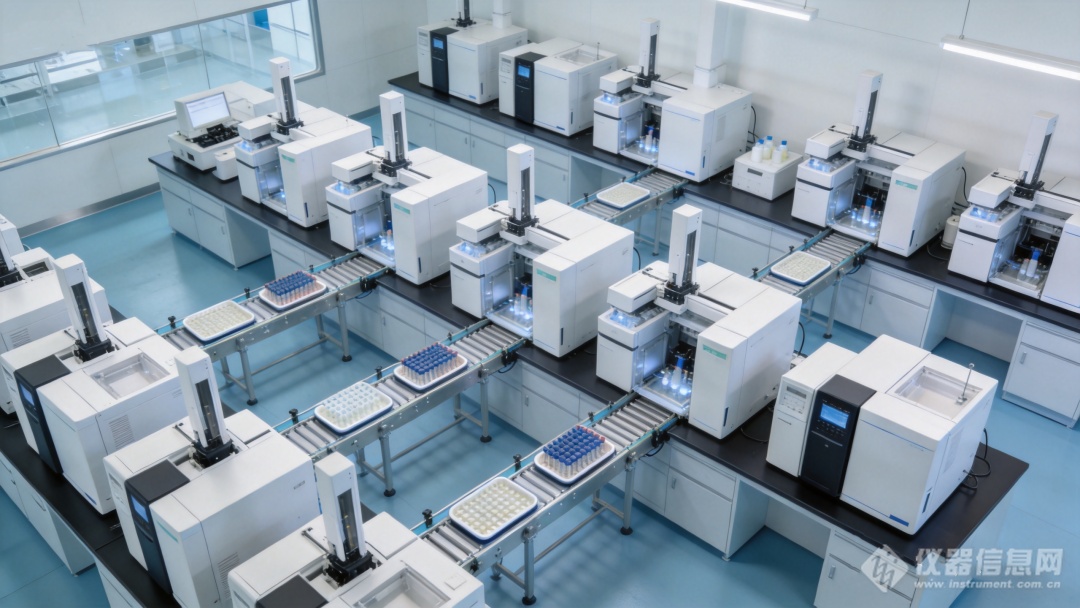
Shenghan chromatography smart laboratory solution meets laboratory standardsSOPAs the core, automated equipment and intelligent platforms are used to connect the complete link from sample storage to report generation, truly realizing the entire process is unmanned:
Instead of manually doing high-precision work such as weighing, sample dividing, and adding standards, the error can be controlled to a very small range, and consistency is ensured from the source sample processing link.
Transported by AGV, rail orConveyor lineBy connecting various functional areas in the laboratory, samples are automatically sent to the next process link after each step, which not only saves time but also reduces contact risks.
Depend on7th axis robotOr a composite robot can automatically load and unload samples to the chromatograph, and can also directly control the operation of the equipment, running 24 hours a day, greatly improving equipment utilization.
Directly connect to existingLIMS system, detection tasks are automatically dispatched, and analysis data is automatically uploaded.The entire process is visually displayed, all operations and data are fully traced, and all operations and data can be queried.
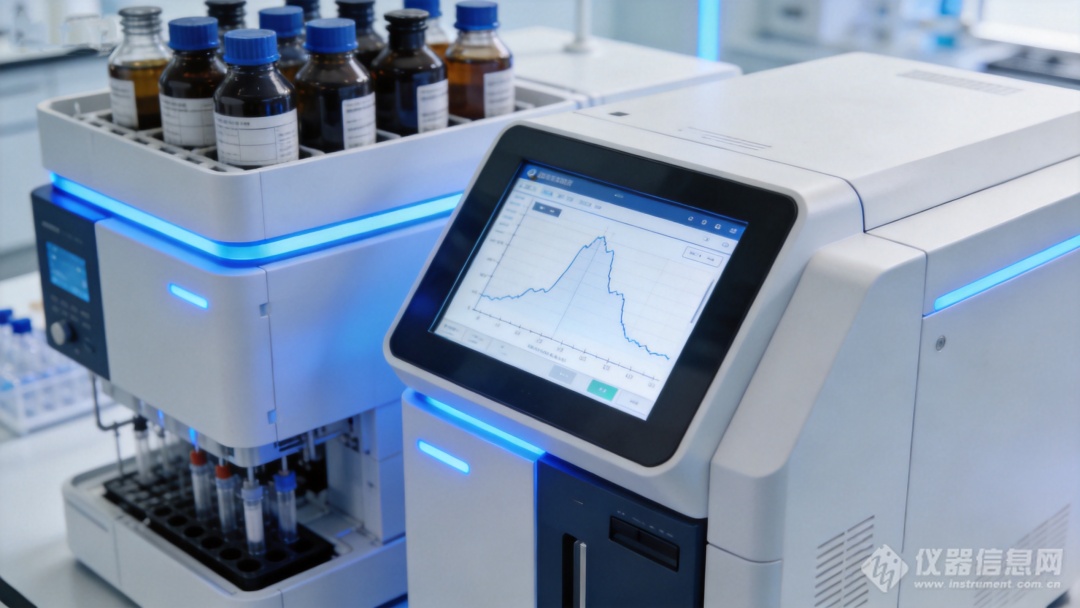
The changes brought about by this plan are not just as simple as “requiring a few fewer people”:
The sample processing error rate is less than 1%, and the stability of the results is significantly improved; at the same time, the dosage of reagents and consumables is standardized, reducing waste and greatly reducing long-term operating costs.
After the beat of the entire process is optimized, coupled with multi-channel parallel processing, both the processing speed of a single sample and the amount of detection per unit time can be significantly improved, and no matter how large the detection peak is, it can easily handle it.
Experimenters no longer need to directly come into contact with toxic and harmful samples and reagents, which fundamentally reduces occupational health risks; moreover, all operations leave traces and data are automatically saved, meeting audit traceability requirements and making compliance more worry-free.
Modular design can not only customize the plan according to the existing space and equipment of the laboratory, but also customize the plan according to the businessExpansion can be achieved by adding modules at any time; at the same time, it can be connected to existing systems such as LIMS and MES, so that data is not isolated and integrated into the overall digital layout of the enterprise.
From "artificially driven" to "data driven", the future of chromatography laboratories is already moving at full speed towards a more efficient, safer and smarter direction.


When you visit any website, it may store or retrieve information on your browser, mostly in the form of cookies. This information might be about you, your preferences or your device and is mostly used to make the site work as you expect it to. The information does not usually directly identify you, but it can give you a more personalized web experience. Because we respect your right to privacy, you can choose not to allow some types of cookies. Click on the different category headings to find out more and change our default settings. However, blocking some types of cookies may impact your experience of the site and the services we are able to offer.