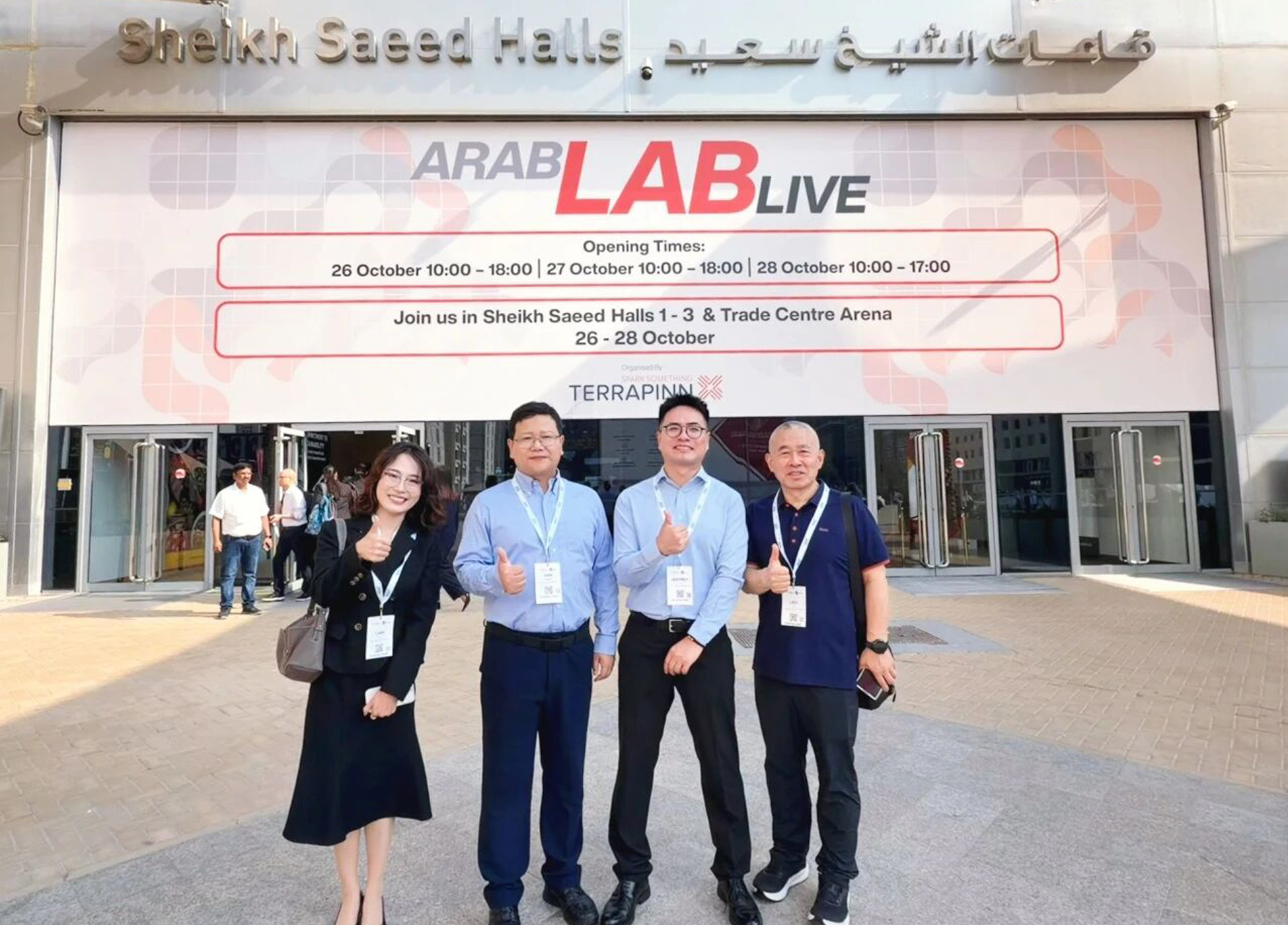
Being close to users continues from every meeting, Haineng goes to ARABLAB again
Company News
Oct 30, 2026

Starting from the east gate of Chengdu University of Technology and walking northeast along Chenghua Avenue for about half an hour, Longtan Industrial Park will come into view. For students majoring in chemistry, this area lined with factory buildings is no stranger - the "sample preprocessing" mentioned repeatedly in class has a complete industrial carrier here. On July 14, 2026, more than 60 teachers and students from Chengdu University of Technology walked into Opule Technology Group (Chengdu) Co., Ltd., completing a cognitive leap from campus theory, industry-university-research traceability to industrial mass production practice. As the chief scientist of the company, Mr. Luo Fangruo, who has been deeply involved in microwave digestion technology for decades, was also fully displayed in front of the teachers and students during this visit.
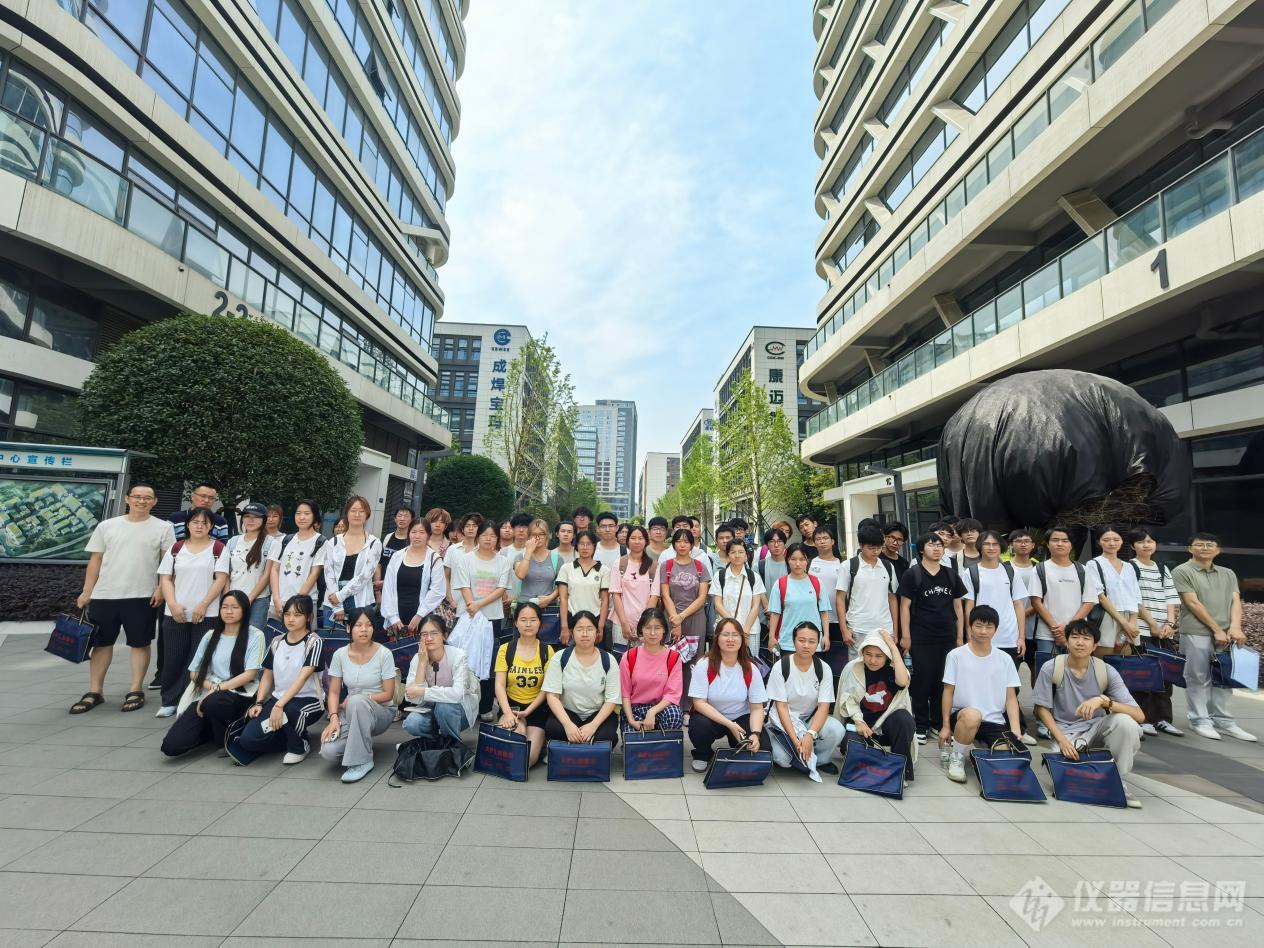
Warm reception: the same school-enterprise origin
After arriving at the Opule headquarters at No. 118 Hangang Road, Chenghua District, the reception staff was already waiting at the door. There are no rigid corporate presentations, instead hot tea and cordial greetings, allowing first-time students to quickly lose their inhibitions. The company's technical director accompanied the explanation throughout the entire process, and the opening chapter pointed out the deep connection between the two parties: Mr. Luo Fangruo, the chief scientist of Opule, is the pioneer of domestic microwave digestion technology. As early as the 1980s, he had in-depth cooperation with Chengdu University of Technology (formerly Chengdu Institute of Geology) to train graduate students; at the same time, the company participates in school recruitment all year round, and a large number of Chengli alumni have taken root in the company's R&D and production front lines. The trip of teachers and students is more like entering an "extended laboratory" where the scientific research achievements of the school's predecessors are industrialized.
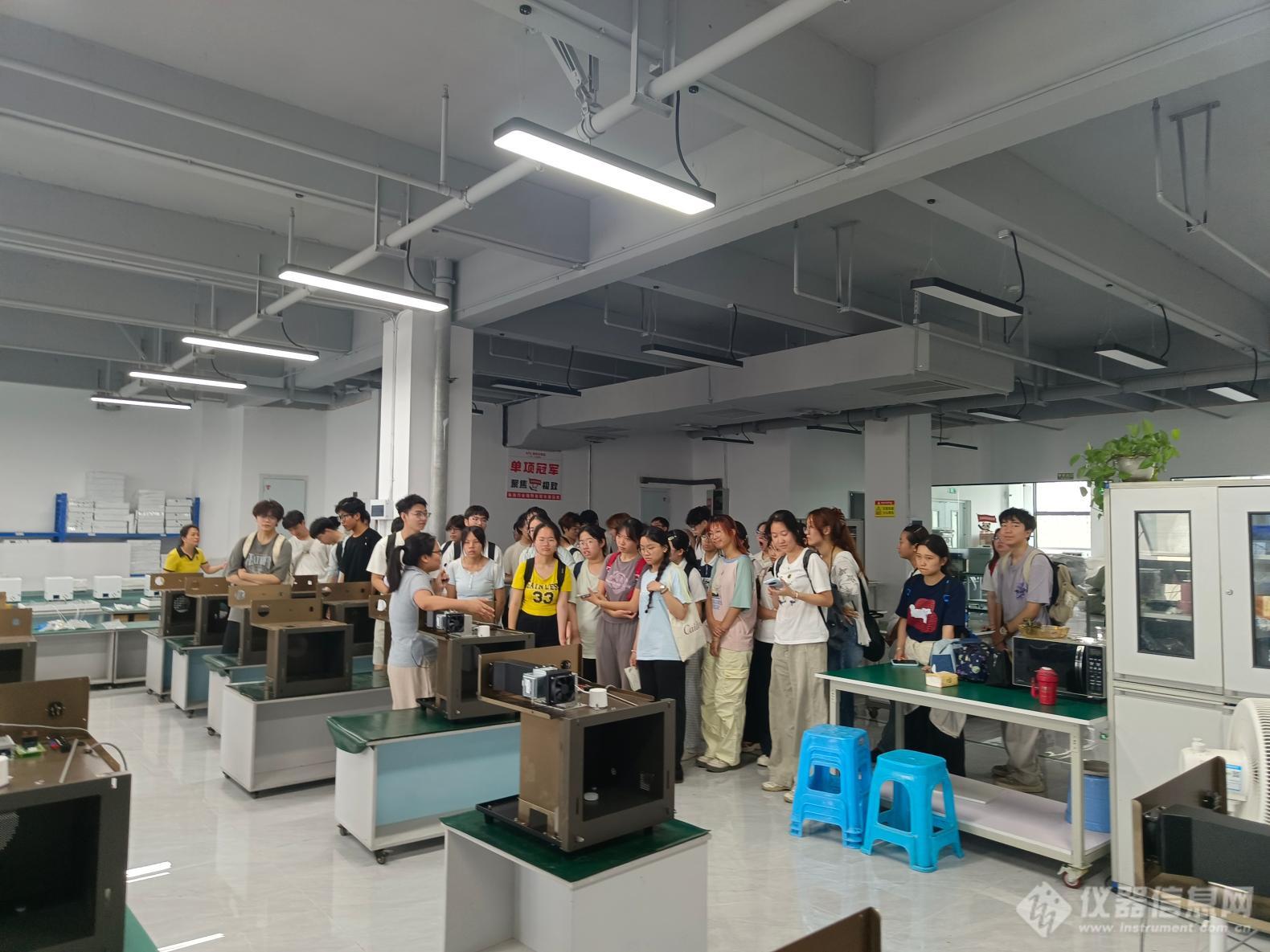
Product Tour: Textbook Theory Implemented into Physical Instruments
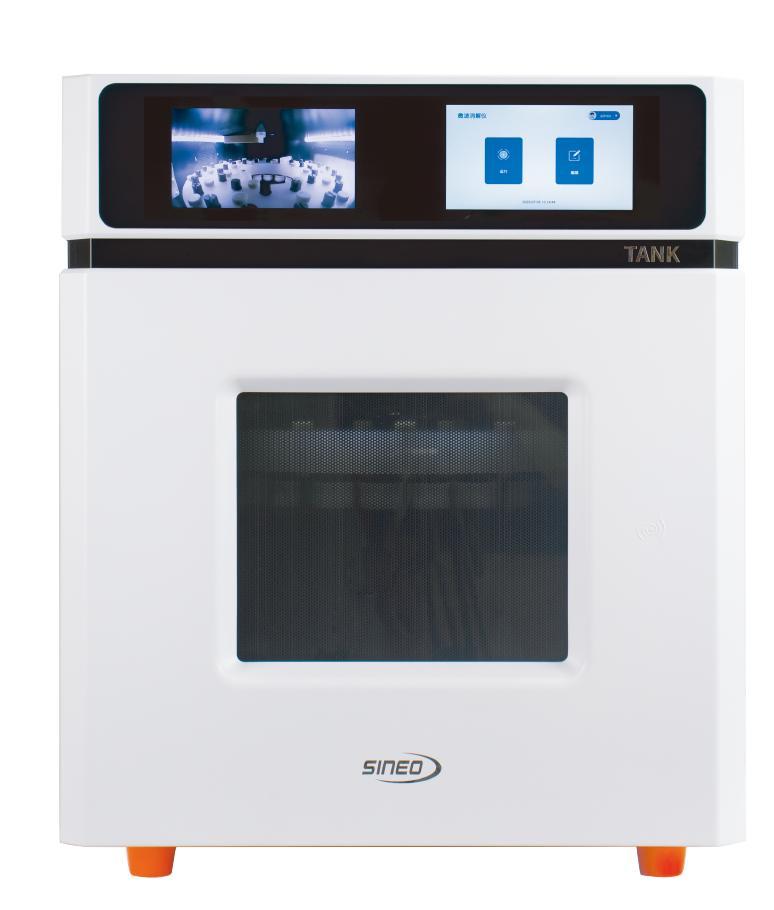
The first stop of the visit is the product display area, where various pre-treatment instruments such as microwave digestion equipment, graphite digestion equipment, headspace samplers, thermal desorption, and purge and capture are neatly displayed. These professional terms that appear repeatedly in the "Instrumental Analysis" and "Geological Analysis" classes are intuitively presented in the form of physical equipment. The technical person in charge dismantled the details of the equipment one by one: "This microwave digestion instrument can process multiple groups of samples simultaneously, with uniform heating, and the corrosion-resistant PFA coating on the inner wall of the furnace cavity is exactly the supporting protection scheme optimized by Mr. Luo Fangruo in his early years under the guidance of Chengdu graduate students through repeated tests." Many students closely observed the structure of the furnace cavity and digestion tank, compared with what they learned in class, and intuitively understood the equipment structure of microwave closed digestion. The company's products widely serve the fields of environmental monitoring, food safety, geology and minerals, biomedicine and other fields, covering various institutions across the country such as water affairs, disease control, food and drug testing, geological and mineral laboratories, etc. The core technology foundation originated from the early scientific research jointly carried out by Luo Fangruo and Chengdu University of Technology.
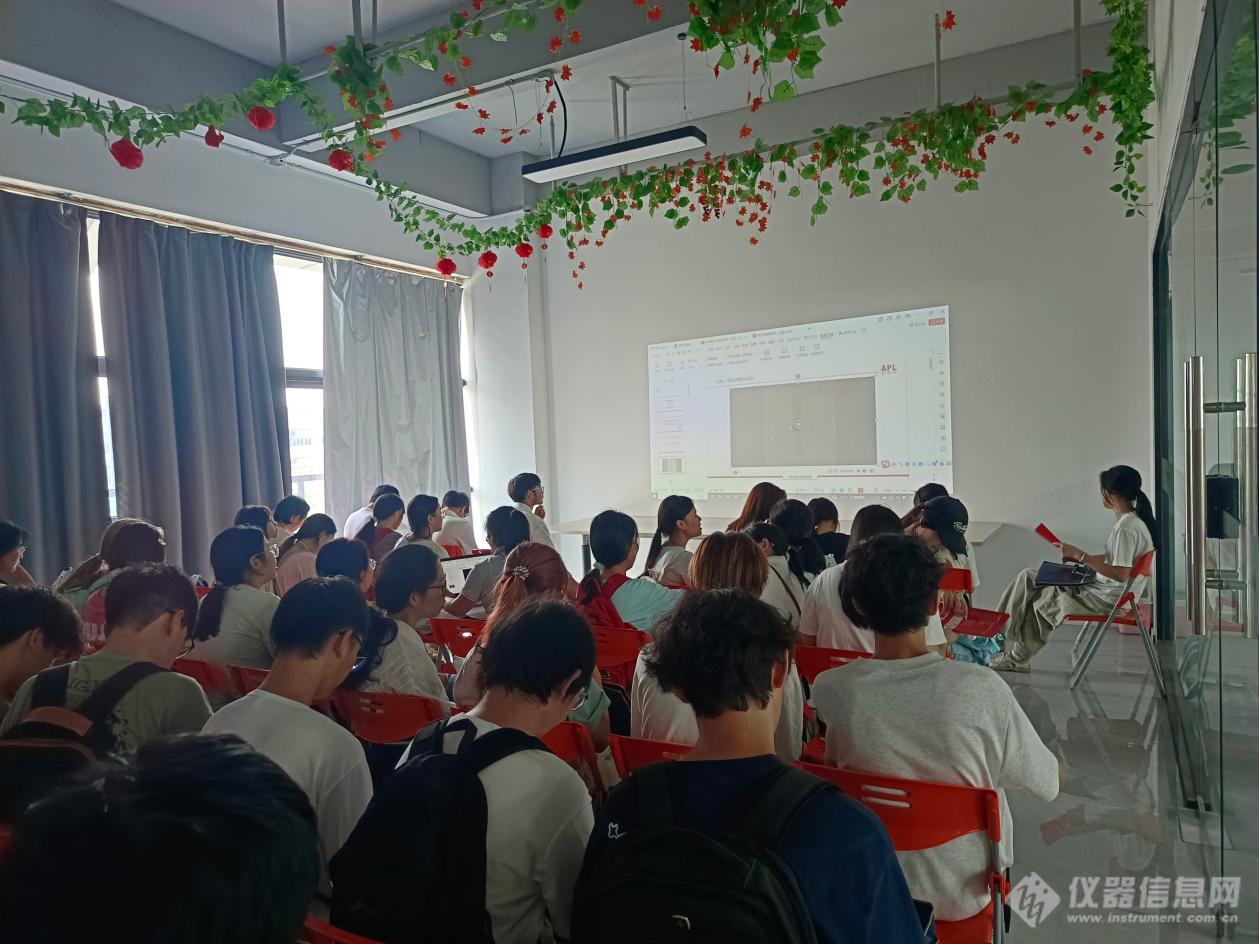
Enterprise development history: from Chengli laboratory to domestic instrumentsHead brand
During the sharing session in the conference room, the staff completely sorted out Opule’s technology traceability and development history, and the core context revolved around the enterprise.Chief Scientist Luo FangruoThe industry-university-research process unfolds: Opule was officially established in 2006, but the origin of the brand's core technology can be traced back to 1988 - at that time, Luo Fangruo, as an off-campus co-mentor, led graduate students at Chengdu University of Technology (formerly Chengdu Institute of Geology) to launch domestically blank microwave-assisted closed sample digestion technology research, launching pioneering research in the field of microwave digestion in China. At that time, there was no mature domestic digestion equipment in the country. The imported instruments were expensive and the supporting digestion tanks did not have a safe pressure relief structure, making them prone to bursting risks. Luo Fangruo led Chengli graduate students to build the first-generation home microwave oven modification experimental platform, conducted a large number of comparative experiments on geological rocks, water system sediments, organisms and Chinese herbal medicine samples, and independently designedFR-1 (Fangruo No. 1) sealed pressurized digestion tank with automatic safety pressure relief, solving the biggest safety pain point of sealed microwave digestion; in 1993, this digestion tank successfully obtained a national patent, completely breaking the foreign technology monopoly. Over the years since then, Luo Fangruo has continued to guide many graduate students in science and technology iterations: in 2003, the double explosion-proof upgraded FR-2 digestion tank was patented again; at the same time, he jointly published a number of core journal papers with teachers on campus.participateCompile the first monograph on "Modern Microwave Sample Preparation Technology" in China, systematically improve the complete set of analysis methods for microwave digestion of geological and environmental samples, and build a new sample pretreatment teaching system for analytical chemistry and geochemistry in colleges and universities. Luo Fangruo serves as the chief scientist of Opule, industrializing a full set of microwave digestion core technologies accumulated through more than 30 years of joint research and development between schools and enterprises. Opule has now passed ISO9001 quality management and ISO14000 environmental system certification, and its core equipment has obtained EU CE safety certification. The Longtan base is equipped with complete R&D and production lines, and has more than 30 after-sales service outlets across the country. It adheres to the corporate mission of "professionalism and makes analysis more efficient" and realizes the complete transformation of university scientific research results into domestic high-end scientific instruments.
Principle Revealed: Safety and Precision R&D Ideas Inherited for More than Thirty Years
The link that attracted the most attention from the students was the in-depth dismantling of the core principles of the microwave digestion instrument by the technical director based on Luo Fangruo’s postgraduate experiment ideas. The core logic of microwave digestion is to use microwave molecular polarization heating to quickly digest solid samples in a closed high-pressure environment and convert them into test solutions that can be tested on a computer. However, temperature control, pressure control, and safety protection are the key to determining the performance of the equipment. This was also the key topic that Luo Fangruo led the Chengli graduate students to tackle that year. The person in charge demonstrated the full-tank infrared temperature measurement system and introduced this set of wire-free intelligent monitoring technology, which inherits the "safety first" design concept of the FR series digestion tanks. As early as 1988 in the campus laboratory, Luo Fangruo's team took digestion tank pressure relief and multi-layer explosion-proof structures as the core test subjects for graduate students. They repeatedly measured the temperature rise and pressure increase curves of different acid systems and different geological samples to form the first-generation safety patented structure. "Safety always comes first when making sample pre-processing instruments. This is the principle that Chief Luo has adhered to for more than 30 years of research and development." The person in charge said that before each Opule microwave digestion equipment leaves the factory, it must replicate the strict pressure and temperature limit test standards of the campus laboratory at that time. The design of multiple pressure relief holes, multi-layer protective chambers, etc., are all derived from a large number of comparative test data of Chengli graduate students. Many students, based on their course experiment experience, lamented that from the first generation of simple experimental devices to intelligent commercial equipment, they clearly witnessed the continuous iteration of research spirit of a generation of scientific researchers.
Summary of research and study: a clear growth path for industry, academia and research
From the analytical chemistry laboratory by the inkstone lake of Chengdu University of Technology to the modern instrument manufacturing workshop of Longtan Industrial Park, just half an hour's drive connects a complete growth link of "campus scientific research - technology patents - industrial transformation". This visit was not only a simple corporate study, but also a vivid practical lesson in subject education: the students clearly saw Luo Fangruo, the senior scientist of our school, who led graduate students to break through from scratch and pioneered domestic microwave digestion technology at Chengli Campus more than 30 years ago, and now relies on the Opule platform to continuously upgrade the technology and achieve large-scale mass production. Luo Fangruo's experience in joint education in universities and independent innovation in the industry allowed the students present to truly understand the connotation of "applying what they learn" - every experiment and every dissertation in the laboratory has the opportunity to grow into a core force supporting the development of domestic instruments. It also pointed out the development direction of integrating scientific research and industry for the chemistry students present.



When you visit any website, it may store or retrieve information on your browser, mostly in the form of cookies. This information might be about you, your preferences or your device and is mostly used to make the site work as you expect it to. The information does not usually directly identify you, but it can give you a more personalized web experience. Because we respect your right to privacy, you can choose not to allow some types of cookies. Click on the different category headings to find out more and change our default settings. However, blocking some types of cookies may impact your experience of the site and the services we are able to offer.