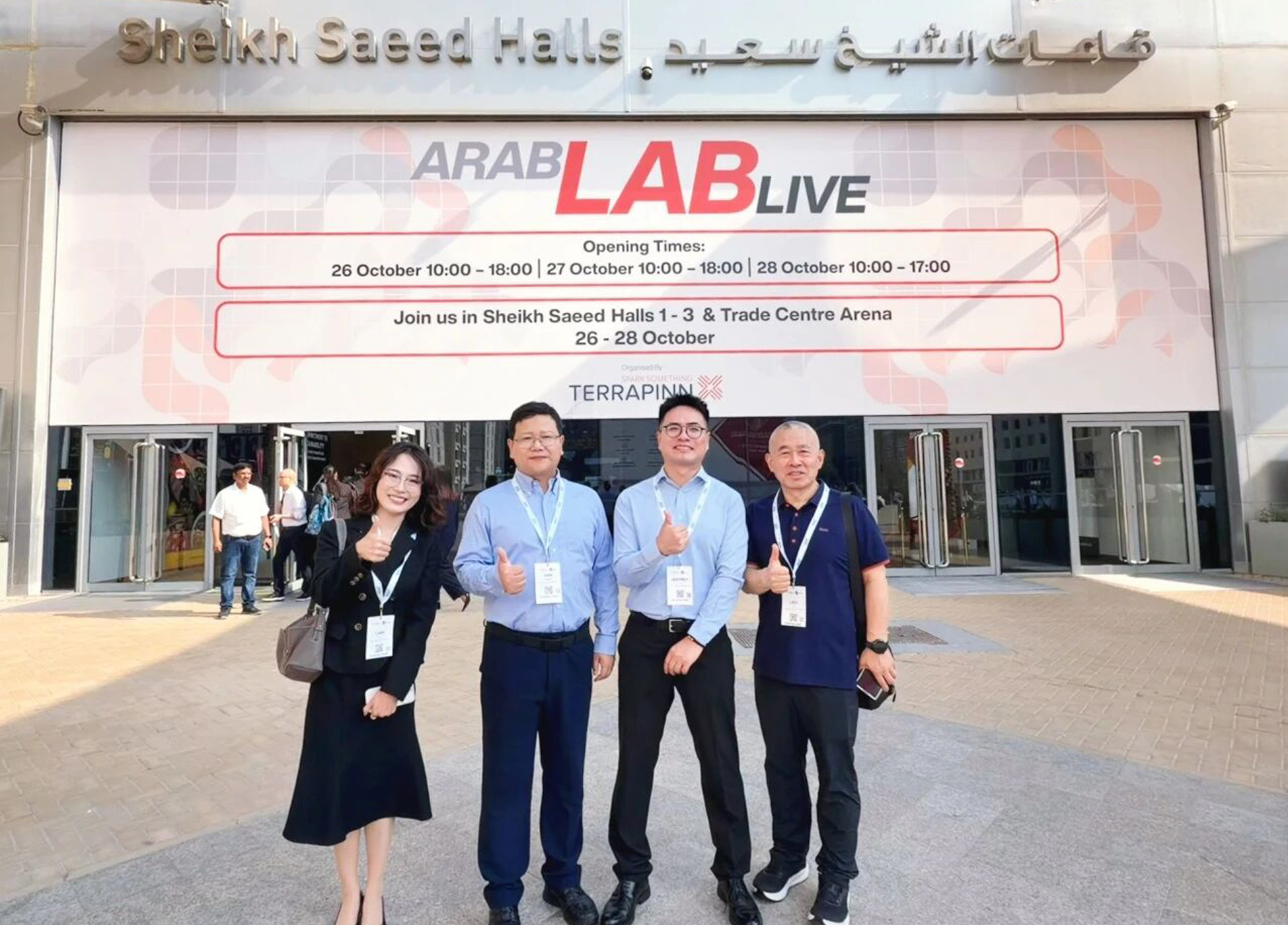
Being close to users continues from every meeting, Haineng goes to ARABLAB again
Company News
Oct 30, 2026

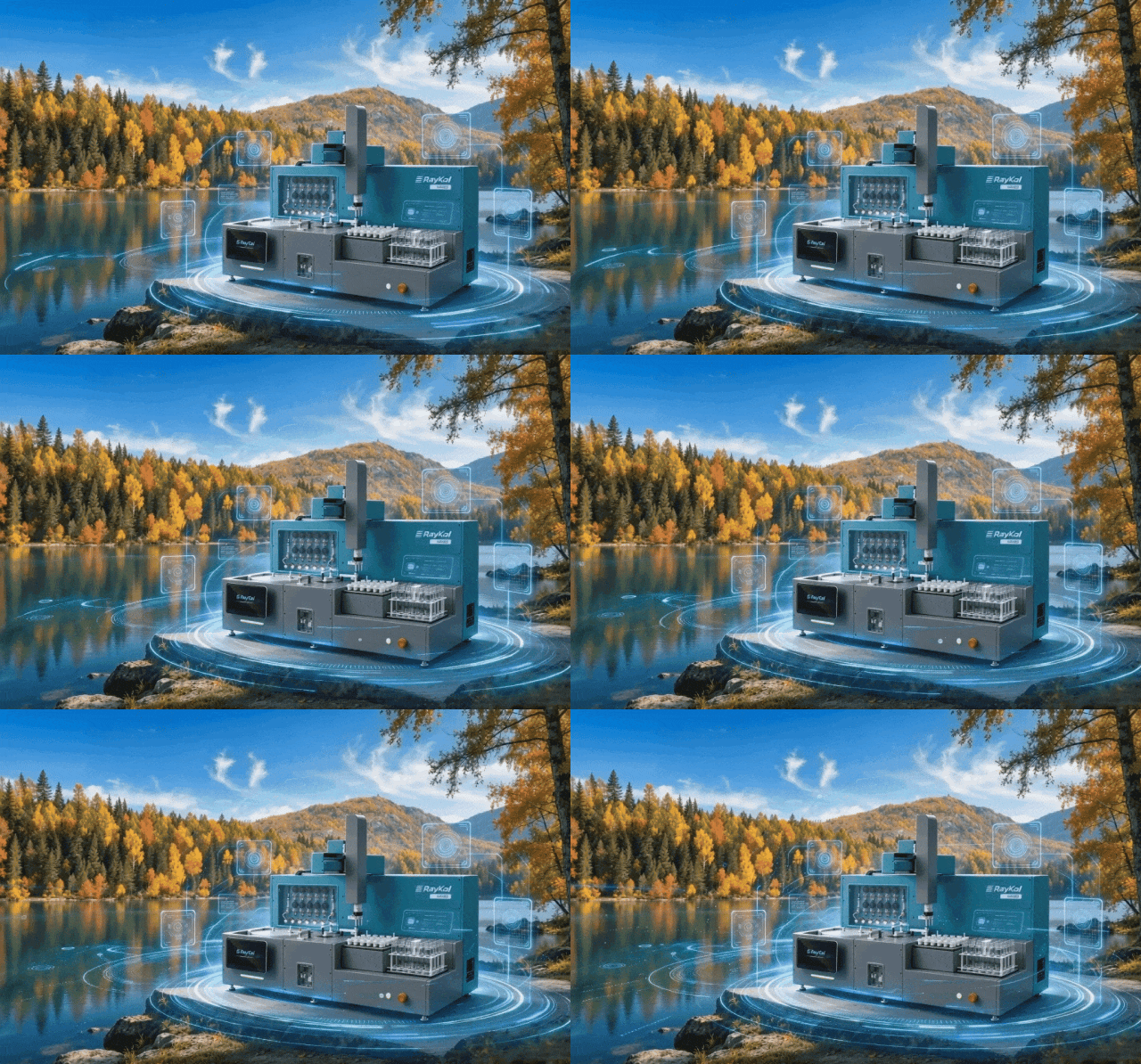
The monitoring of total phosphorus and total nitrogen is at the intersection of "increased supervision, stricter assessment, and equipment upgrading": In terms of policy, with the implementation of the "Supervision and Management Measures for River Sewage Outlets" and the supporting standard HJ 1387-2024, total phosphorus and total nitrogen are listed as mandatory measurement indicators for sewage outlets. In addition, the "Opinions of the Central Committee of the Communist Party of China and the State Council on Comprehensively Promoting the Construction of a Beautiful China" requires that the proportion of surface water of good quality reaches about 90% in 2027, and lakes and reservoirs "reduce phosphorus and control nitrogen" Assessments continue to be tightened; technically, the new national standards HJ 102-2026 and HJ 103-2026 for automatic water quality total nitrogen and total phosphorus monitors have been implemented in April 2026 (replacing the 2003 version). In August 2026, eight departments launched "double random, one public" annual supervision and spot inspections focusing on water quality monitoring. The industry is accelerating from "manual inspection" to a fully automatic, traceable, data compliance monitoring system. The total phosphorus and total nitrogen indicators tested in "GB 11893-89 Water Quality Determination of Total Phosphorus Ammonium Molybdate Spectrophotometry" and "HJ 636-2012 Water Quality Determination of Total Nitrogen Alkaline Potassium Persulfate Digestion UV Spectrophotometry" have become links with high risks of quality control and compliance due to cumbersome digestion, cooling, color development, measurement steps and many manual interventions.
In response to a series of policy and standard changes,Ruike ASP 200 fully automatic total phosphorus and total nitrogen analyzer strictly complies with the national standard and the new version of spot inspection rules, integrating sampling, reagent addition, digestion, color development, colorimetry and waste liquid collection.: Total phosphorus is measured at a wavelength of 700nm, and total nitrogen is measured at a dual wavelength of 220nm/275nm; sample trays are loaded in batches, graphical setting method parameters are supported, and unattended continuous operation is supported at night. According to "GB 11893-89 Water Quality Determination of Total Phosphorus Ammonium Molybdate Spectrophotometry" "HJ 636-2012 Water Quality Determination of Total Nitrogen" "Alkaline potassium persulfate digestion UV spectrophotometry" standard method, refer to HJ 168-2020 to carry out method verification and pre-shipment application testing, provide automated sample testing solutions, replace manual measurement, and ensure accurate and efficient testing.
1. Ruike product support
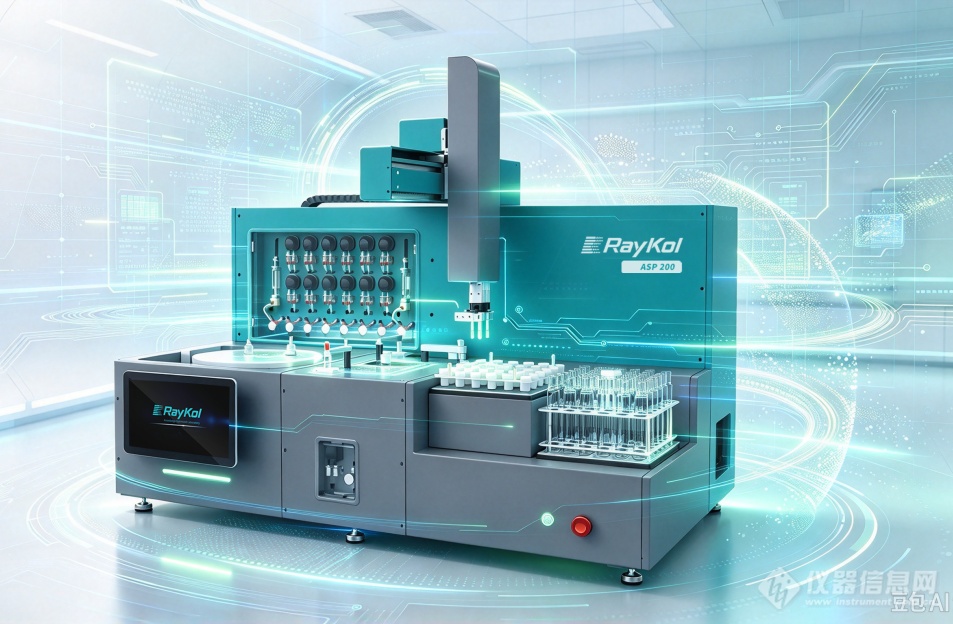
☑ Liquid handling automation
☑Fast, efficient, safe and reliable
2.Consumables and reagents
2.1Consumables
Reagent bottles and supporting consumables.
2.2Reagents
Potassium persulfate, hydrochloric acid, sodium hydroxide, sulfuric acid.
ascorbic acid,Ammonium molybdate tetrahydrate, potassium antimony tartrate hemihydrate.
500mg/L total nitrogen standard sample, 500mg/LTotal phosphorus standard sample。
Certified reference materials:
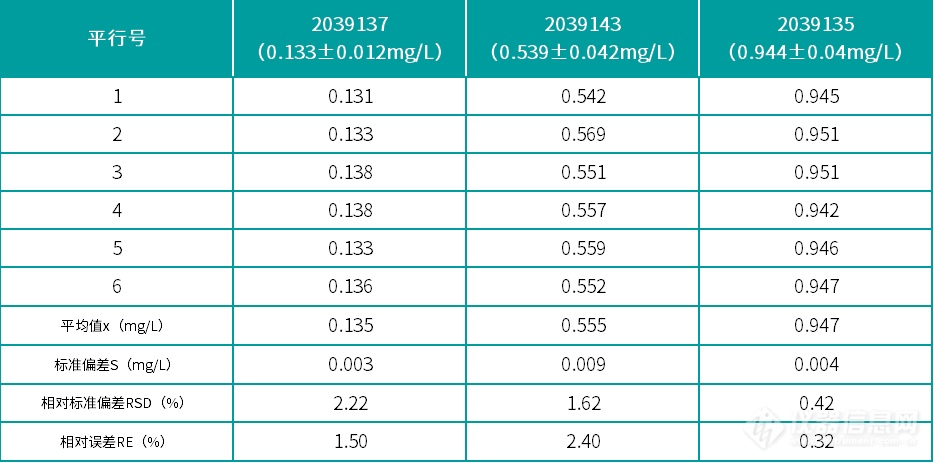
Total phosphorus:Standard sample (2039137, 0.133mg/L, uncertainty 0.012mg/L; 2039143, 0.539mg/L, uncertainty 0.042mg/L; 2039135, 0.944mg/L, uncertainty 0.04mg/L);
Total nitrogen:Standard samples (2032114, 1.48mg/L, uncertainty 0.14mg/L; 2032109, 3.16mg/L, uncertainty 0.22mg/L; 2032111, 5.11mg/L, uncertainty 0.39 mg/L).
Note: The above total phosphorus and total nitrogen standard samples are produced by the Environmental Standard Sample Research Institute of the Environmental Development Center of the Ministry of Ecology and Environment.
3.Analysis steps
3.1 Reagent preparation
Unless otherwise specified, the reagents and water used in the experiment refer to analytically pure reagents and grade three water specified in GB/T 6682. Unless the solvent is specified, the solutions are all aqueous solutions.
3.1.1 Alkaline potassium persulfate solution:Weigh 40.0g of potassium persulfate and dissolve it in 600ml of water (it can be placed in a 50°C water bath and heated until it is completely dissolved); weigh another 15.0g of sodium hydroxide and dissolve it in 300ml of water. After the sodium hydroxide solution cools to room temperature, mix the two solutions to a volume of 1000 ml and store it in a polyethylene bottle. It can be stored for 7 days.
Note: Excessive temperature during the preparation process will cause the decomposition and failure of potassium persulfate. Therefore, the water bath temperature should be controlled below 60°C, and the sodium hydroxide solution should be cooled to room temperature before mixing with the potassium persulfate solution and diluting the volume.
3.1.2 Ascorbic acid solution:Dissolve 10g of ascorbic acid in water and dilute to 100ml. This solution is stored in a brown reagent bottle and is stable for several weeks in a cold place; do not use if discolored or turbid.
3.1.3 Molybdate solution:Dissolve 13g ammonium molybdate in 100ml water, dissolve 0.35g antimony potassium tartrate in 100ml water, slowly add the ammonium molybdate solution to 300ml (1+1) sulfuric acid under constant stirring, add the antimony potassium tartrate solution and mix evenly. This solution is stored in a brown reagent bottle and can be kept in a cold place for two months.
3.1.4 Sulfuric acid solution:1+1。
3.1.5 Hydrochloric acid solution:1+9。
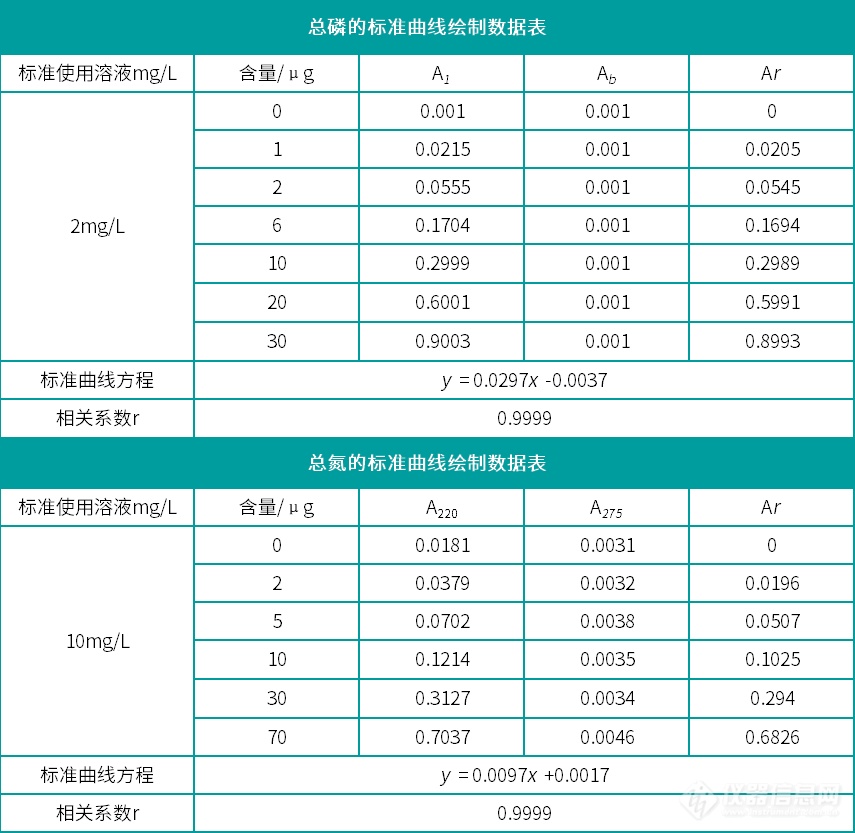
3.2 Standard curve drawing
Establish a standard curve by referring to the corresponding content of the standard curve drawing in the standard analysis method.
3.3Detection limit and lower limit of determination
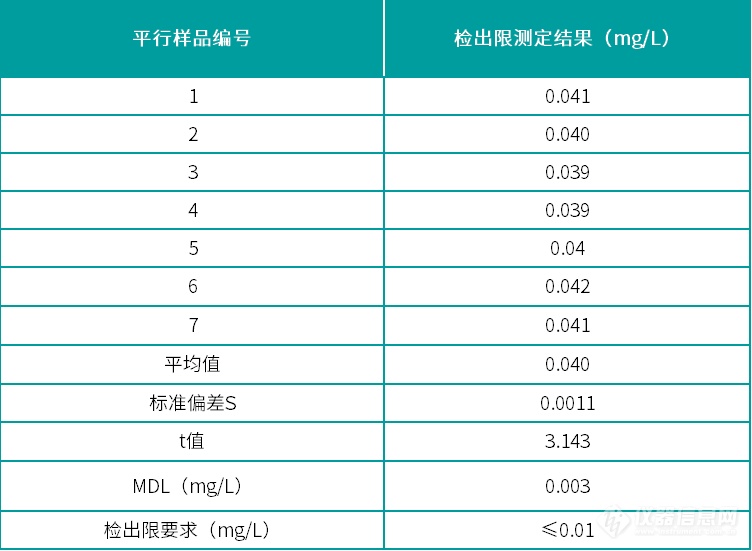
Follow all steps of sample analysis, repeat the blank test 7 times, calculate the standard deviation of the 7 parallel measurements, and calculate the method detection limit and lower limit of determination in accordance with HJ 168-2020.
Total phosphorus method detection limit test data sheet
Total nitrogen method detection limit test data sheet
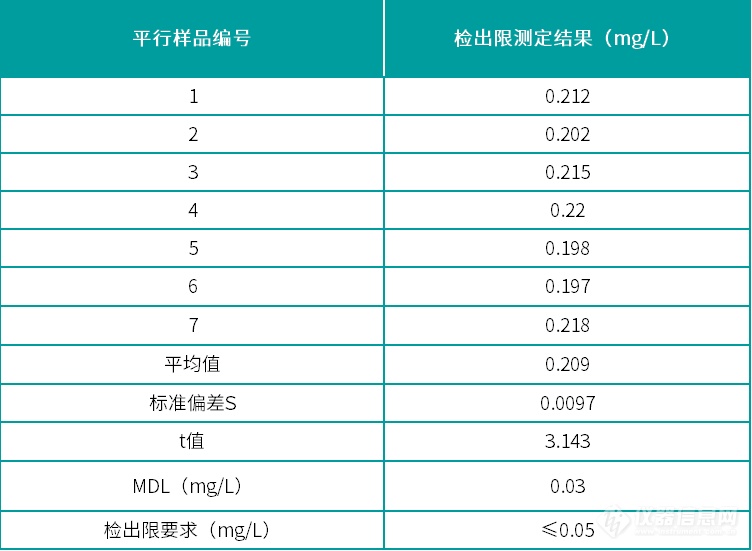
The total phosphorus method detection limit is 0.003 mg/L (requirement ≤ 0.01), and the total nitrogen method detection limit is 0.03 mg/L (requirement ≤ 0.05), both of which meet the requirements.
3.4 Method precision and accuracy test
The certified reference materials (select 3 concentrations of high, medium and low) were measured 6 times in parallel for each sample according to the entire procedure, and the average value, standard deviation, relative standard deviation and accuracy were calculated respectively.
Total phosphorus certified reference material precision test data
Total nitrogen certified reference material precision test data
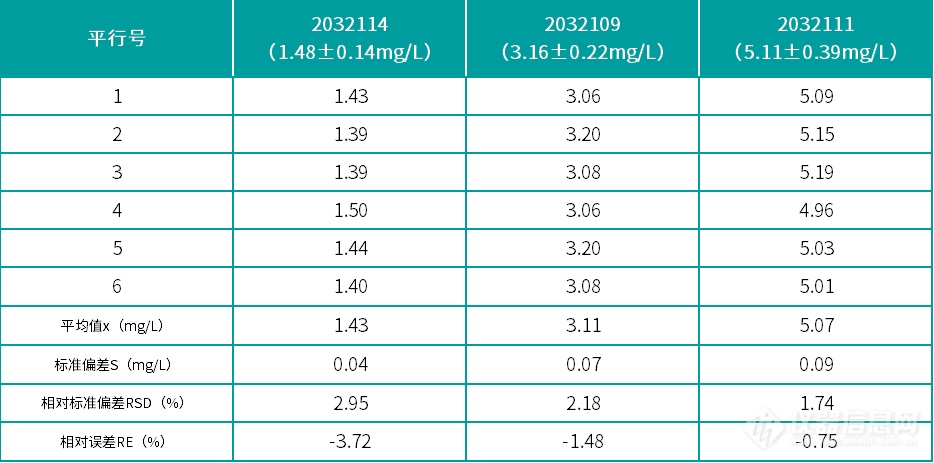
According to the instrument performance test results, the total phosphorus method detection limit is 0.003 mg/L, and the total nitrogen method detection limit is 0.04 mg/L. Six repeated measurements were performed on certified reference materials with low, medium, and high concentrations. The relative standard deviations of total phosphorus were 2.22%, 1.62%, and 0. 42%, the relative errors are 1.50%, 2.40%, and 0.32%; the relative standard deviations of total nitrogen are 2.95%, 2.18%, and 1.74% respectively, and the relative errors are -3.72%, -1.48%, and -0.75%. The precision and accuracy both meet the standard requirements.
4.Solution core value
In line with the direction of digital and intelligent transformation of automatic stations, Ruike's solution can incorporate the ASP200 fully automatic analyzer into the "black light laboratory" unit to achieve unattended continuous analysis with the lights turned off. This is in line with the digital and intelligent transformation deployment of the national monitoring network during the "15th Five-Year Plan". It supports urban sewage treatment plants and river sewage outfalls to "must be measured at every outlet", and implements the HJ 1387-2024 required measurement indicators. For lakes, reservoirs and river basin sections, it supports the determination of surface water Class III limit values with low detection limits. Batch sampling and unattended at night shorten the testing cycle from "days" to "hours"; standardized fully automatic processes ensure data quality and compliance; high-precision and high-frequency monitoring serve the construction of beautiful rivers and lakes and improve the quality of the water environment.
The implementation of the new national standard for automatic monitors in 2026 and double random special inspections by eight departments mark the upgrade of water quality testing industry supervision from "result review" to "process + data + traceability + quality control" full-dimensional penetration verification, and the compliance loopholes in manual detection are fully locked. The ASP200 fully automatic total phosphorus and total nitrogen analyzer does not need to change the national standard testing method. It can complete batch testing, electronic original records and full traces in one stop only through automated upgrades, making "must pass every inspection" become the norm.
Sage Group | Deeply cultivates the automation of physical and chemical analysis to fully ensure the compliance and controllability of laboratory testing quality.
1.0 Physical and chemical laboratory automation equipment
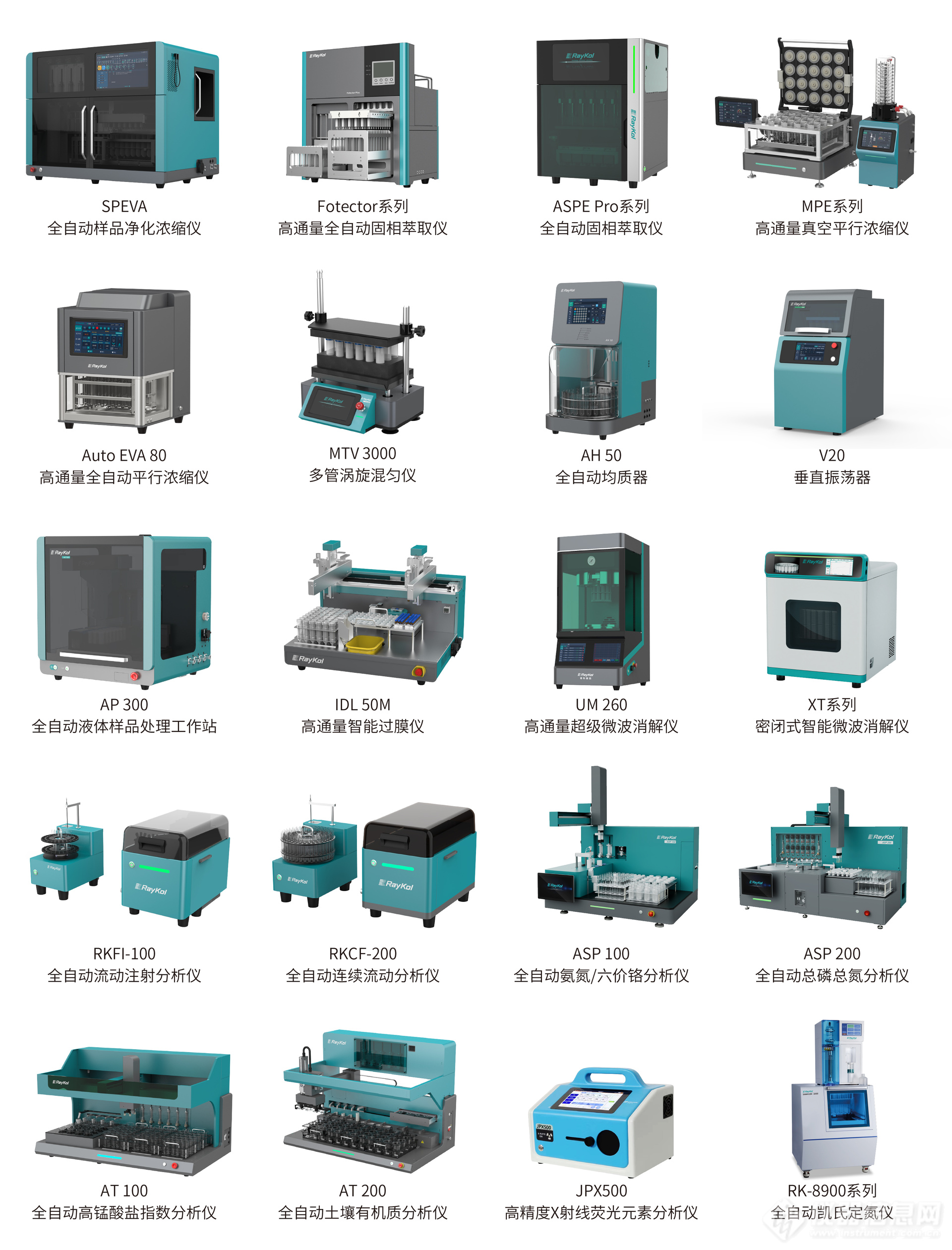
2.0 Multifunctional standardized workstation
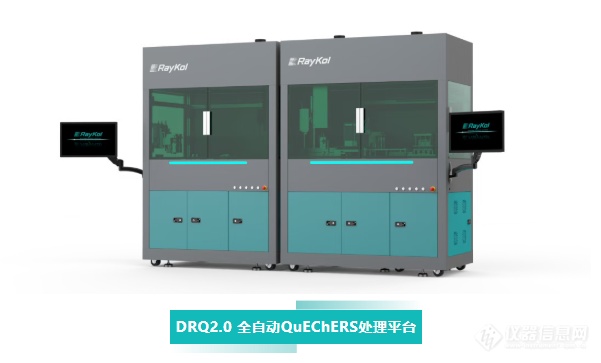
As an efficient solution, the fully automatic QuEChERS processing platform (DRQ) can significantly optimize the sample processing process, improve experimental accuracy, reduce human errors, and effectively reduce the risk of exposure of experimental personnel to harmful reagents, helping to meet the above challenges.
3.0 Smart Laboratory

AI+smart laboratory,Reconstruct the full-link detection system and break down barriers to sample pre-processing, instrument analysis and data traceability. Relying on the advantages of intelligent sorting system, unmanned assembly line, multi-functional integration, and cross-industry adaptation, the system can realize fully automatic integrated intelligent operations from pre-processing to data analysis. We have built a smart laboratory for physical and chemical analysis that complies with national and industry standards and is widely used in many fields such as environmental monitoring, water quality analysis, soil testing, food safety, drug inspection, chemical material analysis, and inorganic automation.



When you visit any website, it may store or retrieve information on your browser, mostly in the form of cookies. This information might be about you, your preferences or your device and is mostly used to make the site work as you expect it to. The information does not usually directly identify you, but it can give you a more personalized web experience. Because we respect your right to privacy, you can choose not to allow some types of cookies. Click on the different category headings to find out more and change our default settings. However, blocking some types of cookies may impact your experience of the site and the services we are able to offer.