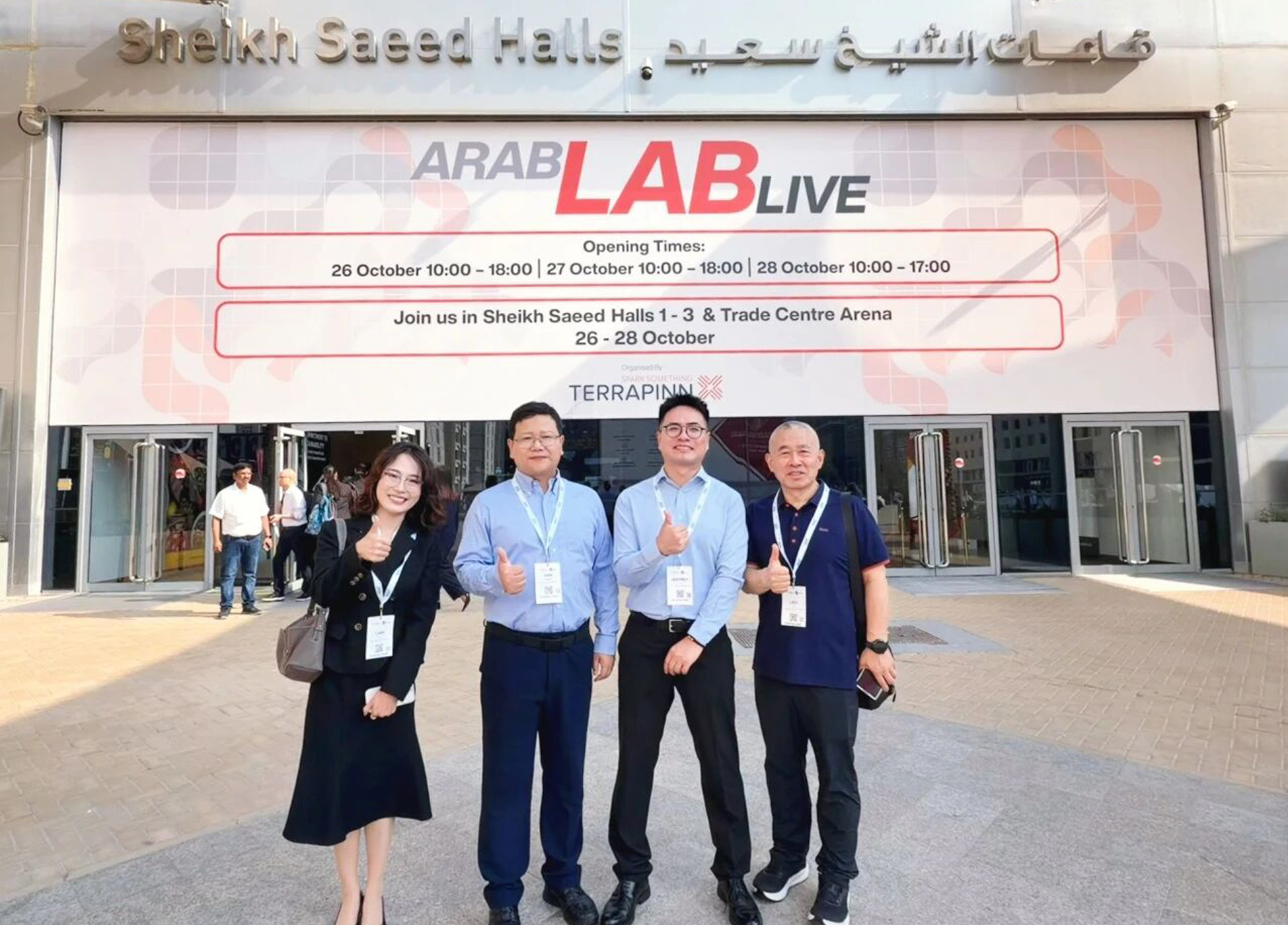
Being close to users continues from every meeting, Haineng goes to ARABLAB again
Company News
Oct 30, 2026

In August 2026, eight departments including the State Administration for Market Regulation and the Ministry of Ecology and Environment jointly launched a special "double random, one public" annual inspection and testing agency, focusing on ecological environment and water conservancy.In the field of quality monitoring, we must strictly investigate high-frequency problems such as irregular testing operations, substandard experimental conditions, insufficient data precision, missing original records, broken traceability chains, formality of quality control, and data distortion. Among them, the hexavalent chromium index tested according to "GB 7467-87 Water Quality - Determination of Hexavalent Chromium - Diphenylcarbazide Spectrophotometric Method" has become the hardest hit area in this inspection due to cumbersome steps and manual intervention. Traditional manual testing has compliance shortcomings such as large human errors, excessive fluctuations in parallel samples, low batch testing efficiency, incomplete operation traces and ledger records, and is no longer able to adapt to the current regulatory requirements of zero fault tolerance, full traceability, and strong quality control.
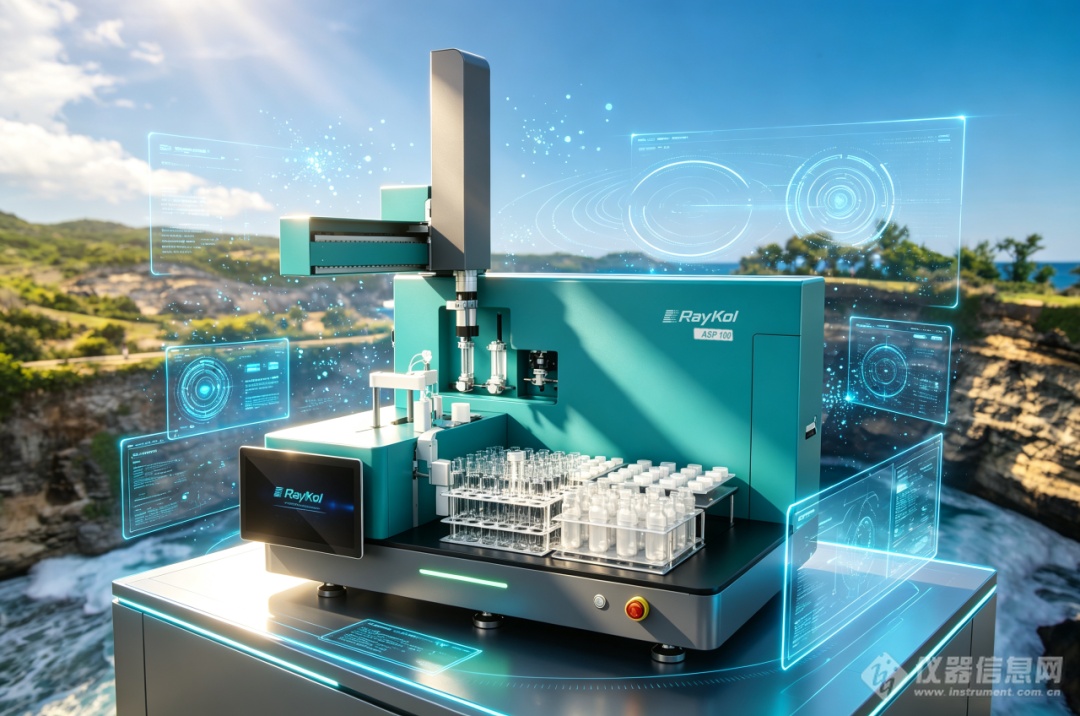
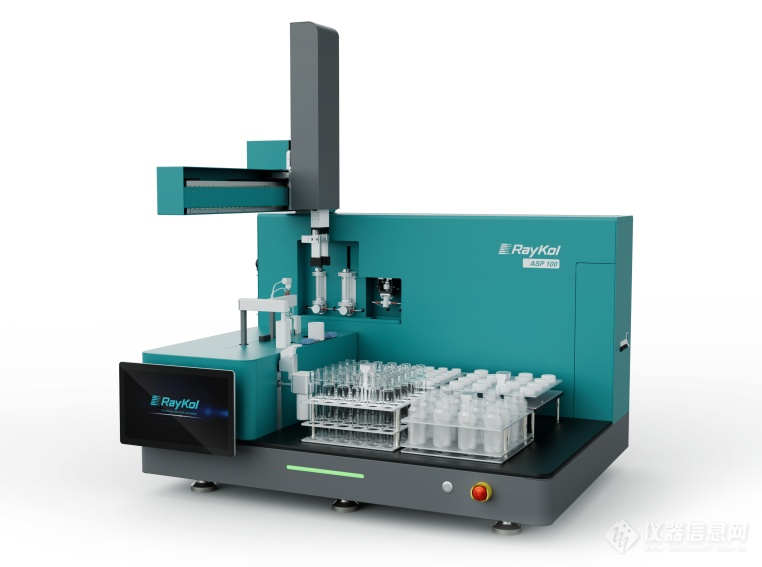
Sage Scientific ASP100 fully automatic ammonia nitrogen/hexavalent chromium analyzer strictly complies with the national standard and the new version of spot inspection rules. Through the closed-loop detection mode of fully automatic precise liquid addition, millisecond-level national standard solidification timing, and automatic trace storage of the entire process, it completely solves the pain points of irregular manual operation, large data deviations, and incomplete traceability. It achieves standardization of the testing process and full traceability of data, helping water quality laboratories to efficiently avoid risks and build a strong defense line for testing quality.
Measured dataAutomated testing fully meets standards.This program usesRuikeASP100Fully automatic ammonia nitrogen/hexavalent chromium analyzer, based on the standard method of "GB 7467-87 Water Quality - Determination of Hexavalent Chromium - Diphenylcarbazide Spectrophotometry", provides automated sample testing solutions.Replace manual measurement to ensure accurate and efficient detection.
1. Consumables and reagents
1.1 Consumables
Reagent bottles and supporting consumables.
1.2 Reagents
Acetone, sulfuric acid, phosphoric acid, diphenylcarbazide, standard sample (203378, 0.0404mg/L, uncertainty 0.0018 mg/L, Environmental Standard Sample Institute of Environmental Development Center, Ministry of Ecology and Environment), standard sample (203373, 0.15mg/L, uncertainty 0.005 mg/L, Environmental Standard Sample Research Institute, Environmental Development Center, Ministry of Ecology and Environment), standard sample (BY400024, 0.0917±0.0062 mg/L, Tanmo Quality Inspection Technology Co., Ltd.).
2.Analysis steps
2.1 Reagent preparation
Unless otherwise noted, the reagents and water used in the experiment refer toAnalytical grade reagentsAnd the third grade water specified in GB/T 6682. Unless the solvent is specified, the solutions are all aqueous solutions.
2.1.1 Sulfuric acid solution (1+1)
sulfuric acid (H2SO4, ρ=1.84g/mL, superior grade pure) slowly add to the same volume of water and mix well.
2.1.2 Phosphoric acid: 1+1 phosphoric acid solution
Phosphoric acid (H3PO4, ρ=1.69g/mL, superior grade pure) and mix with equal volumes of water.
2.1.3 Chromogen (I)
Weigh diphenylcarbazide (C13H14N4O) 0.2g, dissolve in 50mL acetone, add water to dilute to 100mL, shake well: store in a brown bottle and place in the refrigerator. Once the color becomes darker, it cannot be used.
2.1.4 Zinc hydroxide coprecipitant
2.1.4.1 Zinc sulfate:8% (m/V) zinc sulfate solution.
Weigh zinc sulfate (ZnSO4•7H2O) 8g dissolved in 100mL water.
2.1.4.2 Sodium hydroxide:2% (m/V) solution.
Weigh 2.48g sodium hydroxide (NaOH) and dissolve it in 120mL water. When using, mix the two solutions 2.1.4.1 and 2.1.4.2.
2.1.5 Potassium permanganate:40g/L solution.
Weigh potassium permanganate (KMnO4) 4g, dissolve in water under heating and stirring, and finally dilute to 100mL.
2.2 Standard curve drawing
Establish a standard curve by referring to the corresponding content of the standard curve drawing in the standard analysis method.
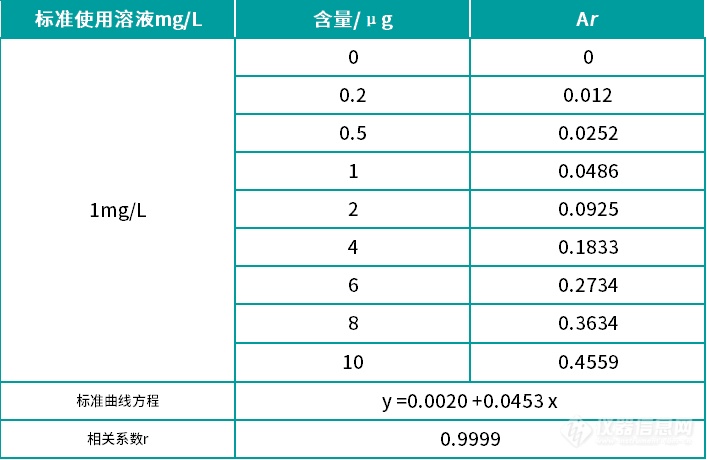
Standard curve drawing data table
2.3Detection limit and lower limit of determination
Follow all steps of sample analysis, repeat the lowest concentration point of the standard curve 7 times, calculate the standard deviation of 7 parallel measurements, and calculate the method detection limit and lower limit of determination in accordance with HJ 168-2020.
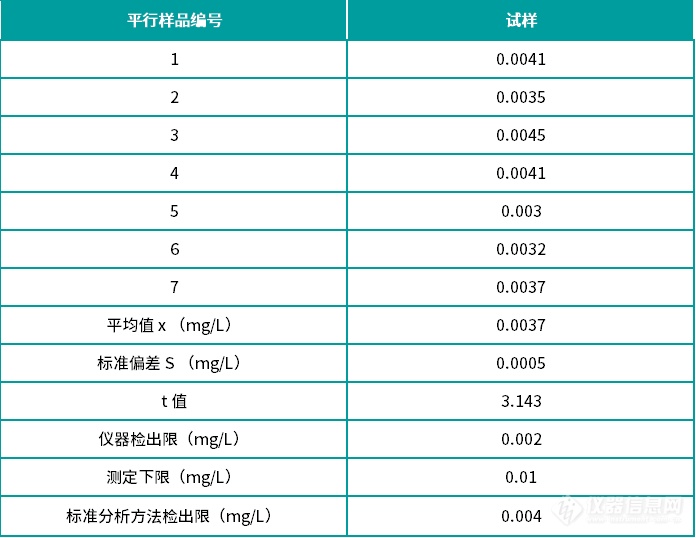
Method detection limit and lower determination limit test data table
2.4Method precision and correctness testing
The certified standard materials with concentrations of 0.0404±0.0018mg/L, 0.15±0.005mg/L and 0.0917±0.0062mg/L were measured in parallel for each sample 6 times according to the entire procedure, and the average value, standard deviation, relative standard deviation and relative error of each test result were calculated.
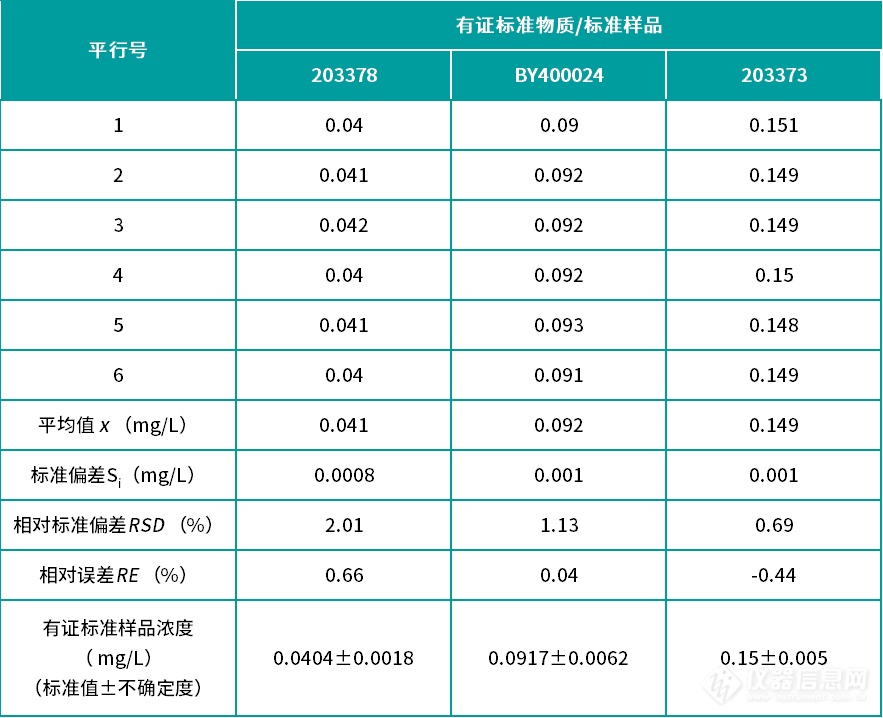
According to the instrument performance test results, the detection limit of the instrument is 0.002 mg/L, and the lower limit of determination is 0.010 mg/L; six repeated measurements were performed on unified certified reference materials with three different concentrations of low, medium, and high. The relative standard deviations were 2.01%, 1.13%, and 0.69% respectively, and the relative errors were 0.66%, 0.04%, and -0.44%.
3.Core value of the plan
Sage Scientific's solution has been implemented in three major application scenarios: serving third-party CMA laboratories, efficiently completing batch water quality testing, helping to pass qualification reviews and blind sample assessments, and ensuring testing compliance; adapting to complex wastewater in electroplating industrial parks, eliminating unstable manual testing data, and strengthening the company's environmental compliance defense line; supporting emergency monitoring of municipal water labs during the flood season, enabling 24-hour unattended testing, and quickly outputting accurate data, providing strong support for process control and water environment risk warning.
Double random special inspections of eight departments in 2026 mark the upgrade of water quality testing industry supervision from "result review" to "process + data + traceability + quality control" full-dimensional penetration verification, and the compliance loopholes of traditional manual inspection are fully locked.The ASP100 fully automatic ammonia nitrogen/hexavalent chromium analyzer does not need to replace the national standard detection method. Only through automated upgrades, the four core pain points of irregular manual operation, unstable data, incomplete traceability, and inadequate quality control can be solved at once.,Help various laboratories complete self-inspection and rectification in advance, avoid supervision points deduction, data invalidation, and qualification rectification risks, and firmly maintain the bottom line of water environment testing compliance.
Sage Group is deeply engaged in the automation of physical and chemical analysis to fully ensure that the quality of laboratory testing is compliant and controllable.
1.0 Physical and chemical laboratory automation equipment
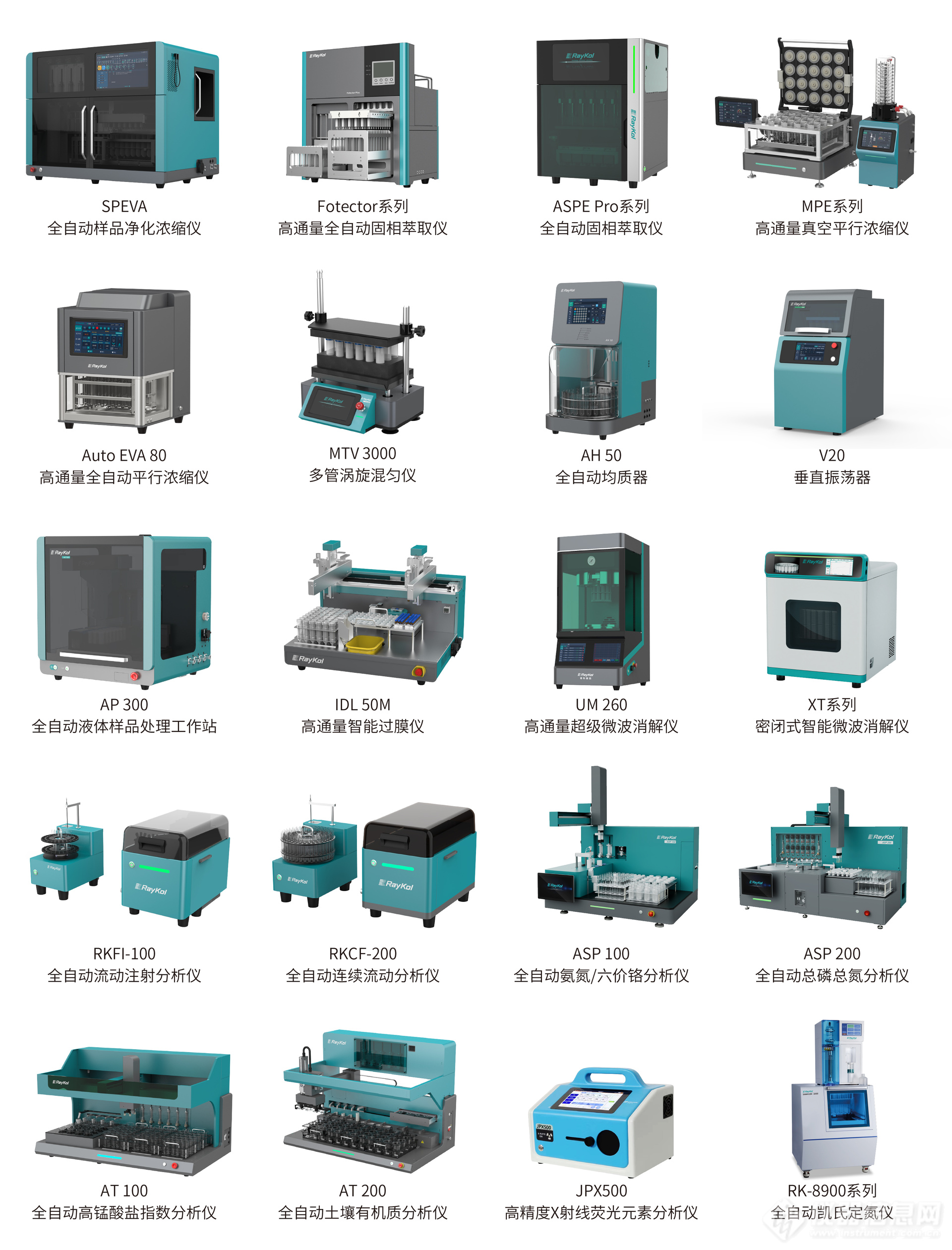
2.0 Multifunctional standardized workstation
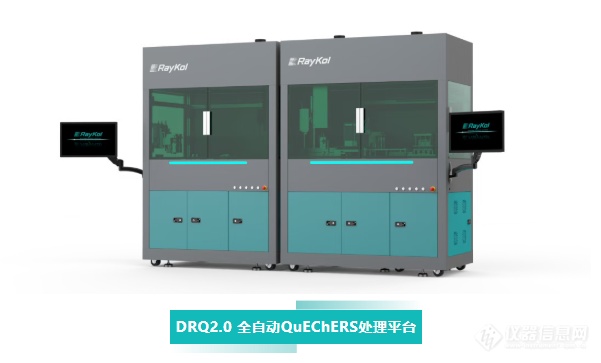
As an efficient solution, the fully automatic QuEChERS processing platform (DRQ) can significantly optimize the sample processing process, improve experimental accuracy, reduce human errors, and effectively reduce the risk of exposure of experimental personnel to harmful reagents, helping to meet the above challenges.
3.0 Smart Laboratory

AI+smart laboratory,Reconstruct the full-link detection system and break down barriers to sample pre-processing, instrument analysis and data traceability. Relying on the advantages of intelligent sorting system, unmanned assembly line, multi-functional integration, and cross-industry adaptation, the system can realize fully automatic integrated intelligent operations from pre-processing to data analysis. We have built a smart laboratory for physical and chemical analysis that complies with national and industry standards and is widely used in many fields such as environmental monitoring, water quality analysis, soil testing, food safety, drug inspection, chemical material analysis, and inorganic automation.

When you visit any website, it may store or retrieve information on your browser, mostly in the form of cookies. This information might be about you, your preferences or your device and is mostly used to make the site work as you expect it to. The information does not usually directly identify you, but it can give you a more personalized web experience. Because we respect your right to privacy, you can choose not to allow some types of cookies. Click on the different category headings to find out more and change our default settings. However, blocking some types of cookies may impact your experience of the site and the services we are able to offer.