
Being close to users continues from every meeting, Haineng goes to ARABLAB again
Company News
Oct 30, 2026

In daily experiments, many pollutants have extremely strong adhesion after drying and are difficult to completely remove with ordinary cleaning methods. Trace amounts of residues will cause baseline instability, data deviation, and poor experimental reproducibility. Traditional manual soaking and repeated brushing are not only time-consuming and labor-intensive, but also cannot guarantee cleanliness consistency, which is the core inducement for high-frequency rework in many laboratories.
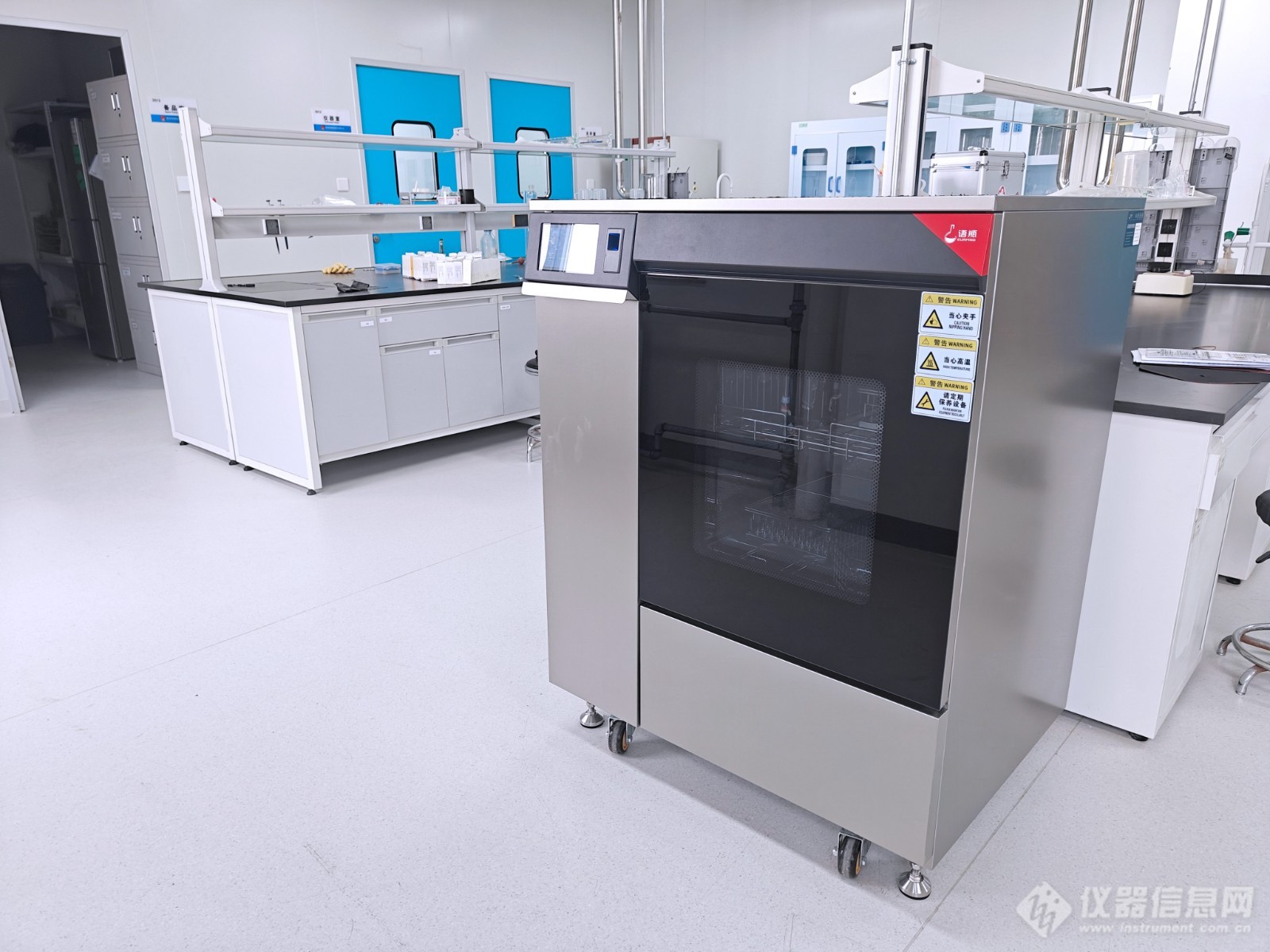
Targeted adaptation,effective clearingStubborn residue
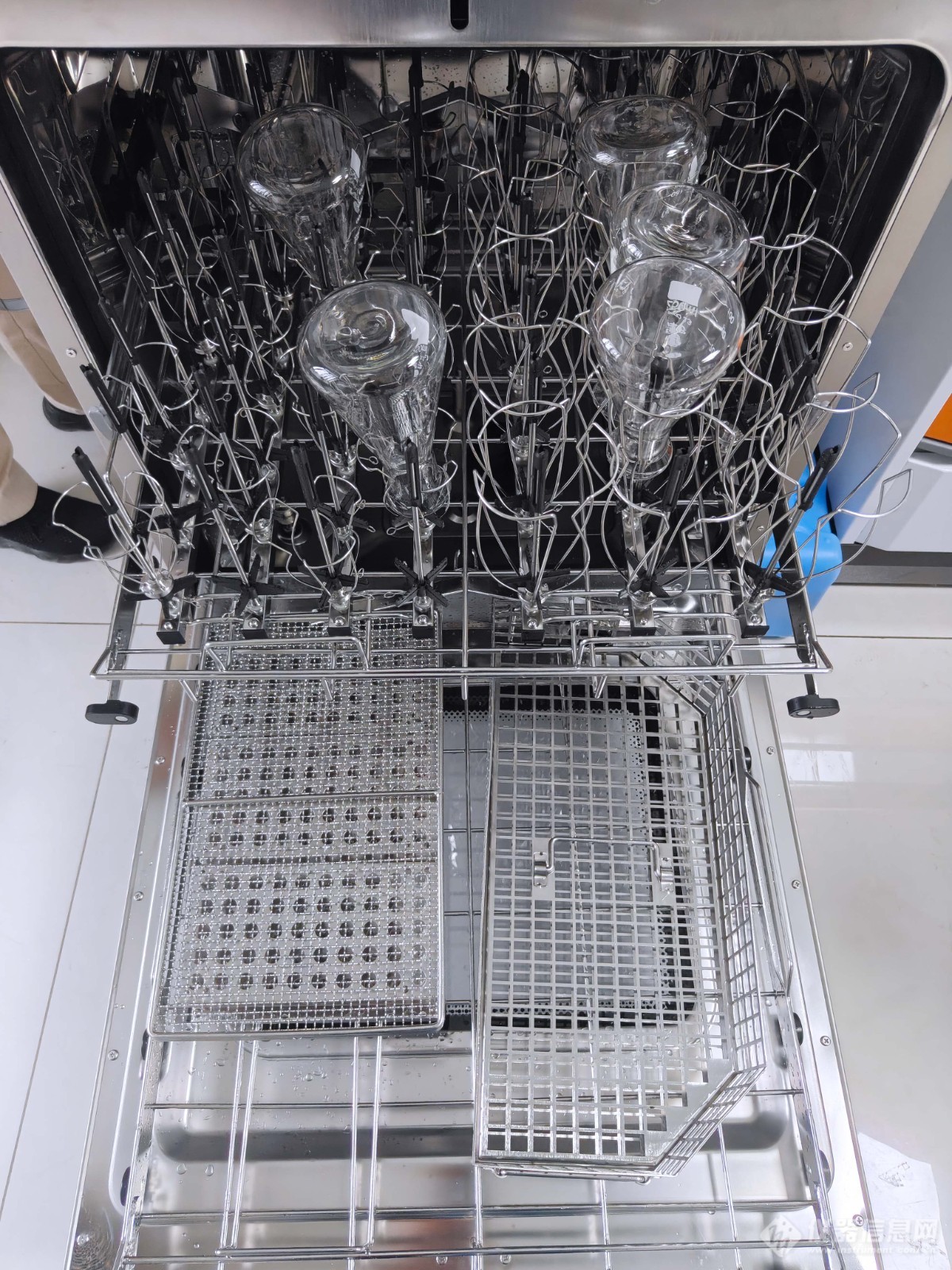
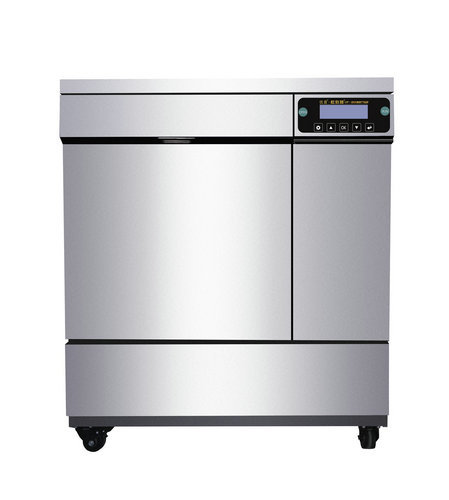
Organic substances such as protein residues, drug intermediates, and fermentation extracts are common in pharmaceutical laboratories. They can easily adhere to the bottle wall after being left to dry. The exclusive temperature-controlled cleaning program of Yubottle uses gradient temperature rise and adaptive cleaning process to fully dissolve organic matter and peel off fine residues layer by layer, meeting the high-precision testing and compliance requirements of pharmaceutical companies.
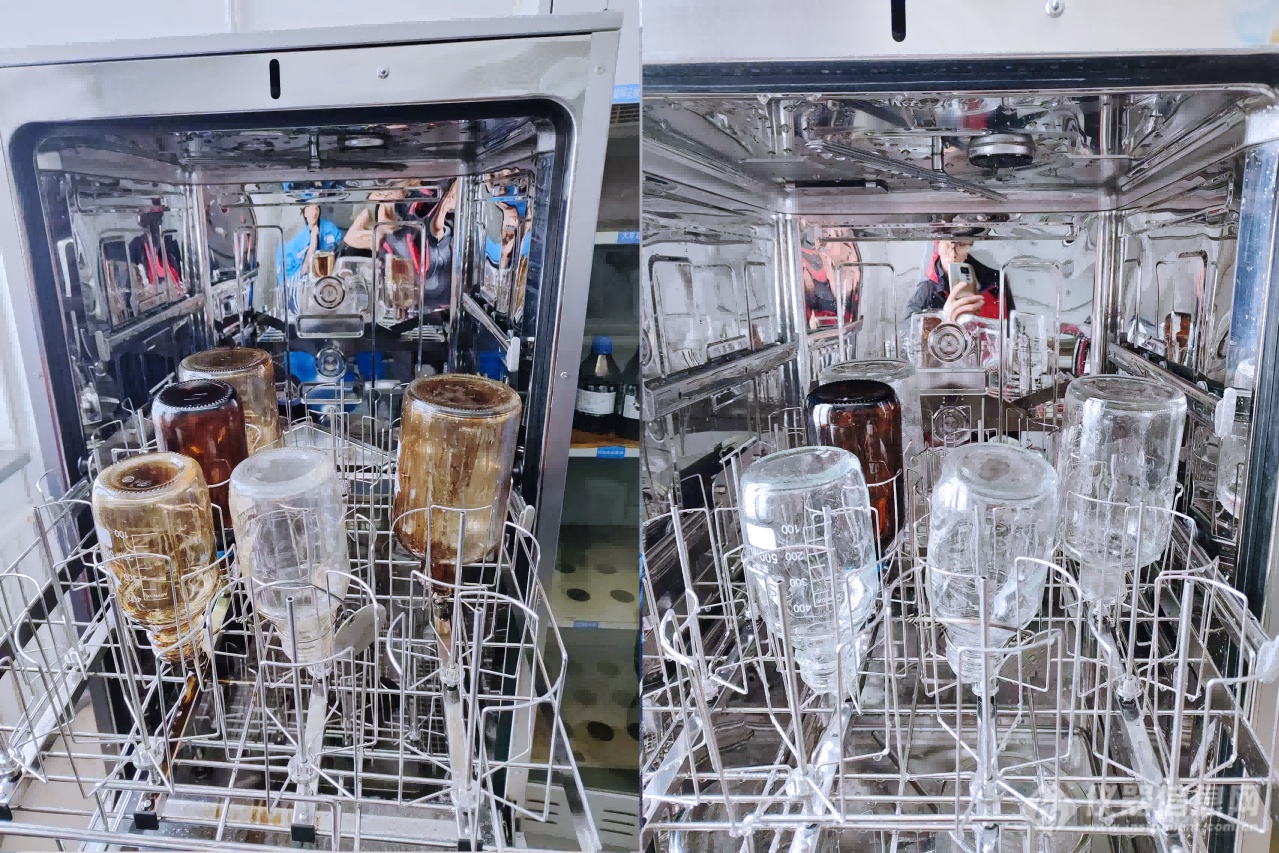
Efficient cracking,The problem of adhesion of heavy petrochemical oil pollution
For petrochemical detection of heavy stains such as heavy oil, colloid, and viscous hydrocarbon sediments, the equipment uses high-temperature emulsification+The multiple cycle rinsing logic effectively softens the thick oil film and washes away the stubborn oil layer by layer. It completely solves the problems of inability to be cleaned by ordinary cleaning, oil hanging on the bottle wall, and high background color, and is suitable for heavy pollution and high-frequency working conditions in the petrochemical industry.
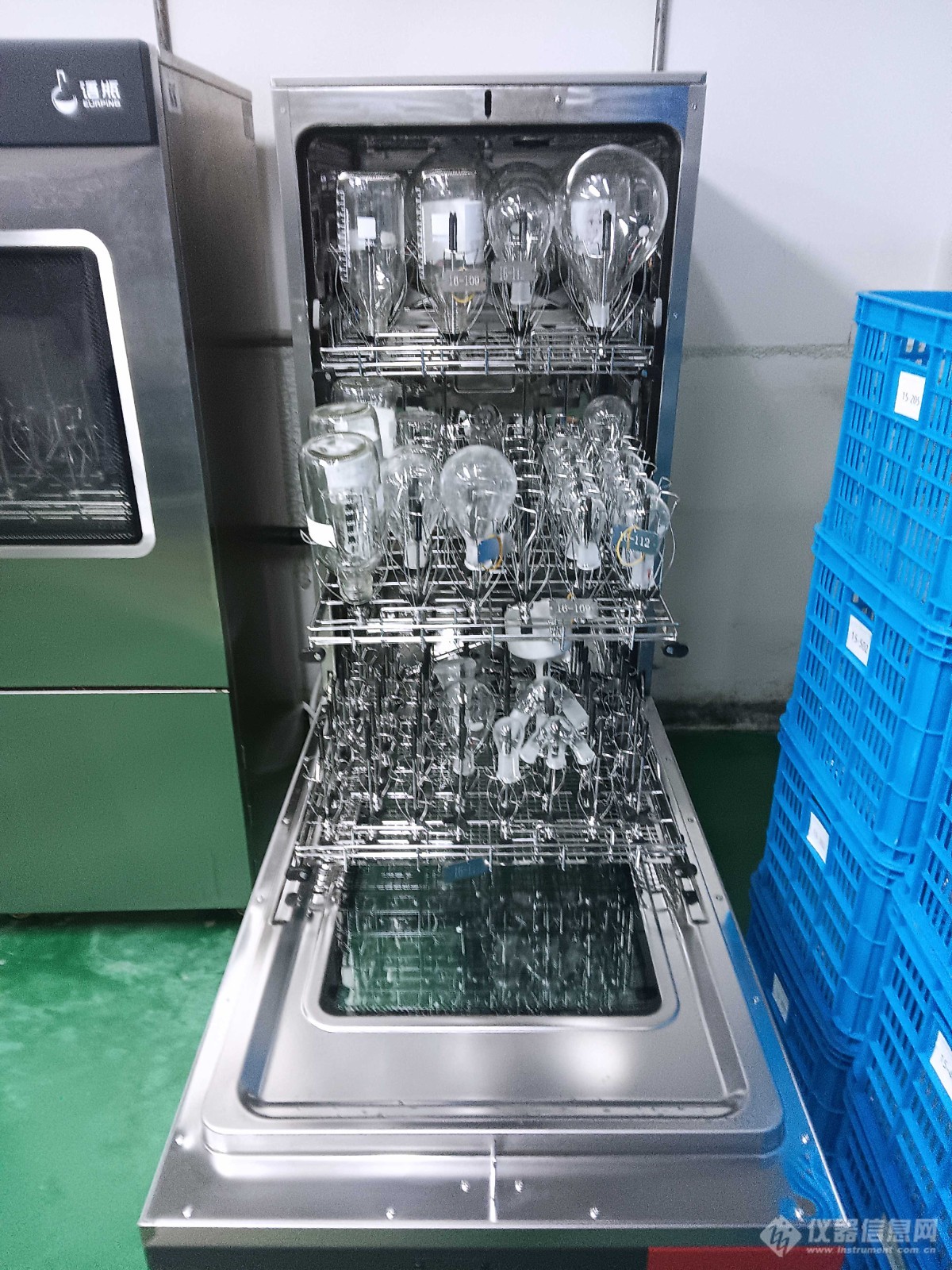
Programmed precise decontamination reduces the probability of experimental errors
For stubborn pollutants with different properties in different industries, the cleaning temperature, duration and rinse times can be freely matched, without relying on manual brute force scrubbing, and relying on standardized processes to achieve deep cleaning. Stable removal of various difficult residues, avoiding experimental errors from the source of the vessel, making each test data more reliable.




When you visit any website, it may store or retrieve information on your browser, mostly in the form of cookies. This information might be about you, your preferences or your device and is mostly used to make the site work as you expect it to. The information does not usually directly identify you, but it can give you a more personalized web experience. Because we respect your right to privacy, you can choose not to allow some types of cookies. Click on the different category headings to find out more and change our default settings. However, blocking some types of cookies may impact your experience of the site and the services we are able to offer.