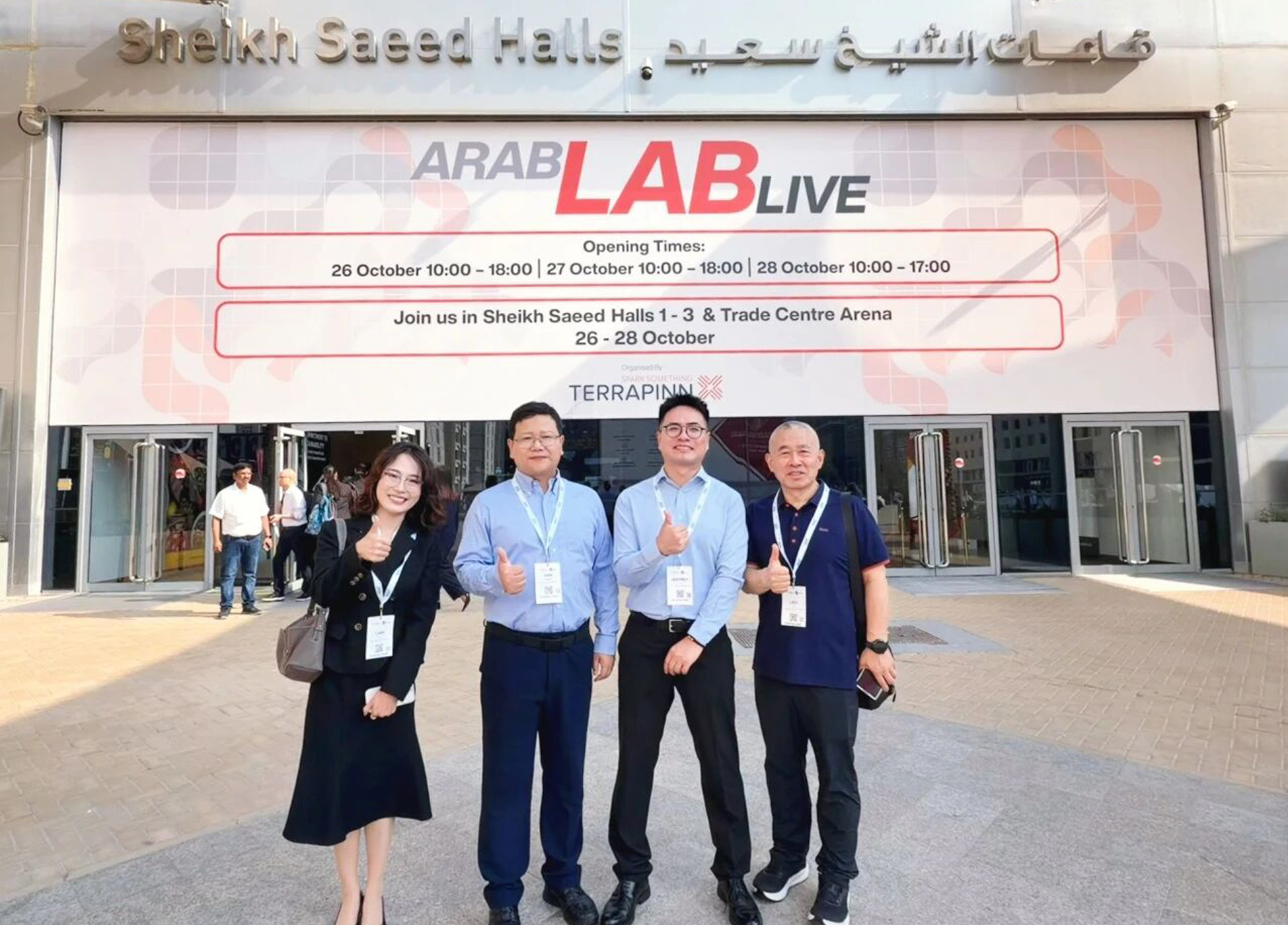
Being close to users continues from every meeting, Haineng goes to ARABLAB again
Company News
Oct 30, 2026

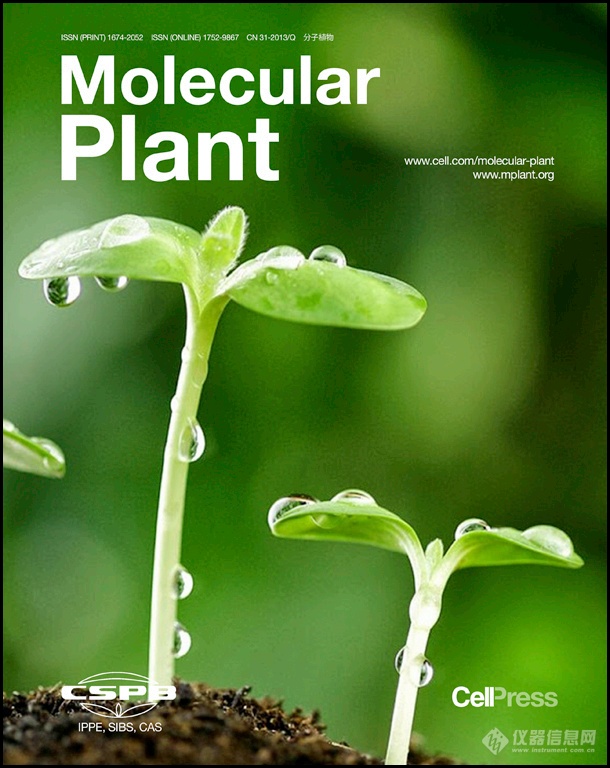
recently,Team from the Institute of Crop Science, Chinese Academy of Agricultural SciencesCooperate with multiple units to《Molecular Plant》Published the latest research results "Strigolactones restrict sugar acquisition in rice tiller buds to inhibit their outgrowth through suppressing the expression and polarized localization of two monosaccharide transporters". The research results reveal the core molecular mechanism by which strigolactones (SLs) inhibit the expression and polar positioning of two monosaccharide transporters, limiting the acquisition of bud sugar in rice tillers and inhibiting their growth. This provides important theoretical support for research on high-yield breeding and plant type regulation of rice.
The latest impact factor of "Molecular Plant" is 32.7, is a cooperative journal of Cell Press and an international academic journal of plant science sponsored by my country. It mainly publishes plant biology research results that are highly innovative, important and widely influential.
Unraveling the mystery of hormone-sugar signaling interactions behind rice tillering
Rice tillering is one of the key agronomic traits that affects plant shape and yield. Strigolactone is a key phytohormone that regulates tillering. However, its cooperative regulation mechanism with sugar signals has always been a hot research topic in the field. This research team found that two monosaccharide transporters, OsMST3 and OsMST6, can mediate the transport of glucose and fructose from the leaf source tissue to the tiller bud bank tissue, promoting tiller growth; while strigolactone can mediate the transport of glucose and fructose from the leaf source tissue to the tiller bud bank tissue, and strigolactone can mediate the transport of glucose and fructose through the transcription factor O sTB1 inhibits the expression of transporters and counteracts sugar-induced polar positioning of proteins, limiting the sugar acquisition of tiller buds from the source, thereby limiting the sugar acquisition of tiller buds and inhibiting their elongation, revealing a new level of regulation of hormone-sugar interactions.
EXPEC 5210 LC-MS/MS achieves precise quantification of key sugar signaling metabolites
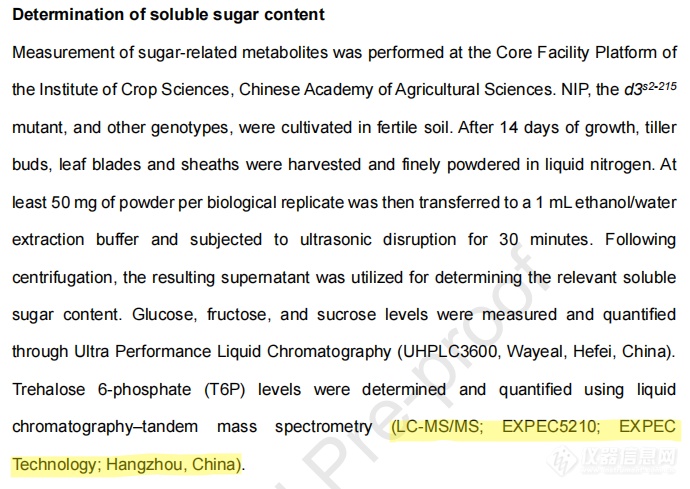
In this study,Puyu Technology EXPEC 5210 LC-MS/MSFor quantitative analysis of trehalose-6-phosphate (T6P) in rice samples. T6P is an important metabolite that reflects plant sugar status and sugar signaling. Through the analysis of sugar-related metabolites such as T6P and sucrose, the research team found that the T6P/sucrose ratio in the tillering buds of the strigolactone signaling mutant changed significantly, providing experimental basis at the metabolite level for characterizing the sugar status in tillering buds of different materials.
Puyu Technology EXPEC 5210 LC-MS/MSThe quantitative detection of T6P was completed, providing reliable data support for the research team to analyze the changes in sugar status during rice tillering and the relationship between strigolactone and sugar signals.
Puyu Technology EXPEC 5210 LC-MS/MSIt is a high-performance liquid chromatography-tandem mass spectrometer for scientific research and routine detection needs. With its excellent sensitivity, excellent stability and complete method library, it is widely used in many fields such as plant metabolomics, food safety, biomedicine, etc. It can accurately complete the qualitative and quantitative analysis of trace metabolites in complex matrices, providing reliable technical support for cutting-edge basic research.

Institute of Crop Science, Chinese Academy of Agricultural SciencesIt was established in June 2021 with the support of the National Ministry of Science and Technology, China Instrument and Control Society and other departments"China Scientific Instrument Independent Innovation and Application Demonstration Base". Since its establishment, Puyu Technology, as a representative manufacturer of domestic scientific instruments, has carried out in-depth cooperation with the demonstration base.Puyu Technology ICP-MS, LC-MS/MS, GC-MS/MS, super microwave digestion system and near-infrared spectrometer, etc.Equipment has been installed one after another. The two parties have jointly tackled key problems around agricultural scientific research and testing needs, established various mature detection methods such as crop element analysis and plant endogenous hormone detection, continued to support basic scientific research and breeding research on rice, wheat, corn and other crops, and published a number of research results.
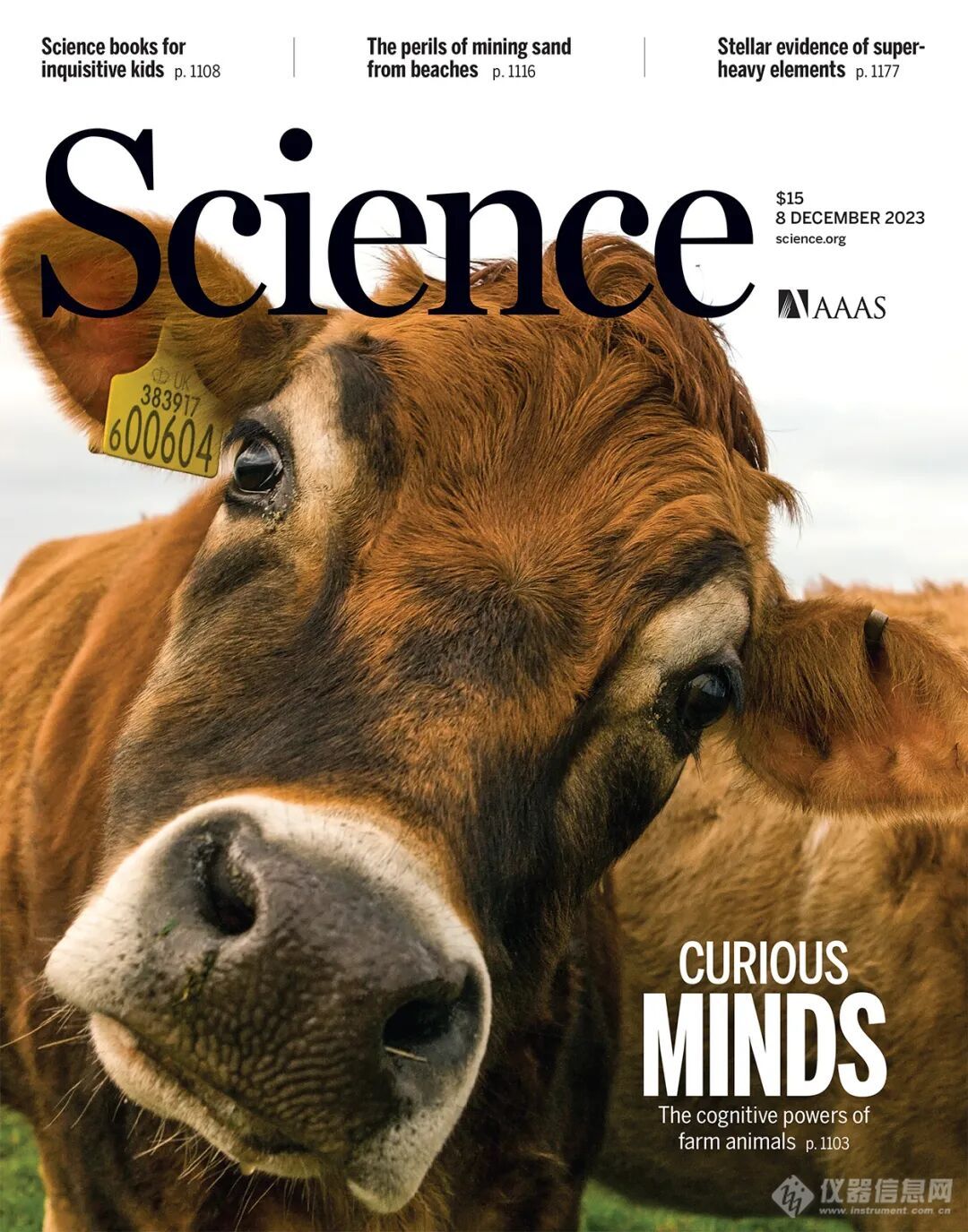
2023,Institute of Crop Science, Chinese Academy of Agricultural SciencesThe crop molecular breeding technology and application innovation team teamed up with the research team of Henan Agricultural University in《Science》A research paper titled "Biofortification of iron content by regulating a NAC transcription factor in maize" was published. The study identified ZmNAC78, a key gene that regulates the entry of iron into corn grains. It was the first time to analyze the molecular mechanism by which this gene and a metal transporter together form a molecular switch to control the entry of iron into corn grains. In this study, technicians usedSUPEC 7000 ICP-MS and Super Microwave Digestion SystemFe content in corn kernels was measured

From the precise quantification of key metabolites to the in-depth analysis of molecular regulatory mechanisms, every step of scientific research and exploration is inseparable from the support of high-performance analysis technology. In the future, Puyu Technology will continue to deepen the innovation of core mass spectrometry technologies, support the output of more high-level scientific research results with higher-quality instrument platforms and more complete application services, and assist the independent innovation and development of my country's agricultural science and technology.



When you visit any website, it may store or retrieve information on your browser, mostly in the form of cookies. This information might be about you, your preferences or your device and is mostly used to make the site work as you expect it to. The information does not usually directly identify you, but it can give you a more personalized web experience. Because we respect your right to privacy, you can choose not to allow some types of cookies. Click on the different category headings to find out more and change our default settings. However, blocking some types of cookies may impact your experience of the site and the services we are able to offer.