
Being close to users continues from every meeting, Haineng goes to ARABLAB again
Company News
Oct 30, 2026

Nanocolor pastes: the value and pain points of high-performance pigment systems
Nano-color paste is a new type of color pigment prepared by uniformly dispersing nano-pigment particles (particle size usually in the range of 1 to 100 nm) in a liquid medium. Compared with traditional colorants, nanometer colorants have unique optical, electrical and chemical properties endowed by their ultra-fine particle size.Coatings, inks, textile printing and dyeing, electronic devices and cosmeticsdemonstrated significant advantages in other fields. In the coating industry, it can improve the color brightness, weather resistance and anti-corrosion of coatings; in the field of textiles, it can give products special functions such as UV resistance, radiation protection and antibacterial; in the printing industry, it can improve printing accuracy and color durability.
However, the technological development and industrial application of nanocolor pastes have long been subject to two core bottlenecks:
1. Insufficient stability: Nanopigment particles have large specific surface area and high surface energy. The van der Waals force and electrostatic attraction between particles make it easy toReunion and sedimentation. Color pastes with poor stability will cause flocculation, resulting in uneven distribution of pigments, color differences and spots on the coating surface in paints, and in inks, a decrease in print clarity and color saturation.
2. Poor dispersion: It is difficult for nanoparticles to maintain a uniform and stable monodisperse state in the dispersion medium. Dispersion directly affects the color uniformity, brightness and product service life of the coloring paste. Water-based color pastes face particular challenges - large-sized particles tend to settle, while small-sized particles tend to flocculate due to intermolecular forces.
The above bottleneck means that the traditional color paste preparation process needs to rely on a large amount of dispersant or multiple grindings to barely meet the application requirements, which not only increases the production cost, but also limits the use of color paste in high-end fields.
application. Therefore, fromPreparation processarriveDispersed stable systemSystem optimization has become the core proposition for the upgrading of the nano-color paste industry.
Mainstream strategies to improve dispersion and stability of nanocolor pastes
In order to solve the natural defects of nano-color pastes, which are "easy to agglomerate and difficult to stabilize", academia and industry have developed a variety of improvement methods, which can be summarized as the following technical paths:
Surface modification and coating: Introduce active functional groups such as hydroxyl, carboxyl, and amino groups on the surface of nanoparticles through chemical reactions, or coat polymer materials (such as polyvinyl alcohol, polyacrylic acid, etc.) to change the surface characteristics of the particles, reduce surface energy, enhance steric hindrance effects, and prevent particle aggregation.
Additive optimization: Add dispersants, thickeners, defoaming agents and other additives to the color paste. Dispersants can be adsorbed on the surface of particles to form a stable charge repulsion layer or steric hindrance layer; thickeners can increase the viscosity of the system and slow down the sedimentation rate. Research shows that the hydrophile-lipophile balance (HLB) value of the pigment should be similar to the HLB value of the dispersant to achieve the best dispersion effect.
Nanotechnology assistance: Nanonize pigments or add nanoparticles as stabilizers.The process equipment includes mechanical grinding equipment, ultrasonic dispersers and high-shear mixers, etc., which use different physical mechanisms to refine the pigment particles to the nanometer level and evenly disperse them in the system.
At the preparation process level, traditional means such asmechanical grinding(ball milling, sanding),ultrasonic dispersionandhigh shear mixingAlthough each has its applicable scenarios, when used alone, there are common problems such as high energy consumption, low efficiency, easy introduction of impurities, or wide particle size distribution. With the continuous improvement of colorant quality requirements for downstream applications, the industry urgently needs a method that canTaking into account refinement efficiency, particle size uniformity and system stabilitynew process equipment.
High-pressure homogenizer: core equipment for nanometerization and stabilization of color pastes
The high-pressure homogenizer is the core equipment to achieve this goal. It uses a high-pressure plunger pump to pressurize the premixed materials to tens to hundreds of MPa, allowing the materials to pass through a special homogenization valve at an extremely high speed. During this process, the material undergoes three physical effects:
Strong shear effect: The extremely high velocity gradient in the micropore channel tears the particle agglomerates;
cavitation effect: Instantaneous formation and collapse of bubbles in high-speed flow, assisting dispersion and deaggregation;
impact effect: The material hits the fixed wall at high speed or two streams of materials hit each other in opposite directions to further refine the particles.
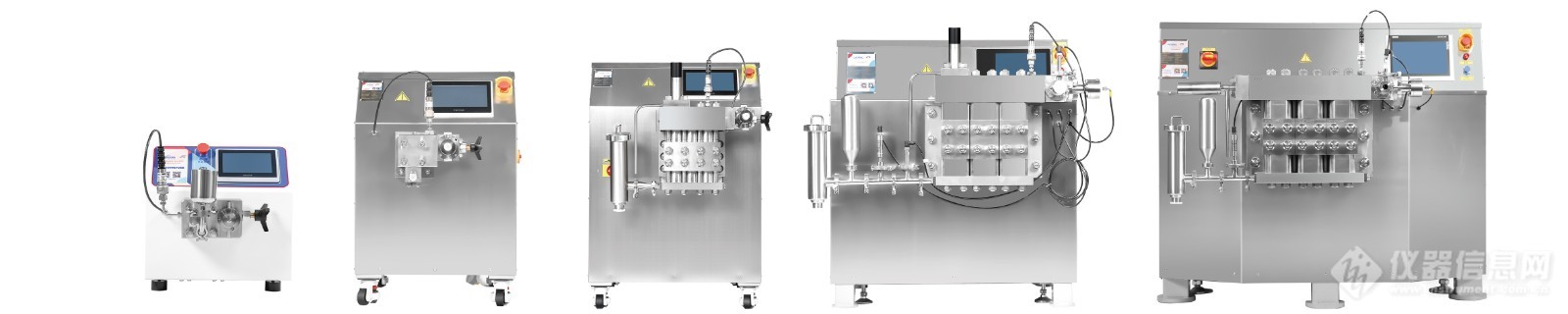
Through the above effects, the pigment particles can be stably refined to the nanometer level with extremely narrow particle size distribution. At the same time, it promotes the rapid and uniform adsorption of the dispersant on the surface of the new particles, forming an effective electrostatic repulsion or steric hindrance layer, thereby inhibiting re-agglomeration.
Application of ATS high-pressure homogenizer in the field of nano-color paste
ATS has been deeply involved in the field of high-pressure homogenization for more than 20 years and has accumulated rich application data in nano-color paste processing. The equipment has demonstrated excellent particle size refinement and dispersion stabilization effects in the processing of UV inks, electronic product colorants, optical pigments, inkjet inks and other colorants, demonstrating a wide range of process applicability.
·Color paste for consumer electronics
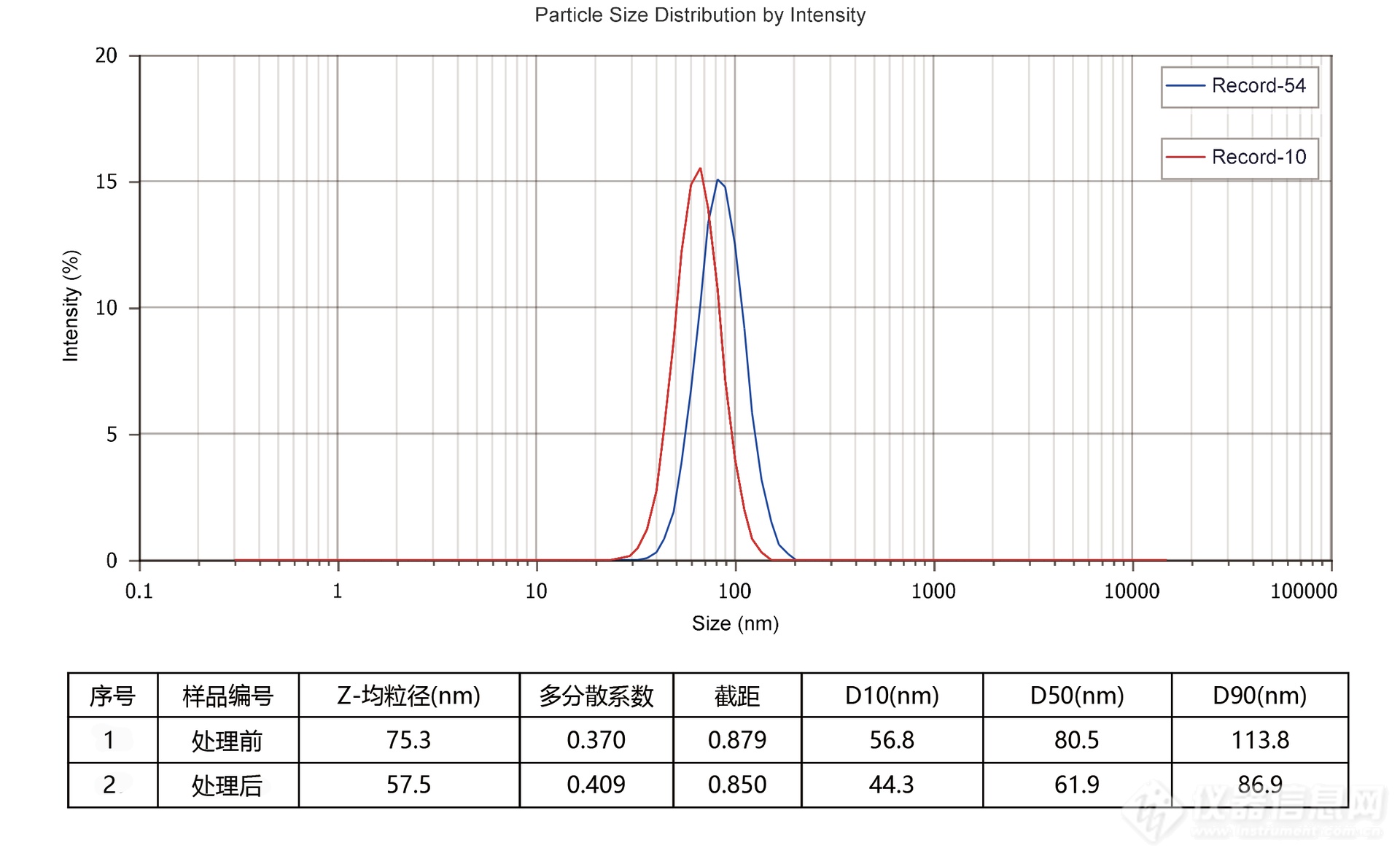
After treatment, the D90 particle size is less than 100nm.
·inkjet ink
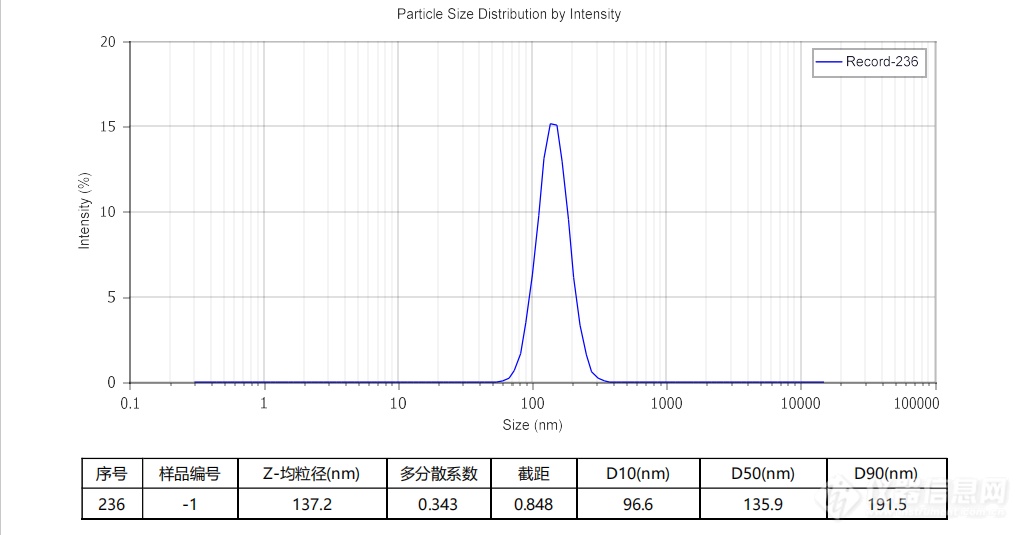
After treatment, the D90 particle size reaches 191.5nm.
·Optical pigments
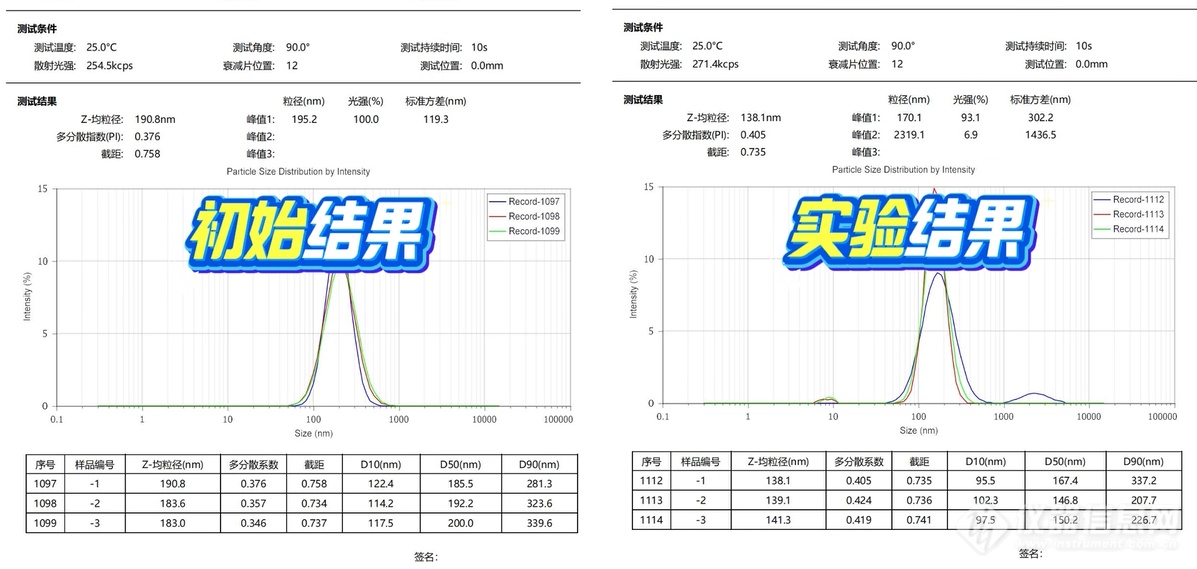
The average particle size dropped to 138.1nm
·UV ink
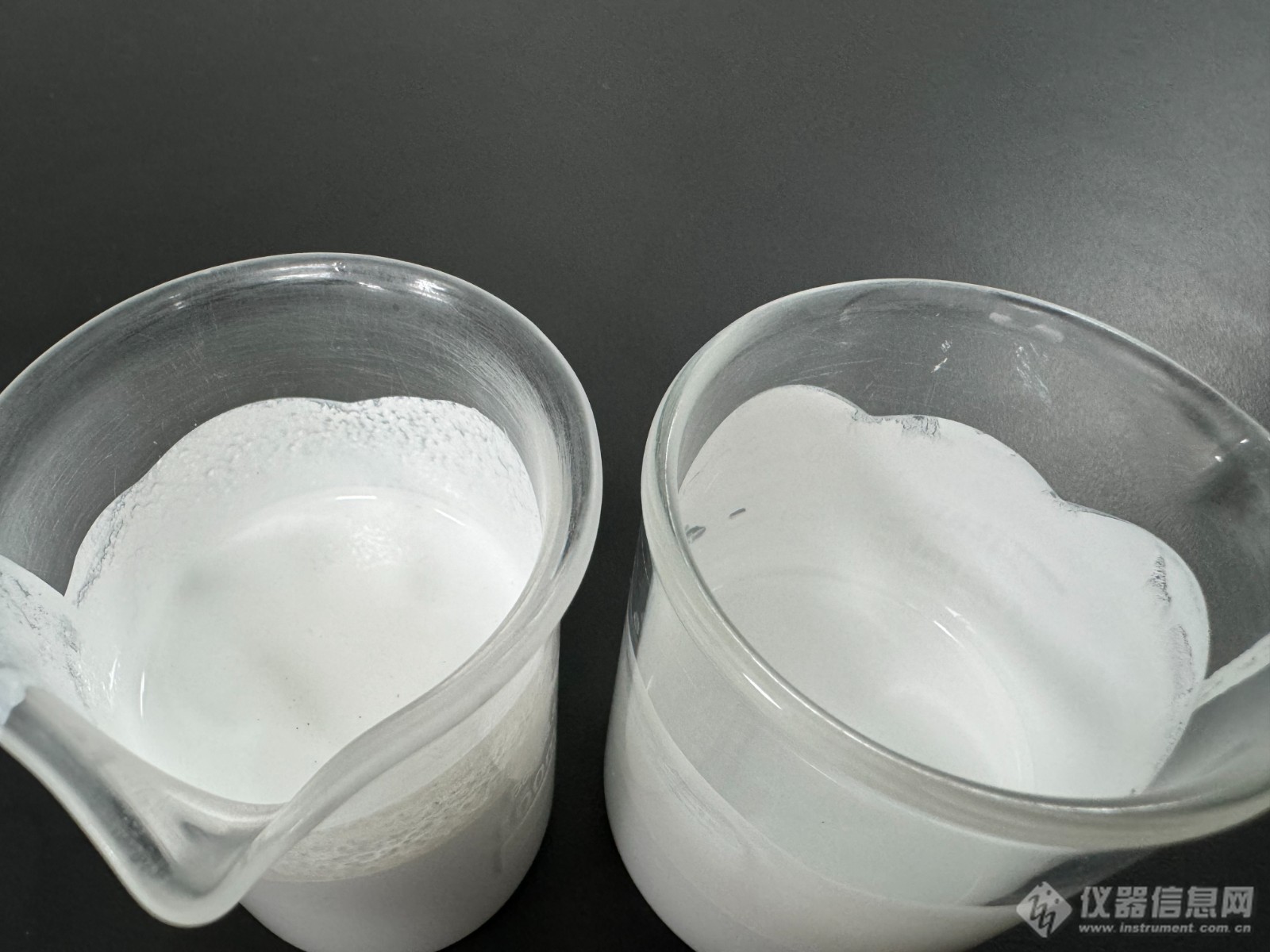
The sample is fine and grain-free
ATS has been deeply involved in the field of high-pressure homogenization for more than 20 years, and its equipment has demonstrated three core values in color paste processing:
Efficient nanotechnology: Through powerful shearing, cavitation and impact effects, the pigment particles can be uniformly refined at the nanometer level;
pollution-free process: Purely physical effect, no risk of impurities introduced by grinding media wear, ensuring high product purity;
Stable amplification: Provide a full range of equipment from experimental to production types, with clear linear amplification effects to ensure consistent product quality.
ATS is committed to using reliable equipment and professional technical support to help color paste companies break through dispersion and stability bottlenecks and achieve green, efficient, and large-scale production of high-performance nano color pastes.
References
[1] Yuan Zhijun, Yuan Zhihui, Gu Qianliu, et al. Research progress on the stability and dispersion of nanocolor pastes [J]. Shandong Chemical Industry, 2025, 54(2): 110-112.
[2] Guo Zhengxu, Zhang Jianing, Wang Guangshuo. Research progress on the preparation and dispersion of water-based colorants [J]. Shandong Chemical Industry, 2025(20).




When you visit any website, it may store or retrieve information on your browser, mostly in the form of cookies. This information might be about you, your preferences or your device and is mostly used to make the site work as you expect it to. The information does not usually directly identify you, but it can give you a more personalized web experience. Because we respect your right to privacy, you can choose not to allow some types of cookies. Click on the different category headings to find out more and change our default settings. However, blocking some types of cookies may impact your experience of the site and the services we are able to offer.