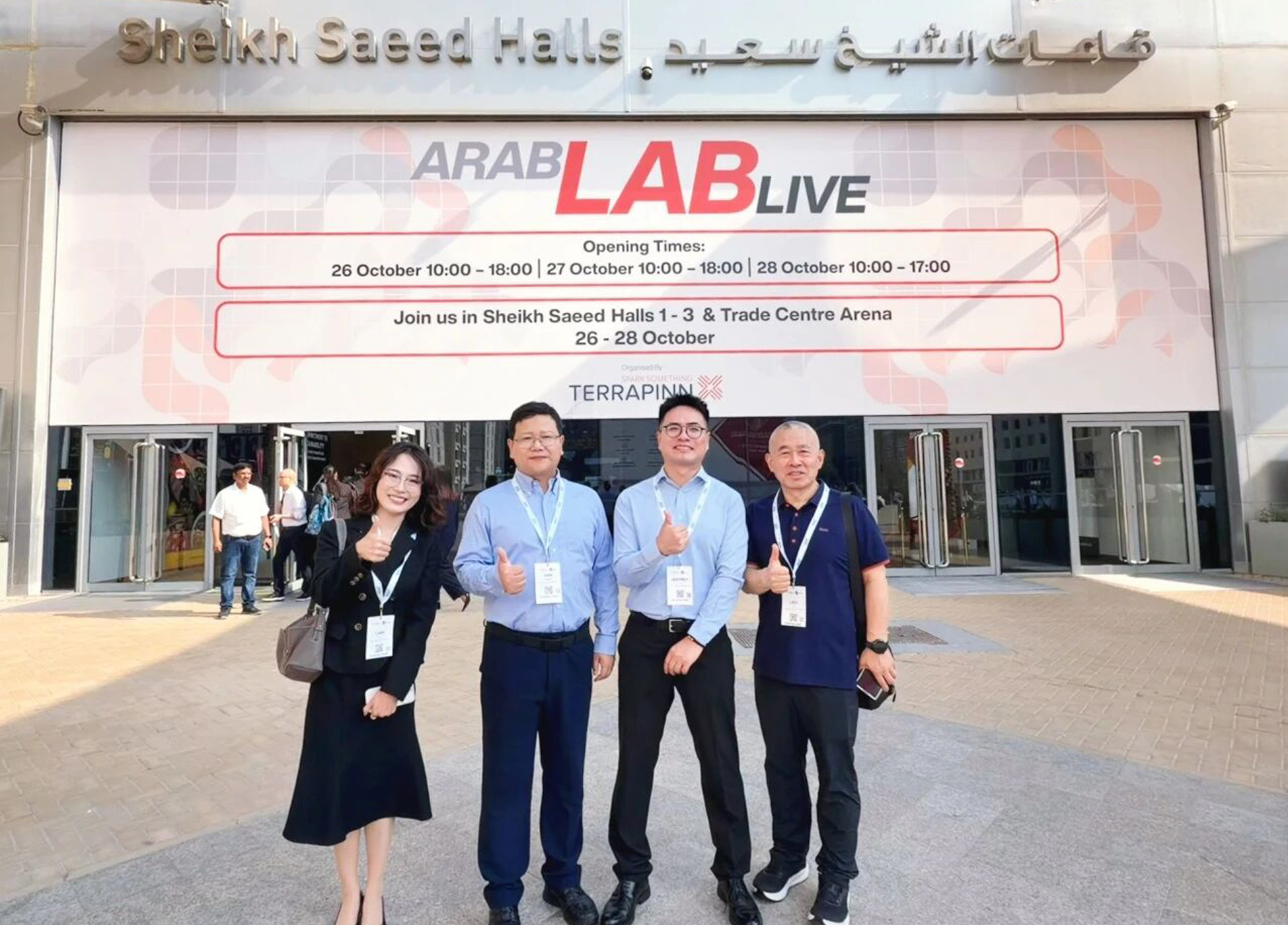
Being close to users continues from every meeting, Haineng goes to ARABLAB again
Company News
Oct 30, 2026

Curcumin is a polyphenolic compound extracted from the rhizome of Curcuma longa L. and is the main active component of curcumin. Modern pharmacological research has confirmed that curcumin has multiple biological activities such as antioxidant, anti-inflammatory, anti-tumor, liver protection, and blood lipid regulation. It has attracted much attention in the fields of functional foods, dietary supplements, cosmetics, and drug development. According to industry data, the global curcumin market size will be approximately US$596 million in 2025.Expected to reach US$783 million in 2032, with an average annual compound growth rate of approximately 4.2%. In China, the functional food market has exceeded 800 billion yuan, with curcumin-related products growing at a particularly prominent rate.
However, the clinical application and product development of curcumin have long been hampered by two major physical and chemical bottlenecks:
Very low water solubility:Curcumin is a hydrophobic polyphenol with a solubility of only about 1 μg/mL under physiological pH conditions. It is difficult to be wetted and dissolved by gastrointestinal fluid after oral administration.
Very low bioavailability:Most of the curcumin taken orally is excreted unchanged in the feces, and a small amount of the absorbed part is quickly metabolized into glucuronic acid conjugates in the liver. Experiments on rats and humans show that its absolute bioavailability is usually less than 1%.
Poor chemical stability:Curcumin is sensitive to light, oxygen, heating and pH changes, is easily degraded and inactivated, and is prone to chelation reactions with metal ions.
The above bottleneck means that traditional curcumin preparations need to be taken in large doses to barely reach effective blood concentrations, which not only causes a waste of raw materials, but also limits its application in high-end products. Therefore, fromSource extraction processarriveterminal delivery technologySystem optimization has become the core proposition for the upgrading of the curcumin industry.
Plant extract
Curcumin is a natural compound widely found in the rhizomes of turmeric and other plants. The most direct way to obtain curcumin is through plant extraction.
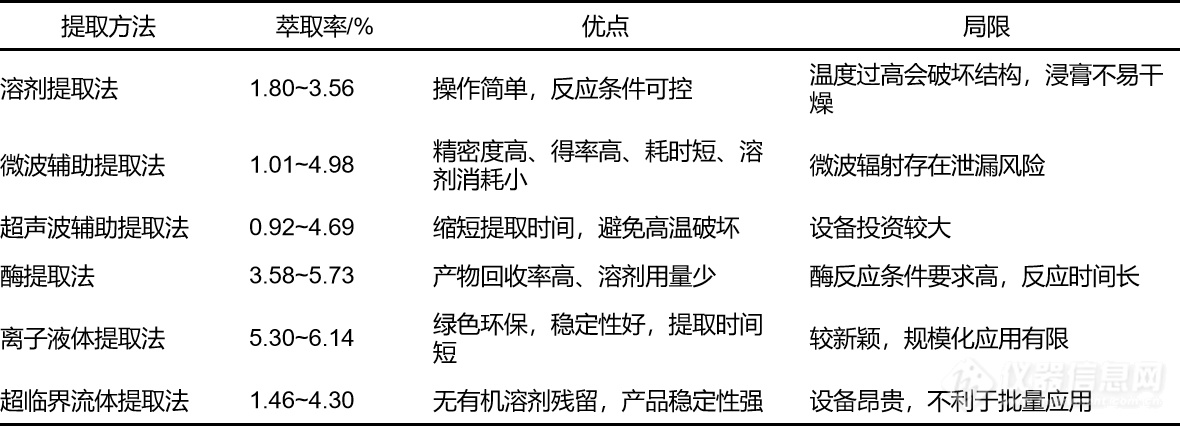
Table 1 Main extraction methods and characteristics of curcumin
chemical synthesis
Due to the limited yield of plants such as turmeric, it is difficult to meet demand solely through plant extraction, so chemical synthesis has become a means to supplement production. However, although chemical synthesis has easy-to-obtain raw materials and low cost, it has shortcomings such as low synthesis volume, environmental pollution, and hidden dangers to the human body, so it is not an ideal production method.
microbial synthesis
In recent years, the development of synthetic biology has made the use of metabolic engineering to modify microorganisms to produce curcumin a new approach. Compared with chemical synthesis, this method is cleaner, more efficient, and suitable for large-scale production. Curcumin is synthesized through the phenylpropanoid pathway in vivo. Key enzymes include phenylalanine ammonia lyase (PAL), tyrosine ammonia lyase (TAL), and the rate-limiting enzymes diketo-CoA synthase (DCS) and curcumin synthase (CURS). Researchers have successfully achieved heterologous biosynthesis of curcumin by reconstructing its biosynthetic pathways in hosts such as Escherichia coli, Yarrowia lipolytica, Pseudomonas putida, and Aspergillus oryzae.
In order to solve the natural defect of curcumin being "hard to dissolve and difficult to absorb", domestic and foreign scholars have developed a variety of new dosage form technologies, which can be summarized into the following categories:
solid dispersion
Solid dispersion is a method of dispersing drugs in an inert carrier in a molecular, colloidal or super-particle state to improve the solubility of poorly soluble drugs and accelerate the dissolution rate. This technology can effectively cope with the low solubility of curcumin in water and help improve its absorption and bioavailability. Commonly used carriers include polyvinylpyrrolidone, copovidone, poloxamer 188, etc. The preparation methods include co-precipitation, microwave quenching, freeze-drying, hot-melt extrusion and electrospinning technology.
liposomes
Liposomes are vesicle systems formed by a lipid bilayer surrounding an internal water environment, which can effectively protect active substances from oxidation and improve their stability and bioavailability. Practice has proven that various types of curcumin liposomes are effective in improving the bioavailability of curcumin. For example, curcumin ethanol liposomes prepared by ethanol injection have been proven to have significantly higher absorption than free curcumin through oral experiments in rats.
cyclodextrin inclusion complex
Cyclodextrin has a hydrophilic surface and hydrophobic inner cavity structure, which can be used to wrap hydrophobic small molecule compounds and improve the water solubility and stability of active substances. Studies have shown that the solubility of β-cyclodextrin curcumin inclusion complex prepared by solvent evaporation and freeze-drying methods is more than 1,000 times higher than that of free curcumin.
polymer micelles
Polymer micelles are assembled from amphiphilic polymer materials in solution to form a "hydrophobic core-hydrophilic shell" structure, which can increase the solubility of poorly soluble drugs. Zhang Qin et al. constructed curcumin micelles using distearoylphosphatidylethanolamine-polyethylene glycol as a carrier, which has better biocompatibility than free curcumin.
nanoemulsion
Nanoemulsion wraps curcumin in the core of the oil phase, which can significantly increase its solubility and prevent aggregation, thereby improving absorption. In vitro intestinal absorption and in vivo studies show that curcumin nanoemulsion is rapidly absorbed mainly in the duodenum and eliminated slowly. The oral relative bioavailability is as high as 313.50%.
microspheres
Drug-loaded microsphere preparations (particle size 0.3~300 μm) use starch, chitosan, etc. as carriers to encapsulate active substances. They have the advantages of diverse administration routes, maintaining blood drug concentration, and safety. Studies have shown that curcumin microspheres can significantly improve its performance: for example, microspheres made from corn porous starch can improve the dissolution rate and bioavailability; microspheres prepared from PCL-PEG-PCL copolymer have good sustained release and free radical scavenging capabilities for curcumin and its derivatives.
After reviewing the preparation processes of the various types of nanopreparations mentioned above, we can find one thing in common: whether they are nanoemulsions, liposomes, or polymer nanoparticles, their preparation processes are highly dependent on a core process equipment - a high-pressure homogenizer. High-pressure homogenization technology is the key engineering means to transform the above-mentioned "solubilization strategy" from laboratory research into industrialized products.
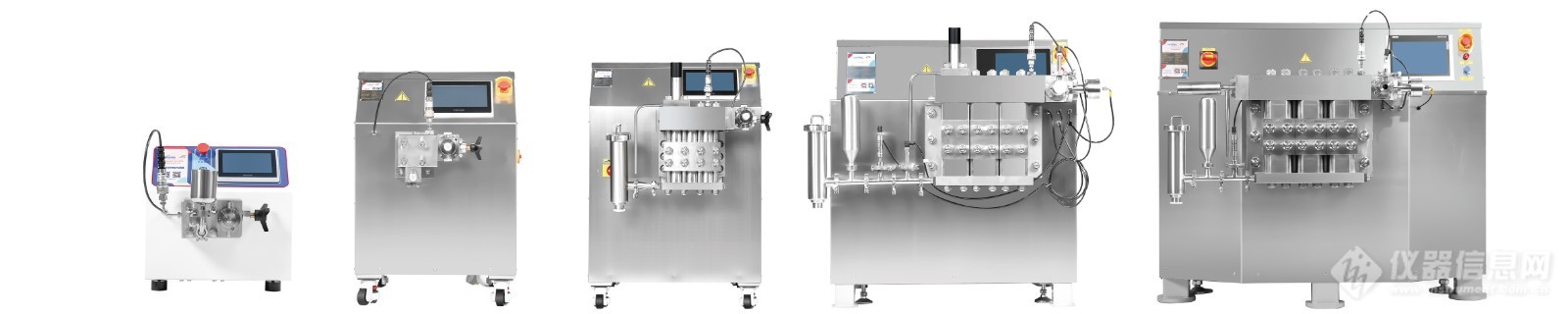
The high-pressure homogenizer uses a high-pressure plunger pump to pressurize the premixed materials to tens to hundreds of MPa, and the materials pass through a special homogenization valve at an extremely high speed. During this process, the material undergoes three physical effects:
Strong shear effect: the extremely high velocity gradient in the micropore channel tears the particle agglomerates;
Cavitation effect: Instantaneous formation and collapse of bubbles in high-speed flow, assisting dispersion and deaggregation;
Impact effect: The material hits a fixed wall at high speed or two streams of materials hit each other to further refine the particles.
Through the above effects, curcumin particles can be stably refined to the nanometer level, and the particle size distribution is extremely narrow.
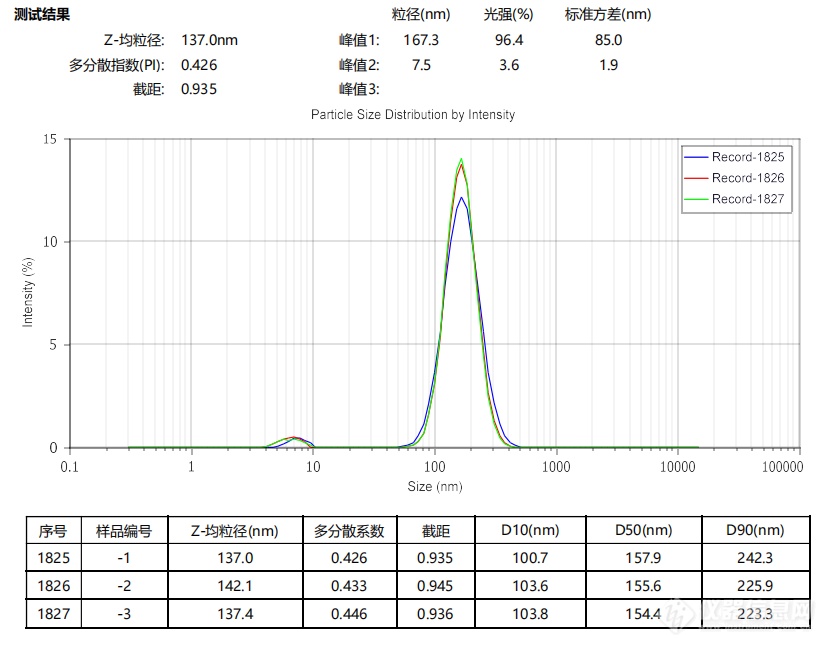
Curcumin liposome particle size prepared by ATS high pressure homogenizer
It is worth mentioning that the high-pressure homogenizer plays a "dual role" in the curcumin industry chain - not only as a preparation tool for nano-preparations, but also as a key wall-breaking equipment in the extraction process after curcumin is synthesized by microorganisms.Traditional methods such as mechanical grinding and ultrasonic crushing have limitations such as small processing capacity, easy temperature rise, and difficulty in separating fragments. The high-pressure homogenizer makes the bacterial suspension pass through the homogenization chamber at high speed, and uses strong shear and cavitation effects to instantly break the cell wall (especially the outer membrane of Gram-negative bacteria such as E. coli and the thick wall of yeast), which can efficiently release intracellular curcumin, and a cooling system can be equipped during the processing to avoid the inactivation of heat-sensitive components.
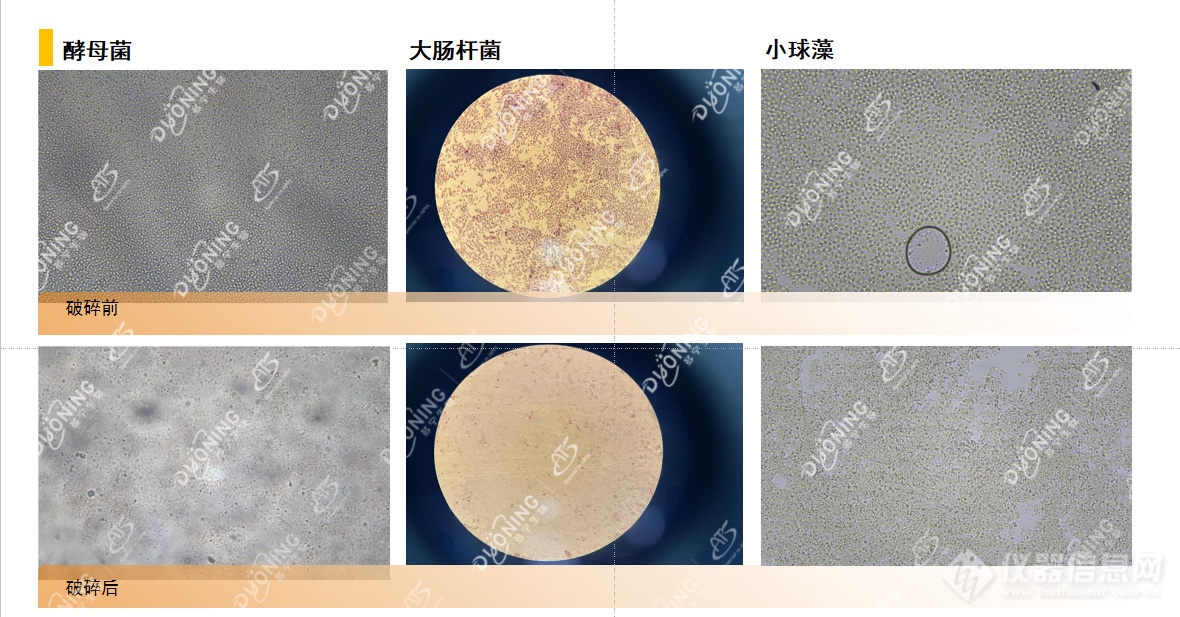
ATS high pressure homogenizer crushing effect
From the optimization of the extraction process of curcumin, to the construction of carrier systems such as phospholipid complexes and lipid nanoparticles, to the final significant increase in bioavailability - the high-pressure homogenizer runs through the key links in the development of high value-added curcumin products. It is not only a tool to achieve nanoscale physical means, but also a bridge connecting laboratory innovation and industrial production.
Antos Nanotechnology (Suzhou) Co., Ltd. has been deeply involved in the field of high-pressure homogenization for more than 20 years. With equipment design with independent intellectual property rights, rich process database and professional application support team, it has assisted many customers to successfully develop and scale up curcumin nano-formulation products. Colleagues in the industry are welcome to communicate and cooperate to jointly promote curcumin from traditional raw materials to modern preparations with high efficiency, high value and high absorption.
END
References
[1] Ma Mengmeng, Wang Xuejiao, Yao Yaxuan, et al. Research progress on the pharmacological effects, pharmacokinetics and preparation development of curcumin [J]. Chinese Herbal Medicine, 2026, 57(6): 2394-2405.
[2] Jiang Hao, Zhang Mutang, Wu Liuqing, et al. Review of medicinal and dietary properties and applications of curcumin [J]. Food and Fermentation Industry, 2025, 51(4): 363-373.
[3] Xu Yishuo, Zhang Zhisheng, Qi Wenhui. Research progress and application of nanoparticle carriers loaded with curcumin [J/OL]. Food Science, 2026.
[4] Chen Yuchun, Lin Yong, Liu Yong, et al. Research progress on the application, preparation and modification of curcumin [J]. Modern Food Science and Technology, 2024, 40(6): 327-335.


When you visit any website, it may store or retrieve information on your browser, mostly in the form of cookies. This information might be about you, your preferences or your device and is mostly used to make the site work as you expect it to. The information does not usually directly identify you, but it can give you a more personalized web experience. Because we respect your right to privacy, you can choose not to allow some types of cookies. Click on the different category headings to find out more and change our default settings. However, blocking some types of cookies may impact your experience of the site and the services we are able to offer.