
Being close to users continues from every meeting, Haineng goes to ARABLAB again
Company News
Oct 30, 2026

recently,Wang Haomin’s team at the Shanghai Institute of Microsystems and Information Technology used the National Instruments Quantum Scanning NV Probe Microscope (SNVM) to make important progress in the magnetic research of zGNRs. Based on the accumulation of previous research, the team pre-etched hexagonal boron nitride (hBN) with metal particles to obtain oriented atomic trenches, and used the gas-phase catalytic CVD method to achieve chirality-controlled preparation of graphene nanoribbons in the trenches, obtaining zGNRs samples with a width of ~9 nm embedded in the hBN lattice. The team combined SNVM and magnetic transport measurements to directly confirm its intrinsic magnetism in experiments. This discovery lays a solid foundation for the development of graphene-based spintronics devices. The relevant research results were published in the famous academic journal "Nature Materials" under the title "Signatures of magnetism in zigzag graphene nanoribbons embedded in a hexagonal boron nitride lattice".
As a unique two-dimensional material, graphene's p orbital electron magnetism is completely different from the local magnetism of d/f orbital electrons in traditional magnetic materials, which opens up a new research direction for exploring pure carbon-based quantum magnetism. Zigzag graphene nanoribbons (zGNRs) are considered to have great potential in the field of spintronics devices because they may have unique magnetic electronic states near the Fermi level. However, detecting the magnetism of zGNRs through electrical transport methods faces multiple challenges. For example, bottom-up assembled nanoribbons are often too short in length, making reliable device fabrication difficult. At the same time, the high chemical reactivity at the boundaries of zGNRs may also lead to instability or uneven doping. In addition, in narrower zGNRs, the strong antiferromagnetic coupling of edge states makes it difficult to measure their magnetic signals electrically. These factors hinder direct detection of the magnetism of zGNRs.
zGNRs embedded in hBN lattice have higher boundary stability and built-in electric field, creating ideal conditions for detecting the magnetism of zGNRs. In the research, the team used Guoyi Quantum’s room temperature SNVM.Magnetic signals of zGNRs were directly observed at room temperature。
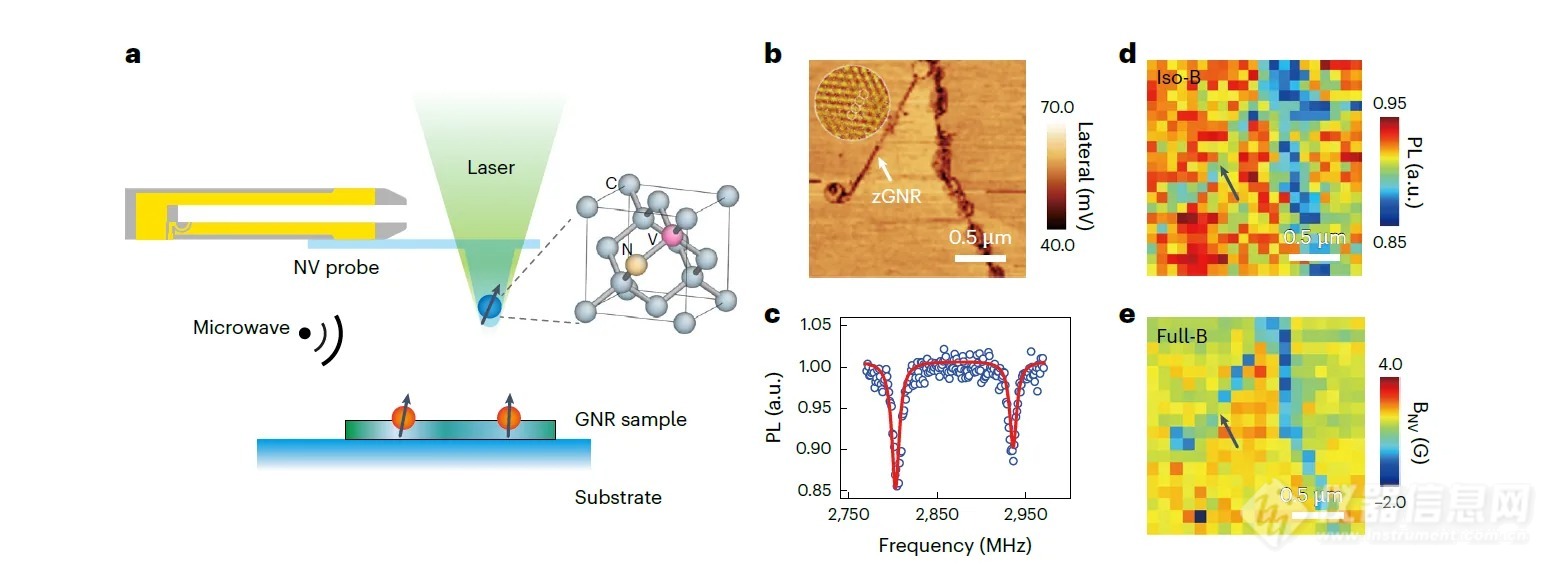 Figure 1: Magnetic measurements of zGNRs embedded in hexagonal boron nitride lattice by scanning NV probe microscopy
In electrical transport measurements, the as-prepared zGNR transistor with a width of approximately 9 nanometers exhibited high conductivity and ballistic transport properties. Under the action of a magnetic field, the device exhibits significant anisotropic magnetoresistance. The magnetoresistance change is as high as about 175 Ω at a temperature of 4 K, and the magnetoresistance ratio is about 1.3%. The signal still exists up to 350 K. The hysteresis phenomenon only appears under magnetic fields perpendicular to the plane of zGNRs, confirming their magnetic anisotropy. By analyzing the variation of magnetoresistance with tilt angle, the researchers found that the magnetic moment was perpendicular to the sample surface. Furthermore, the magnetoresistance change decreases with increasing source-drain bias and temperature, revealing the interaction between the magnetic response and charge transport and thermal vibration.
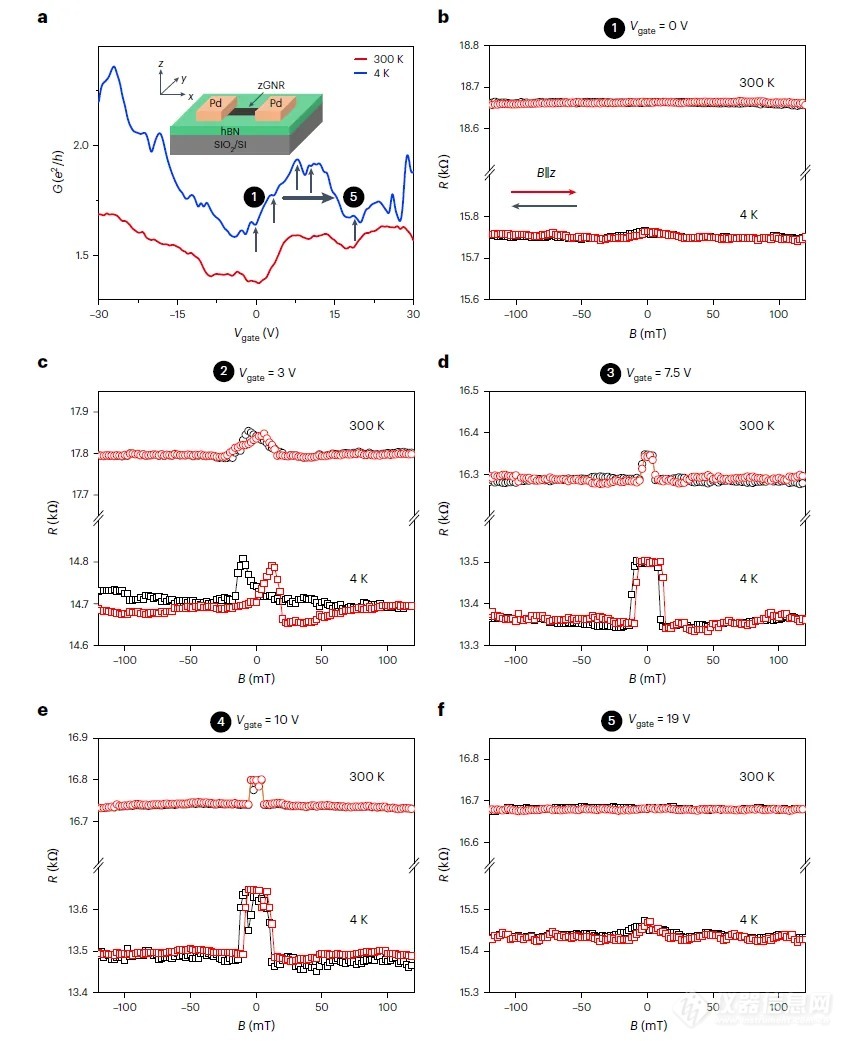 Figure 2: Magnetic transport properties of hBN-embedded 9 nm wide zGNR devices
This study combines scanning NV probe microscopy technology and transport measurements to directly confirm the existence of intrinsic magnetism in hBN-embedded zGNRs, providing the possibility to control magnetism through electric fields.This work not only deepens the understanding of the magnetic properties of graphene, but also opens up a new path for the development of graphene-based spintronics devices.。
Invitation to experience the nanoscale magnetic imaging system
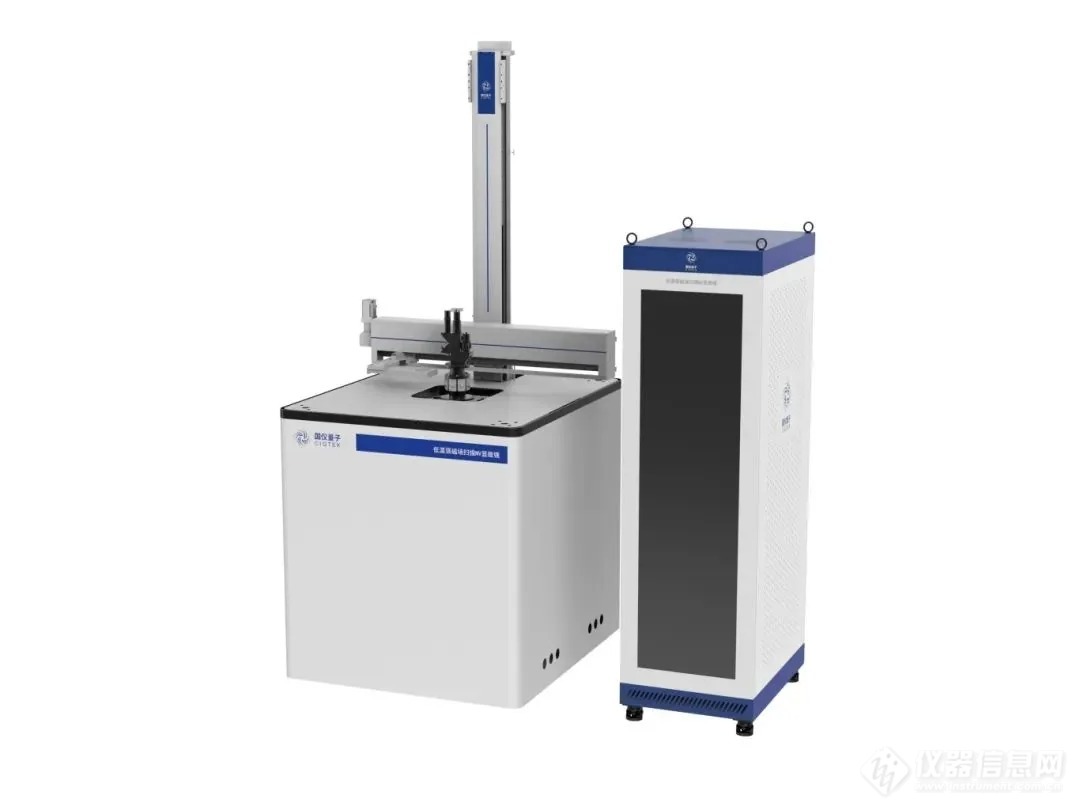
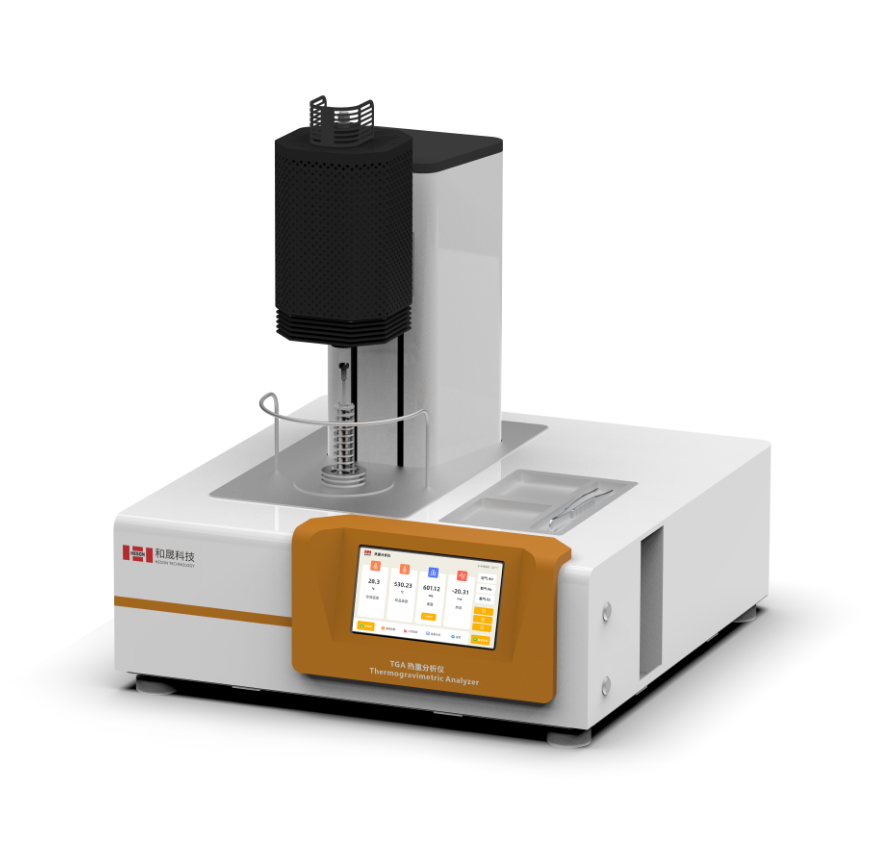
Guoyi Quantum sincerely invites you to experience Scanning NV Probe Microscope (SNVM) - the world's leading nanoscale magnetic field imaging system, temperature1.8~300 K, vector magnetic field9/1/1 T, the magnetic spatial resolution reaches10 nm, magnetic sensitivity2 μT/Hz1/2。 SNVM is a combination ofdiamond nitrogen - vacant color center (NV) Light detection magnetic resonance (ODMR)technologyandAtomic force microscope (AFM)Quantum precision measuring instruments using scanning imaging technology. It has the advantages of high spatial resolution, high-sensitivity magnetic imaging, multi-functional detection capabilities and non-invasive detection.Magnetic domain characterization, antiferromagnetic imaging, superconducting characterization, and research on two-dimensional magnetic materialsIt has important applications in other fields.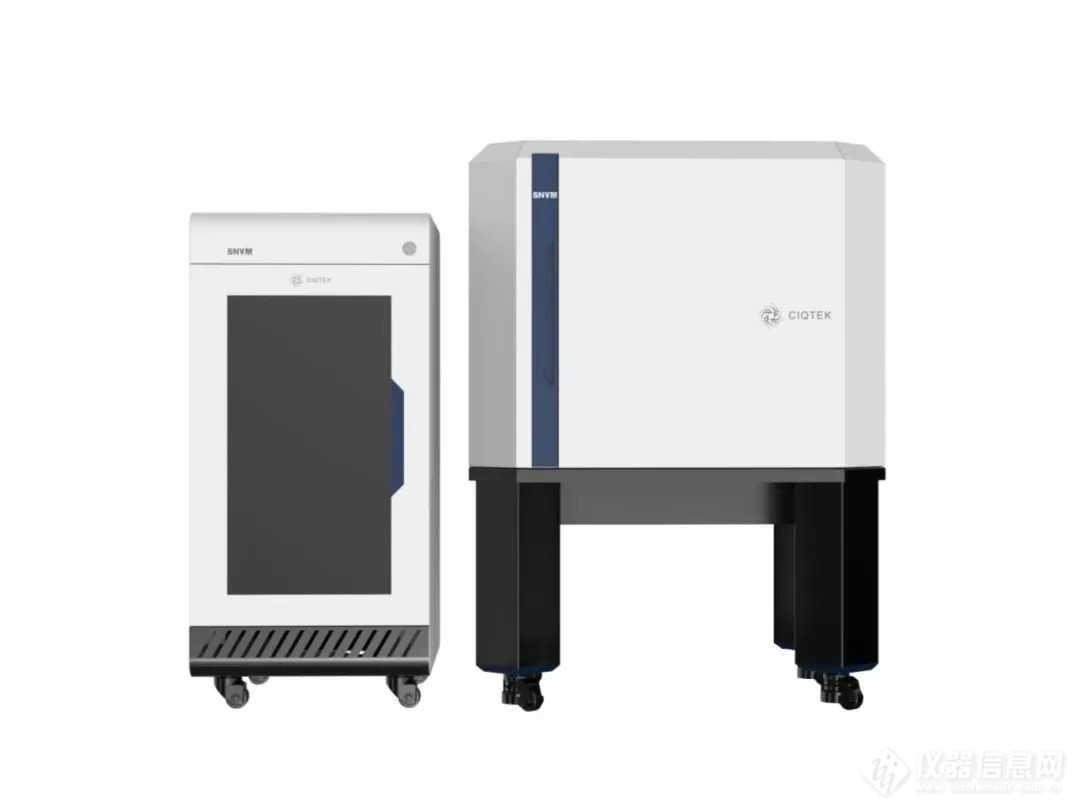 Room temperature version SNVM
 Low temperature version SNVM




When you visit any website, it may store or retrieve information on your browser, mostly in the form of cookies. This information might be about you, your preferences or your device and is mostly used to make the site work as you expect it to. The information does not usually directly identify you, but it can give you a more personalized web experience. Because we respect your right to privacy, you can choose not to allow some types of cookies. Click on the different category headings to find out more and change our default settings. However, blocking some types of cookies may impact your experience of the site and the services we are able to offer.