
Being close to users continues from every meeting, Haineng goes to ARABLAB again
Company News
Oct 30, 2026

——Professor Xiao Yao of Wenzhou University "AM": Surface reconstruction integrated bulk defect engineering surpasses traditional chemical regulation to help sodium-ion battery layered oxide cathode!
The dual-carbon goal drives the development of low-cost, long-life energy storage systems. Sodium-ion batteries have become a competitive energy storage technology route due to their abundant resources, low cost, and similar sodium storage mechanism to lithium-ion batteries. Cobalt-free O3-type NaₓTMO₂ layered oxide has the advantages of high initial sodium content, no need for pre-sodiumization, high theoretical specific capacity and operating voltage, and is an important candidate cathode material for high-energy-density sodium-ion batteries. However, deep desodium removal under high voltage can easily cause phase changes, transition metal migration, lattice oxygen loss and interface side reactions, leading to structural collapse, capacity fading, particle cracking and pulverization. Traditional surface coating, bulk doping or oxygen vacancy control cannot simultaneously improve the bulk, surface and interface properties of materials.
In response to the above problems, the team of Professor Xiao Yao of Wenzhou University conducted in-depth research with the help of the National Instruments Quantum Scanning Electron Microscope. This work used the O3-NaNi₁/₃Fe₁/₃Mn₁/₃O₂ cathode as the research prototype. A comprehensive modification strategy that goes beyond traditional chemical control was developed. Through in-situ surface reconstruction of the material, the yttrium-rich surface coating of the perovskite phase, selective Y³⁺ bulk phase gradient substitution, and the introduction of an appropriate amount of intrinsic oxygen vacancies were simultaneously achieved. The Y–O–TM strong bonding effect and the oxygen vacancy charge buffering effect synergistically regulate the electronic band configuration of the O 2p orbital, thereby inhibiting excessive lattice oxygen oxidation and the formation of O-O dimers caused by charge concentration. In addition, the perovskite phase surface not only serves as an intrinsic fast Na+ conductor to ensure efficient ion transport at the interface, but also provides a strong rigid mechanical barrier, effectively inhibiting interface side reactions and transition metal dissolution. Therefore, the anionic redox reversibility and local coordination chemical stability are significantly improved, thereby comprehensively enhancing the electrochemical reaction kinetics and charge transfer efficiency. The above conclusions were confirmed through characterization techniques such as theoretical calculations, synchrotron radiation absorption spectroscopy, resonant inelastic X-ray scattering, spherical aberration corrected scanning transmission electron microscopy, and in-situ electrochemical differential mass spectrometry. This study establishes a new research paradigm for the development of high-performance layered oxide cathode materials for sodium-ion batteries modified by synergistic multi-mechanisms.The study is titled "Surface Reconstruction-Integrated Bulk Defect Engineering Beyond Conventional Chemical Modulation for Na-Layered Oxide Cathodes"Published in the top international journal "Advanced Materials", the author is team member Dr. Jian Zhuangchun.
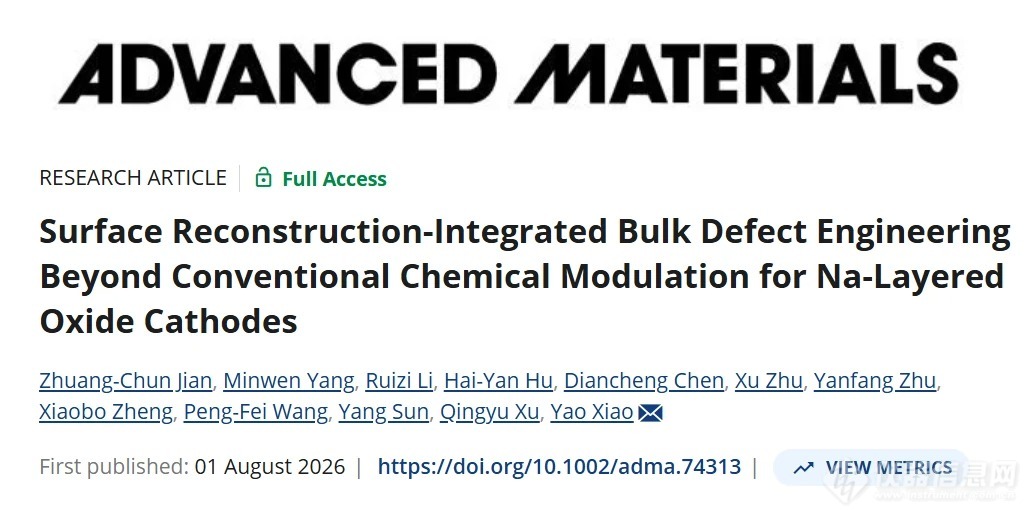
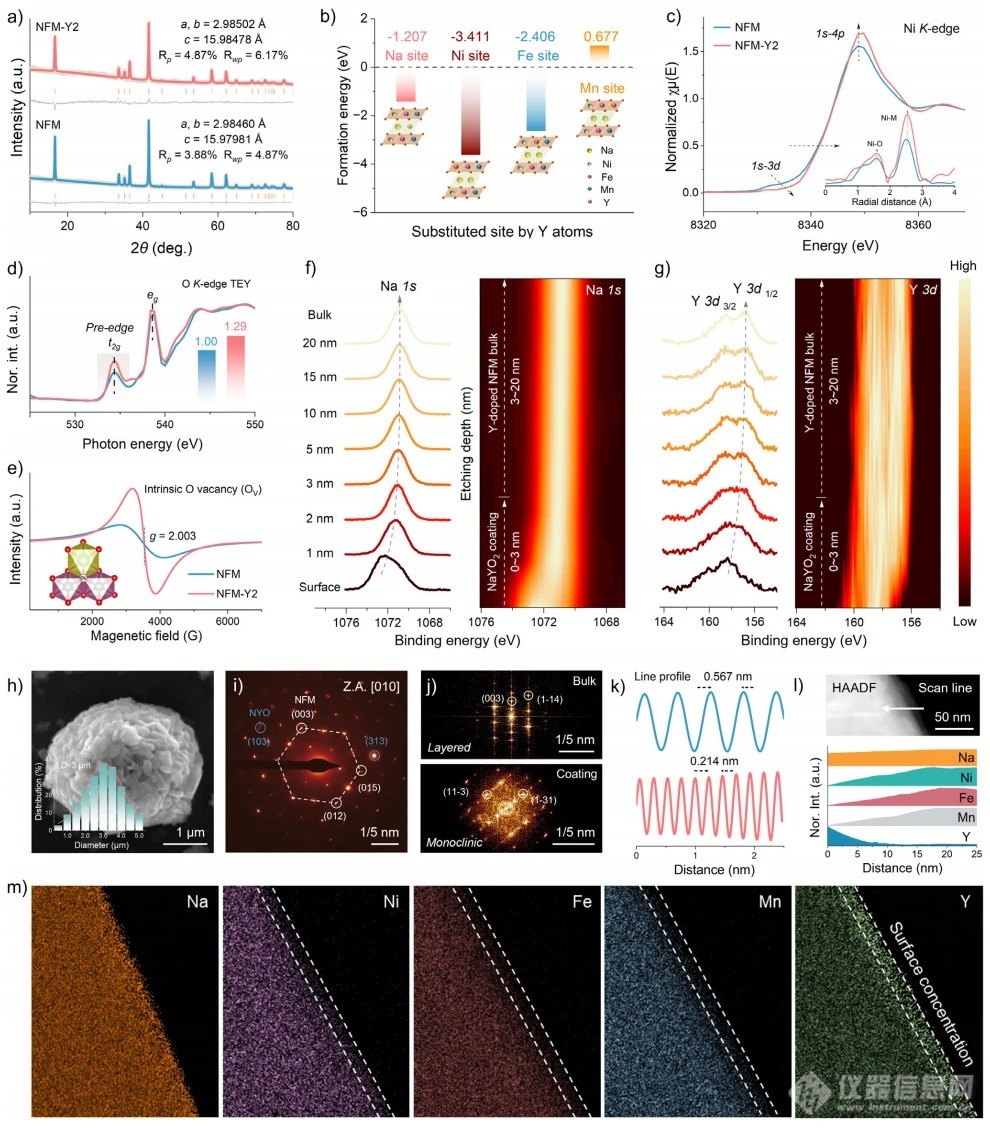 Figure 1: Structure and composition characterization
This figure contains the multi-dimensional characterization results of the crystal structure, electronic state, element distribution and micromorphology of the material before and after modification. The powder X-ray diffraction and Rietwald refinement results prove that the yttrium-modified sample maintains a hexagonal O3 layered crystal structure, with only weak perovskite characteristic diffraction peaks and slight expansion of the lattice parameters; Nickel K-edge X-ray The line absorption near-edge structure and the Fourier transform extended X-ray absorption fine structure confirm that yttrium doping improves the average valence state of nickel, changes the nickel-oxygen orbital hybridization, and enhances the stability of the NiO₆ octahedron; the oxygen K-edge soft The two-dimensional intensity mapping of the etching The fast Fourier transform and line intensity profile of the radiograph and high-resolution transmission electron microscope distinguish the crystal plane spacing between the bulk O3 layered phase and the surface monoclinic phase cladding layer; the energy spectrum line scan and the element surface distribution diagram intuitively show the gradient distribution characteristics of the concentration of Ni, Fe, and Mn increasing from the surface to the inside, and the Y element surface enrichment and gradient attenuation toward the bulk phase.
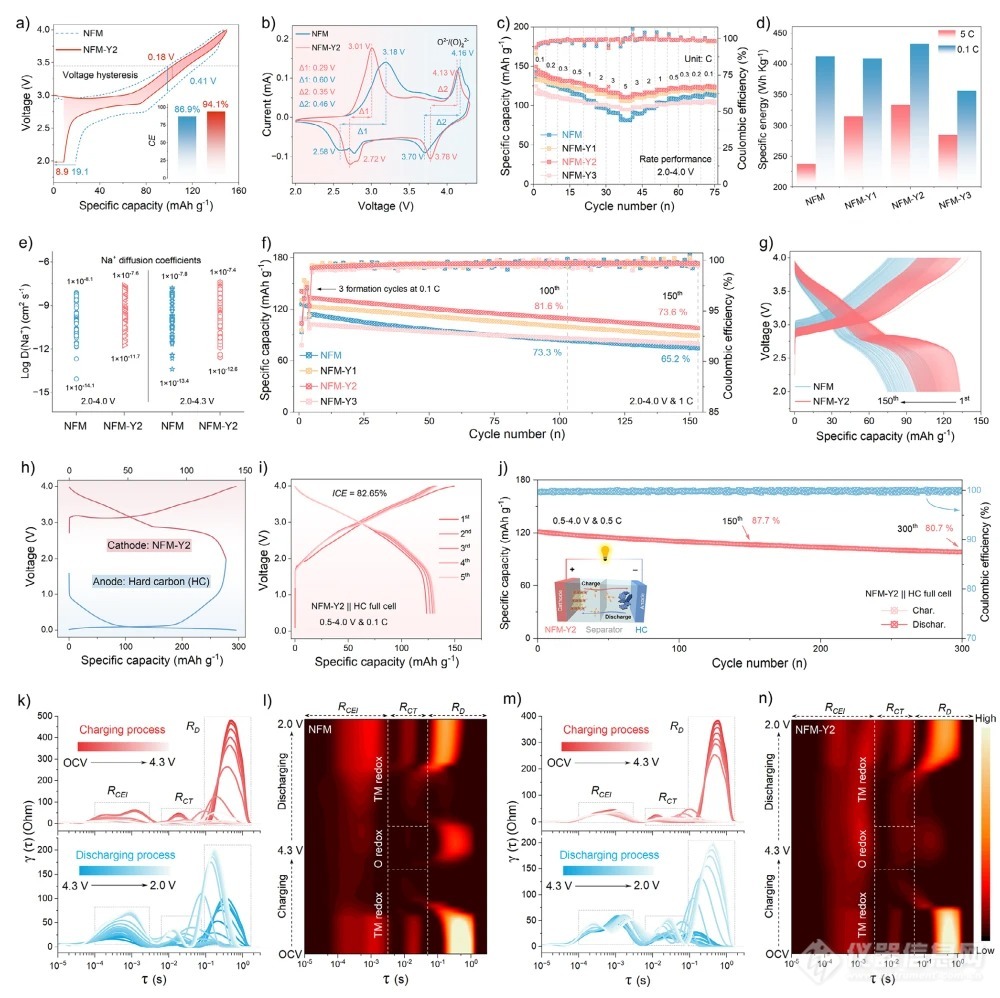 Figure 2: Electrochemical performance characterization
This figure completely shows the half-cell rate, cycle kinetics and hard carbon matching full-cell electrochemical performance before and after modification. The 0.1 C first cycle constant current charge and discharge curve shows serious voltage lag of the base sample and low initial Coulomb efficiency. The voltage lag of the yttrium-modified sample is only 0.18. V, the initial Coulombic efficiency increased to 94.1%; the cyclic voltammetry curve proved that after modification, the polarization voltages of transition metal redox and oxygen redox were significantly reduced, and the redox reversibility and kinetics were significantly improved; Comparing the rate performance of samples with different yttrium doping ratios in the 2.0–4.0 V voltage window, NFM-Y₂ has a higher discharge specific capacity at each rate, 5 C capacity retention rate is much higher than that of the substrate; the calculated sodium ion diffusion coefficient shows that the ion diffusion capacity is improved by one to two orders of magnitude after modification; long cycle tests prove that NFM-Y₂ has higher capacity retention rate, energy efficiency and stable median voltage; the first cycle charge and discharge curve of the pairing of yttrium modified positive electrode and hard carbon negative electrode, the full battery 0.1 C constant current charge and discharge and 0.5 C long cycle results verify the practical potential of the material; the in-situ electrochemical impedance relaxation time distribution and contour map divide the impedance into three categories: interface CEI impedance, charge transfer impedance, and bulk diffusion impedance. Comparing the impedance evolution throughout the charge and discharge process, the impedance of the substrate sample in the high voltage range increases sharply, the modified sample has low impedance value throughout the process without obvious fluctuations, and the interface and ion transmission stability are greatly optimized.
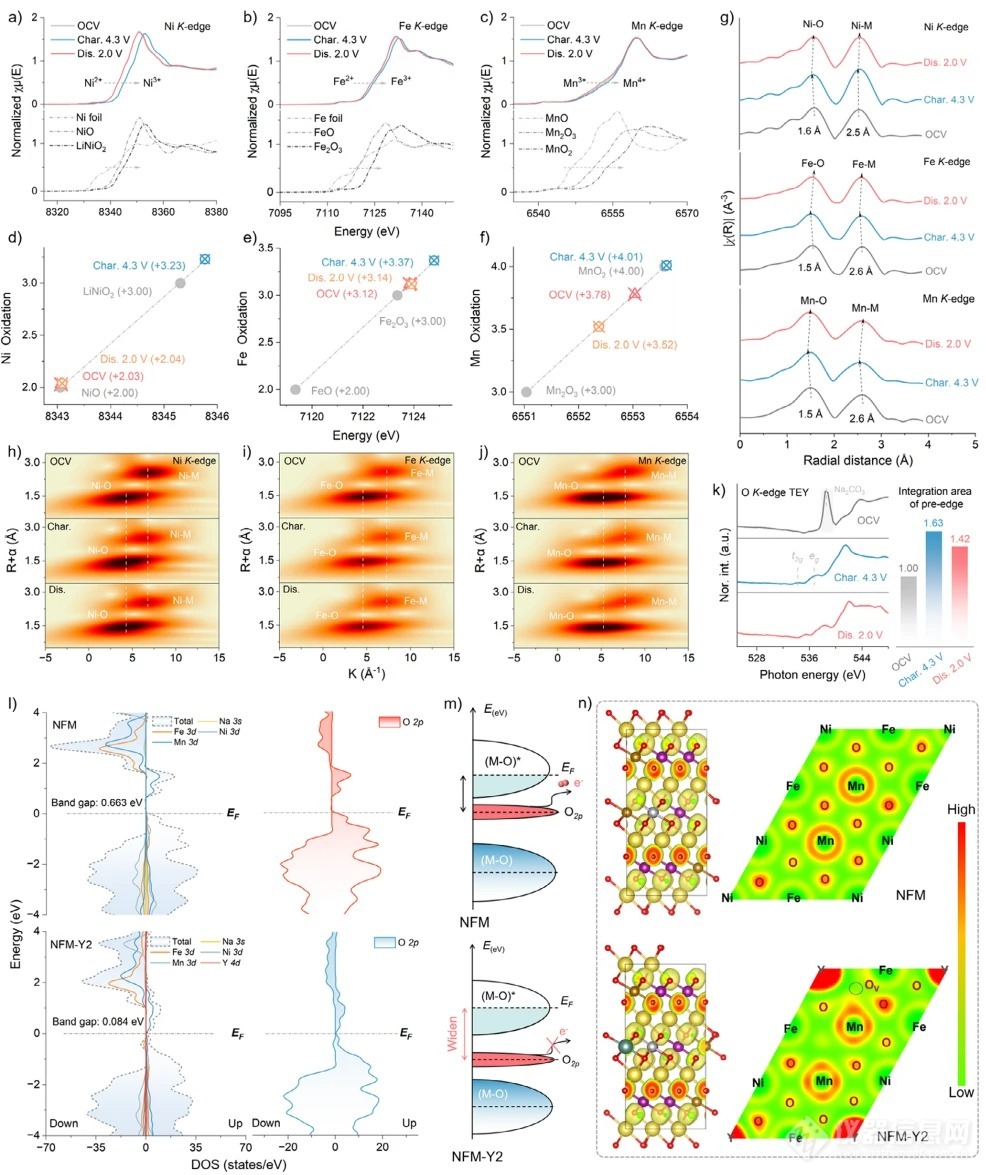 Figure 3: Charge compensation and electronic structure analysis
This figure analyzes the charge compensation and electronic configuration regulation mechanism of the charge and discharge process through non-situ synchrotron radiation absorption spectra, density functional theory density of states, and electron local functions; K-edge normalized X-ray absorption near-edge spectra of nickel, iron, and manganese under different electrochemical states combined with quantitative valence analysis confirm that Ni²⁺/Ni³⁺/Ni⁴⁺ is the main charge compensation center during the charge and discharge process, and Fe and Mn cooperate in oxidation and reduction. The original dispersed charge, the valence state of the three transition metals can be reversibly restored after discharge; the K-edge Fourier transform extended X-ray absorption fine structure and wavelet transform contour plots of nickel, iron, and manganese prove that the TMO₆ octahedron can reversibly shrink and expand during charge and discharge, without irreversible bond distortion; the oxygen K-edge soft The 4d impurity energy level significantly narrows the band gap, increases the electronic conductivity, and regulates the O 2p orbital energy band configuration; the energy band structure diagram compares the difference in oxygen redox thermodynamic barriers between the substrate and the modified sample; the electron local function distribution diagram intuitively shows that after yttrium modification, the electron density around the oxygen atom is increased, the degree of electron cloud delocalization is reduced, and the lattice oxygen anchoring effect is enhanced.
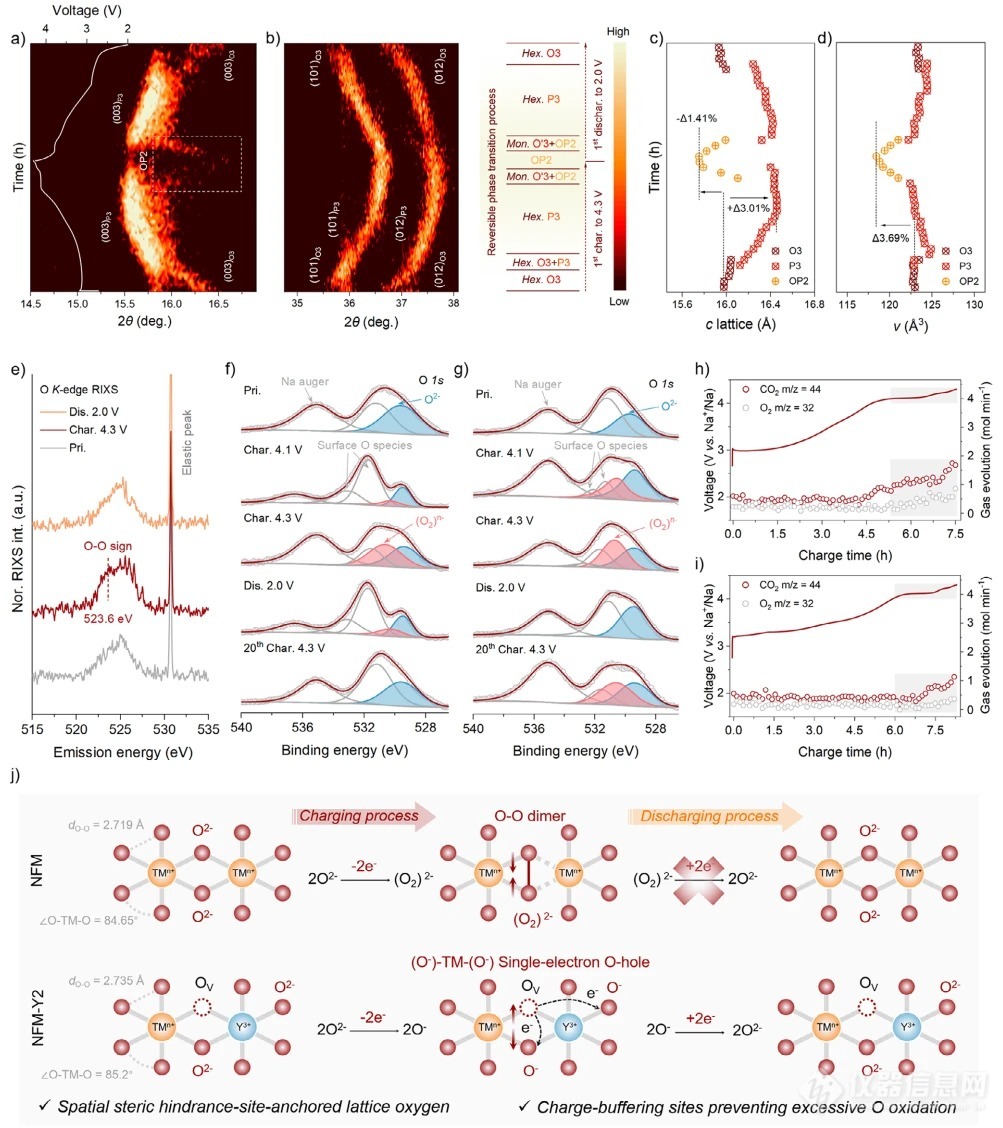 Figure 4: Phase transition and anion redox mechanism
This figure relies on in-situ X-ray diffraction, resonant inelastic X-ray scattering, X-ray photoelectron spectroscopy, and in-situ differential electrochemical mass spectrometry to reveal the phase transition and anion redox reversible mechanism; the first cycle charge and discharge in-situ X-ray diffraction contour map can completely restore NFM-Y₂ The reverse phase evolution path simultaneously presents the c-axis lattice parameters and unit cell volume changes during the charge and discharge process. The maximum expansion and volume change of the modified sample's lattice are significantly reduced, which alleviates the cyclic lattice stress; the ex-situ oxygen K-edge resonance inelastic X-ray scattering spectrum proves that the charge reaches 4.3 V only generates reversible O─O peroxide signal, no irreversible O₂ molecules are released, and the peroxide characteristic peak disappears after discharge; the substrate and the modified sample have different cycle times and different charge and discharge states O 1s Comparison of X-ray photoelectron spectroscopy shows that irreversible peroxide signals remain after the substrate is discharged, and the lattice oxygen activity is greatly attenuated after cycling. The peroxide species of the modified sample disappear reversibly, and the oxygen redox activity is still maintained during long cycles. The in-situ differential electrochemical mass spectrometry monitors the amount of CO₂ and O₂ gas evolution in real time during the charging process, and the gases in the high voltage range of the substrate are sharp. Strong release, the gas evolution behavior of the modified sample is significantly suppressed; the mechanism diagram compares the difference in oxygen redox between the substrate and the yttrium-modified material. The substrate is prone to accumulation of irreversible O─O dimers, causing continuous oxygen loss. The modification relies on oxygen vacancy charge buffering and the steric hindrance effect of yttrium to generate reversible single-electron oxygen holes, structurally inhibiting the formation of peroxide dimers.
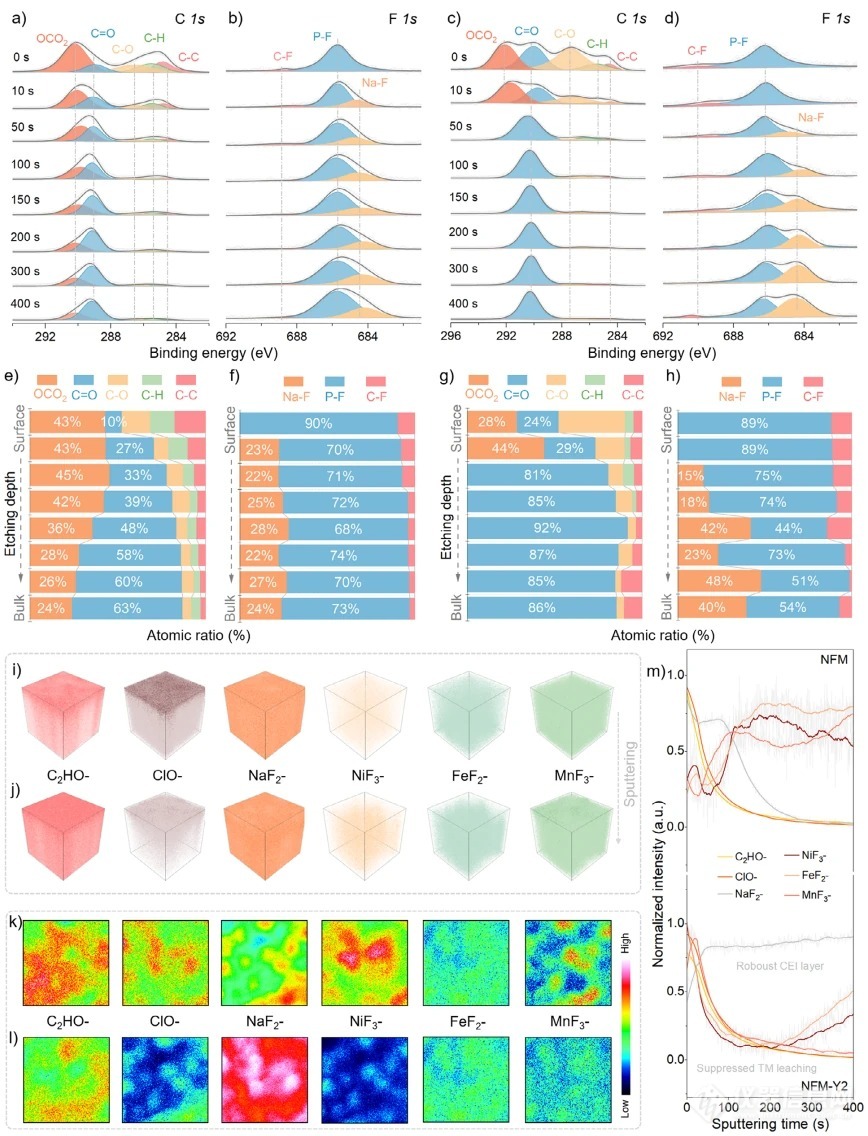 Figure 5: Interface film and side reaction analysis
This figure uses argon ion deep etching X-ray photoelectron spectroscopy and time-of-flight secondary ion mass spectrometry to analyze the chemical composition of the positive electrode interface film and the degree of interface side reactions after cycles; different etching times C 1s and F for the substrate and modified samples after cycles The 1s spectrum, combined with statistics on the atomic proportions of carbon and fluorine related species, shows that the carbonate by-products on the substrate surface account for a high proportion and can penetrate into the granular phase, forming a thick and unstable cathode electrolyte interface film. The surface of the modified sample has a lower carbonate proportion and a thinner interface film, while generating a dense, uniform and NaF-rich stable interface layer; the three-dimensional fly Time-line secondary ion mass spectrometry reconstruction, two-dimensional surface chemical mapping and depth-normalized intensity curves show that electrolyte decomposition products and transition metal fluoride dissolution products on the substrate surface are heavily enriched and invade into the interior of the particles. The signal intensity of various by-products of the yttrium-modified sample is significantly weakened, effectively inhibiting electrolyte decomposition and transition metal dissolution.
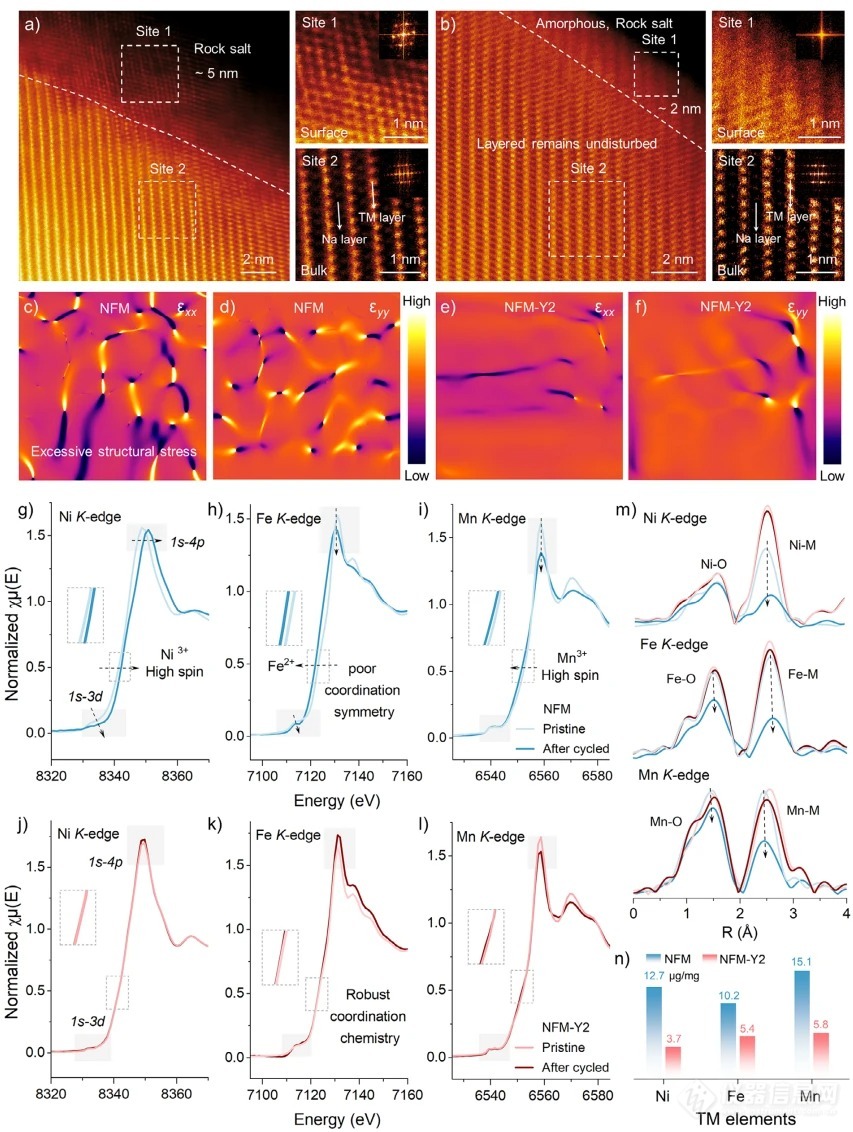 Figure 6: Analysis of structural evolution after cycling
This figure uses spherical aberration corrected high-angle annular dark field transmission electron microscopy, geometric phase analysis lattice strain, post-cycle synchrotron radiation absorption spectroscopy, and inductively coupled plasma emission spectroscopy to characterize the atomic-scale structural degradation behavior of the material after cycles; after 150 cycles, an approximately 5 nm thick rock salt miscellaneous phase reconstruction layer was formed on the surface of the substrate sample, and a large number of dislocations and lattice distortions appeared inside the particles. Only 2 existed in the modified sample. nm thin amorphous heterogeneous phase layer, the arrangement of layered bulk phase atoms is highly ordered; after cycling, the in-plane and out-of-plane lattice strain contour diagrams of the two materials show serious anisotropic distribution of the substrate lattice strain, high stress concentration at the grain boundaries, the lattice stress of the modified sample is uniform, and the overall stress intensity is reduced; comparison of the near-edge spectra of the K-edge X-ray absorption of nickel, iron, and manganese before and after cycling, the transition metal valence state is irreversibly shifted and the coordination is symmetrical after the substrate is charged and discharged There is almost no change in the shape and energy position of the absorption spectrum of the modified sample; the Fourier transform extended X-ray absorption fine structure proves that the base TMO₆ octahedron has serious Ginger-Taylor distortion, and the metal oxygen coordination structure of the modified sample remains intact; the inductively coupled plasma emission spectrum quantifies the content of the dissolved transition metal in the electrolyte. After yttrium modification, the dissolution of Ni, Fe, and Mn is significantly reduced, and the interface stability is comprehensively improved.
Summarize
This study pioneered a triple synergistic modification strategy of bulk-surface-interface based on surface reconstruction reaction to solve the multiple core limitations faced by layered oxide cathodes and break through the shortcomings of traditional single chemical modifications that cannot take into account multi-phase performance optimization. Combining calculations based on quantum mechanics, synchrotron radiation X-ray absorption spectroscopy, in-situ diffraction, and atomic-scale transmission electron microscopy multi-scale characterization methods, the underlying mechanism of dense and stable surface coating, bulk gradient doping, and oxygen vacancy engineering collaboratively regulates the charge compensation path, improves anion redox reversibility, and maintains structural integrity and interface stability under high voltage. Thanks to multiple synergistic effects, the optimized yttrium-modified cathode material exhibits excellent comprehensive electrochemical performance and fast electrochemical reaction kinetics, and has considerable practical application prospects. This research establishes a new research paradigm for the design of next-generation high-voltage layered sodium oxide cathode materials with high capacity, high stability, and fast kinetics.
Article link:
Z.-C. Jian, M. Yang, R. Li, et al. “Surface Reconstruction-Integrated Bulk Defect Engineering Beyond Conventional Chemical Modulation for Na-Layered Oxide Cathodes.” Advanced Materials (2026): e74313.




When you visit any website, it may store or retrieve information on your browser, mostly in the form of cookies. This information might be about you, your preferences or your device and is mostly used to make the site work as you expect it to. The information does not usually directly identify you, but it can give you a more personalized web experience. Because we respect your right to privacy, you can choose not to allow some types of cookies. Click on the different category headings to find out more and change our default settings. However, blocking some types of cookies may impact your experience of the site and the services we are able to offer.