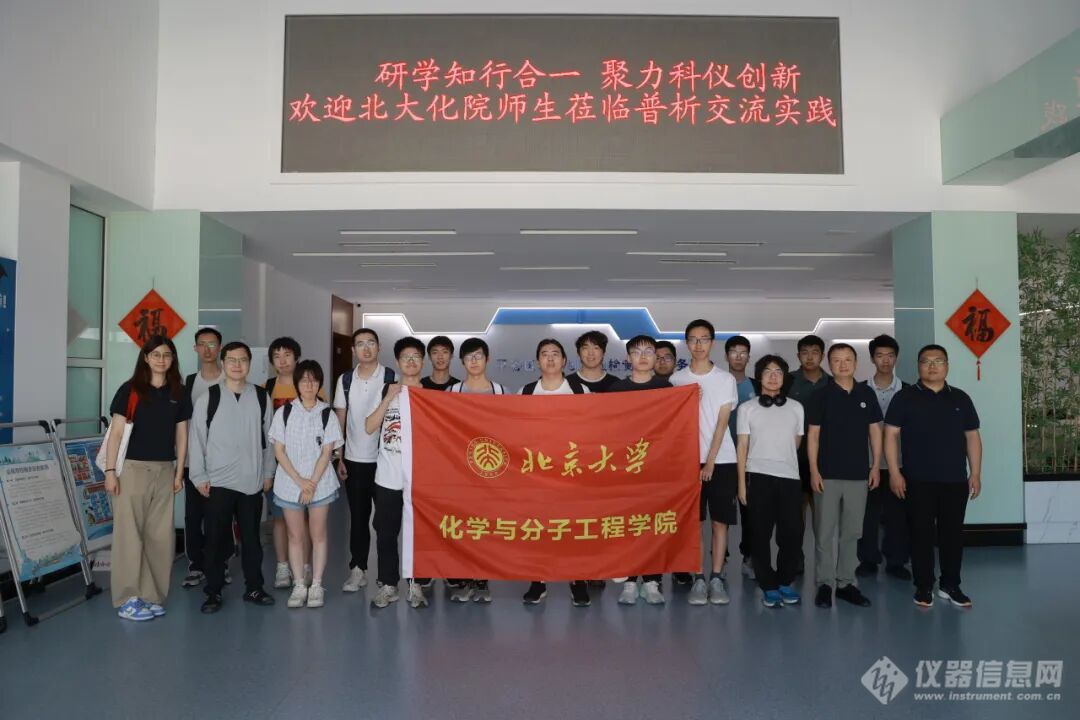
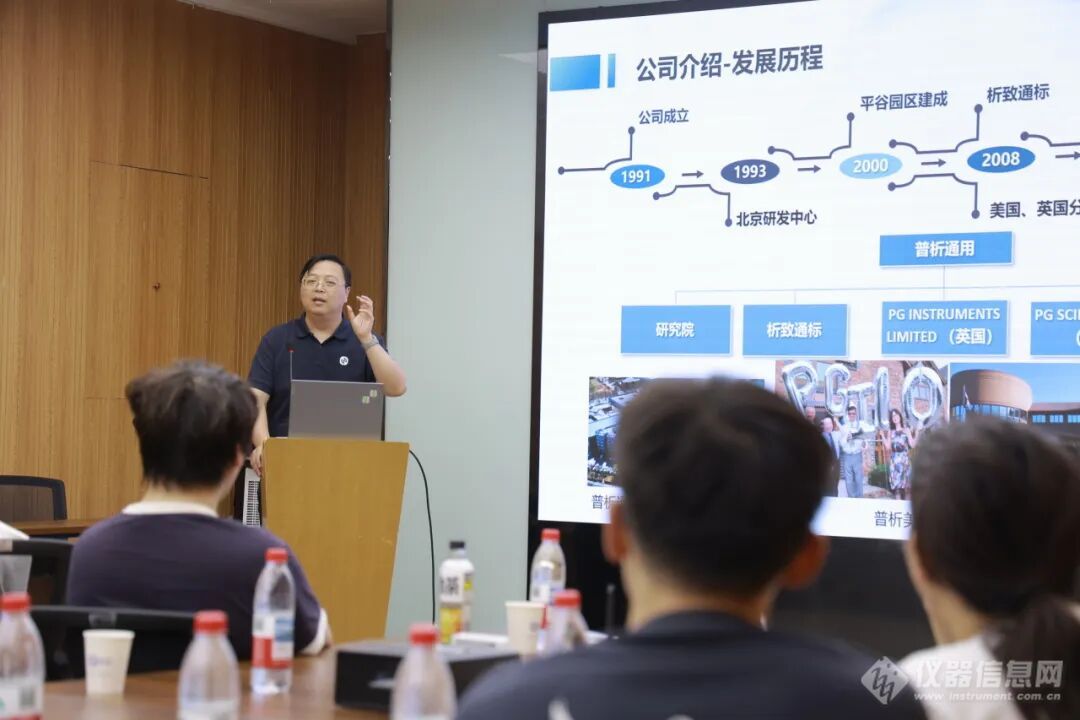
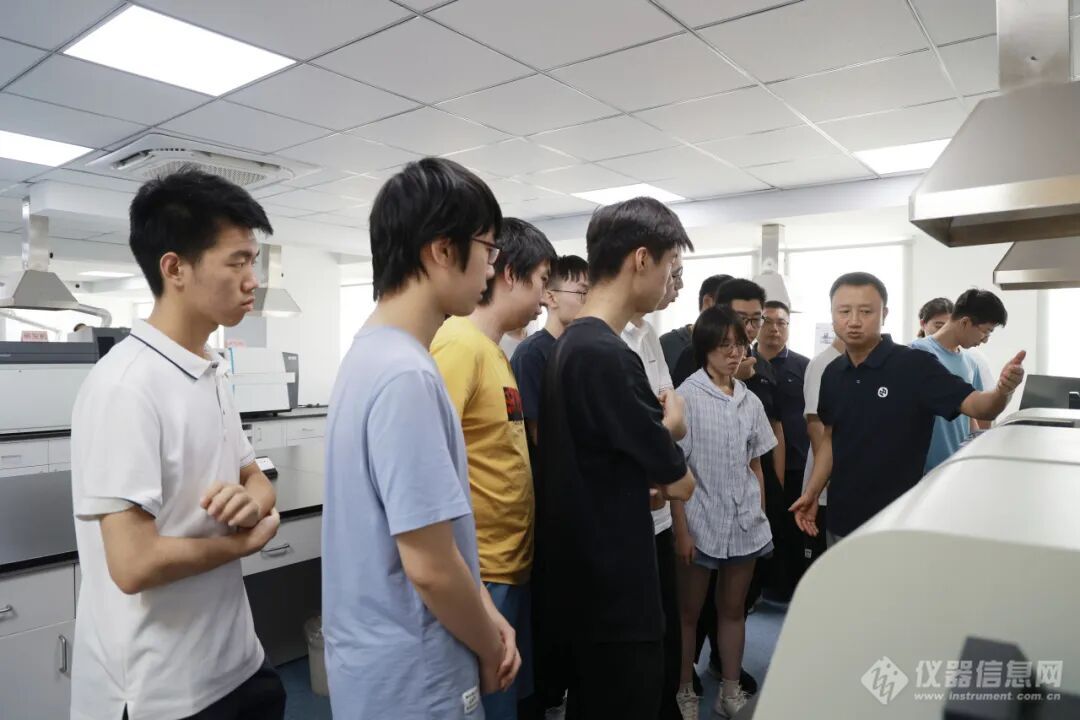
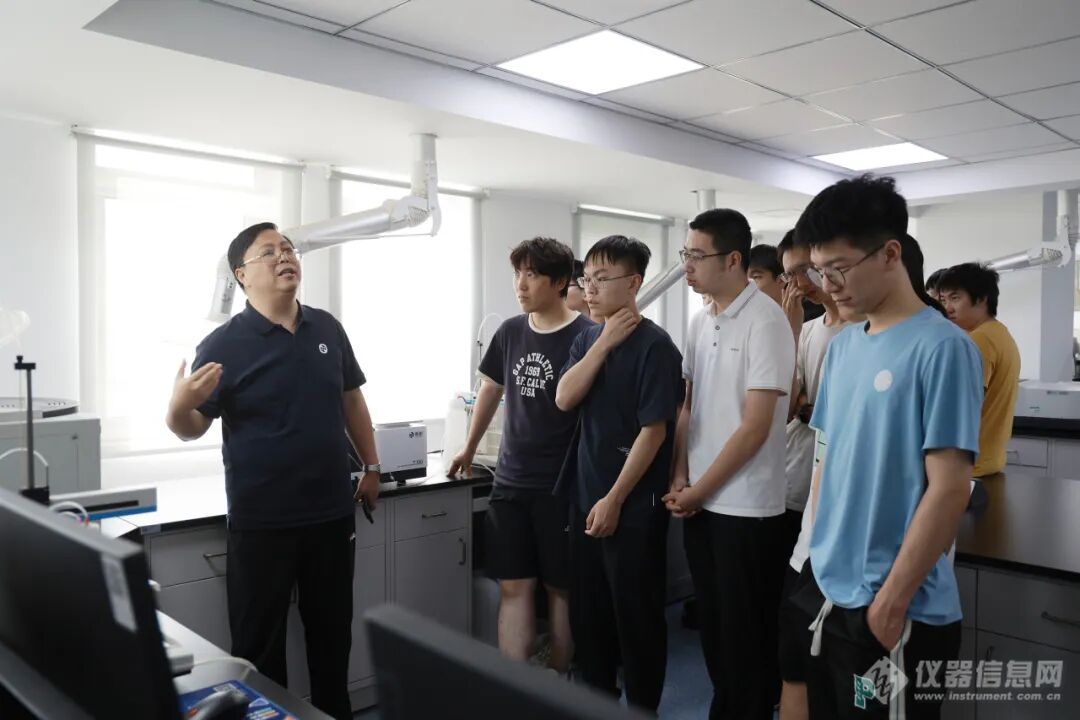
Using the company's development history as a starting point, Puji's marketing director sorted out the overall development of the domestic analytical instrument industry to visiting teachers and students. He introduced that Puji is a domestic innovative enterprise that adheres to R&D as its core driving force, actively responds to the country’s call, and assists the development of the country’s scientific and technological undertakings;Its subsidiary Beijing Yigu Testing Science Research Institute can provide products for government supervision, scientific research, and enterprises.Provide professional technical support in quality control and other fields.
Expanding the vision from the enterprise itself to the entire industry, scientific instruments seem to be a segmented track, but in fact they connect multiple basic industrial categories such as materials, optics, electronics, software, etc. Domestic instruments must achieveFrom "available" to "easy to use"The leap forward not only relies on breakthroughs in single-point technology, but also requires continuous accumulation in system integration capabilities and scene adaptation depth. This perspective of integrating corporate strategy into the overall development of the industry gave students a more in-depth understanding of the positioning and direction of domestic instruments.
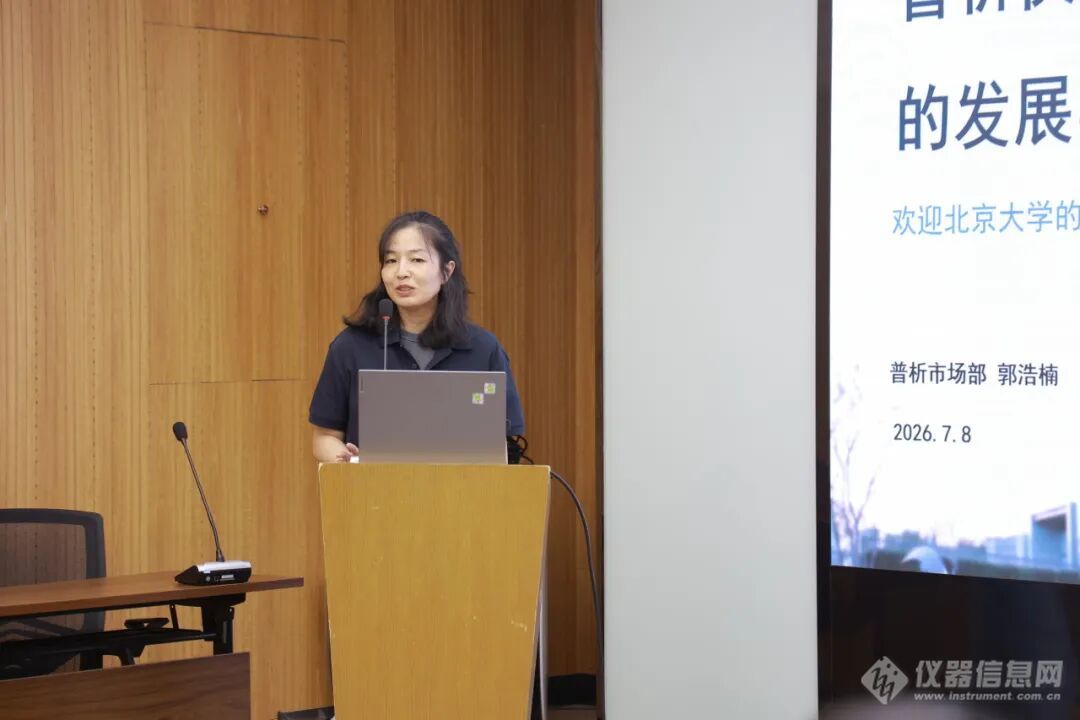
The marketing manager of Pushi then shared Pushi's work and latest achievements in technological innovation, independent research and development, and large-scale production. She focused on multi-scenario UV spectrophotometers, modified gas chromatography, high-performance liquid chromatography solutions and pure water smart services, combined with specific application scenarios and typical cases, to help students gain a further understanding of the basic principles and practical applications of spectroscopy and chromatography. From food testing to environmental monitoring, from drug quality control to scientific research analysis, the adaptation and implementation of different technology platforms in different scenarios allow abstract principle knowledge to find specific industrial application scenarios.
After the product sharing session, the software engineer brought the laboratory digital intelligent IoT system to the studentsDLabsPhysical display and explanation. The system focuses on the five major elements of people, machines, materials, methods, and environment, and uses instrument Internet of Things technology to achieve direct data connection and interoperability of various laboratory equipment. This system allows students to intuitively feel how digital technology is reshaping the way traditional laboratories work -From paper records to automatic data collection, from manual quality control to system intelligent comparison, the operational efficiency and data reliability of laboratories are undergoing profound changes.
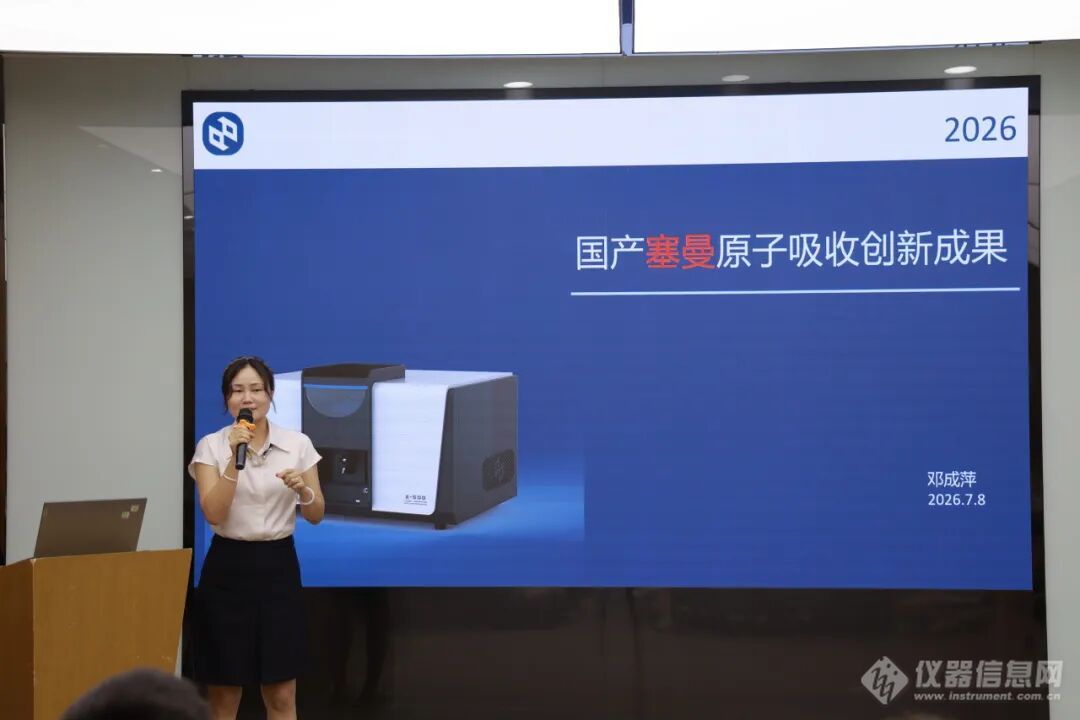
Whether domestic analytical instruments can truly enter the high-end category depends on the level of autonomy of core components and key technologies. Marketing Manager of Puxi Zeeman Atomic Absorption SpectrometerA500Taking the series as an example, starting from the quantitative basis of atomic absorption - Lambert-Beer's law, we analyze the technical barriers of its core modules one by one. Breakthroughs in these technical details correspond toMineral product position determination, food safety, environmental monitoring, occupational healthThe growing demand for accurate quantification in other fields is also a key leap for domestic instruments to move from "available" to "easy to use".For the students present, this lecture was a step-by-step lecture from basic principles to cutting-edge technologies.This provides a solid knowledge base for engaging in scientific research or facing practical analysis and testing topics in the future.