

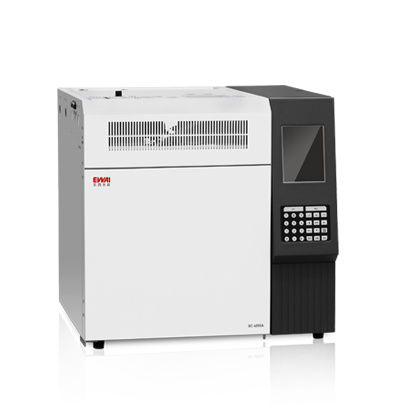



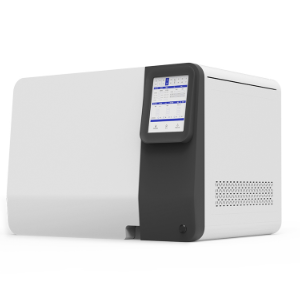

Gas chromatography (GC) is a chemical analysis technique widely used to separate and detect compounds in complex mixtures. It achieves the separation of compounds based on the different distribution coefficients between the gas phase and the liquid phase at high temperatures. GC usually consists of the following parts: 1. Sampling system: the part that introduces samples to the gas chromatograph, including automatic injectors and manual injectors. 2. Separation column: used to separate compounds in samples. 3. Detector: used to detect separated compounds and generate signals for recording and calculation. 4. Data system: used to collect, process, analyze and display the signals generated by the detector, and can obtain information such as molecular structure, molecular weight, relative content, etc. During the GC experiment, the mixture to be detected is first vaporized and then sent to the separation column in the GC through the sampling system. The separation column is filled with a certain stationary phase, and the compounds in the mixture undergo adsorption and desorption processes on the stationary phase to achieve separation. After passing through the separation column, the compounds enter the detector where they are detected and recorded. Finally, the relevant information of the compound is obtained through the processing of the data system. GC is widely used in chemistry, medicine, environmental protection and other fields, such as food safety testing, air quality testing, drug analysis, etc.