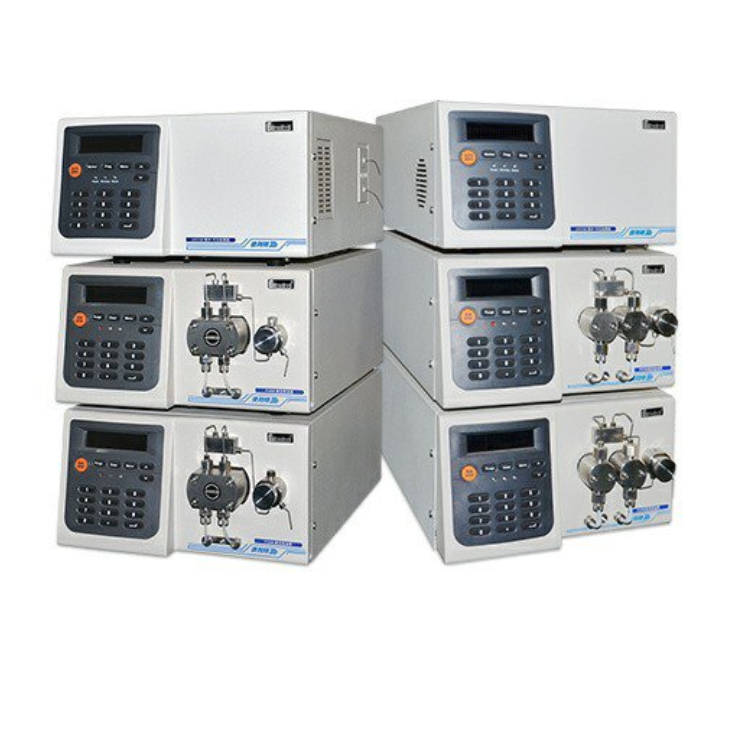



Liquid Chromatography (LC) is a separation technology that uses liquid phase as a stationary phase. The general steps for preparing liquid chromatography are as follows: Select the appropriate stationary phase and mobile phase: Usually, the stationary phase used in liquid chromatography is a polymer material, such as polyvinyl alcohol, silica gel, C18, etc. The mobile phase needs to be selected according to the characteristics of the sample to be separated. Generally, water, organic solvents or their mixtures can be used. Use an appropriate chromatographic column: Select according to the compounds to be separated. Generally, chromatographic columns of different sizes, lengths and packing types can be used. Preparation of solution: According to the conditions and concentrations required for preparing liquid chromatography, accurately weigh the required reagents, add them to the solution and mix thoroughly. Equilibrium of the chromatographic column: The mobile phase travels through the chromatographic column to achieve an equilibrium state to achieve a certain effect. Sample injection: Inject the compound solution to be separated into the chromatographic column. Separation process: Depending on the sample composition, the separation process time will also vary. In the process of preparing liquid chromatography, attention needs to be paid to maintaining the cleanliness of the experimental environment, operating specifications, and normal operation of instruments and equipment to ensure the accuracy and effectiveness of the experiment.
When you visit any website, it may store or retrieve information on your browser, mostly in the form of cookies. This information might be about you, your preferences or your device and is mostly used to make the site work as you expect it to. The information does not usually directly identify you, but it can give you a more personalized web experience. Because we respect your right to privacy, you can choose not to allow some types of cookies. Click on the different category headings to find out more and change our default settings. However, blocking some types of cookies may impact your experience of the site and the services we are able to offer.