

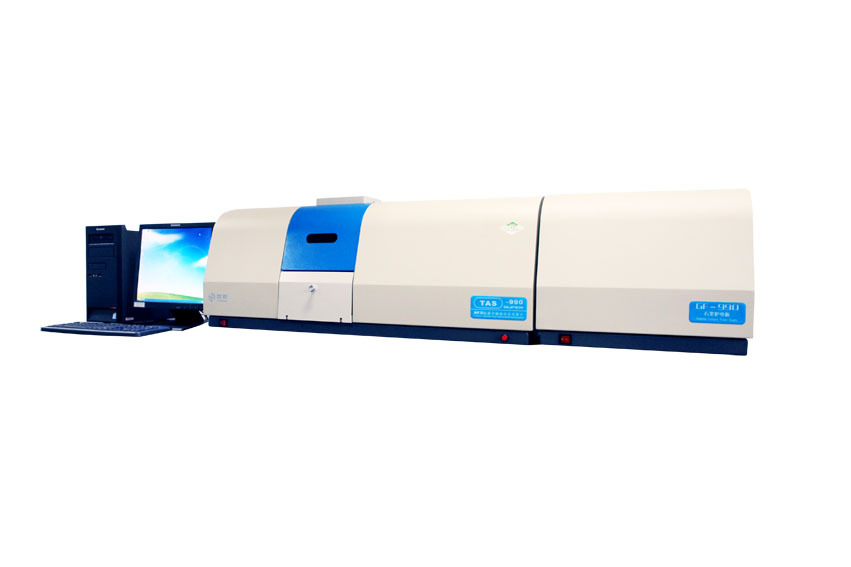




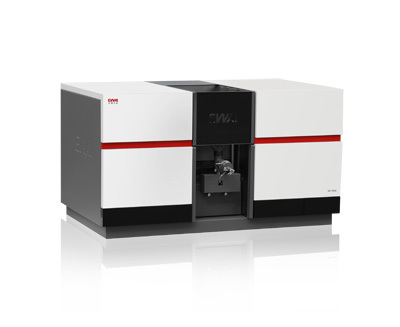
Atomic absorption spectroscopy (AAS) is a commonly used analytical technique primarily used to detect and quantify elements. This technology uses the principle that atoms absorb light at specific wavelengths to determine the content of specific elements in a sample. The basic principle of AAS is to convert the sample to be measured into an atomic state through heating or chemical treatment, and then illuminate the atoms with light of a specific wavelength, and calculate the content of the element based on the intensity of light absorbed by the atoms of the element to be measured in the sample. In AAS, the commonly used light source is a hollow cathode discharge lamp, which can provide spectral lines of a variety of elements. The sample is heated in a constant-flow gas furnace to atomize it, and the spectral lines absorbed by the sample atoms are accurately measured by a monochromator. In order to improve the measurement accuracy, standard samples can also be used for calibration and internal standard methods. Compared with traditional chemical analysis methods, AAS has the advantages of high detection sensitivity, fast analysis speed, and good selectivity. Therefore, it is widely used in food safety, environmental monitoring, medicine, agriculture and other fields.