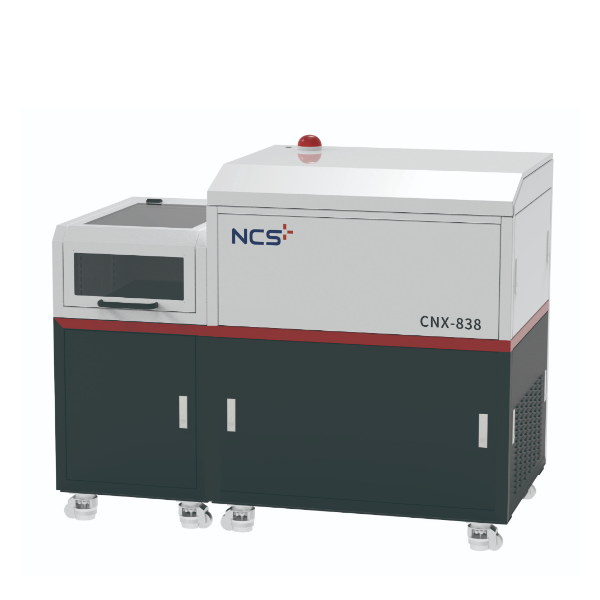



X-ray fluorescence spectroscopy (XRF) is a non-destructive analysis technology that can be used to quickly and accurately analyze the elemental composition of various materials. XRF is commonly used for composition analysis, quality control and pollution detection in metals, ores, building materials, ceramics, chemicals and other fields. The wavelength dispersive X-ray fluorescence spectrometer uses X-rays to excite the atoms in the material, causing their electrons to transition and produce a specific fluorescence signal. The energy and intensity of the fluorescence signal are then used to determine the type and content of the elements in the sample. The working principle of wavelength dispersive XRF is to separate and collect different wavelengths in the fluorescence spectrum, and analyze the fluorescence signals of different wavelengths to identify the elements contained in the sample, thereby obtaining the composition analysis results of the sample. Wavelength dispersive XRF instruments have the advantages of fast, accurate, non-destructive and simultaneous analysis of multiple elements, and are widely used in minerals, metallurgy, environmental science, pharmaceuticals, food and other fields.
When you visit any website, it may store or retrieve information on your browser, mostly in the form of cookies. This information might be about you, your preferences or your device and is mostly used to make the site work as you expect it to. The information does not usually directly identify you, but it can give you a more personalized web experience. Because we respect your right to privacy, you can choose not to allow some types of cookies. Click on the different category headings to find out more and change our default settings. However, blocking some types of cookies may impact your experience of the site and the services we are able to offer.