

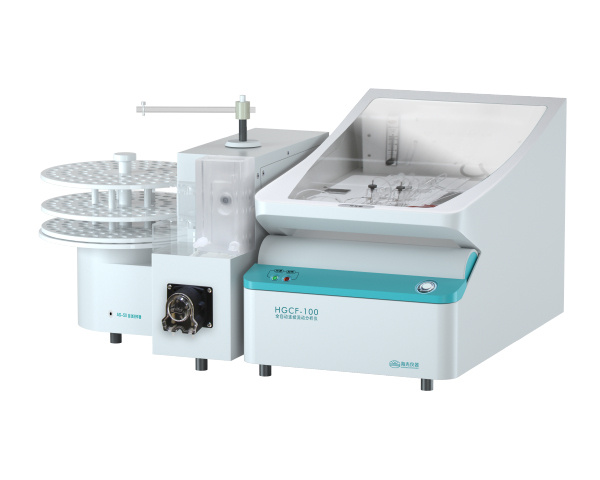


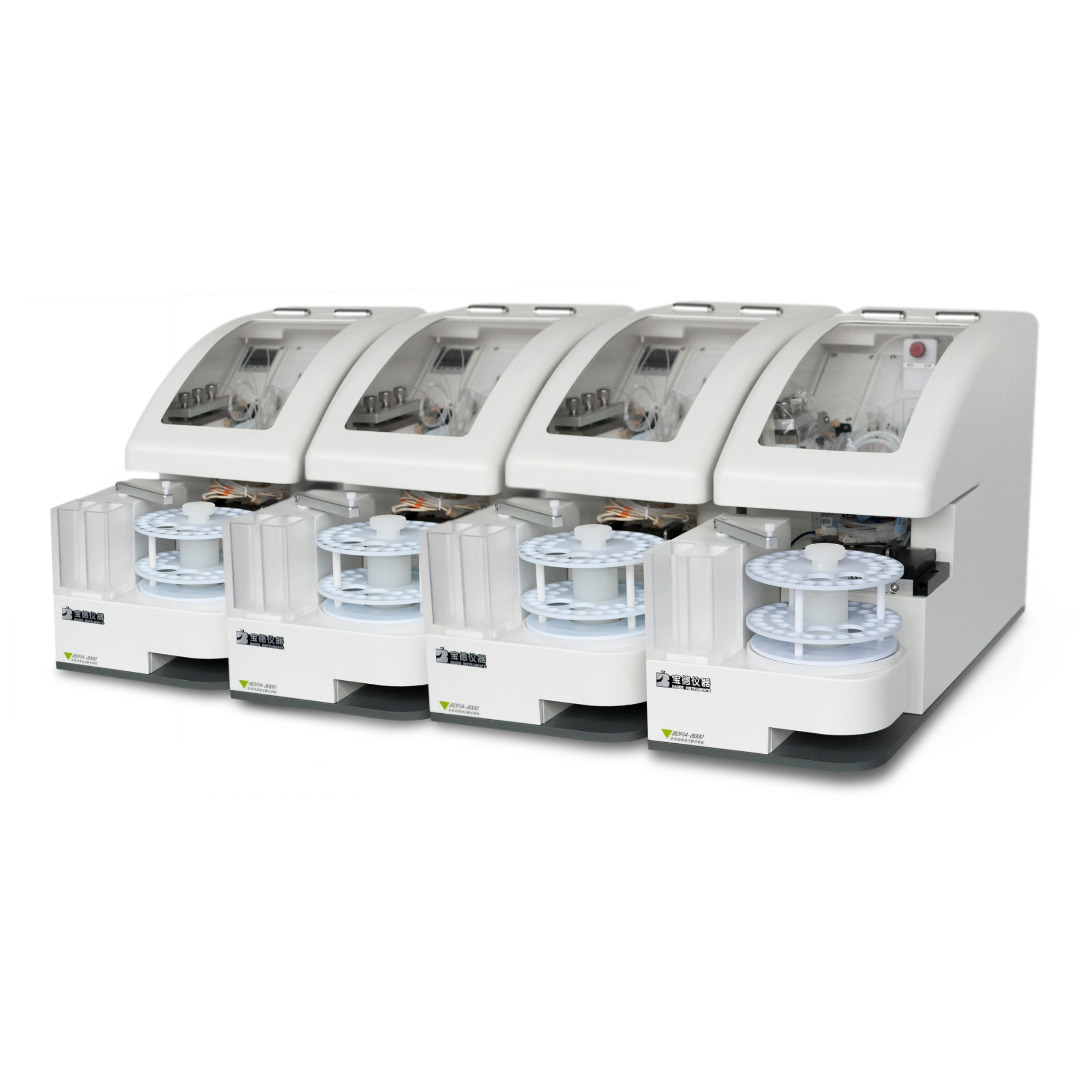
Flow analyzer is an instrument used for automated analysis. According to different operating methods, it can be divided into flow injection analyzer (FIA), continuous flow analyzer (CFA) and segment flow analyzer (SFA). They all use an analysis method called flow analysis technology to detect and analyze the flowing liquid through a specific detector. The flow injection analyzer mainly injects the sample into the flowing carrier liquid to form a narrow and deep sample band, and then detects it through enzymatic, optical or electrochemical reactions within a specific time, thereby obtaining the analysis results. This analysis method has the advantages of fast, accurate, automated and highly reproducible, and has been widely used in environmental, food, biological, pharmaceutical and other fields. The analysis principle of the continuous flow analyzer is that the sample passes through a series of reagent carriers and detectors continuously and stably to realize an automated analysis process. This method is suitable for a variety of optical and electrochemical analysis methods such as molecular absorption spectroscopy, atomic absorption spectroscopy, and chemiluminescence, and is widely used in environmental monitoring, industrial chemistry, life sciences, pharmaceuticals and other industries. A segmented flow analyzer is an automated analysis system that analyzes samples over a fixed period of time. This technology is suitable for comparative analysis between multiple samples or between samples and standard substances, and can quickly analyze the concentration of target substances, relative composition of samples and other various indicators. The above three flow analyzers are all