 Gold Member
 Business License
Paper sharing | Can pH 1.0 also grow? Xinzhi MGC-500 monitors the growth curve of Enterococcus faecium in extreme environments throughout the process
Paper sharing
01Paper abstract
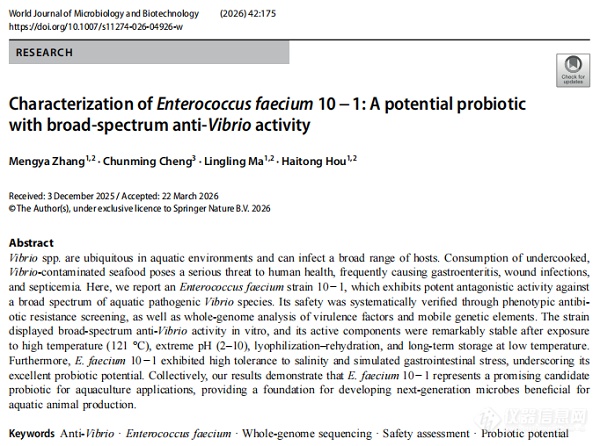
Vibrio spp. is widely distributed in aquatic environments and can infect a variety of hosts. Consumption of undercooked or Vibrio-contaminated seafood poses a serious threat to human health, often causing gastroenteritis, wound infection and sepsis. This article reports an Enterococcus faecium 10-1 strain, which exhibits potent antagonistic activity against a variety of aquatic pathogenic Vibrio species. Its safety was systematically verified through phenotypic antibiotic resistance screening and genome-wide analysis of virulence factors and mobile genetic elements. This strain showed broad-spectrum antivibrio activity in in vitro experiments, and its active ingredients retained significant stability after withstanding high temperatures (121 °C), extreme pH values (2–10), lyophilization–rehydration, and long-term storage at low temperatures. In addition, Enterococcus faecium 10-1 is highly tolerant to salinity and simulated gastrointestinal stress, highlighting its excellent application potential as a probiotic. Taken together, the results of this study indicate that Enterococcus faecium 10-1 is a promising probiotic candidate strain for aquaculture applications and provides a basis for the development of next-generation microorganisms beneficial to aquatic animal farming.
02Xinzhi product support
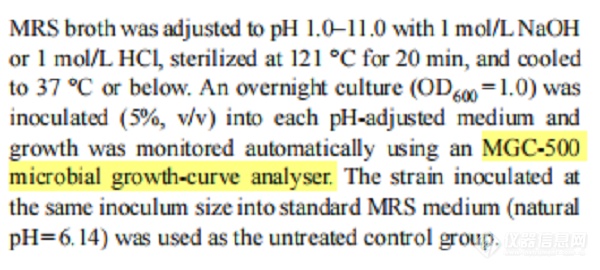
MRS broth was adjusted to pH 1.0–11.0 with 1 mol/L NaOH or 1 mol/L HCl, sterilized at 121 °C for 20 min, and cooled to 37 °C or below. An overnight culture (OD600=1.0) was inoculated (5%, v/v) into each pH-adjusted medium and growth was monitored automatically using an MGC-500 microbial growth-curve analyser. The strain inoculated at the same inoculum size into standard MRS medium (natural pH=6.14) was used as the untreated control group.
Adjust the MRS broth to pH 1.0–11.0 with 1 mol/L sodium hydroxide or 1 mol/L hydrochloric acid. Sterilize at 121 °C for 20 minutes, then cool to 37 °C or lower. The overnight culture (OD600=1.0) was inoculated into each pH-adjusted medium at an inoculum volume of 5% (v/v), and the growth of the bacteria was automatically monitored using the MGC-500 microbial growth curve analyzer. The same inoculum amount of strains was inoculated into standard MRS medium (natural pH=6.14) as an untreated control group.
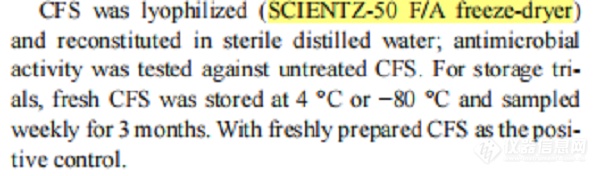
CFS was lyophilized (SCIENTZ-50 F/A freeze-dryer) and reconstituted in sterile distilled water; antimicrobial activity was tested against untreated CFS. For storage trials, fresh CFS was stored at 4 °C or −80 °C and sampled weekly for 3 months. With freshly prepared CFS as the positive control.
After CFS is freeze-dried (SCIENTZ-50 F/A freeze-drying machine), it is reconstituted with sterile distilled water; and the antibacterial activity of untreated CFS is tested. In the storage test, fresh CFS was stored at 4°C or −80°C and sampled once a week for 3 months; freshly prepared CFS was used as a positive control.
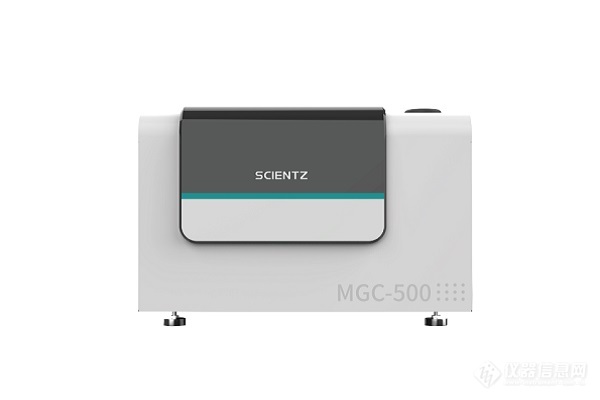
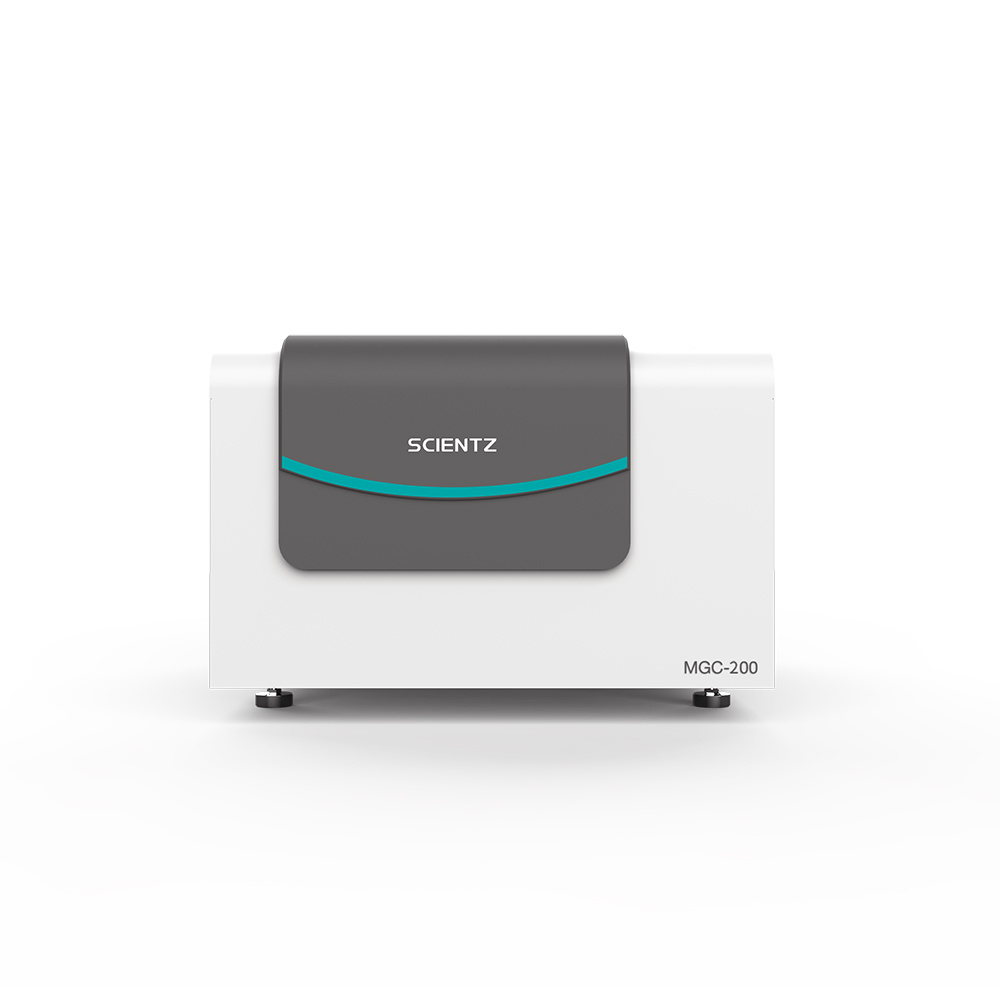
Microbial growth curve analyzer MGC-500
Accurately monitor the growth status of strains under different extreme pH (1.0-11.0) environments, automatically collect growth data, and clearly verify the acid-base tolerance of strains. Compared with the standard culture medium control group, the experimental data is more accurate and reproducible.
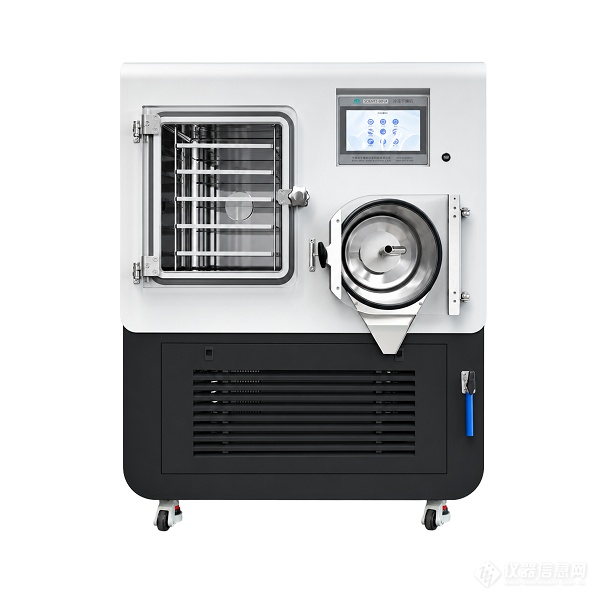
Freeze dryer SCIENTZ-50 F/A
Completed the freeze-drying treatment and reconstitution experiment of the CFS supernatant of the strain to accurately verify the impact of the freeze-drying process on the antibacterial activity of the strain; at the same time, combined with the long-term storage test at 4°C and −80°C, weekly sampling and testing for 3 months perfectly proved the long-term storage stability of the strain.
View More from This Booth

Meet SCIENTZ at Analytica China 2026
Paper sharing|ASGPR mediates liver cancer targeting chitosan nanoparticles, SCIENTZ‑10N freeze dryer facilitates sample preparation
Paper sharing | Xinzhi JY92-IIDN facilitates the study of ultrasound-assisted L-glutamic acid crystallization, revealing the kinetic mechanism of polymorphic transformation for the first time
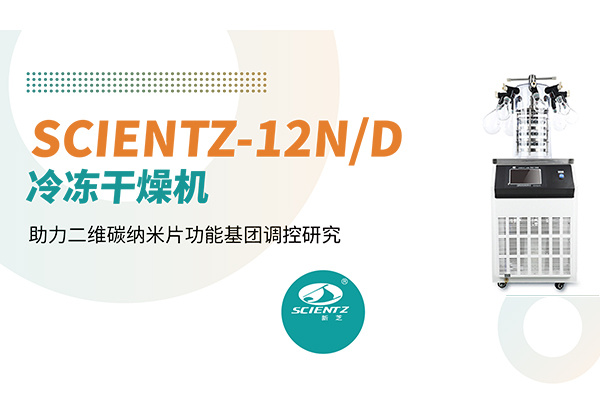
Paper sharing | Xinzhi SCIENTZ-12N/D freeze dryer facilitates research on the regulation of functional groups of two-dimensional carbon nanosheets
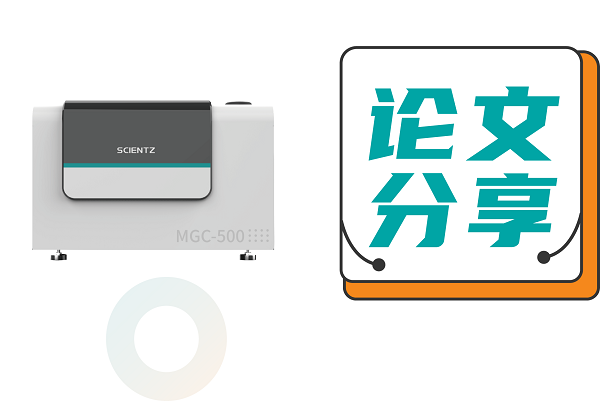
Paper sharing | Xinzhi MGC-500 facilitates research on the environmental tolerance of Clostridium perfringens on the Qinghai-Tibet Plateau
Recommended Products