

 Gold Member
 Business License
Interpretation of standards | Differentiated requirements for power and energy storage batteries from the perspective of thermal safety testing
Preface
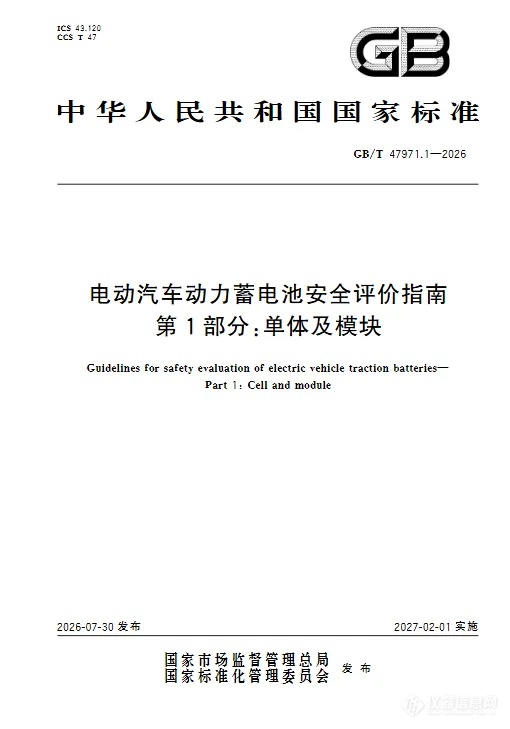
The new national standard GB/T 47971.1-2026 "Safety Evaluation Guide for Electric Vehicle Power Batteries Part 1: Cells and Modules" will be implemented on February 1, 2027。As a recommended evaluation guide, its text follows the mandatory national standard GB 38031-2025 "Safety Requirements for Power Batteries for Electric Vehicles"》The test method, the incremental core is explored in the boundary of Appendix A,Together with GB 38031-2025, it forms a two-layer evaluation system of "bottom line judgment + boundary quantification".
With the large-scale application of lithium-ion batteries in power and energy storage scenarios, risk identification and prevention of thermal safety accidents have become a common focus in the industry. However, the application conditions and failure consequences of the two types of batteries are completely different: power batteries directly face the safety of occupants, and thermal runaway threatens personal safety; energy storage batteries face systemic risks of power station-level fires, and single unit failure may evolve into a disaster for the entire station. Because of this, the two types of test standards cannot be mixed, otherwise it will lead to distortion of safety margin assessment and failure of protection design.
This article combines two national standards: GB/T 47971.1-2026 "Safety Evaluation Guide for Electric Vehicle Power Batteries Part 1: Cells and Modules" and GB/T 36276-2023 "Lithium-ion Batteries for Electric Power Storage".From the perspective of thermal safety performance testing, interpret the differentiated requirements for thermal safety assessment of power and energy storage batteries.
Thermal safety testing positioning comparison
It is also a thermal safety test, but the evaluation positioning of power and energy storage batteries is very different: the power side uses evaluation guidelines to "explore boundaries and quantify margins", while the energy storage side uses product national standards to "set thresholds and hold the bottom line."
Table 1 Comparison of thermal safety standard positioning of power and energy storage batteries

Comparison of thermal safety test items
The application working conditions determine the test orientation: power batteries focus on out-of-control behavior in abuse scenarios - overcharge, short circuit, heating, extrusion, until approaching the out-of-control boundary; energy storage batteries focus on preventive restraint before loss of control and prevention of spread after loss of control.
Table 2 Comparison of key test items for thermal safety
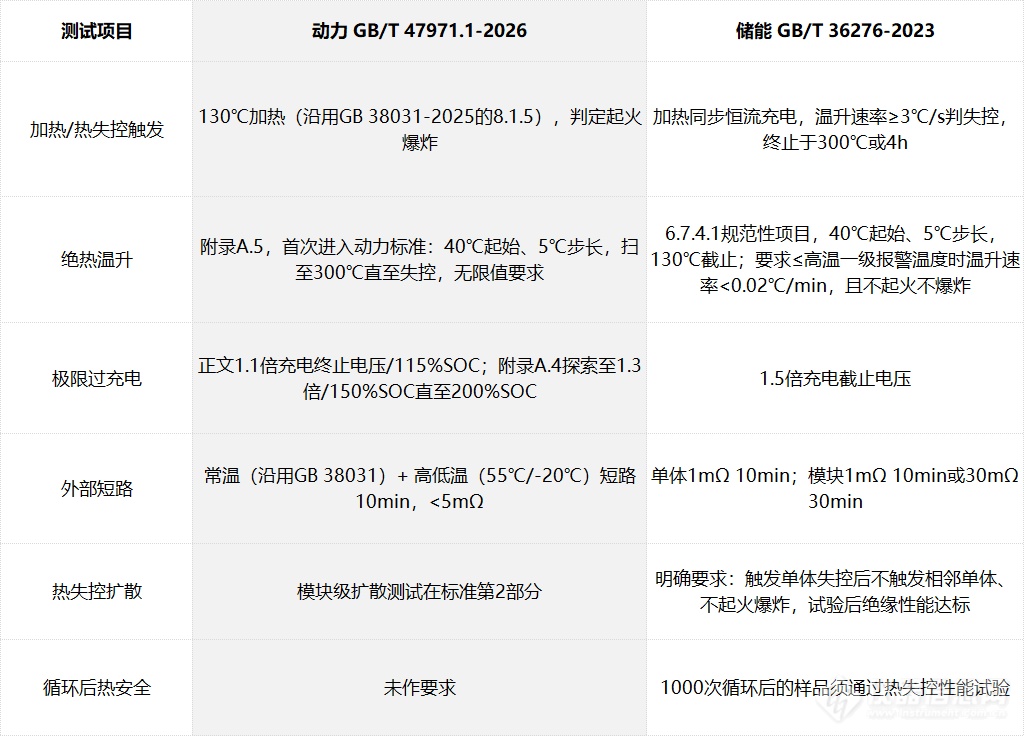
Among the many differences, the adiabatic temperature rise experiment is the most noteworthy signal. The two standard test procedures are highly homologous (starting at 40°C, step size of 5°C), but have completely opposite purposes: the new power national standard introduces the adiabatic temperature rise test into the power standard for the first time. The full temperature range is scanned to 300°C until thermal runaway, with infinite value requirements. It is used to extract characteristic parameters such as self-heat release starting temperature, thermal runaway temperature, and maximum temperature rise rate to support thermal diffusion simulation and protection design. The energy storage standard uses it as a preventive threshold, with a cutoff of 130°C, requiring that the temperature rise rate is less than 100% when the high temperature level one alarm temperature is not reached. 0.02℃/min, and it will not catch fire or explode.In the same set of procedures, power is used to "quantify the boundary" and energy storage is used to "hold the threshold".
Yangyi Technology full-scenario solution
In response to the double-layer testing requirements of the new national standard "Access + Boundary Exploration", Yangyi Technology relies on adiabatic thermal core technology.Provide supporting solutions covering all scenarios of power and energy storage:
·Battery adiabatic temperature rise tester:Specially developed for the GB/T 36276-2023 "Adiabatic Temperature Rise Characteristics" test, it also complies with many domestic and foreign standards such as GB 38031-2020, SN/T 3078.1-2012, SAE J2464-2009, UL 9540A-2019, etc., and can meet long-side dimensions 100–900 Adiabatic temperature rise characteristic test of mm battery cells, function focus, cost performancehigh。
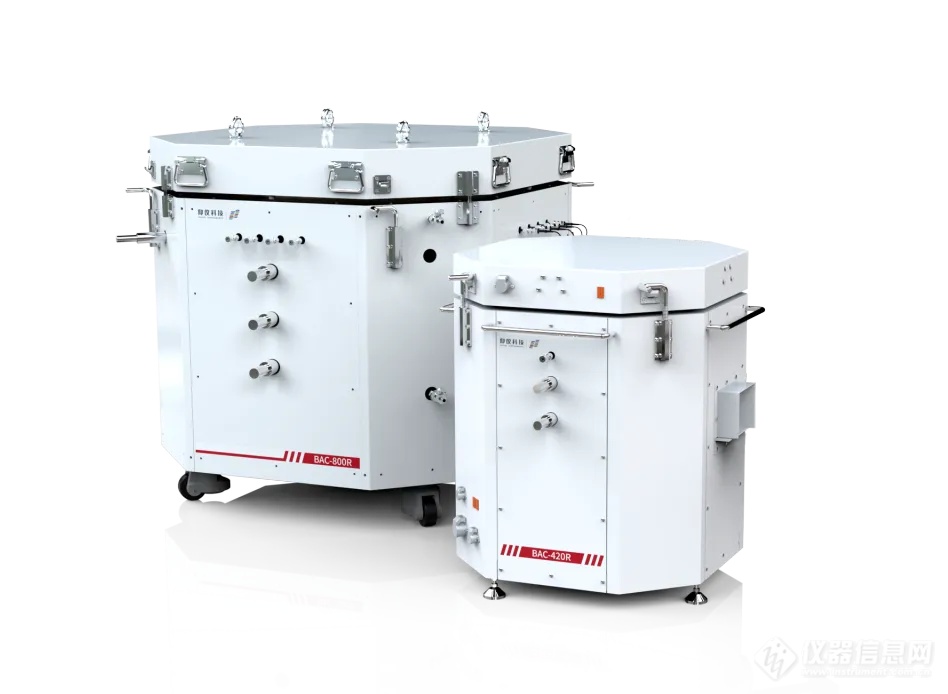
Yangyi Technology Battery Adiabatic Temperature Rise Tester
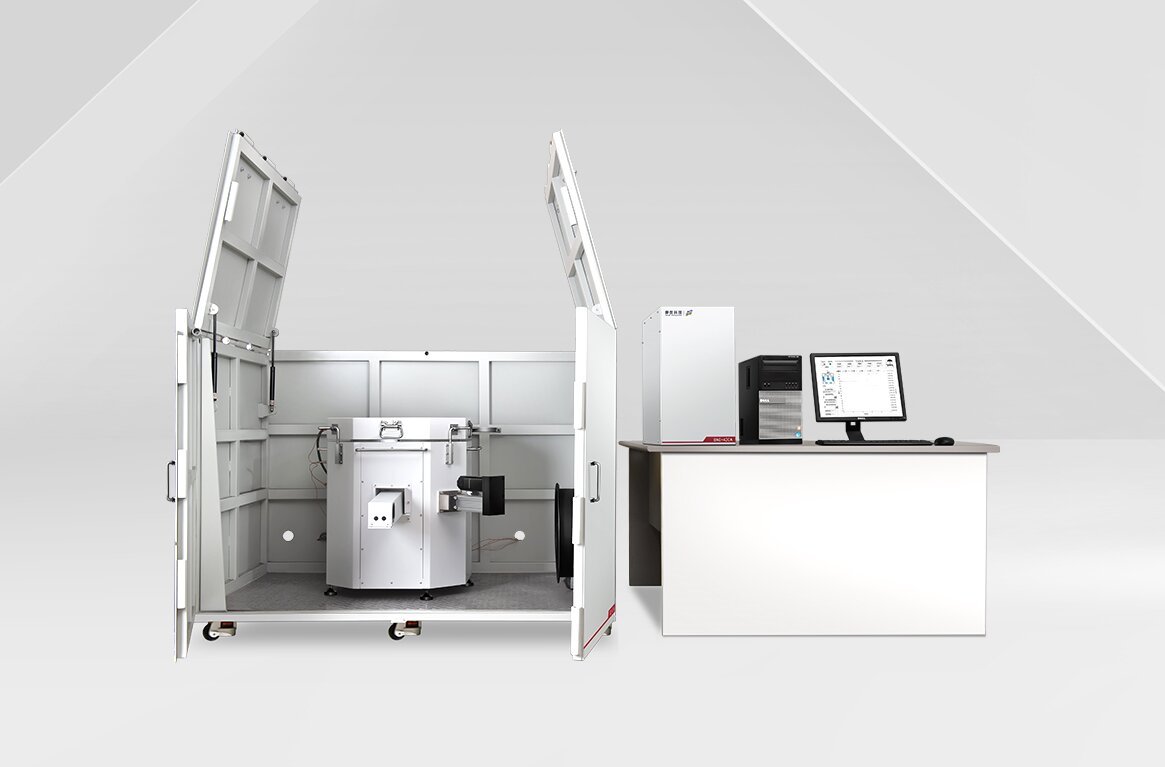
·BAC series battery adiabatic calorimeter:It can cover the thermal runaway test of single cells and small modules with a length of 100-1500mm, fully meets the adiabatic temperature rise test requirements of GB/T 47971.1-2026 and GB/T 36276-2023, and integrates acupuncture, charge and discharge, specific heat capacity, atmosphere simulation, low-temperature refrigeration and other modules.Synchronously collect multi-dimensional signals such as temperature, pressure, voltage, etc. It is rich in functions and can completely reproduce the entire process of thermal runaway, providing high-fidelity data for thermal diffusion simulation model calibration and protection design verification.
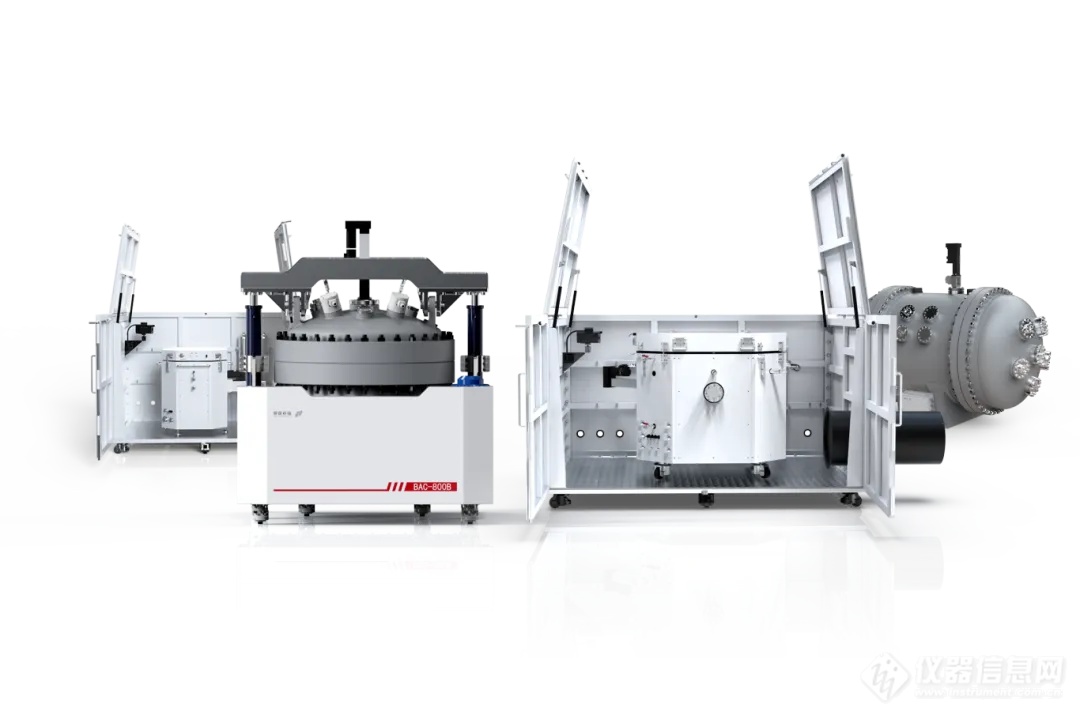
Yangyi Technology BAC series large battery adiabatic calorimeter
·Customized services:For large-capacity energy storage cells and non-standard testing needs, Yangyi Technology can also provide customized development of adiabatic simulation devices and test procedures with cavity diameters ≤ 2500mm to ensure that test conditions strictly comply with standard requirements.
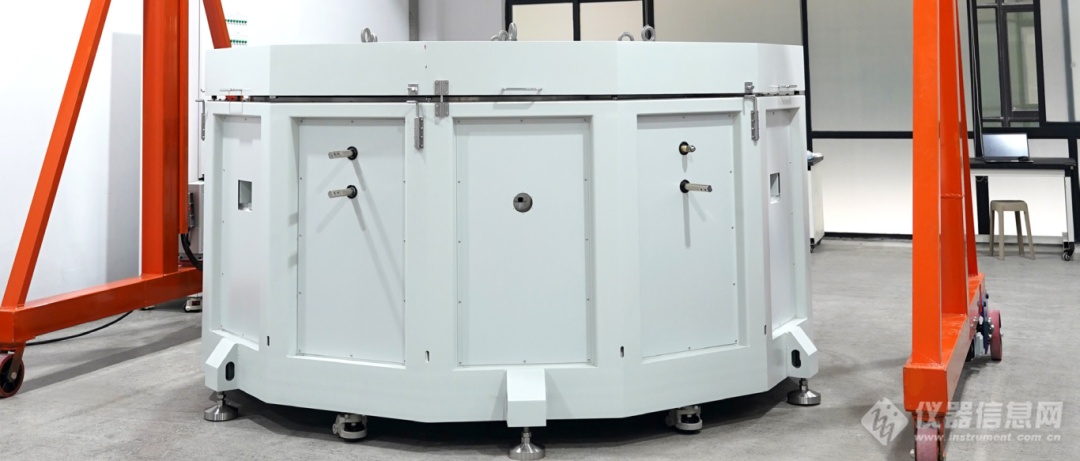
Customized adiabatic calorimeter with calorimetric chamber diameter up to 2500mm
Conclusion
View More from This Booth
Application Case | DSC applied to study the thermal properties of polymer plastics
Top Papers from University of Science and Technology of China | How violently will the thermal runaway gas of lithium batteries "explode"? This study found the answer
Hard core upgrade | Low temperature + fully automatic double buff, Yangyi Technology Differential Scanning Calorimeter DSC unlocks multi-scenario material thermal analysis
Excellent Paper | Quantitatively Revealing the Competition Mechanism of Gas-Phase Crosstalk and Silicon-Graphite Reaction
Recommended Products

Large battery adiabatic calorimeter-adiabatic temperature rise characteristic test-BAC-420A
Negotiable
Model:BAC-420A