
 Gold Member
 Business License
Intensive reading of Cell's new work | MST helps Academician Lin Hongxuan's team crack the new mechanism of decoding high temperature in rice
Keywords: stress organisms|heat tolerance mechanism of rice|molecular breeding|MST

Research background
Food security challenges under global warming
Global climate warming has become one of the core factors threatening global food security.persistent high temperatureBy harming crop pollen vitality, inhibiting pollination, inhibiting the pollination process, and hindering grain filling, it significantly reduces yield and quality and weakens the production potential of staple food-producing areas. It has become one of the most serious and direct food security challenges today. Therefore, parsingPlant heat tolerancemolecular mechanism and discover the keyheat resistance gene, which is of great strategic significance for cultivating new varieties that can adapt to future climate conditions.
How plants sense high temperature signals and initiate adaptive responses isplant stress biologyMajor scientific issues of long-term concern in the field。High temperature stress can cause changes in cell membrane components and trigger "membrane lipid remodeling” process. However, how this change is recognized, transduced and ultimately interpreted by cells as biological instructions has been a long-standing mystery in the field.
Research content
Recently, the Center for Excellence in Molecular Plant Sciences, Chinese Academy of SciencesAcademician Lin Hongxuan’s teamwith Shanghai Jiao Tong UniversityLin Youshun Researcher Team, Guangzhou National LaboratoryLi Yixue Researcher TeamCooperation in authoritative international academic journals《Cell》(IF:42.5)published on“A stepwise decoding mechanism for heat sensing in plants connects lipid remodeling to a nuclear signaling cascade”research paper. The result was crackedRice senses and responds to high temperaturesThe dual code systematically elucidated the complete thermal signal decoding pathway from cell membrane lipid remodeling to the coordinated tandem regulation of gene expression in the nucleus, achieving a significant increase in yield in field trials simulating high temperatures, further providing the basis for innovation.New rice germplasm with gradient heat toleranceProvides valuable genetic resources,Provides new molecular solutions to address the food security challenges brought about by global warming.
Discovered earlyThermotolerance negative regulator TT2(Nature Plants, 2022), the research team integrated time series transcriptome and lipid metabolome analysis and successfully identified a rapid response to high temperature.diacylglycerol kinase(DGK7). This enzyme is specifically activated under high temperature induction, catalyzes the generation of the second messenger molecule phosphatidic acid (PA), and realizes the first step of converting physical signals into lipid signals. Further research revealed thatG protein subunit TT2/RGB1Through direct interaction, it inhibits the phosphorylation modification of serine 477 of DGK7 and negatively regulates the signal conversion process.
In order to analyze the subsequent transmission mechanism of PA signals, the research team identified a PA-binding domain and a phosphodiesterase catalytic domain through functional domain screening.Bifunctional protein MdPDE1. This protein can sense changes in PA concentration, bind to PA and be activated, transfer to the nucleus, and pass throughhydrolyzed cyclic adenosine monophosphate(cAMP)Reduce the level of cAMP in the nucleus and complete the second step of conversion of lipid signals to cyclic nucleotide signals. Point mutation experiments confirmed thatPA binding ability of MdPDE1It is the key to its nuclear localization and function execution. Ultimately, the decrease in nuclear cAMP levels triggers transcriptional reprogramming and upregulates the expression of related genes such as small heat shock proteins and reactive oxygen species scavenging enzymes, thereby establishing a complete heat tolerance response mechanism at the cellular level and significantly enhancing the high temperature tolerance of rice (Figure 1). "G protein–DGK7–PA–MdPDE1–cAMP"Complete analysis of signaling pathways, systematically elucidating how plantsThe cell membrane senses gene expression regulation in the nucleusThe whole decoding mechanism of heat signals provides a new molecular framework for understanding the plant stress response mechanism.
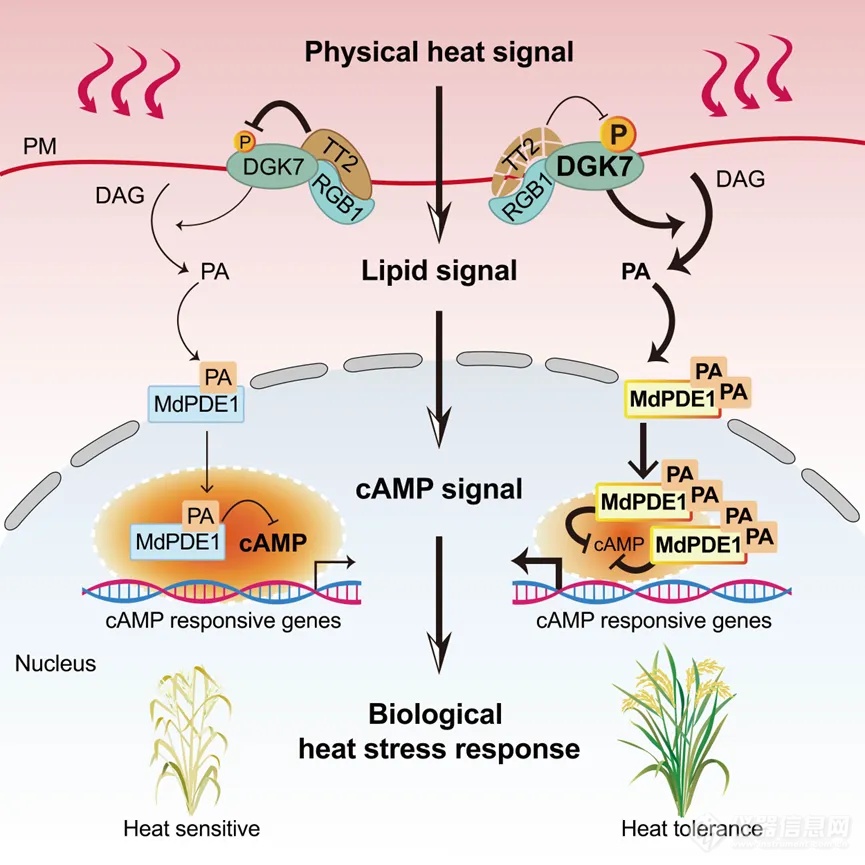
Figure 1. Step-by-step decoding mechanism model of thermal signal conversion
Mechanistic breakthroughs also provide opportunities for breedingprecise target. The research team passedDGK7andMdPDE1Conduct targeted genetic improvement,Remarkable results were achieved in field experiments simulating high temperatures: single-gene improved rice lines increased yield compared with control lines50%-60%;andTT2CollaborationDGK7The double-gene improved strain has higher yield than the control strainabout double, rice quality improvement is obvious, and there is no negative effect on yield traits under normal conditions (Figure 2). These results indicate that based on this pathwayPrecision breeding designGradient regulation of heat-tolerant phenotypes can be achieved, providing flexible options for staple food crops such as rice, wheat, and corn to cope with different intensities of high-temperature stress.Customized solutions, thus creating "High yield and high resistance"New crop varieties provide important theoretical basis and genetic resources.
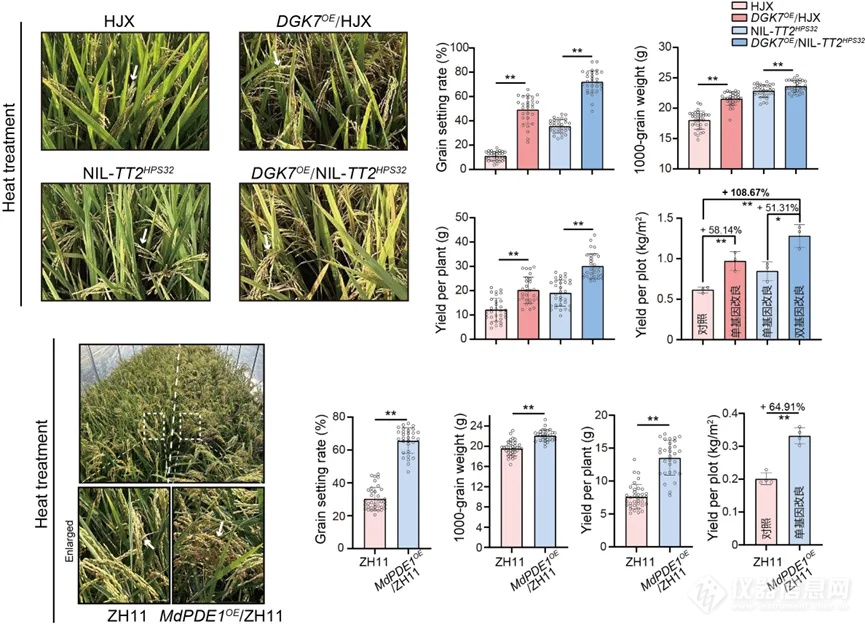
Figure 2 Precisely designed gradient heat-tolerant rice to achieve high-temperature and stable yields
Research Highlights
This study establishes for the first time how plant cells passG protein signaling、lipid signalingandcAMP signalA complete mechanism of fine coordination to sense, decode and respond to environmental heat signals. This is an interlocking, layer-by-layer decoding process that converts physical heat signals into biological signals and accurately transmits them from the cell membrane to the cell nucleus.Thermal Tolerance Regulatory Pathway. identified in this studyMdPDE1 is the first reported phosphodiesterase in rice, is also the first phosphodiesterase in plants to receive lipid signals and achieve spatial displacement. At the same time, this study further demonstrated through field experiments that this mechanismagricultural production practicesapplication potential, providing breeders with opportunities based on their needsCustomized heat-tolerant cropskey genetic resources.
MST technology providedkey interactionsQuantitative “evidence chain”
To explore the specific amino acid residues that bind to PA in MdPDE1key links, the research team facedlipid-proteinTechnical challenges in interaction detection. It is difficult for lipid molecules to form a stable and uniform system in the water phase.traditional methodReliable quantitative binding data are difficult to obtain.
Therefore, the team chose to utilizeMonolith, the molecular interaction platform of German NanoTemper companyMicrothermophoresis (MST)experiment,successfully implementedquantitychemical analysisMdPDE1 binding strength to PAdetection and confirmed the importance of the two binding domains found (Figure 2 E). In the determination of lipid and protein binding,Stable and reliableThe detection system is an important problem,MST technology has strong compatibility,No need to fix,fullCompatible with liposomes, vesicles, micellesetc. to simulate the biofilm model, andCompatible with detergent systems of certain concentrations, providing a basis for lipid molecules to form a stable and uniform liquid phase system, becomingIdeal tool for deciphering such "elusive interactions", which provided assistance for this study to obtain detailed quantitative data on the binding of MdPDE1 and PA.
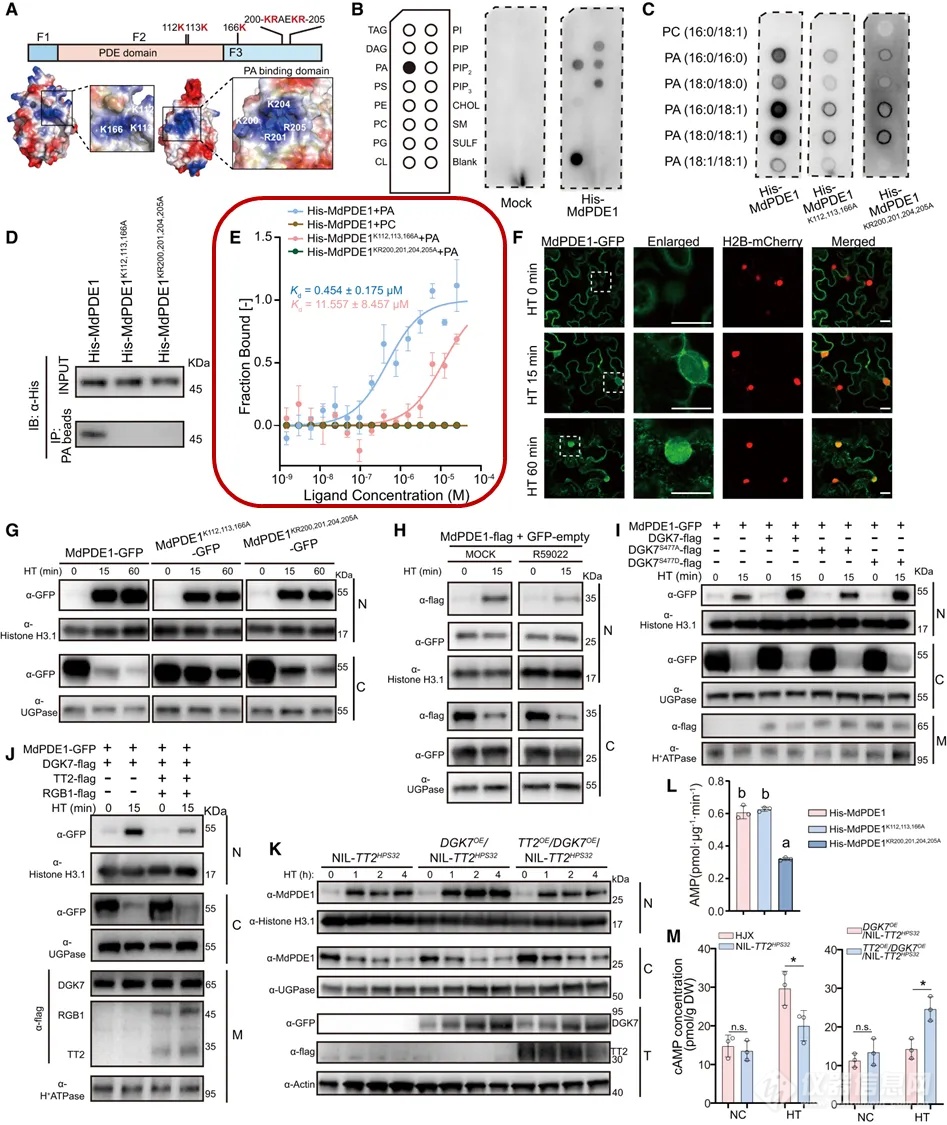
Figure 2 PA binding is required for MdPDE1 activity and nuclear translocation (original Figure 6)
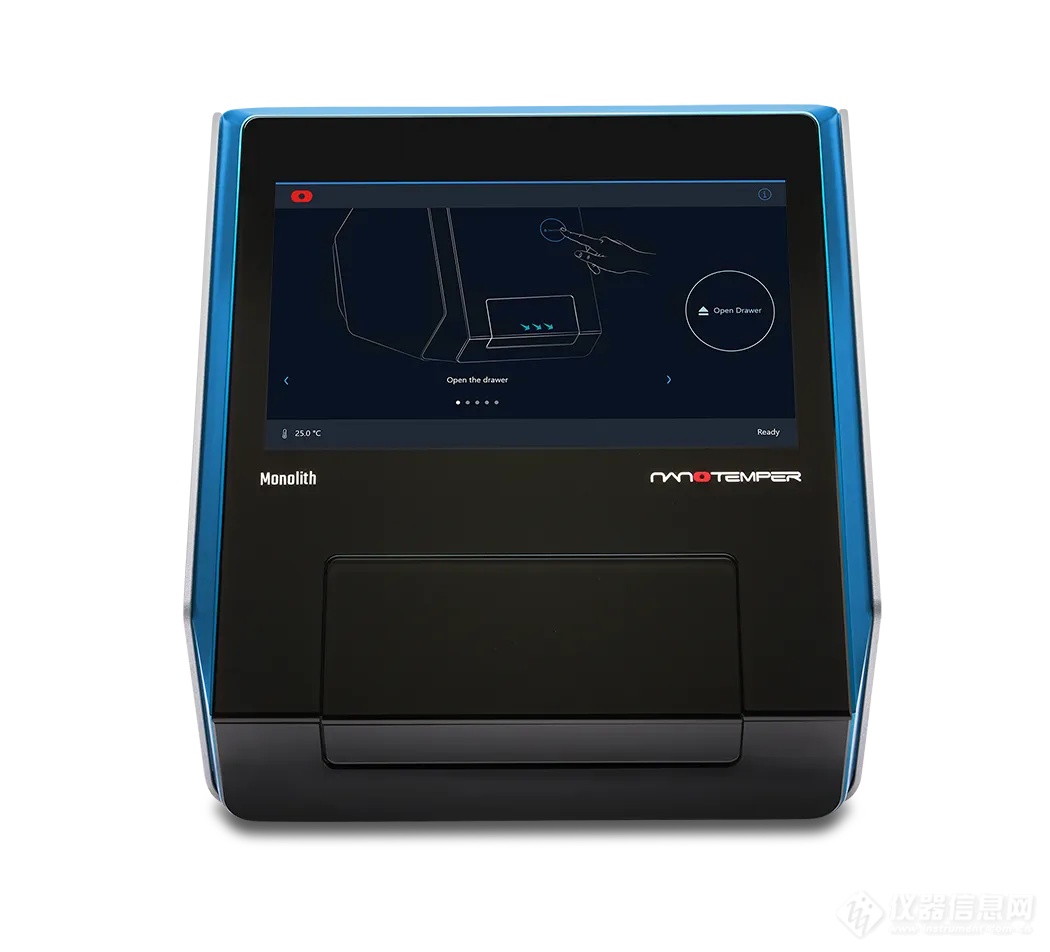 Monolith X molecular interaction platform
"Easy, fast and accurate detection of intermolecular interactions"
• Technology module: MST+TRIC+SpS, flexibly upgradeable
• No fixed sample required: quantitative detection can be performed directly in solution
• No fear of molecular weight: Easily control various molecular interactions
• Save time and samples:1.5min/Kd, 4-10μL sample consumption
• Intelligent optimization:Real-time monitoring and providing sample optimization suggestions
• No flow system: no risk of clogging, maintenance-free
Comments from the research team
In this study, the team utilizedMST technologyQuantitative analysis of the binding strength of PA and MdPDE1 was successfully achieved, and the key role of its specific functional domain was verified. The technologycan completelyin solution phaseAccurately measure binding affinity between molecules(Kdvalue), no need to fixsample, max.Restores the real interaction environment in the body. its excellenceSensitivity(Detection rangespans pM to mMand verified the key role of its specific functional domain) enabling it toPrecisely capture weak interactions, and for liposomes, etc.complex systemshowExcellent compatibility, thus becomingResearchProtein-lipid interactionsofideal jobTool. Developed in conjunction with this technologyMO.Affinity Analysis softwareIt provides an efficient and reliable solution for data analysis.
It is worth mentioning that inexperimental designDuring the optimization process,NanoTemper Corporate Applications SpecialistCommunicate with the person in charge of the unit’s public technology platformTeacher Liu LiWorking together, we provided comprehensive and feasible suggestions for program optimization.Provides full support for the author to obtain accurate and detailed experimental results. NanoTemper has won the trust of many scientific researchers in the industry with its professional, reliable and leading technology and services.
Introduction to the research team and subject group
Academician Lin Hongxuan’s teamMainly engaged in research on the genetic regulation mechanism and functional genomics of important complex traits in rice. Successfully cloned an important gene regulating salt tolerance in riceSKC1、DSTetc.; Important genes regulating heat resistance in riceTT1、TT2、TT3and heat and alkali resistance genesATT1/2etc., related results were published inCell, Nature, Science, Nature Genetics and Nature Plantsand other international authoritative academic journals; won the second prize of the National Natural Science Award, the first prize of the Shanghai Natural Science Award, the Ho Leung Ho Lee Award, the Tan Jiazhen Life Science Achievement Award, etc.

Kan Yi
Kan Yi is a member of the Communist Party of China and a postdoctoral fellow. His main research direction is the positional cloning and molecular mechanism of heat-tolerance QTL genes in rice. As the first author inCell、Nature Plants、Molecular PlantPublished 4 papers in journals and other journals, applied for 4 invention patents, and related results were selected into the "Top Ten Research Progress in National Life Sciences in 2022".

Mu Xiaorui
Mu Xiaorui, a member of the Communist Party of China, is a doctoral candidate. His main research directions are the excavation of rice heat-tolerance genes and the study of heat-tolerance molecular mechanisms. Served as first author or main author inCell、Nature Plants、Molecular PlantPublished articles in magazines and applied for 3 invention patents. He was awarded the title of Three Outstanding Students of the University of Chinese Academy of Sciences in 2021 and the National Scholarship for Doctoral Students in 2025.
View More from This Booth

New Product | Monolith Omni, a one-stop solution for multifunctional molecular interaction and stability analysis

Academician Rao Zihe’s team makes intensive reading | NanoTemper helps you pass the structural biology challenges with one click

NanoTemper's new variable temperature control | gives you more confidence in in-depth characterization of protein stability