
Being close to users continues from every meeting, Haineng goes to ARABLAB again
Company News
Oct 30, 2026

Preface
The thermal properties of polymer plastics directly determine their processing window, use temperature and product performance, and the characteristic temperature (melting temperatureTm , crystallization temperatureTc , glass transition temperatureTg ) and heat enthalpy (melting enthalpyΔHm, crystallization enthalpyΔHc) is the core index characterizing its phase transition behavior and aggregation structure. The former can be used for material identification, process parameter setting and thermal history tracing, while the latter can calculate crystallinity, evaluate nucleating agent efficiency and monitor the degree of aging degradation. It has important engineering value in material research and development and production quality control.
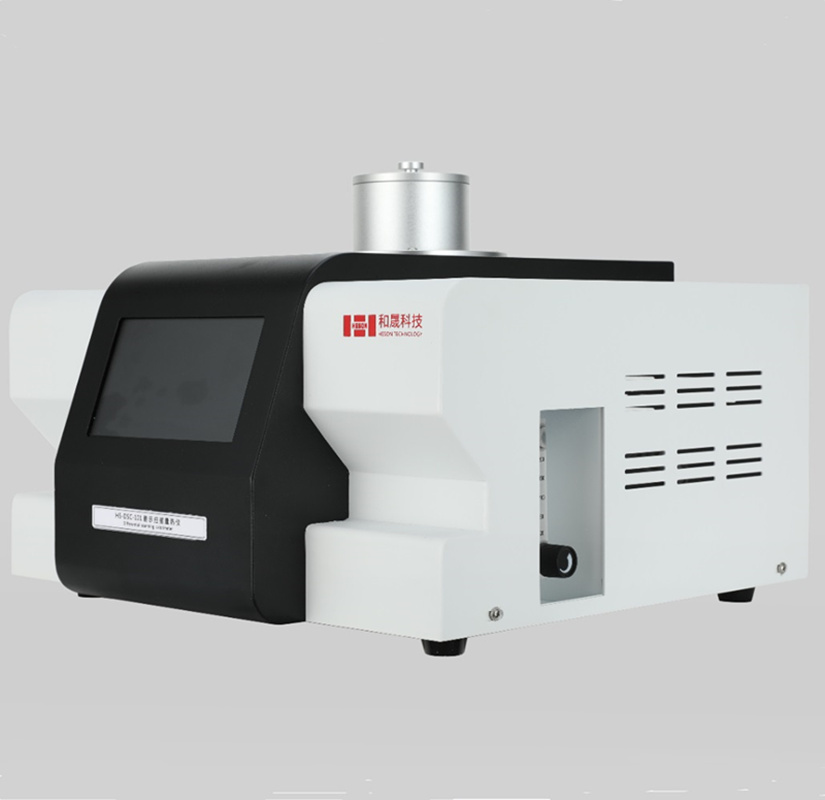
In this case, Yangyi Technology DSC-40B differential scanning calorimeter was used to carry out measurement experiments on the characteristic temperature and thermal enthalpy of polymer plastics. Through heat flow difference analysis under programmed temperature control, the heat-related data of the sample was quickly and accurately obtained, and its practical application in material characterization and process optimization was discussed based on typical samples.
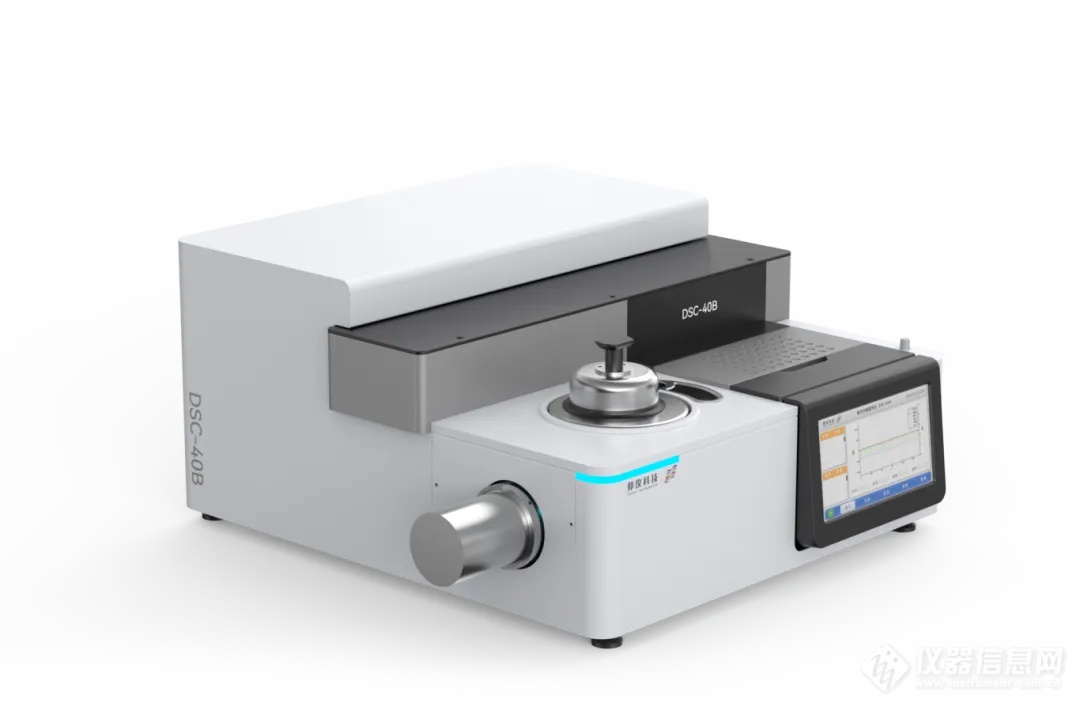
Figure 1 DSC-40B Differential Scanning Calorimeter
Application cases
1. Sample information
The sample is in the form of black granules. Cut an appropriate amount of the sample and put it into a solid aluminum crucible and cover it for testing. The sample is as shown in the picture.
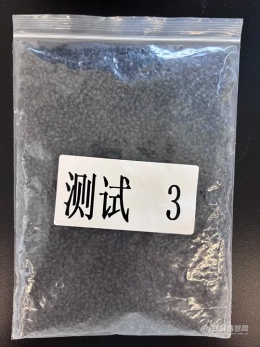
Figure 2 Actual shot of sample
2. Experimental conditions
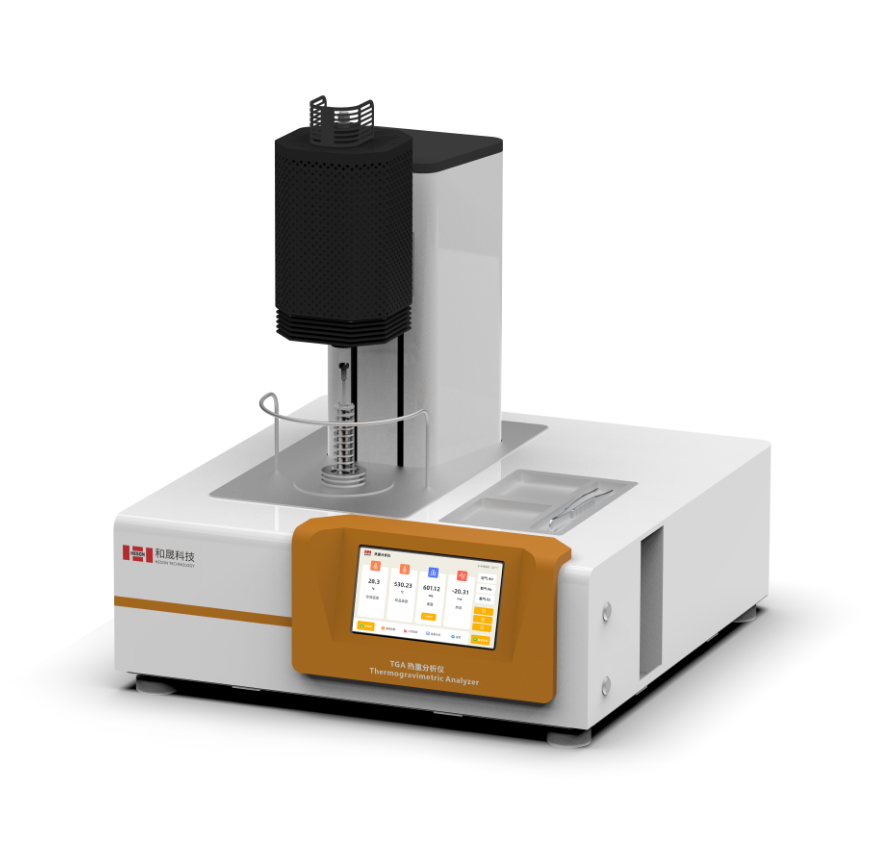
Testing instrument: DSC-40B differential scanning calorimeter;
Test environment temperature/humidity: 23.3℃, 63.5% RH;
Temperature control mode:
① Scanning mode: 40-350℃, 10℃/min;
② Scanning mode: 350-40℃, -10℃/min;
③ Scanning mode: 40-350℃, 10℃/min;
Crucible: standard aluminum crucible;
Atmosphere: 50 mL/min nitrogen;
Test method: according to customer requirements;
3. Testing process
Turn on the DSC-40B differential scanning calorimeter;
Step1: Take an empty crucible with a similar mass and place the sample in one of the crucibles;
Step2: Open the furnace cover and place the crucible containing the sample and the reference crucible on the test platform;
Step3: Close the furnace lid, open the atmosphere, set the temperature control program, and start the experiment;
4. Experimental results
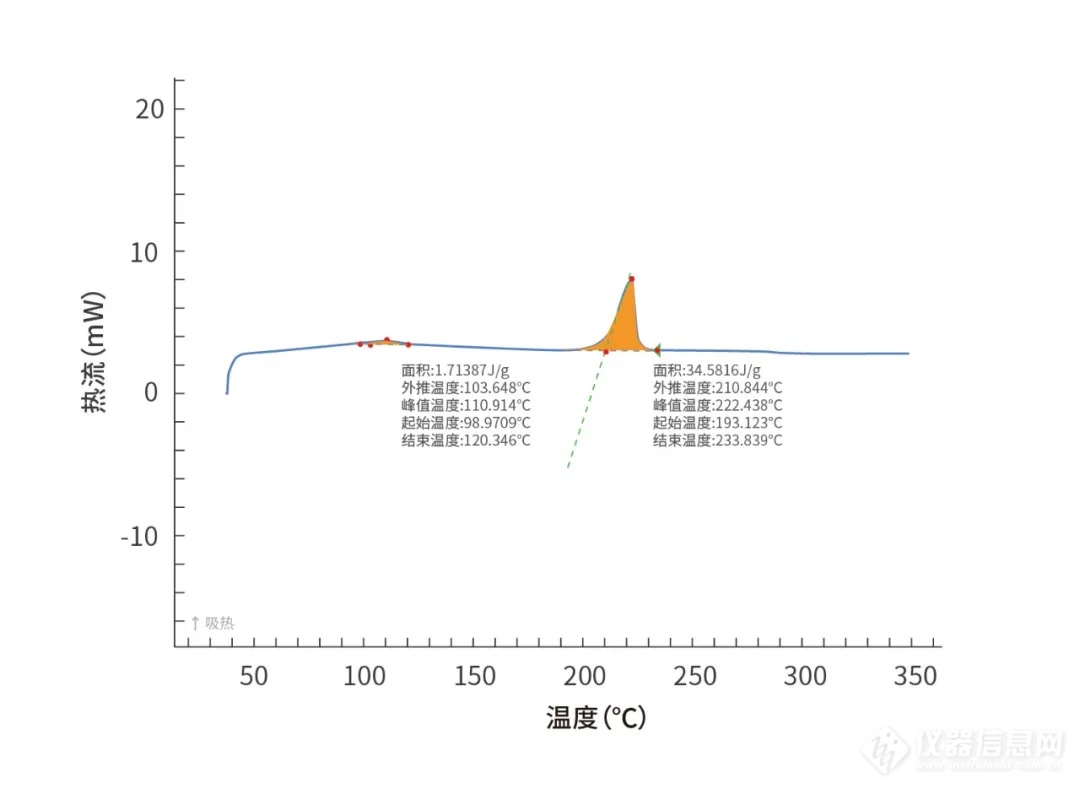
Figure 3 Sample first timeTemperature rising DSC heat flow curve
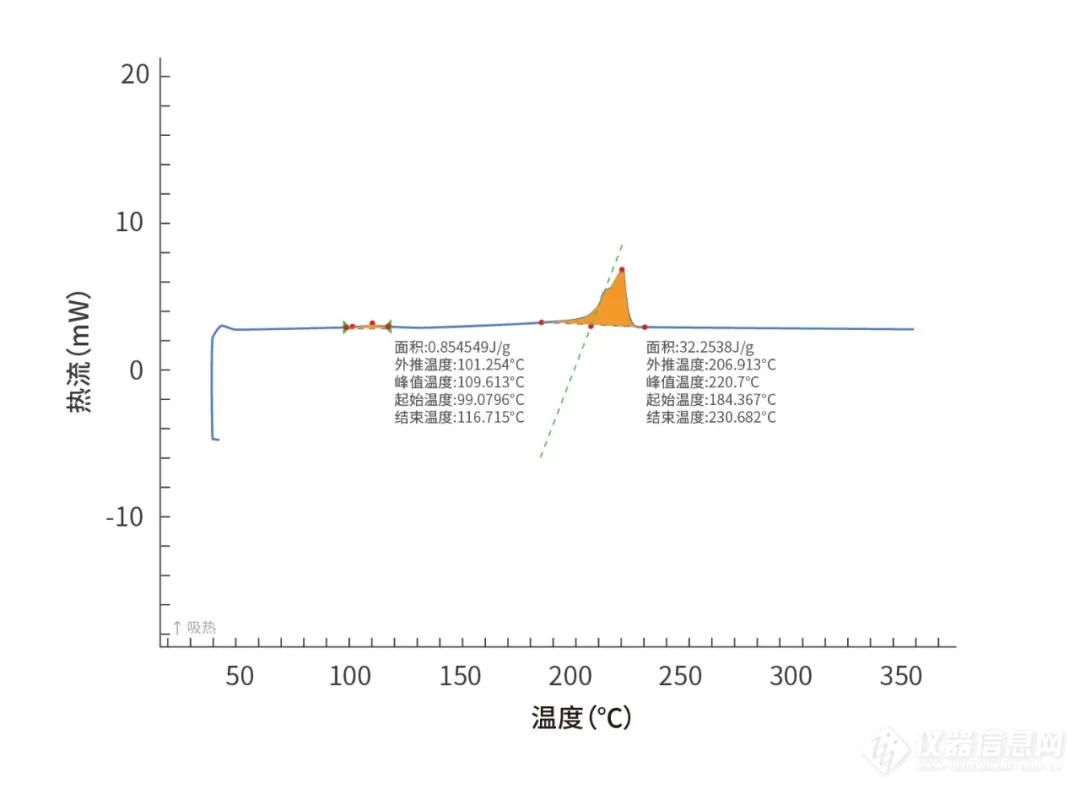
Figure 4 Sample second timeTemperature rising DSC heat flow curve
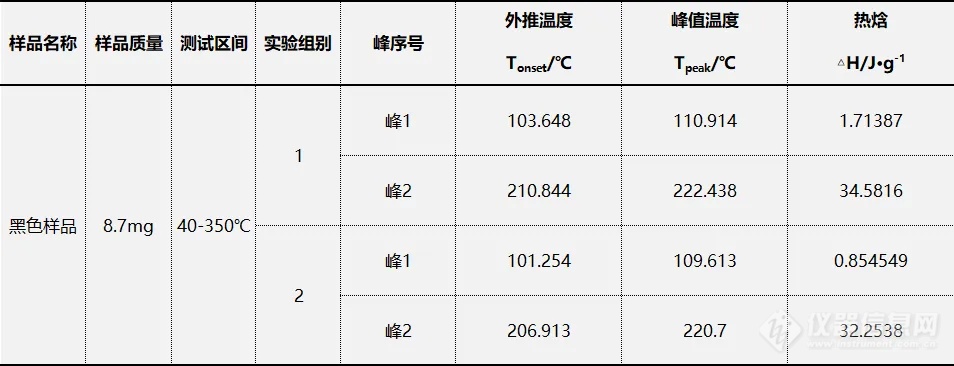
Table 1 Summary of sample DSC test data
Summarize
This experiment fully verified the professional strength of Yangyi Technology DSC-40B differential scanning calorimeter in characterizing the thermal properties of polymer materials. The instrument relies on a highly sensitive heat flow sensor to accurately capture the multiple phase transition behaviors of complex polymer systems, providing reliable data support for the measurement of characteristic temperature and heat enthalpy.




When you visit any website, it may store or retrieve information on your browser, mostly in the form of cookies. This information might be about you, your preferences or your device and is mostly used to make the site work as you expect it to. The information does not usually directly identify you, but it can give you a more personalized web experience. Because we respect your right to privacy, you can choose not to allow some types of cookies. Click on the different category headings to find out more and change our default settings. However, blocking some types of cookies may impact your experience of the site and the services we are able to offer.