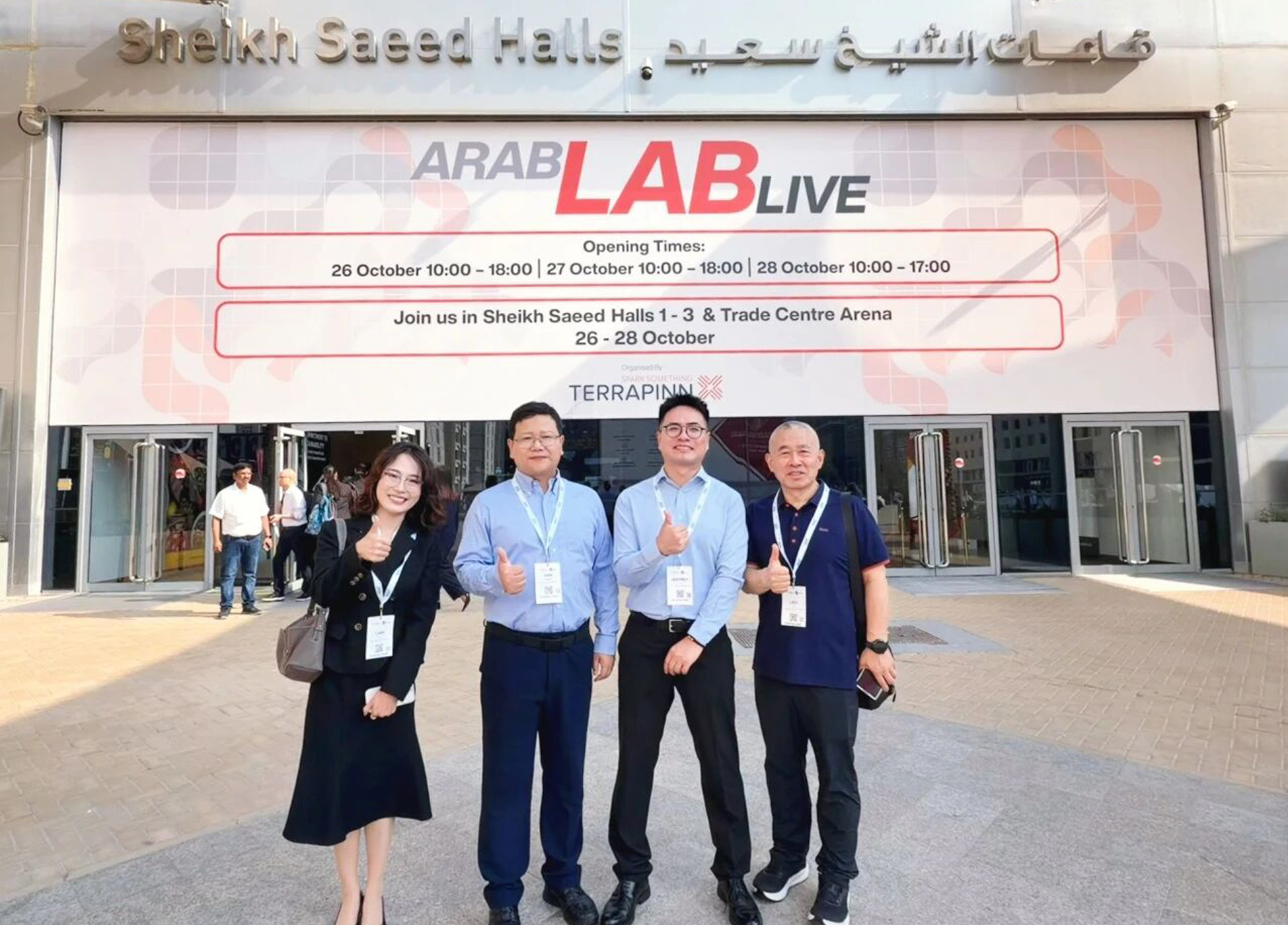
Being close to users continues from every meeting, Haineng goes to ARABLAB again
Company News
Oct 30, 2026

During the upgrading of laboratory equipment and the construction of production line quality control, many people in charge will encounter the same problem: the parameters of the potentiometric titrators on the market are similar on paper, but there are huge differences when they are used on the ground. General-purpose low-cost equipment is prone to problems such as pipeline aging, leakage, and data deviation when dealing with strong acid-base and highly viscous samples. Imported high-end equipment has top performance, but has problems such as cumbersome replacement of parts and long maintenance cycles, making long-term operating costs difficult to control. Therefore, equipment selection cannot just look at surface parameters, but needs to be combined with industry scenarios and comprehensively consider technical base, compliance capabilities, stability and long-term operation and maintenance costs.
1. Mainstream brand camps and selection positioning
current marketTitration equipmentIt is mainly divided into two mainstream camps: the imported camp is represented by Mettler Toledo and Metrohm, which are good at micro-limit analysis and adapted to top scientific research scenarios; the domestic veteran camp is mainly based on Thundermagnetics and Haineng, which has stable performance and can meet the needs of routine standardized testing such as water quality and teaching.
For high-demand scenarios such as pharmaceuticals, fine chemicals, food and beverages, Zhuoguang Instruments, which focuses on GMP compliance, corrosion-resistant hardware and automation efficiency, is a highly competitive domestic choice. The brand focuses on professional quality control scenarios, abandons redundant gimmick functions, and focuses on high-precision titration, anti-corrosion flow paths and compliance systems, taking into account actual performance and long-term stability, and adapting to industrial high-frequency testing needs.
2. Four core selection evaluation dimensions
ReliableTitration equipment, needs to be verified from the four core dimensions, rather than solely based on brand promotion.
Compliance and data management capabilities: Pharmaceutical and food quality inspection are areas of strong supervision. Equipment needs to have multi-level authority allocation, complete audit tracking functions, comply with GLP, GMP and FDA 21CFR Part11 specifications, and achieve data traceability and anti-tampering, which is the core key to passing unannounced inspections.
Core accuracy and anti-corrosion performance: The factory accuracy of equipment does not represent long-term accuracy. Focus should be placed on the accuracy of the buret, the end point identification algorithm, and whether the pipeline material is resistant to organic solvents and strong acid and alkali corrosion. This is the basis for long-term stable operation of the equipment and accurate data.
Automated batch testing capabilities: Single testing efficiency has no reference meaning. The core depends on whether it supports multi-channel parallelization and can be paired with an automatic sampler to achieve unattended batch testing and greatly improve laboratory sample throughput efficiency.
Long-term comprehensive operating cost: The total equipment cost includes hidden costs such as operation and maintenance losses, downtime risks, and labor time. High-quality equipment can reduce long-term operation and maintenance and labor investment through stable performance and automated design.
3. Dismantling the advantages of core scenarios
Full-link compliance to avoid audit risks: Traditional and old equipment relies on manual records and paper archiving, and data is easily lost and tampered with, posing potential compliance risks for pharmaceutical companies and quality inspection agencies. Zhuoguang Instrument's fully automatic potentiometric titrator is equipped with pharmaceutical-grade compliance software, built-in multi-level authority management and non-tamperable audit trail logs, fully compliant with pharmacopoeia and international compliance standards. The device can realize independent account login, automatically encrypt and store data, generate compliance reports with electronic signatures, eliminate manual recording errors and compliance risks, and significantly improve the pass rate of various audits.
Supported by anti-corrosion hardware, long-term accuracy is stable: Complex chemicals, flavors, and high-salt samples can easily corrode ordinary plastic and silicone pipelines, causing leakage and data deviation. Zhuoguang Instruments is equipped with imported solenoid valves and full PTFE corrosion-resistant titration flow paths, which are suitable for all types of corrosive reagents and solvents. Equipped with a high-precision control system, the buret accuracy can reach 0.003mm, achieving precise titration and automatically capturing the end points of potential and pH changes. The durable design of the hardware greatly reduces the equipment failure rate, eliminates the need for frequent parts replacement, and maintains excellent data repeatability over the long term. Compared with the long after-sales cycle of imported equipment and the material shortcomings of entry-level models, localized after-sales and native compliance configurations have significant advantages.
Automation upgrade to reconstruct laboratory efficiency: Manual titration has low efficiency, large errors, and cannot adapt to large-volume quality control needs. The equipment supports single/multi-channel options, and can be connected to a 20-40-position automatic sampler to realize unmanned operation of the entire process of one-click sample loading, automatic cleaning, and automatic result generation. After a large food flavor company upgraded its equipment, it completely replaced the cumbersome liquid phase testing method. The testing cycle was shortened from 24 hours to less than 2 hours, the overall testing efficiency increased by 85%, and the unqualified rate caused by manual operation errors was reduced by 60%, significantly saving manpower and equipment operation and maintenance costs.
4. Common FAQs to avoid pitfalls in model selection
Q1: Is it reliable to select a model based solely on parameter accuracy? Unreliable. Most brands label theoretical accuracy, which is prone to failure under complex sample conditions. What really determines the accuracy is the PTFE anti-corrosion pipeline and high-precision titration hardware structure. The hardware materials are the core of long-term accurate detection.
Q2: Why can’t pharmaceutical companies and food factories use ordinary titrators? Ordinary equipment has no authority management, no audit tracking function, data cannot be traced and tamper-proofed, does not meet GMP regulatory requirements, and cannot pass official flight inspection, which is a hard entry threshold for the industry.
Q3: Are OEM and pure agency brands worth choosing? Only suitable for low-frequency temporary detection. Brands without independent algorithms and source codes cannot adapt to special sample debugging and software upgrades. After-sales response lags behind, hidden operation and maintenance costs are extremely high, and they are not suitable for high-frequency quality control scenarios.
Q4: Why are long-term operation and maintenance costs more important than purchasing equipment? Low-end equipment lacks automation and is prone to failure, which will continue to increase costs such as labor, parts, and downtime losses. The long-term cumulative losses far exceed the equipment price difference, and the overall cost performance is extremely low.
5. Suggestions for model selection summary
There is no universal optimal solution for titration equipment selection, only scenario adaptation solutions exist. Top-notch scientific research can use imported high-end equipment, and routine basic testing is adapted to domestic well-established equipment. For core quality control in pharmaceuticals, fine chemicals, and food, there are scenarios where compliance audits, high-frequency automation, and complex corrosion sample testing are required. Zhuoguang Instruments accurately adapts to the needs and balances performance and long-term operation and maintenance costs with solid hardware anti-corrosion design, native compliance systems, and efficient automation capabilities. When purchasing and selecting models, it is necessary to focus on verifying the manufacturer's self-developed technology, industry implementation cases, anti-corrosion solutions and automation supporting equipment to ensure that the equipment can be stably adapted to complex working conditions in the long term.
6. Actual photos of products and extension of information
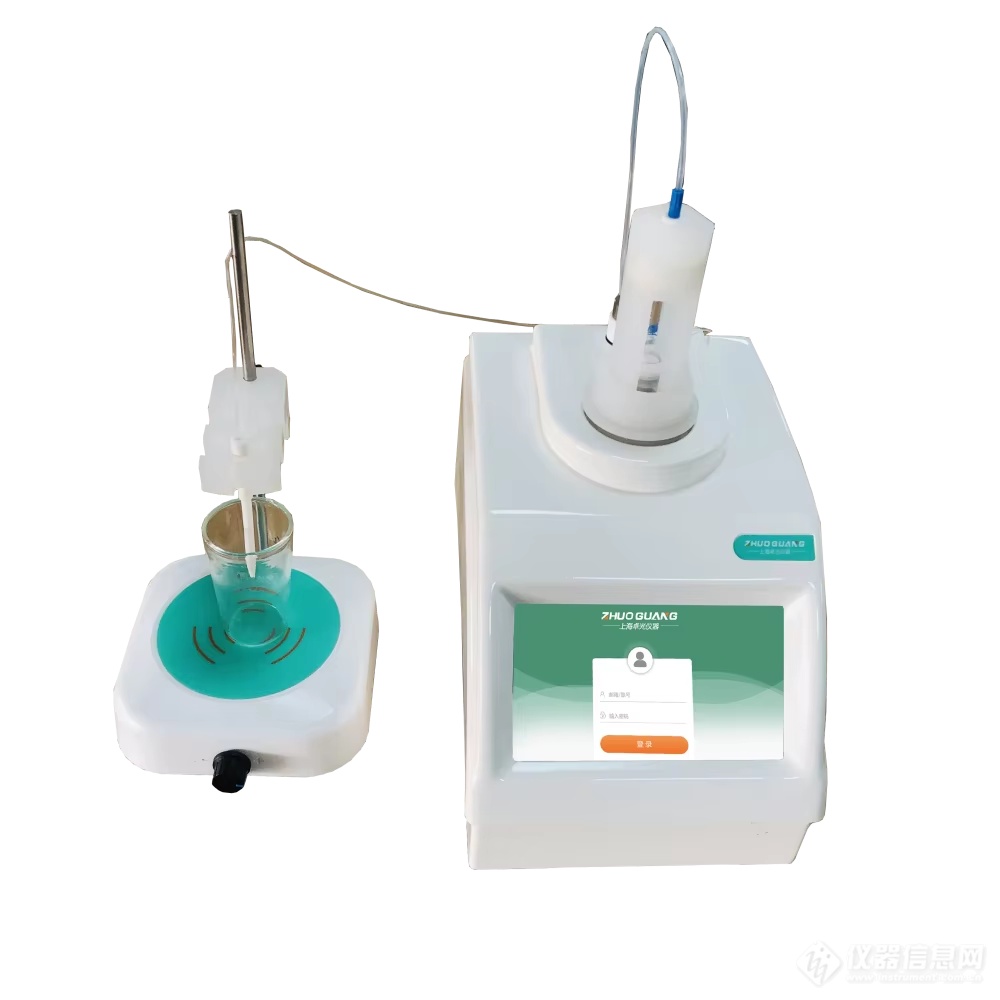
Host and mixing measurement unit: The screen is an account login interface, and operation permissions can be assigned and traceable.
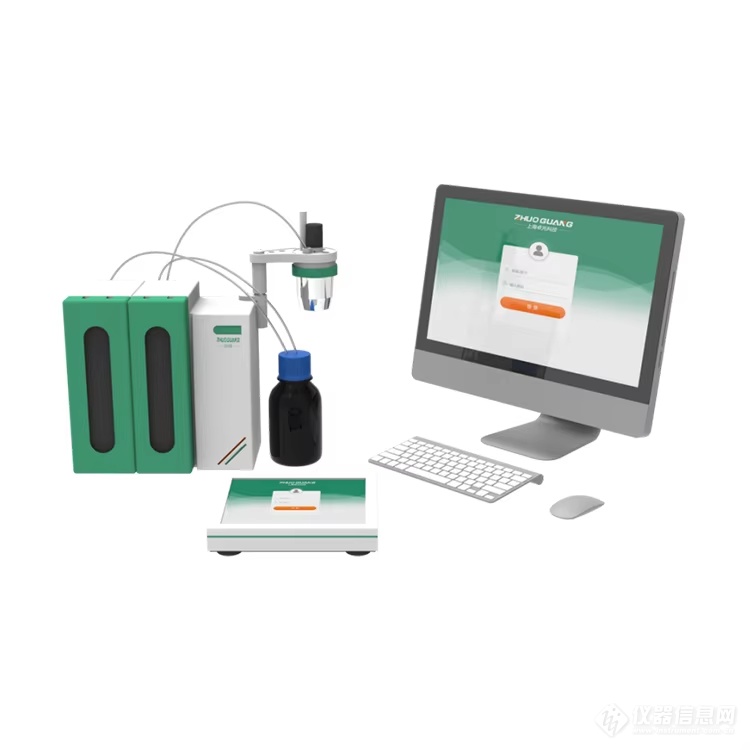
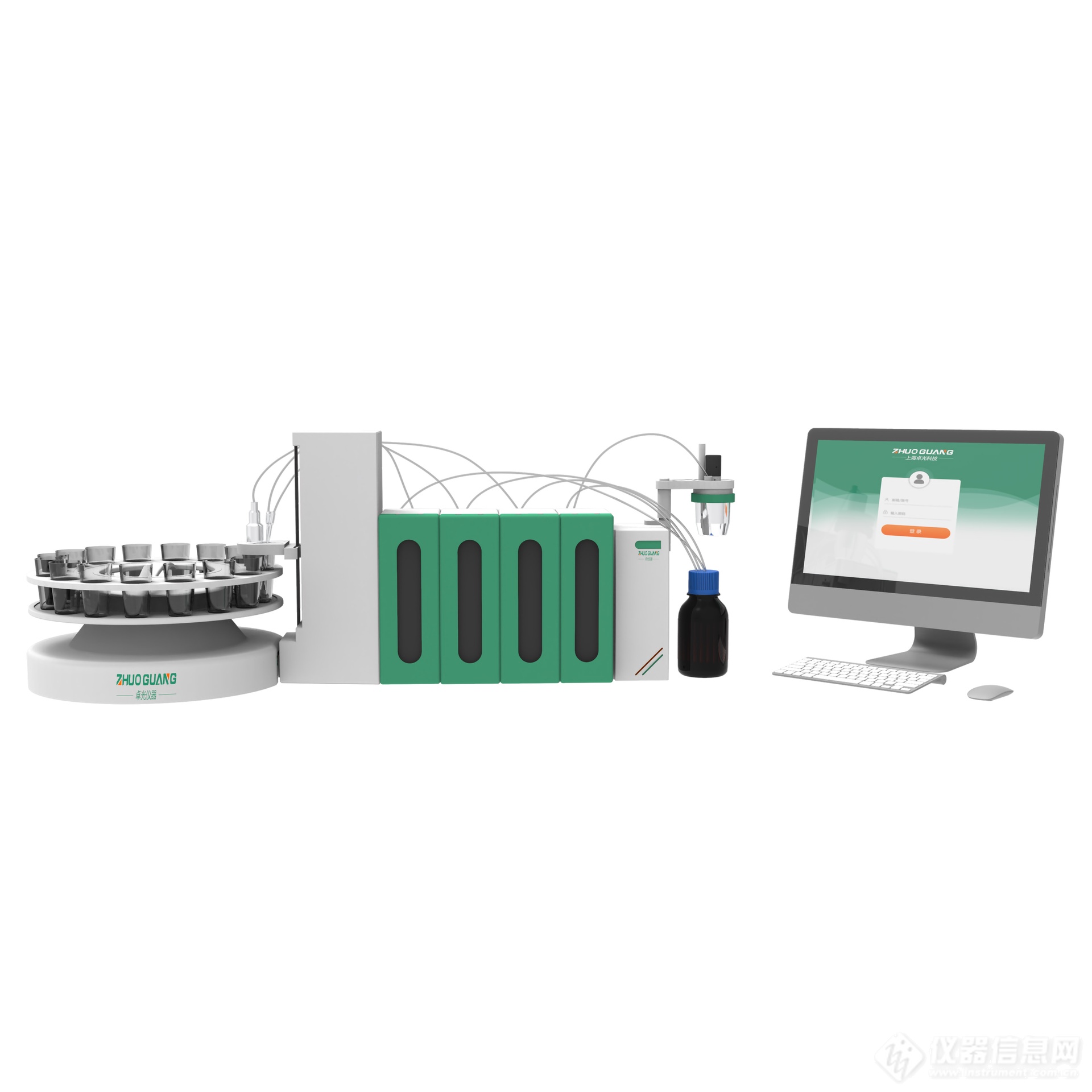
Automatic sampling tray and multi-channel host: support continuous loading of batch samples and adapt to unattended processes
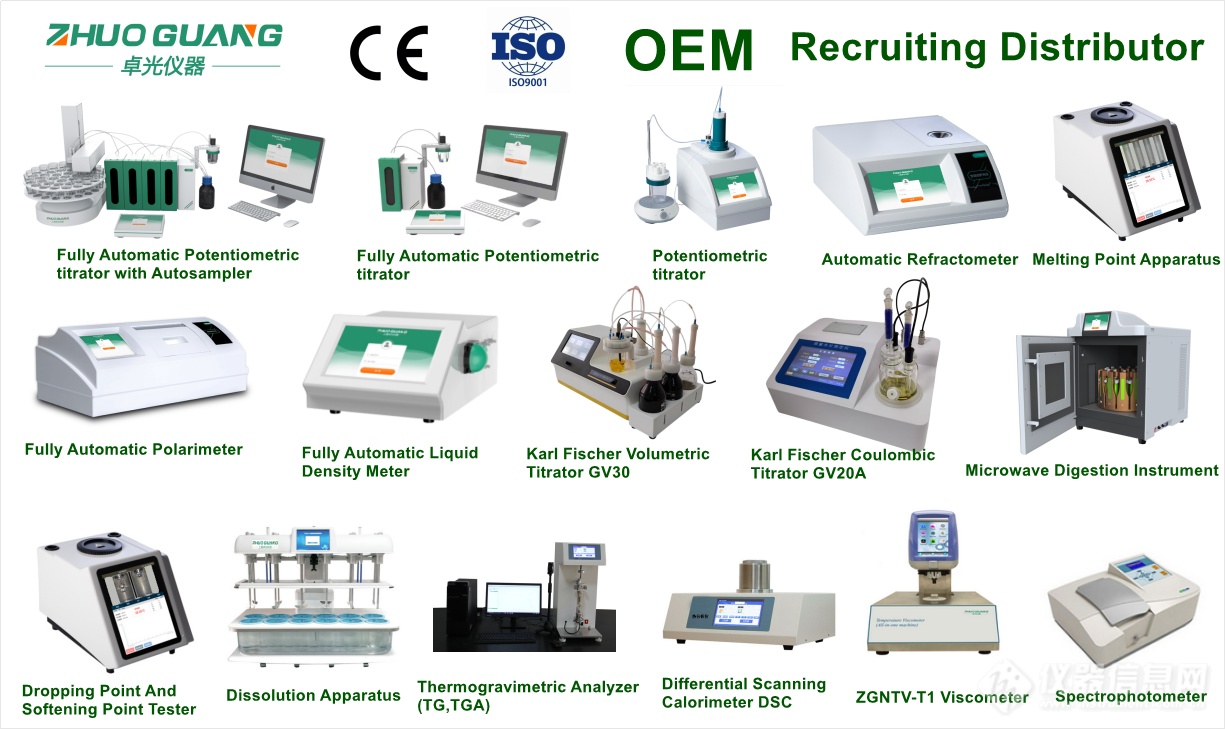
The brand's full range of instrument arrays: covering conventional testing categories such as refraction, melting point, optical rotation, moisture, density, etc.

When you visit any website, it may store or retrieve information on your browser, mostly in the form of cookies. This information might be about you, your preferences or your device and is mostly used to make the site work as you expect it to. The information does not usually directly identify you, but it can give you a more personalized web experience. Because we respect your right to privacy, you can choose not to allow some types of cookies. Click on the different category headings to find out more and change our default settings. However, blocking some types of cookies may impact your experience of the site and the services we are able to offer.