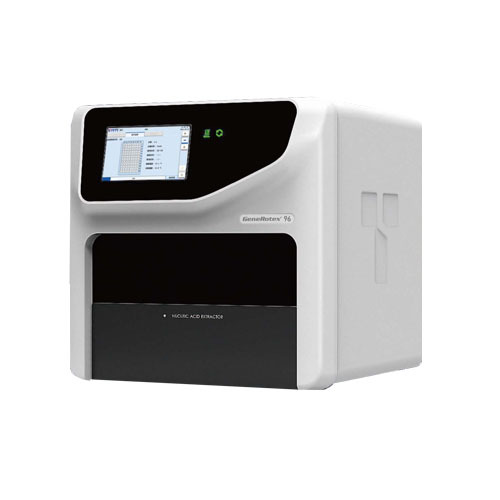
Tianlong Technology fully automatic nucleic acid extraction instrument GeneRotex
Model: GeneRotex
US$ 27,972—27,972

High-quality nucleic acid extraction is the foundation of downstream molecular experiments, including qPCR, NGS library construction, pathogen detection and genotyping. A reliable nucleic acid purification and extraction system directly determines nucleic acid yield, purity and experimental repeatability.
For lab managers and procurement specialists, choosing a suitable nucleic acid purification/extraction system is not a simple task. Different platforms vary greatly in processing throughput, extraction principle, compatibility with sample matrices and automation level. An unsuitable system may lead to low DNA/RNA yield, residual inhibitors, cross-contamination, or heavy repetitive manual work.
This guide summarizes all critical evaluation points to help you pick the best nucleic acid purification and extraction system for your laboratory workflows.
Start with your real samples and downstream applications before comparing machine parameters.
Common sample matrices for nucleic acid extraction:
Different samples require different lysis protocols. FFPE or tough plant tissues need stronger lysis capacity, while liquid swab samples usually support fast extraction.
Downstream application matters a lot:
Tip: Confirm whether you need DNA-only, RNA-only, or dual nucleic acid extraction in one system. Many modern instruments support both DNA and RNA purification with different kits.
Throughput is one of the first metrics to check, especially for diagnostic and high-volume testing labs.
Common specifications on the market:
Also check the total runtime per batch. Typical magnetic bead-based extraction finishes within 30–60 minutes for a full plate. If you have urgent sample batches, shorter cycle time will greatly improve lab turnover.
Most commercial nucleic acid purification/extraction systems adopt magnetic bead-based automated extraction, which is the mainstream choice now.
Magnetic bead method advantages:
Important checks:
Closed automated systems are strongly recommended for clinical pathogen detection, as they effectively reduce cross-contamination between samples.
Three core indicators judge extraction quality:
Good extraction systems come with built-in protocol optimization for difficult samples to keep consistent performance batch after batch.
Lab informatization is increasingly required for molecular testing, especially in clinical and GLP-compliant labs.
Desirable software features:
Elution volume adjustment is another practical function. Flexible elution settings help you concentrate nucleic acids for sensitive downstream tests.
Aerosol cross-contamination is a major headache in nucleic acid labs. When comparing systems, look for these safety designs:
For BSL-2 laboratories handling infectious samples, biosafety protection of the extraction workstation cannot be ignored.
Automated nucleic acid extraction systems are precision lab equipment. Stable after-sales support keeps your testing line running.
Check before purchase:
The best nucleic acid purification and extraction system matches your sample matrix, daily throughput, downstream testing type and budget. For most molecular labs, magnetic bead automated extractors balance stability, safety and flexibility.
If you are looking for an automated nucleic acid purification and extraction system with customizable protocols and reliable batch performance, view our [Nucleic Acid Purification/Extraction System] to check detailed parameters, supported sample types and quotation support. InstrumentCube provides complete protocol guidance and after-sales technical service for molecular biology laboratories.
Nucleic acid extraction is the bottleneck step of molecular workflows. Carefully evaluating throughput, sample compatibility, anti-contamination design and consumable cost helps you avoid operational troubles and get stable, repeatable nucleic acid results for your experiments and tests.
When you visit any website, it may store or retrieve information on your browser, mostly in the form of cookies. This information might be about you, your preferences or your device and is mostly used to make the site work as you expect it to. The information does not usually directly identify you, but it can give you a more personalized web experience. Because we respect your right to privacy, you can choose not to allow some types of cookies. Click on the different category headings to find out more and change our default settings. However, blocking some types of cookies may impact your experience of the site and the services we are able to offer.