

 Gold Member
 Business License
Nanjing Agricultural University Chen Wei’s team Energy, Joule heat assists bamboo pyrolysis, and prepares nitrogen-doped porous biochar-enriched synthesis gas in 20 seconds
[User results] Nanjing Agricultural University Chen Wei’s team Energy, Joule heat assists bamboo pyrolysis, and prepares nitrogen-doped porous biochar-enriched synthesis gas in 20 seconds
DOI:10.1016/j.energy.2026.142520
Quick overview of full text
Flash Joule heating (FJH) is a fast and energy-saving thermochemical conversion technology of biomass, but how its temperature-time history regulates product distribution, couples pore development and nitrogen doping is still unclear. This study integrated bamboo pyrolysis, KOH activation and in-situ nitrogen doping of melamine into a one-step FJH process to produce nitrogen-doped porous biochar (specific surface area 1429 m² g⁻¹, nitrogen content 5.8 at.%) and H₂/CO-enriched syngas in tens of seconds. Experiments and calculations revealed the non-equilibrium synergistic mechanism: KOCN, as a key potassium-containing crystal phase, may mediate pore formation and carbon edge nitrogen anchoring; ultrafast heating inhibits the secondary condensation of tar, and rapid quenching retains the metastable pore structure and edge-type pyridine nitrogen/pyrrole nitrogen. Under the renewable electricity scenario, the net GWP is 4.10 kg CO₂-eq/kg bamboo. This work provides new ideas for FJH to regulate biomass pyrolysis and product upgrading.
Background introduction
Biomass pyrolysis can co-produce syngas, biochar and bio-oil, among which porous carbon is widely used in energy storage, catalysis and other fields. Nitrogen doping can further regulate the electronic structure of carbon materials and introduce active sites. The slow temperature rise of traditional tube furnace pyrolysis results in secondary condensation of volatile components into heavy tar, which inhibits the synthesis gas yield. In addition, the active nitrogen species released from the nitrogen precursor are easily carried out by the gas flow, making it difficult to fully incorporate into the carbon lattice. With ultra-fast heating and rapid quenching of 10²–10³ ℃/s, FJH can bypass the tar condensation temperature zone and retain the metastable structure kinetically, providing a new way for the coordinated regulation of biomass pyrolysis and nitrogen doping.
Highlights of this article
(1) One-step and second-level synthesis: FJH integrates bamboo pyrolysis, KOH activation, and in-situ nitrogen doping of melamine into one step and completes it within tens of seconds;
(2) High specific surface and nitrogen doping: The biochar specific surface area reaches 1429 m² g⁻¹, and the nitrogen content is 5.8 at.%, mainly edge-type pyridinic nitrogen/pyrrole nitrogen;
(3) Non-equilibrium synergistic mechanism: KOCN mediates pore formation and nitrogen anchoring, ultra-fast heating inhibits tar condensation, and rapid quenching retains the metastable pore structure and edge nitrogen;
(4) Environmentally and economically feasible: The net GWP under the renewable electricity scenario is 4.10 kg CO₂-eq/kg bamboo, and the investment payback period for electrode-grade products can be as short as 0.42 years.
Graphic and text analysis
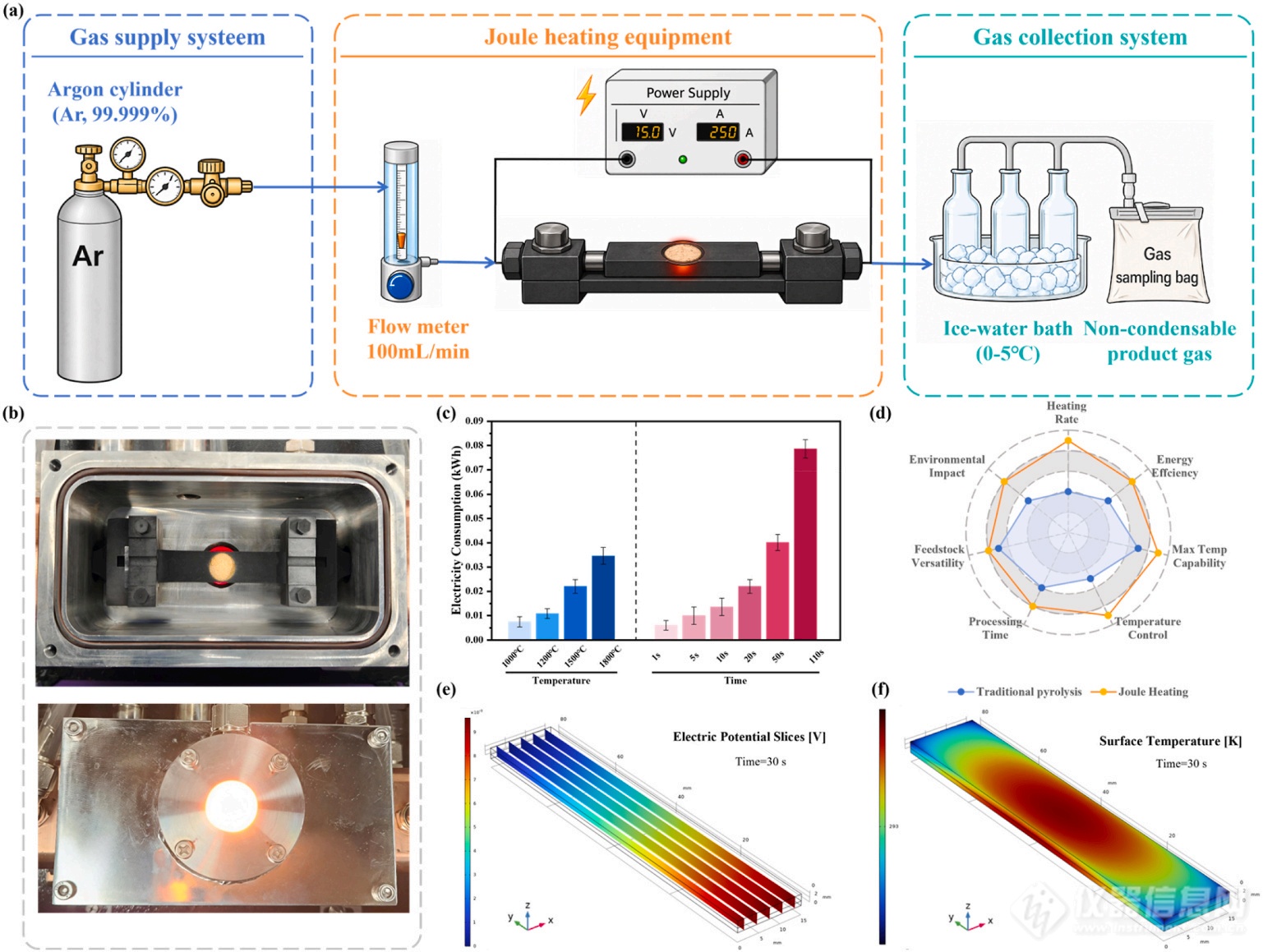 Figure 1: FJH unit and process characteristics
The FJH heats up to the target temperature at 100–200 °C s⁻¹ within 9–10 s, and the PID temperature control accuracy is ±50 °C. Under the conditions of 1800 °C and 20 s, the single energy consumption is only 0.035 kWh (Figure 1c). COMSOL simulation (Figure 1e-f) shows that the current flows longitudinally along the graphite boat. The temperature field is highest in the center and decreases toward both ends. The temperature distribution in the center of the sample is relatively uniform. The radar plot (Fig. 1d) shows that FJH outperforms conventional pyrolysis in terms of heating rate, energy efficiency, maximum temperature, processing time, and environmental impact.
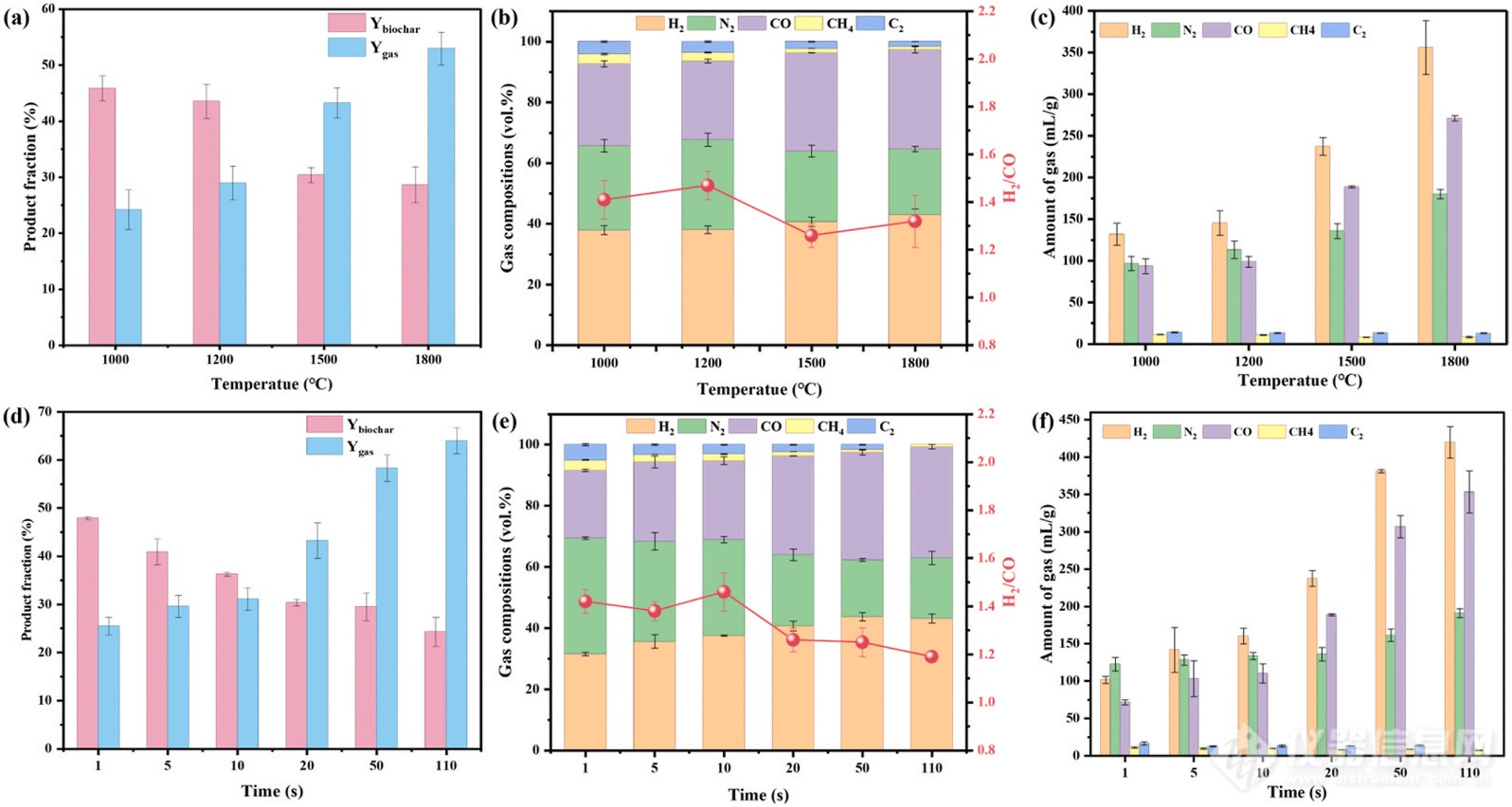
Figure 2: Yield versus gas composition
The holding time was extended from 1 s to 110 s, the solid phase yield decreased from 47.9% to 24.3%, and the gas phase yield increased from 25.5% to 64.0% (Figure 2a, d). H₂ is always the main gas product, and the H₂/CO ratio decreases with increasing temperature and holding time (Fig. 2b, e), which is attributed to the acceleration of CO generation by Boudouard reaction and K₂CO₃ carbothermal reduction at high temperatures. H₂ sources include water gas reaction, methane cracking, KOH-carbon reaction and FJH enhanced volatile secondary cracking.
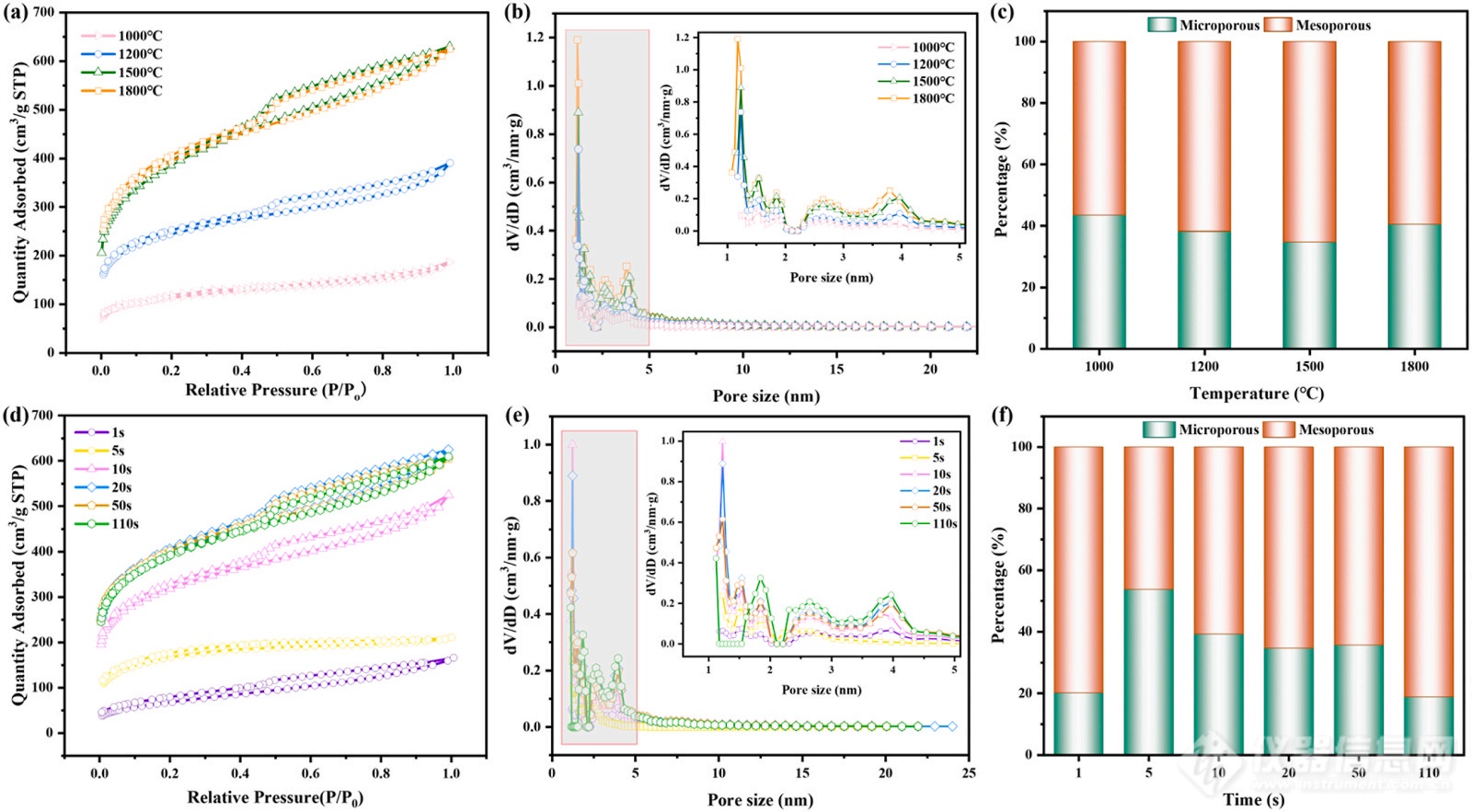
Figure 3: Pore structure characteristics
All samples showed type IV(a) isotherms, with micropores and mesopores coexisting (Fig. 3a). The specific surface area increased from 406.1 m² g⁻¹ at 1000 °C to 1429.1 m² g⁻¹ at 1500 °C, and slightly decreased to 1374.0 m² g⁻¹ at 1800 °C (Fig. 3c). Incubation time series (Figure 3d-f): the isotherm is nearly flat at 1 s, KOH activation starts quickly at 5 s, enters the rapid pore formation stage at 10–20 s, and overactivates at 110 s. The proportion of micropores reaches a maximum of ~54% at 5 s. As the holding time increases, the proportion of mesopores increases to 60–65%. At 110 s, mesopores account for ~81%.
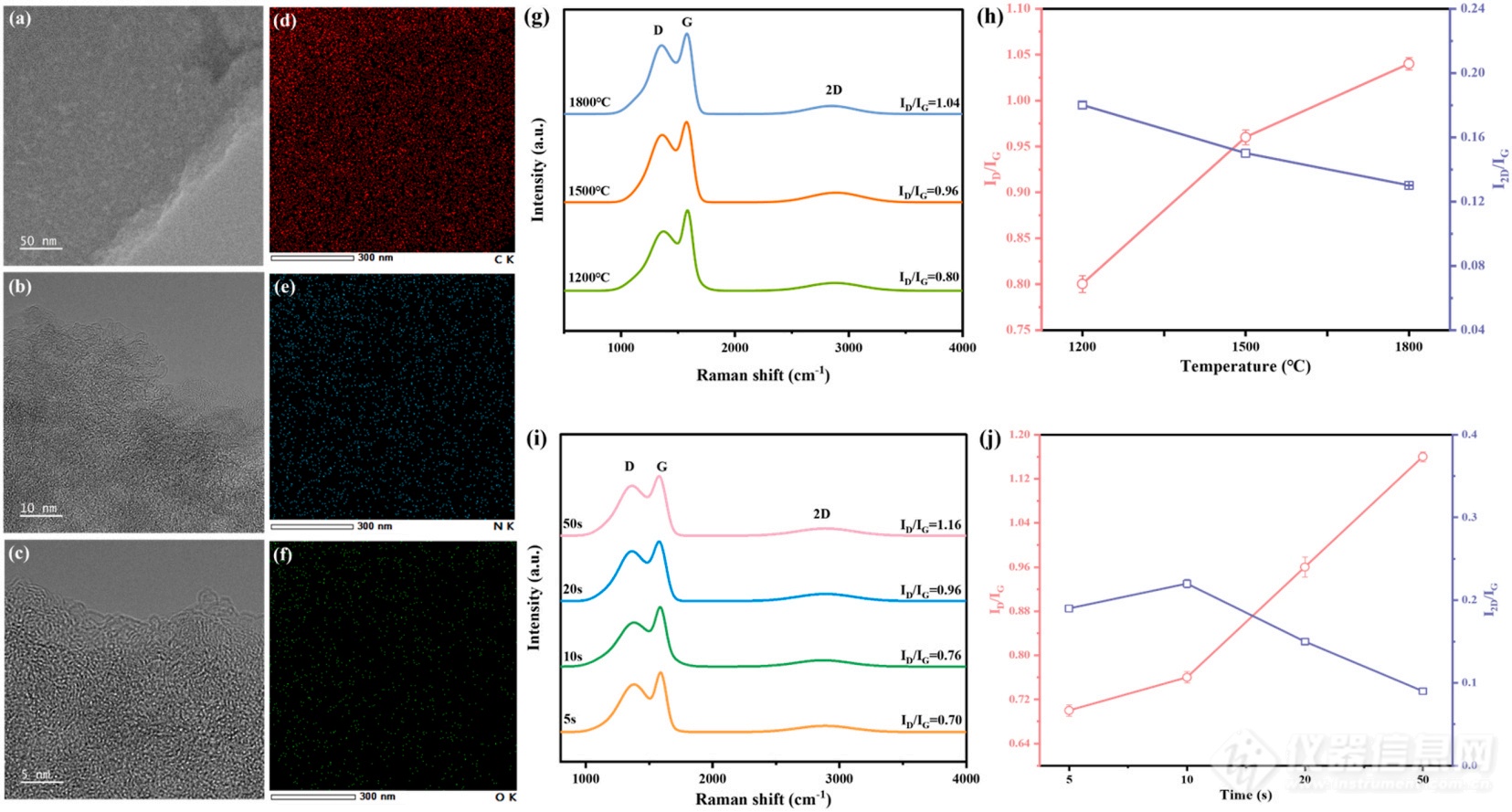
Figure 4: Microstructure and carbon skeleton order
TEM revealed lamellar porous morphology and highly disordered short-range carbon layers. EDS confirmed that C, N, and O were evenly distributed. Raman in ID/IGAs the temperature and holding time increase, it shows that KOH etching and nitrogen doping jointly introduce defects, exceeding the trend of thermally induced graphitization.
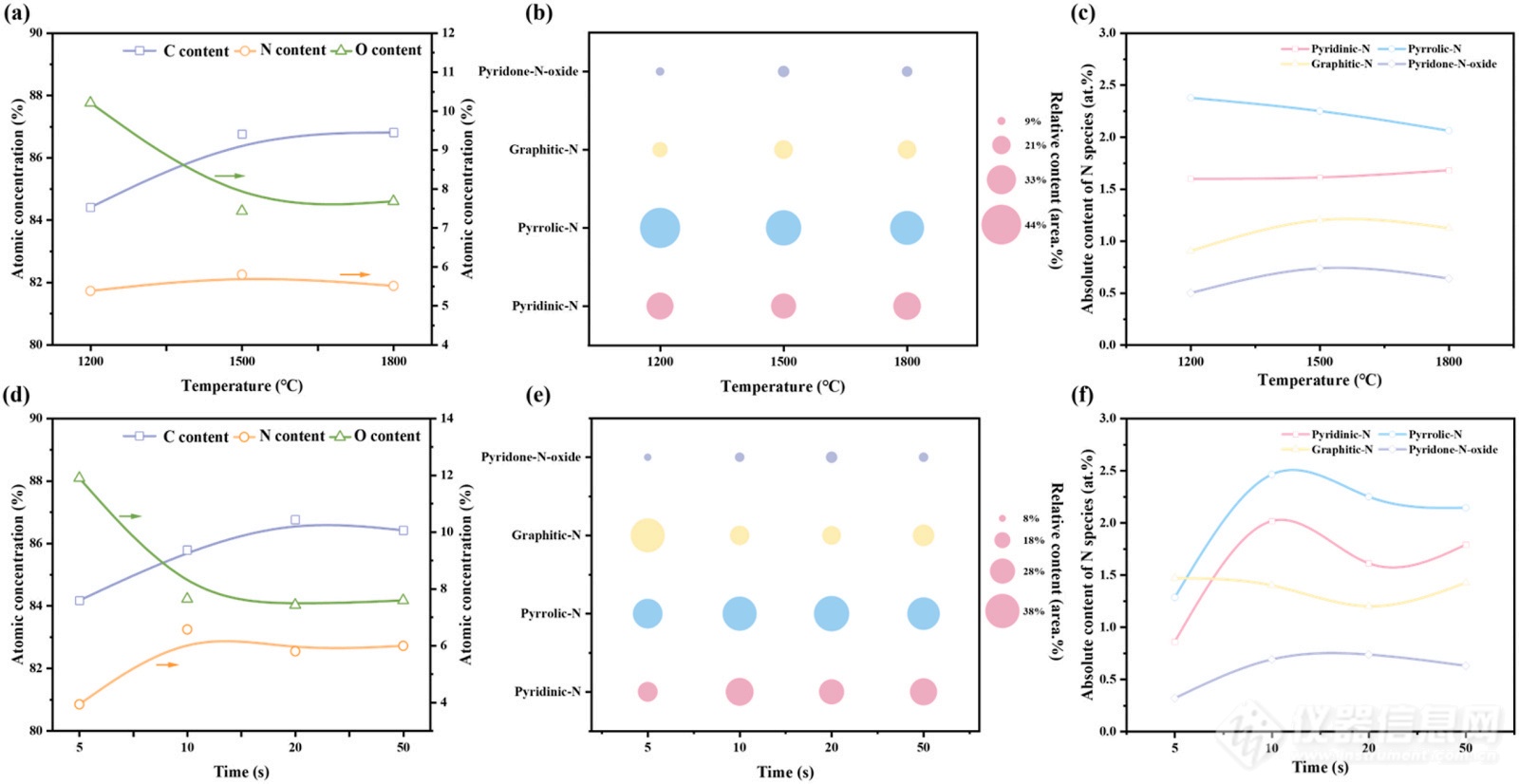
Figure 5: Surface element composition and nitrogen configuration evolution
The carbon content increases and the oxygen content decreases as the temperature increases, indicating that deoxidation continues. Systematic evolution of nitrogen configuration: at 5 s, the proportion of graphitic nitrogen is as high as 37% (insufficient edge defects); at 10 s, KOH etching produces a large number of edge defects, pyridinic nitrogen/pyrrole nitrogen increases sharply, and the total nitrogen rises from 3.9% to 6.6%; at 20–50 s, pyrrole nitrogen transforms into more stable pyridine nitrogen/graphitic nitrogen.
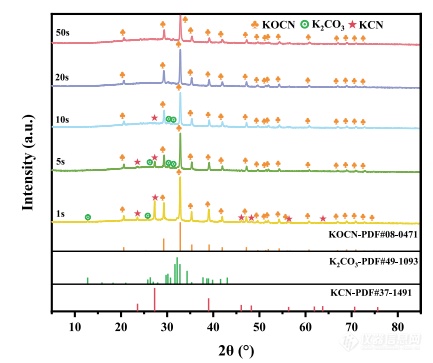
Figure 6: Potassium-containing crystal phase evolution
XRD shows that K₂CO₃ and KCN are discernible at 1–10 s, the KOCN peak is significantly enhanced at 10 s, and KOCN becomes the dominant potassium-containing crystal phase at 20–50 s. This evolution is opposite to the traditional low-temperature system and is attributed to the extreme thermal conditions of FJH: K₂CO₃ is rapidly consumed by carbothermal reduction, KOCN may exist in a molten state, and KCN is taken out by the air flow due to its low boiling point.
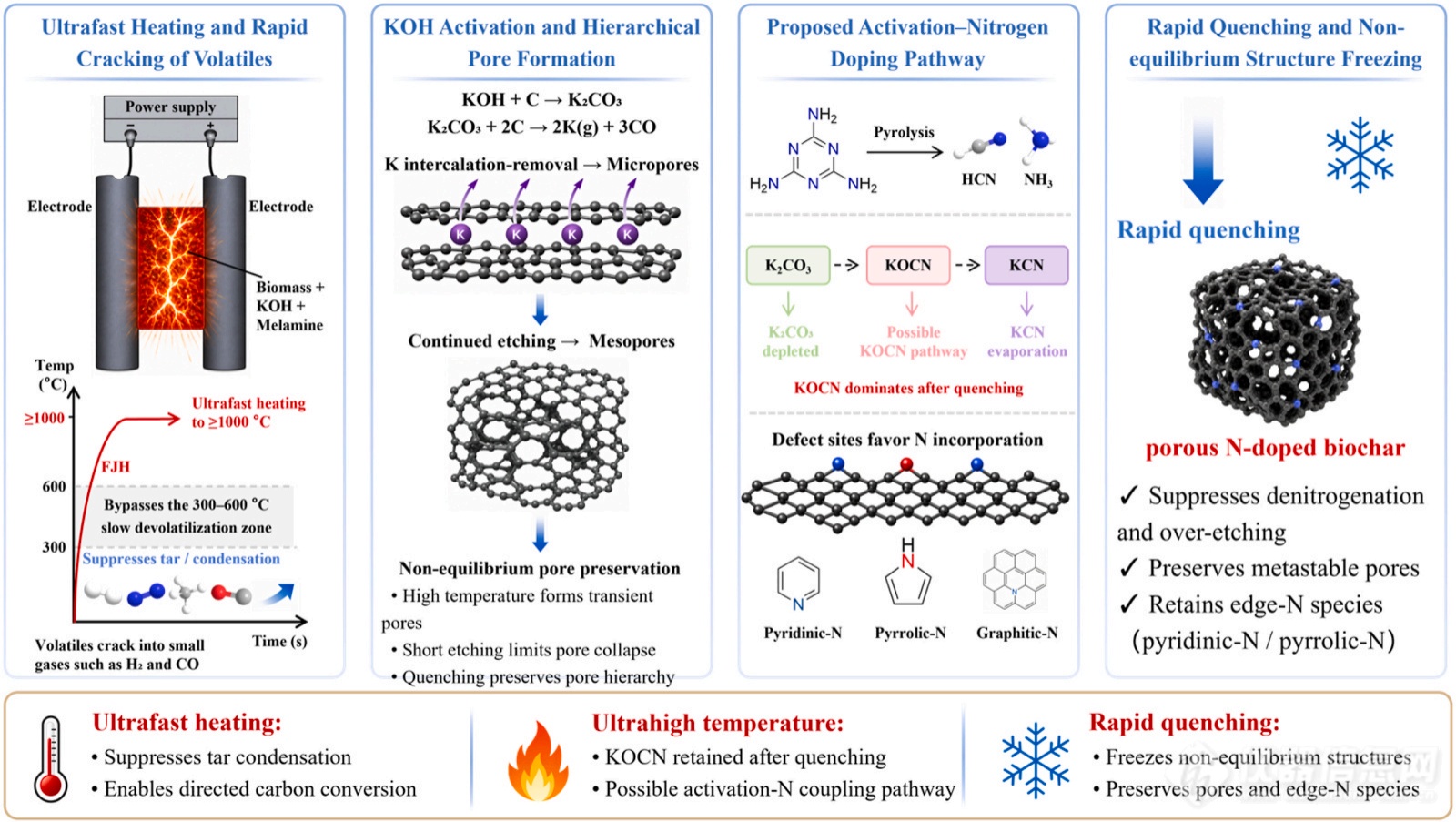
Figure 7: Schematic diagram of reaction mechanism
The mechanism includes four steps: (1) Ultra-fast heating bypasses the secondary condensation temperature zone, and the volatile matter is directly cracked into H₂/CO; (2) KOH reacts with carbon to generate K₂CO₃, carbothermal reduction releases gaseous K and CO, and K intercalation-evaporation creates micropores , CO etching pore expansion; (3) Melamine releases NH₃ and HCN, K₂CO₃ reacts with HCN to generate KOCN, which may connect activation and nitrogen incorporation; (4) Rapid quenching freezes metastable edge nitrogen species and transient pore structure.
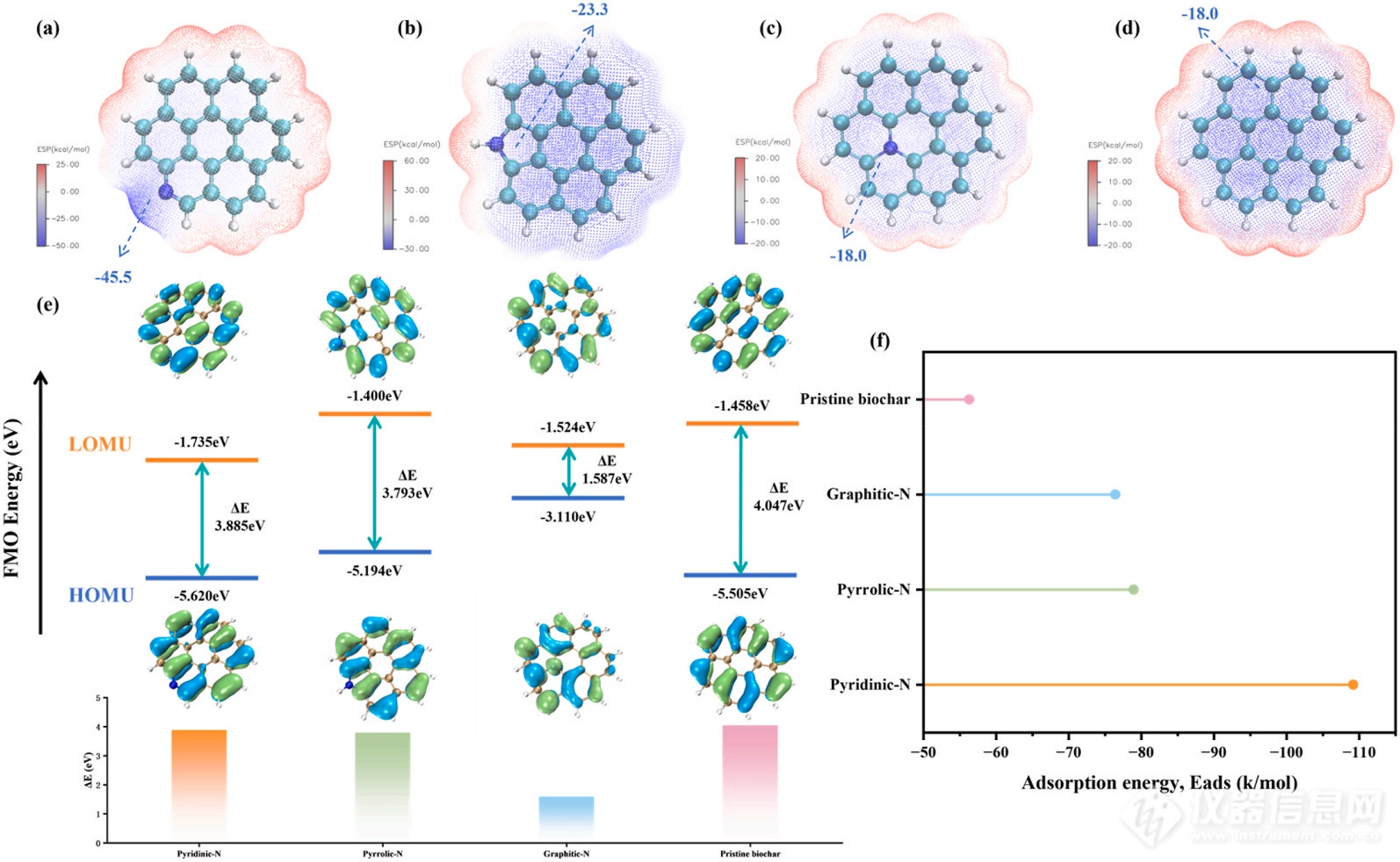
Figure 8: DFT calculation
Pyridine nitrogen has the strongest local negative potential, followed by pyrrole nitrogen. The ΔE of pyridine nitrogen and pyrrole nitrogen is comparable to that of original biochar, while the ΔE of graphitic nitrogen is significantly reduced to 1.59 eV, and the lone pair electrons are completely delocalized. The K⁺ adsorption energy shows that pyridine nitrogen and pyrrole nitrogen are significantly more negative, providing an atomic scale basis for the favorable interaction between edge nitrogen and K⁺.
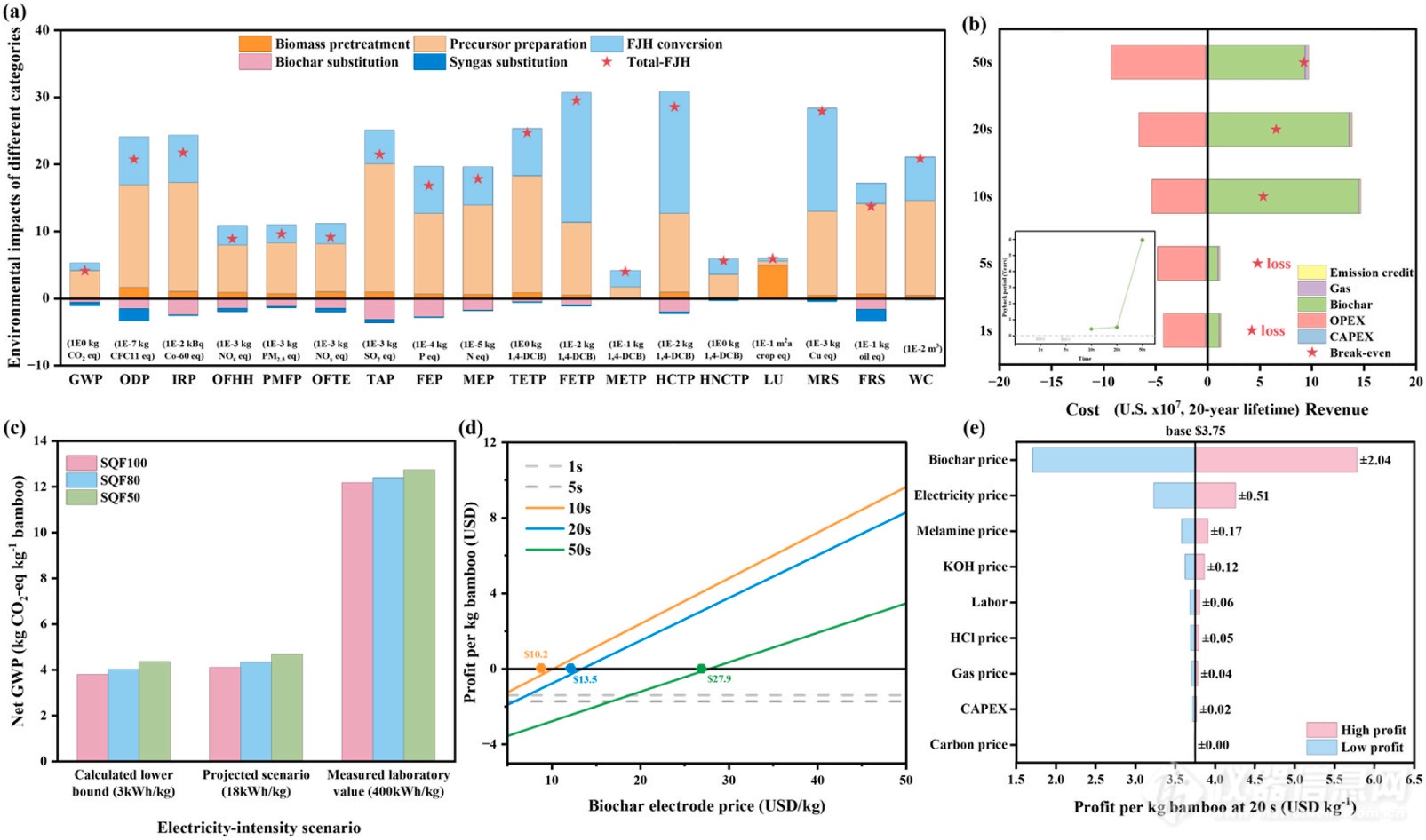
Figure 9: Environmental and Techno-Economic Assessment
The life cycle assessment shows that the net GWP under the renewable electricity scenario is 4.10 kg CO₂-eq/kg bamboo, and the precursor preparation contributes about 75%, mainly from KOH and melamine. The technical and economic evaluation shows that the product reaches electrode level in 10–20 s, and the investment payback period is shortened to 0.42 and 0.53 years; the biochar price sensitivity shows that the break-even price is lower than the assumed benchmark.
Summary and Outlook
This study established a FJH-driven bamboo pyrolysis process, integrating KOH activation and in-situ nitrogen doping into one step and completing it within tens of seconds. By controlling the pyrolysis temperature and holding time, the solid-gas phase yield, pore structure and nitrogen configuration can be controlled collaboratively. The obtained nitrogen-doped porous biochar has a specific surface area of 1429 m² g⁻¹ and a nitrogen content of 5.8 at.%, dominated by edge-type pyridine nitrogen/pyrrole nitrogen. The nonequilibrium synergistic mechanism involves spatially uniform Joule heating, KOCN-mediated pore formation coupled with nitrogen incorporation, and rapid quenching to preserve the metastable pore structure and edge nitrogen species. This work provides new understanding of FJH regulation of biomass pyrolysis and product upgrading. In the future, attention should be paid to continuous flow operation, reduction of reagent consumption and product recovery amplification.
The Joule heating equipment used in this article was developed by Hefei In-situ Technology Co., Ltd. Thank you to the teacher for your support and recognition!

Brief introduction of the corresponding author
Chen Wei,Professor and doctoral supervisor at the School of Engineering, Nanjing Agricultural University. In June 2018, he received his doctorate from Huazhong University of Science and Technology; from September 2018 to November 2021, he engaged in postdoctoral work at Huazhong University of Science and Technology; from 2021 to present, he teaches at Nanjing Agricultural University. The main research directions include: the mechanism and control method of pollutant conversion in the pyrolysis process of organic solid waste, the production of high value-added chemicals, gas-liquid fuels and functional carbon materials through heat conversion of organic solid waste, directional preparation technology and equipment of functional carbon materials, and the application of carbon materials in catalysis, adsorption, energy storage, etc. Hosted projects such as sub-topics of the National Key R&D Plan, Youth Projects of the National Natural Science Foundation of China, Special Funding from the China Postdoctoral Fund, and First-Class Funding for General Projects. Participated in many projects such as the National Key Research Plan and the National Natural Science Foundation. A total of more than 30 SCI papers have been published, including 16 SCI papers as the first or corresponding author in authoritative energy and environment publications such as Proceedings of the Combustion Institute, Environmental Science & Technology, Applied Energy, etc., 2 EI papers, 1 ESI highly cited paper, 15 authorized national invention patents, and won the Outstanding Paper Award at the 38th International Combustion Conference in 2021.
View More from This Booth
Joule heat assists the AFM team of Ye Yifan/Wang Xian of the University of Science and Technology of China: Constructing ultra-low loading PtRu alloy catalyst for efficient alkaline hydrogen evolution
Rapid heating furnace helps PdO/Co3O4 nanosheets containing high-valence Pd⁴⁺ species achieve efficient CO₂ photocatalytic methanation
Joule Thermal Equipment Small: Waste plastic can be converted into limited carbon in seconds, acidic CO₂ can produce ethylene FE up to 70%, and the total C₂ FE exceeds 80%
Joule heating assists the coordinated regulation of asymmetric sites and vacancies to construct efficient and stable ruthenium selenide nanocrystals for hydrogen evolution from seawater
Recommended Products

CIS-JH-4.0 Joule heating device, millisecond level temperature rise 1000-3000℃
Negotiable
Model:CIS-JH-4.0