

 Gold Member
 Business License
Joule heat assists the AFM team of Ye Yifan/Wang Xian of the University of Science and Technology of China: Constructing ultra-low loading PtRu alloy catalyst for efficient alkaline hydrogen evolution
[User Results] University of Science and Technology of China Ye Yifan/Wang Xian team AFM: Joule heat helps construct ultra-low loading PtRu alloy catalyst for efficient alkaline hydrogen evolution
DOI:10.1002/adfm.78855
Quick overview of full text
The kinetics of alkaline hydrogen evolution are slow, and the interfacial water microenvironment is unfavorable at ultra-low precious metal loading. In this study, ultrafast Joule heating was used to construct ultra-low loading PtRu alloy nanoclusters on heterogeneous MoOₓ. Non-equilibrium thermal shock drives alloying and establishes strong electronic metal-carrier interactions, which depletes surface electrons, strengthens water adsorption, and promotes the reconstruction of interfacial water into a hydrogen-bonded network. The overpotential of PtRu/MoOₓ at 100 mA cm⁻² in 1 M KOH is only 56.15 mV, and the voltage of AEMWE at 1.0 A cm⁻² is 1.836 V, with stable operation for more than 2000 hours. This work provides new ideas for the design of ultra-low loading precious metal cathodes.
Background introduction
The kinetics of alkaline hydrogen evolution (HER) are slow. In addition to relying on additional water dissociation steps, the unfavorable interfacial water microenvironment is also a key constraint, especially at ultra-low precious metal loadings. Although Pt is the benchmark catalyst for HER, its water dissociation ability is weak; PtRu alloying can induce electron redistribution and improve water activation and intermediate conversion. However, existing research focuses mostly on regulating the adsorption energy of the alloy site itself, and there is still a lack of in-depth understanding of the interaction between the PtRu alloy interface and the surrounding hydration environment. Alkaline HER proceeds within the electric double layer. The orientation, distribution and hydrogen bond connectivity of interfacial water directly affect water activation and proton transport. Therefore, it is urgent to re-examine the catalyst design from the perspective of interfacial water microenvironment regulation.
Highlights of this article
(1) New strategy for ultrafast Joule heat synthesis: FJH synchronously drives PtRu alloying in millisecond thermal shock, retains defective interfaces, establishes strong EMSI, and achieves ultra-low Pt/Ru loading (0.850/0.834 wt.%);
(2) Electron-deficient surface control: EMSI makes the PtRu alloy surface electron-deficient, strengthening water adsorption, equilibrium water dissociation and intermediate transformation;
(3) Interfacial water network reconstruction: Operando ATR-SEIRAS reveals that PtRu/MoOₓ promotes the transformation of interfacial water from an isolated cation-dominated structure to a surface-coupled hydrogen bond network, optimizing the alkaline HER microenvironment;
(4) Excellent performance and low cost: 100 mA cm⁻² overpotential is only 56.15 mV, AEMWE is 1.836 V at 1.0 A cm⁻², and operates stably for more than 2000 hours; the precious metal cost is only 11.04 US$ m⁻², which is 93.3% lower than commercial Pt/C.
Graphic and text analysis
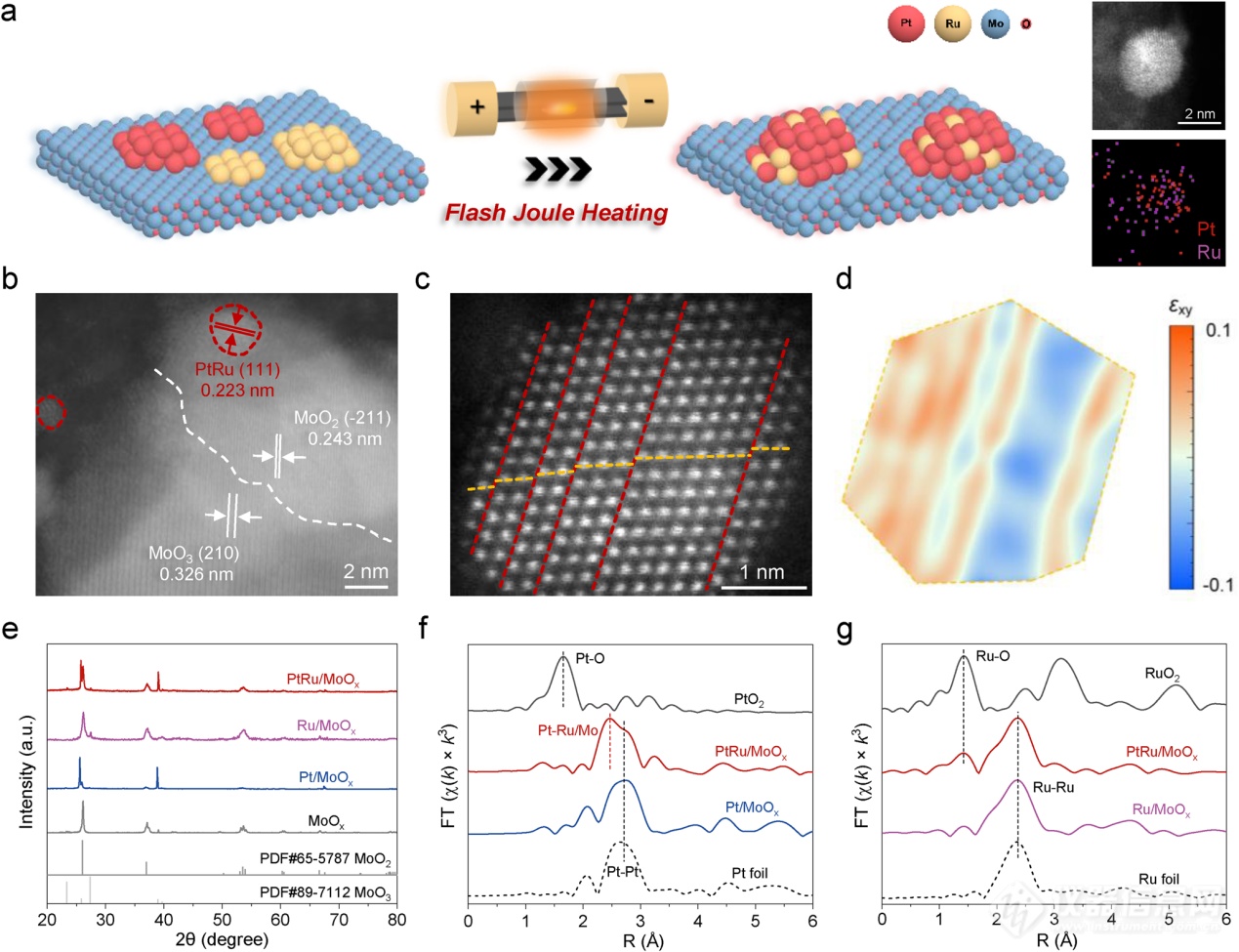 Figure 1: Synthesis and structural characterization
FJH completes the "room temperature-750°C-room temperature" thermal cycle within 500 ms. After 8 pulses, PtRu alloy clusters with an average particle size of ~2 nm are formed, which is much smaller than Pt/MoOₓ (~7 nm) and Ru/MoOₓ (~3 nm). HAADF-STEM (Figure 1b) shows that the PtRu(111) interplanar spacing is 0.223 nm, and geometric phase analysis (Figure 1d) reveals coexisting tensile and compressive strains. EXAFS (Figure 1f-g) confirmed that the Pt-Pt coordination weakened and Pt-Ru/Mo coordination appeared, with Ru-Ru/Mo being the main coordination, proving alloying and strong interfacial coupling.
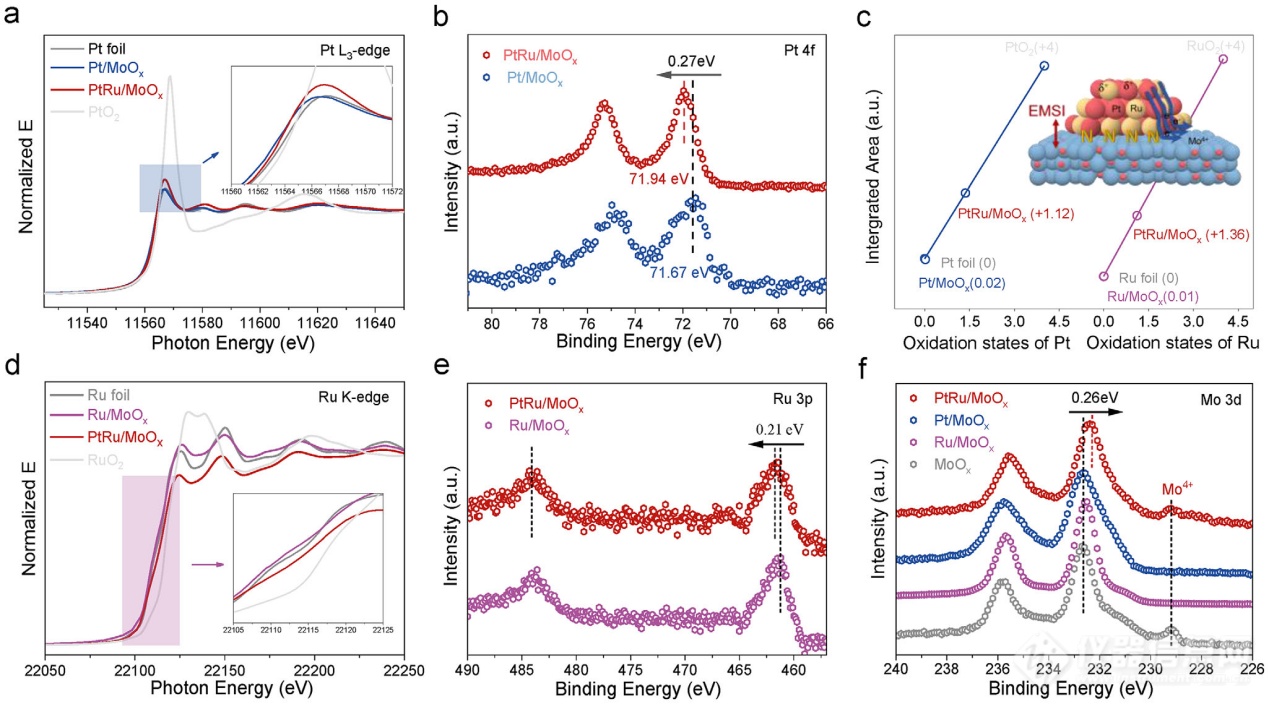
Figure 2: XPS and XAFS characterization
Pt L₃ edge XANES (Fig. 2a) shows that the PtRu/MoOₓ white line intensity is higher, and the binding energy of Pt 4f (Fig. 2b) is shifted positively, indicating the lack of Pt electrons. Ru K edge (Fig. 2d) and Ru 3p (Fig. 2e) are also shifted forward, and Ru electrons are missing. Quantitative valence state analysis (Fig. 2c) gives Pt +1.12 and Ru +1.36. Mo 3d (Figure 2f) shows an increase in the Mo⁴⁺ component and an overall negative shift, confirming the electron transfer from PtRu to MoOₓ, and the EMSI is significant.
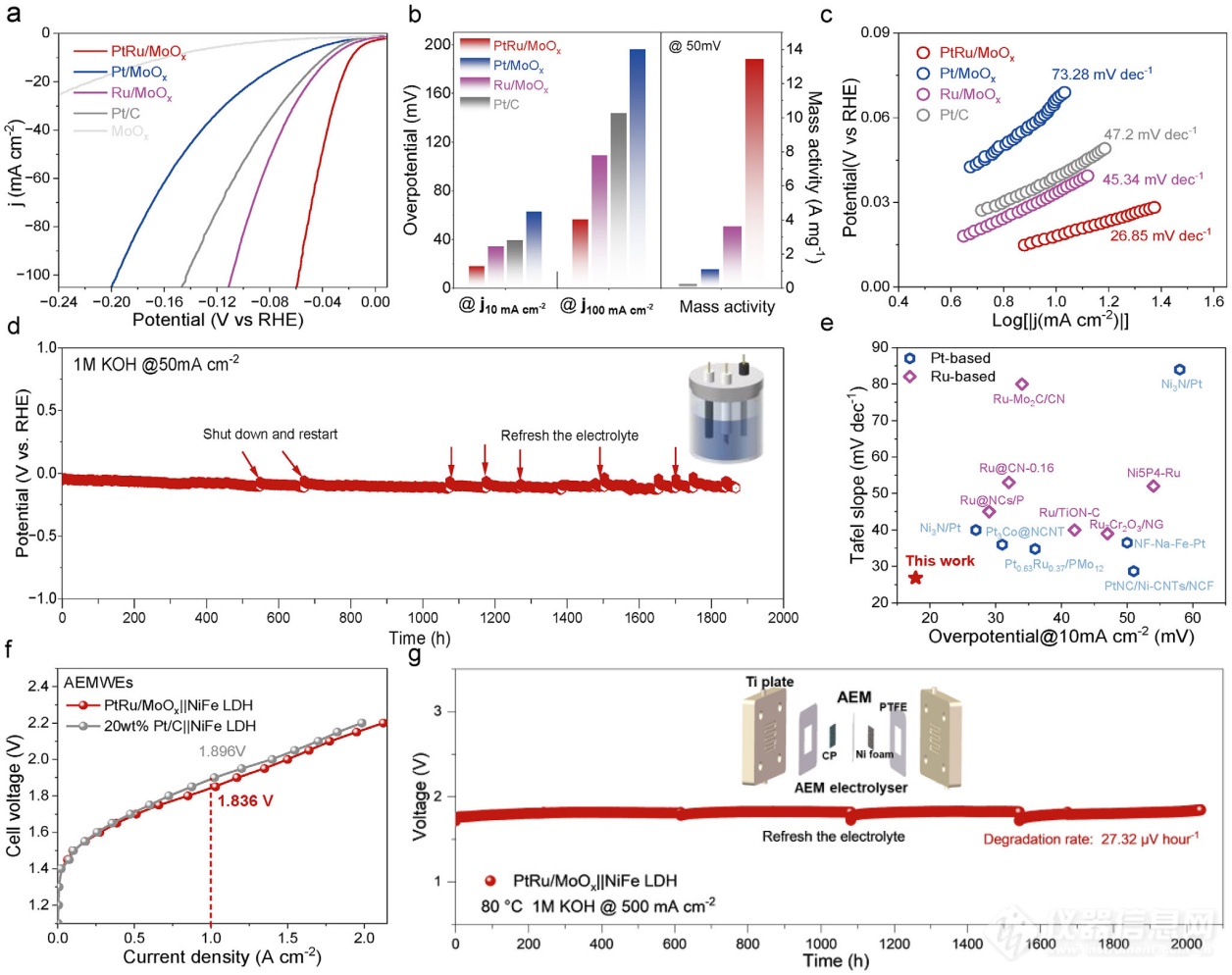
Figure 3: Electrochemical HER performance
The overpotential of PtRu/MoOₓ at 10 and 100 mA cm⁻² is only 17.82 and 56.15 mV (Figure 3a-b), which is much better than Pt/MoOₓ (62.60/196.46 mV) and Ru/MoOₓ (33.95/109.57 mV) and commercial Pt/C (39.22/143.56 mV). The Tafel slope is only 26.85 mV dec⁻¹ (Figure 3c). The mass activity at 50 mV reaches 13.40 A mg⁻¹, which is 57.76 times that of Pt/C. Stable operation at 50 mA cm⁻² for nearly 2000 hours (Figure 3d). AEMWE has a voltage of 1.836 V at 1.0 A cm⁻² and is stable for over 2000 hours at 0.5 A cm⁻².
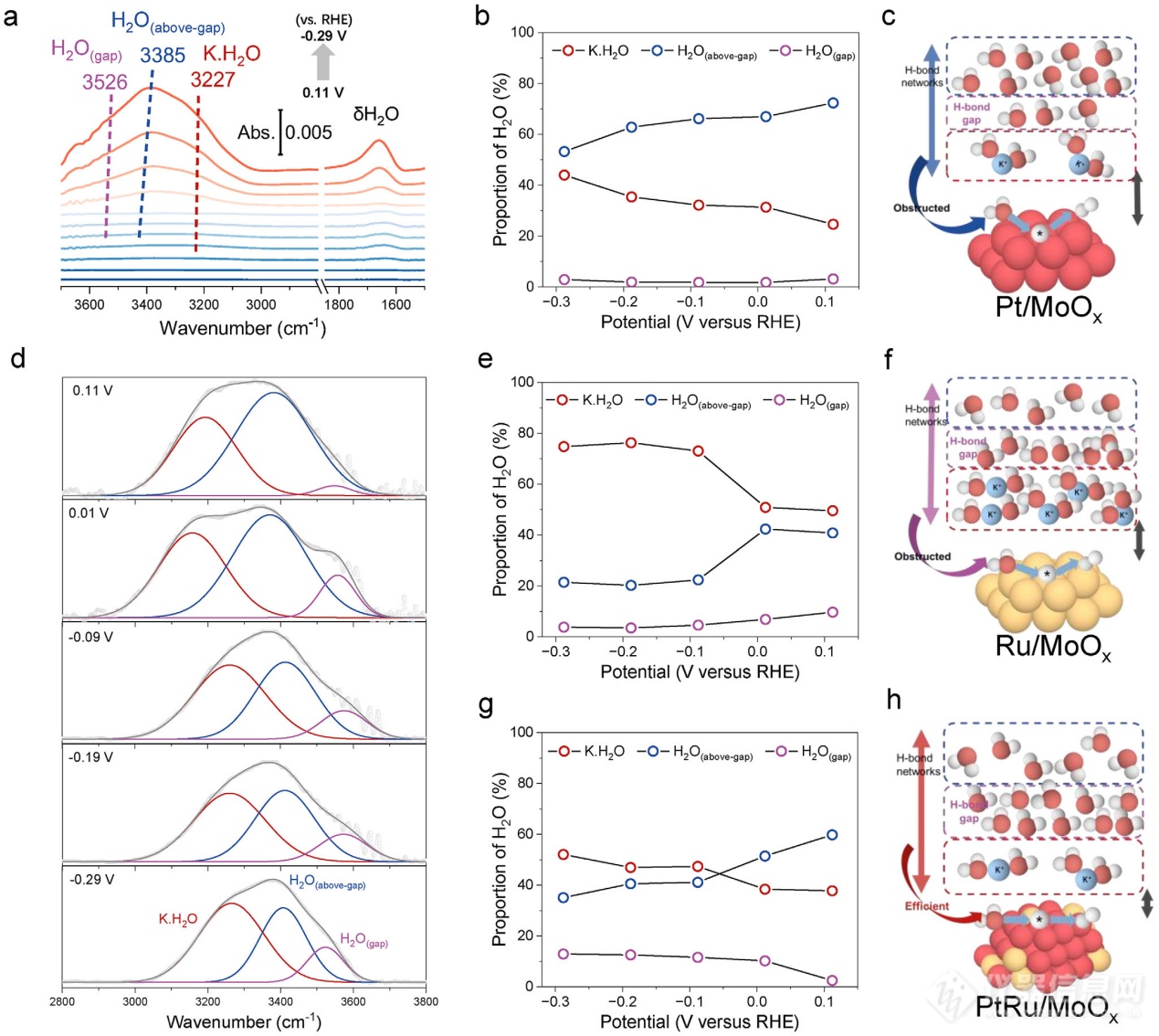
Figure 4: Operando ATR-SEIRAS Interface Water Analysis
ATR-SEIRAS (Fig. 4a) shows that PtRu/MoOₓ has the strongest interfacial water response and a broadened δH₂O band. Gaussian fitting (Fig. 4d) divides the O-H stretching band into three components: H₂O (gap), H₂O (above-gap) and K-H₂O. The proportion of H₂O (gap) in Pt/MoOₓ is low and dominated by H₂O (above-gap) (Figure 4b-c), while K-H₂O is dominant in Ru/MoOₓ (Figure 4e-f). In PtRu/MoOₓ (Figure 4g-h), H₂O(gap) continues to increase under cathodic polarization, forming an interfacial water network with surface coupling and hydrogen bonding.
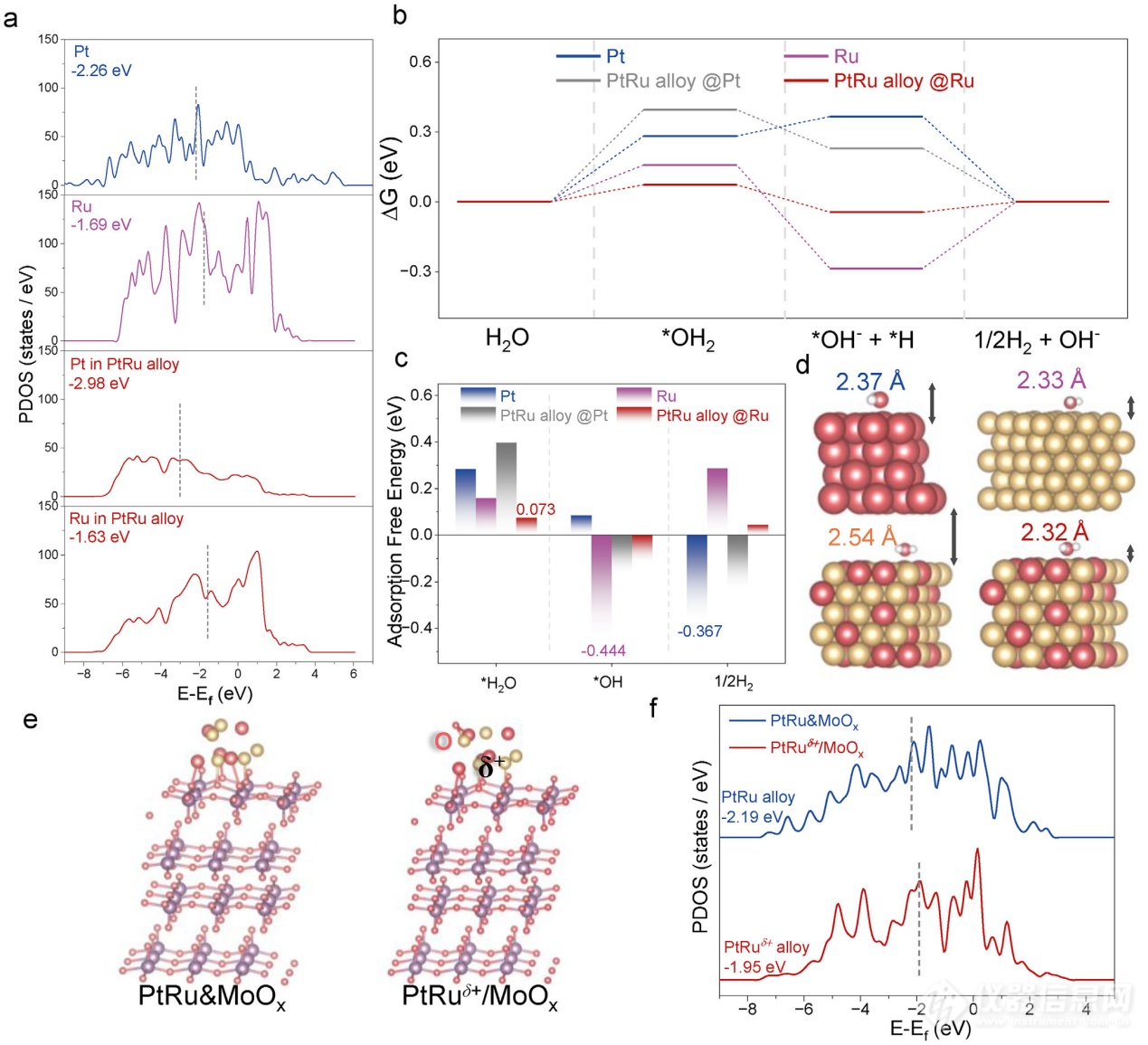
Figure 5: DFT calculation
DFT (Fig. 5a) shows that alloying shifts the Pt d band downward and the Ru d band upward. The free energy diagram (Figure 5b-c) shows that the Ru site has the strongest H₂O adsorption, but the intermediate conversion energy barrier is high; the Pt site has favorable intermediate conversion but weak H₂O adsorption. PtRu alloy combines the strong water affinity of Ru with the intermediate conversion advantages of Pt, achieving balanced adsorption-conversion. Introducing EMSI-induced electron deletion (Fig. 5e–f) shifts the PtRu d band center upward, further enhancing water adsorption, consistent with the H₂O(gap) enrichment observed in Operando spectroscopy.
Summary and Outlook
In this study, ultra-low loading PtRu alloy nanoclusters were constructed on heterogeneous MoOₓ through ultrafast Joule heating. Non-equilibrium thermal shock simultaneously drives alloying and strong EMSI, resulting in the loss of electrons on the alloy surface, balancing the adsorption-conversion landscape, and promoting the reconstruction of interfacial water into a hydrogen bonding network. PtRu/MoOₓ has both high activity and ultra-long stability in alkaline HER. AEMWE operates stably for more than 2,000 hours, significantly reducing precious metal costs. This work reveals the key role of interfacial water microenvironment engineering in alkaline hydrogen evolution and provides a new strategy for the design of ultra-low loading precious metal cathodes.
The Joule heating equipment used in this article was developed by Hefei In-situ Technology Co., Ltd. Thank you to the teacher for your support and recognition!

Brief introduction of the corresponding author
Ye Yifan is a special researcher and doctoral supervisor at the National Synchrotron Radiation Laboratory of the University of Science and Technology of China. Obtained a doctorate from the University of Science and Technology of China in 2016 and has long been engaged in the research and development and application expansion of synchrotron radiation in-situ spectroscopy instruments and equipment, characterization technology and experimental methodology. Precisely construct catalysts with high activity, high stability and high selectivity at the atomic scale, using a variety of synchrotron radiation in-situ spectroscopy methods and supporting in-situ reaction devices to achieve precise identification and analysis of the chemical and electronic states of the catalyst surface interface, and have achieved a series of academic achievements including Science, Nat. Catal., Nat. Comm., J. Am. Chem. Soc., Angew. Chem. Int. Ed., etc.
Joule heating device
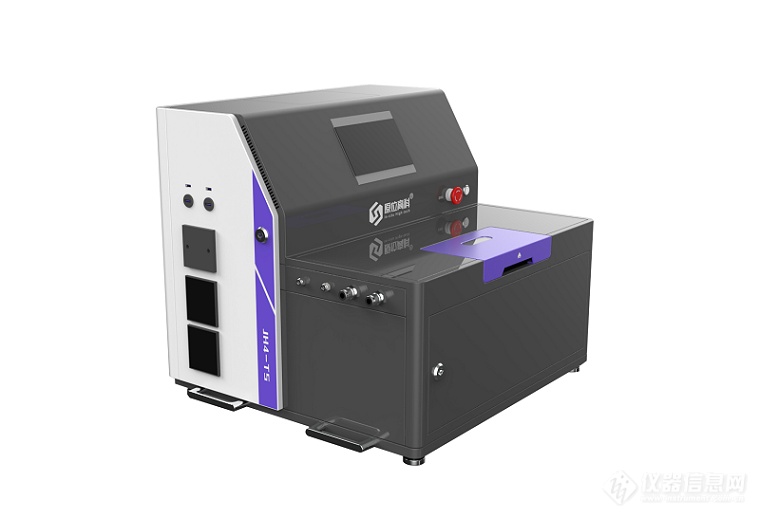
The Joule heating device is a new type of rapid heat treatment/synthesis equipment. This equipment can make materials reach extremely high temperatures (1000~3000°C) in a very short time (milliseconds/seconds), and the heating rate can reach as fast as 10000k/s. By extremely rapid heating of materials, the physical property changes of materials in extreme environments and severe thermal shocks can be investigated. Nanoscale particles, single-atom catalysts, high-entropy alloys, etc. can be prepared through extremely rapid temperature rise and cooling.Currently widely used in battery materials, catalystsChemical agents, carbon materials, ceramic materials, metal materials, plastic degradation, biomass and other fields。
View More from This Booth
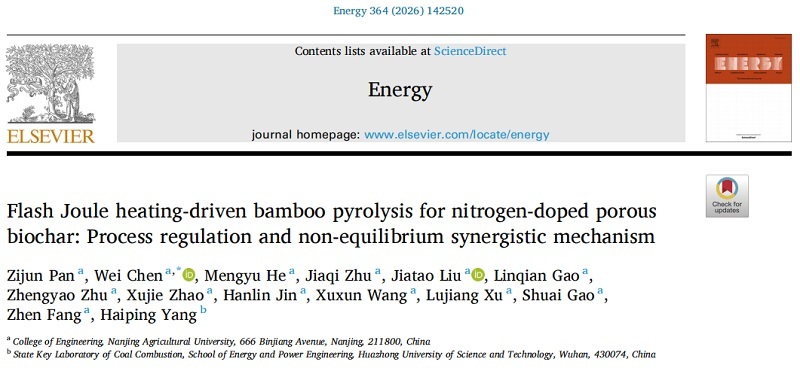
Nanjing Agricultural University Chen Wei’s team Energy, Joule heat assists bamboo pyrolysis, and prepares nitrogen-doped porous biochar-enriched synthesis gas in 20 seconds
Rapid heating furnace helps PdO/Co3O4 nanosheets containing high-valence Pd⁴⁺ species achieve efficient CO₂ photocatalytic methanation
Joule Thermal Equipment Small: Waste plastic can be converted into limited carbon in seconds, acidic CO₂ can produce ethylene FE up to 70%, and the total C₂ FE exceeds 80%
Joule heating assists the coordinated regulation of asymmetric sites and vacancies to construct efficient and stable ruthenium selenide nanocrystals for hydrogen evolution from seawater
Recommended Products

CIS-JH-4.0 Joule heating device, millisecond level temperature rise 1000-3000℃
Negotiable
Model:CIS-JH-4.0