

 Gold Member
 Business License
Joule heating assists the coordinated regulation of asymmetric sites and vacancies to construct efficient and stable ruthenium selenide nanocrystals for hydrogen evolution from seawater
[User results] Tong Zhangfa and Huang Kelei of Guangxi University/Wu Rui of University of Electronic Science and Technology of China Advanced Functional Materials, Joule heating helps to coordinate the regulation of asymmetric sites and vacancies to construct efficient and stable ruthenium selenide nanocrystals for hydrogen evolution from seawater
DOI: 10.1002/adfm.78258
Quick overview of full text
Achieving alkaline seawater electrolysis with both high catalytic activity and long-term stability still faces huge challenges. Tong Zhangfa and Huang Kelei of Guangxi University and Wu Rui's team at the University of Electronic Science and Technology of China developed a preparation strategy of hydrothermal synthesis combined with ultrafast Joule heating. They combined iron doping with vacancy engineering to precisely control the local coordination environment of ruthenium diselenide (RuSe₂) and simultaneously construct asymmetric Fe‑Se‑Ru active sites and selenium vacancies. Optimal catalyst 1/10Fe‑RS in alkaline fresh water, alkaline seawater, 10mA·The overpotentials at cm⁻² current density are only 12mV and 20mV respectively, and their performance is better than commercial Pt/C. The catalyst is assembled in an anion exchange membrane electrolyzer, 1.0A under alkaline seawater conditions·cm⁻² The tank voltage is only 1.87 V and can operate stably and continuously for 1000 hours. Combining in-situ characterization and theoretical calculations confirmed that asymmetric Fe‑Se‑Ru sites and Se vacancies produce a synergistic effect, promoting the dissociation of interfacial water molecules, optimizing the hydrogen adsorption energy barrier, and effectively inhibiting chloride ion corrosion. This work provides a rapid and feasible technical route for the development of high-performance ruthenium-based electrocatalysts for seawater electrolysis.。
Background introduction
Green hydrogen is a promising clean energy source. Seawater electrolysis can eliminate the dependence of hydrogen production on fresh water resources. However, alkaline seawater hydrogen evolution catalysts are restricted by two major problems: slow kinetics and chloride ion corrosion. Ruthenium-based catalysts are an important alternative material to platinum. RuSe₂ has shown potential in hydrogen evolution reactions due to its suitable electronic structure; however, the intrinsic symmetrical Ru‑Se‑Ru coordination easily forms a dense interfacial hydrogen bond network, has high water dissociation resistance, and is also susceptible to corrosion by OH⁻ and Cl⁻, causing metal dissolution. Constructing asymmetric polarization sites is expected to take into account both activity and stability. However, asymmetric sites are thermodynamically unstable and controllable construction is difficult. Therefore, the development of simple strategies to simultaneously construct asymmetric active sites and defect vacancies is critical to advancing the practical application of seawater electrolysis.
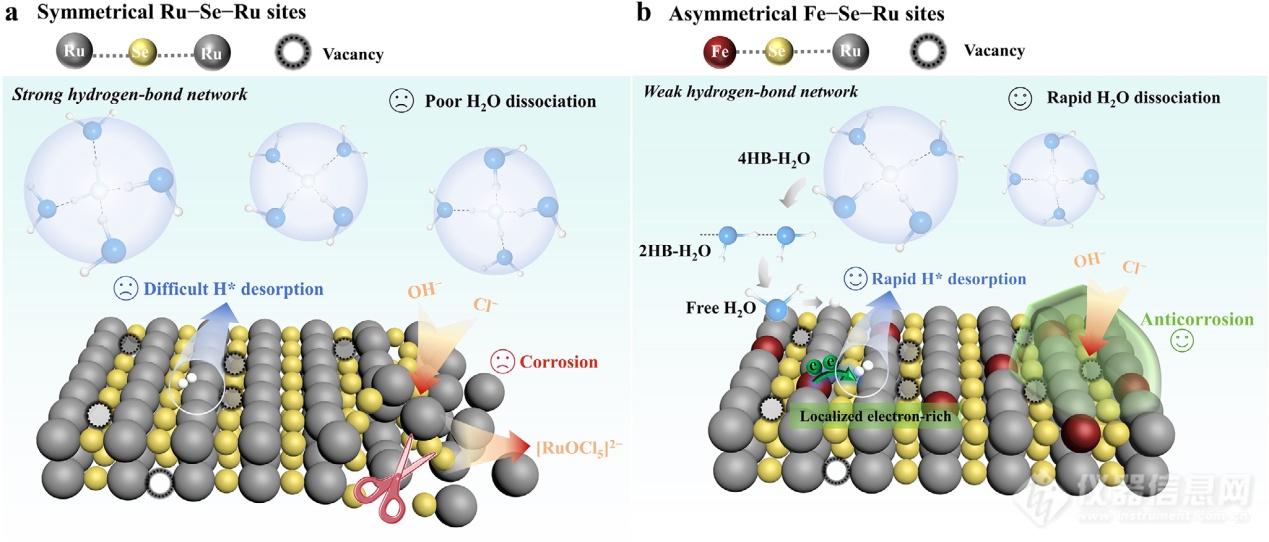
Figure 1 Schematic diagram of the mechanism of symmetric Ru‑Se‑Ru site and asymmetric Fe‑Se‑Ru site
Highlights of this article
(1) Process innovation, Joule heating simultaneously builds active sites and defects
Develop a hydrothermal-ultrafast Joule heating coupling strategy that relies on instantaneous thermal shock-rapid quenching to achieve the simultaneous construction of asymmetric Fe-Se-Ru sites and Se vacancies in one step. The process energy consumption is much lower than that of traditional tube furnaces, and it has the advantage of rapid preparation. Combining XAFS, XPS, and EPR, it was confirmed that Fe was successfully doped into the crystal lattice, triggering electron redistribution, and the d band center shifted moderately downward to optimize hydrogen adsorption.
(2) Excellent catalytic and device performance, suitable for industrial seawater electrolysis
Optimum 1/10 Fe‑RS catalyst in alkaline seawater 10mA·cm⁻² overpotential is only 20mV, performance is better than commercial Pt/C; assembled anion exchange membrane electrolyzer, 1A·The cell voltage is 1.87V at cm⁻² high current density, and it can operate stably for 1000 hours. The STH efficiency of the coupled solar cell can reach 11.3%, and it has outstanding resistance to chloride ion corrosion.
(3) In situ characterization combined with theory to elucidate the synergistic catalytic mechanism
In-situ ATR-SEIRAS proves that asymmetric sites and vacancies synergistically weaken the interface hydrogen bond network, increase the proportion of free water, and accelerate water dissociation; DFT calculations show that the Ru active site in Fe-Se-Ru adjacent to the Se vacancy has a nearly ideal hydrogen adsorption free energy, while enhancing the skeleton stability, revealing the internal mechanism of synergistic improvement of activity-stability.
Interpretation of pictures and texts
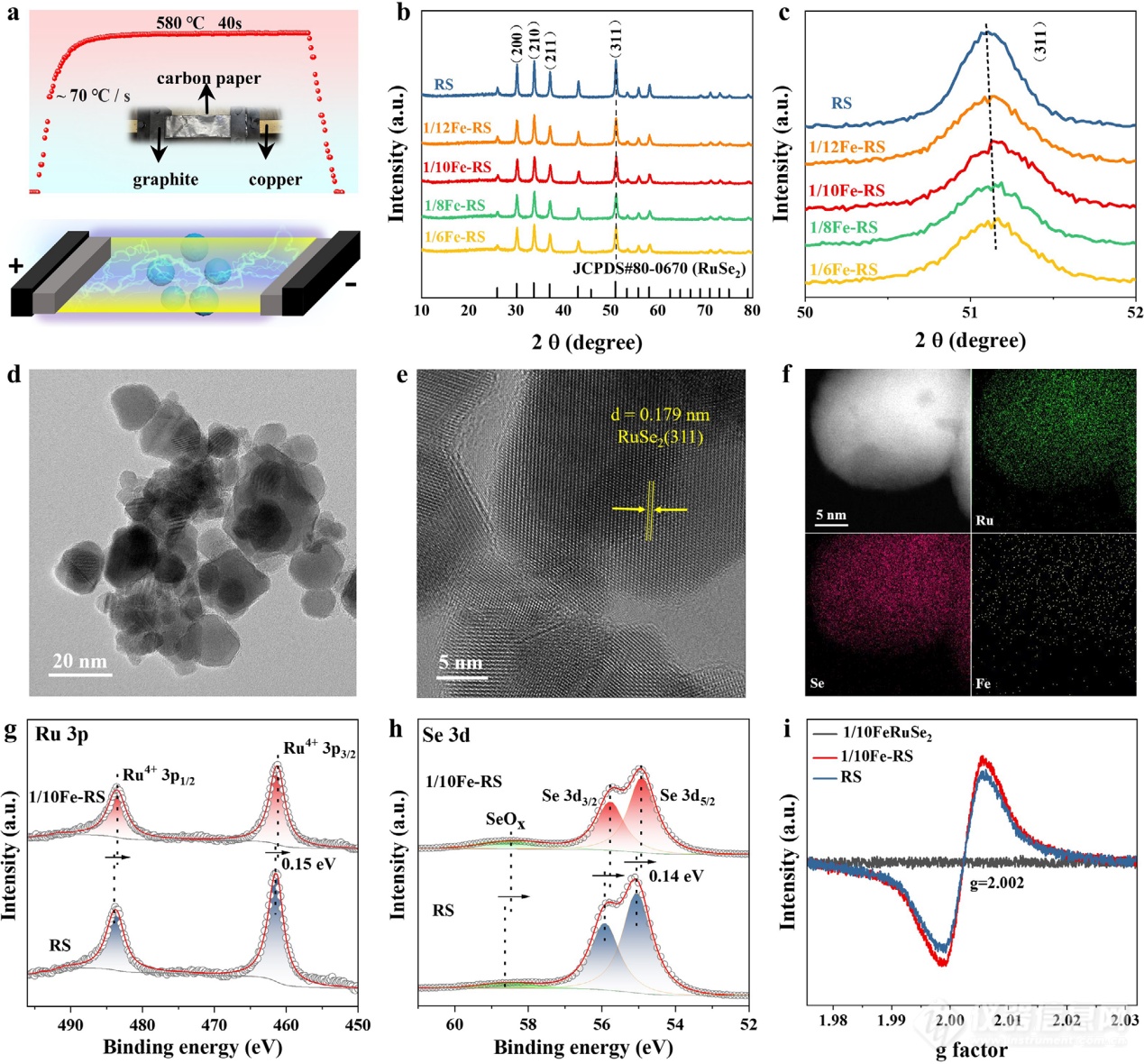
Figure 2: Preparation process and basic phase characterization of a series of catalysts
Figure (a) Schematic diagram of Joule heating preparation: the precursor is wrapped in carbon paper and placed between copper electrodes for Joule thermal shock. The heating rate can reach up to 70℃·s⁻¹; (b‑c) XRD and local magnification spectrum: as the Fe doping amount increases, the (311) diffraction peak shifts to a high angle and the lattice shrinks, proving that Fe is successfully doped into the RuSe₂ lattice; (d‑f) TEM, high-resolution TEM and EDS element mapping: 1/10 Fe‑RS is assembled from stacked nanospheres, with Fe, Ru, and Se elements evenly distributed; (g‑h) XPS Ru3p and Se3d spectra: After Fe is doped, the binding energy of Ru and Se shifts negatively, and electron transfer from Fe to Ru and Se occurs;
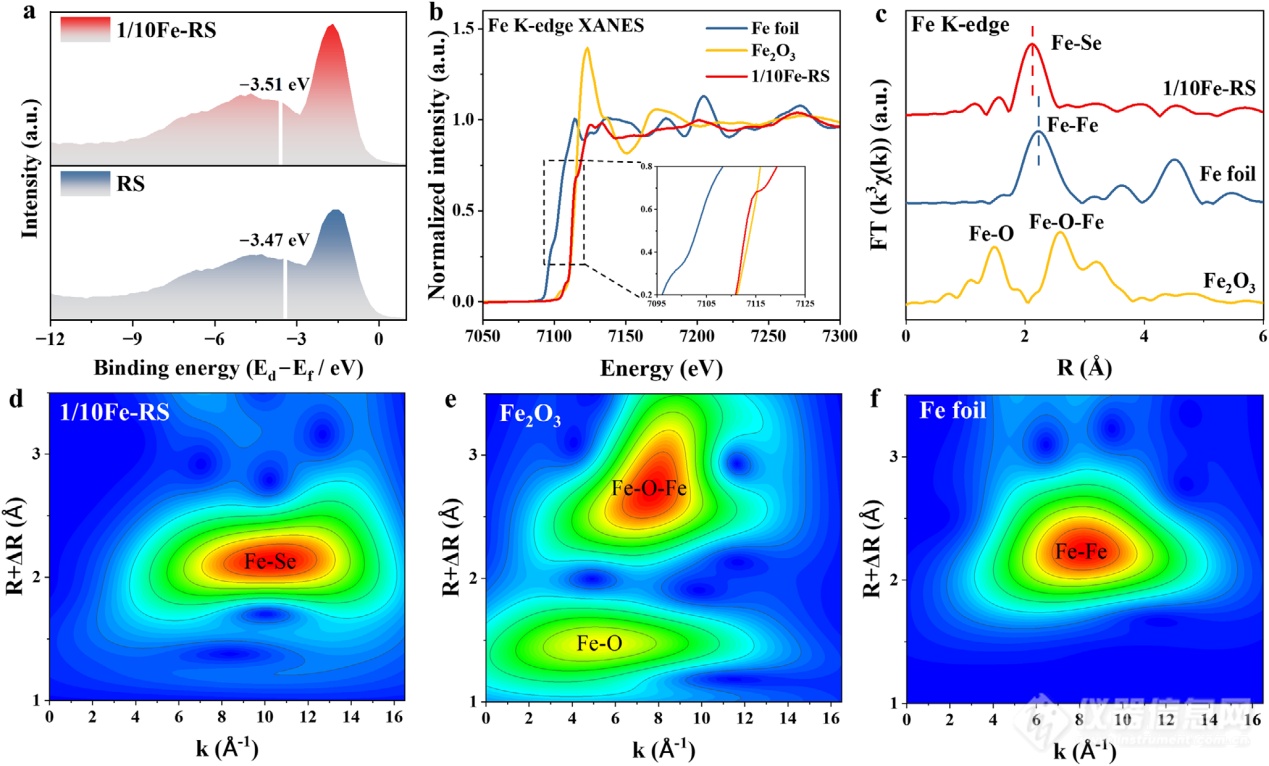
Figure 3: d Band center and X-ray absorption fine structure characterization
Figure (a) The d band center is obtained from the valence band spectrum: compared with the pure phase RS, the d band center of 1/10 Fe‑RS is shifted downward by 0.04eV, which moderately weakens the hydrogen adsorption; (b‑f) Fe K edge XANES, Fourier transform EXAFS, wavelet transform WT‑EXAFS: It is proved that Fe mainly exists in the form of Fe³⁺, a clear Fe‑Se scattering path appears, Fe is successfully embedded in the RuSe₂ lattice, and it is not a simple physical mixture.
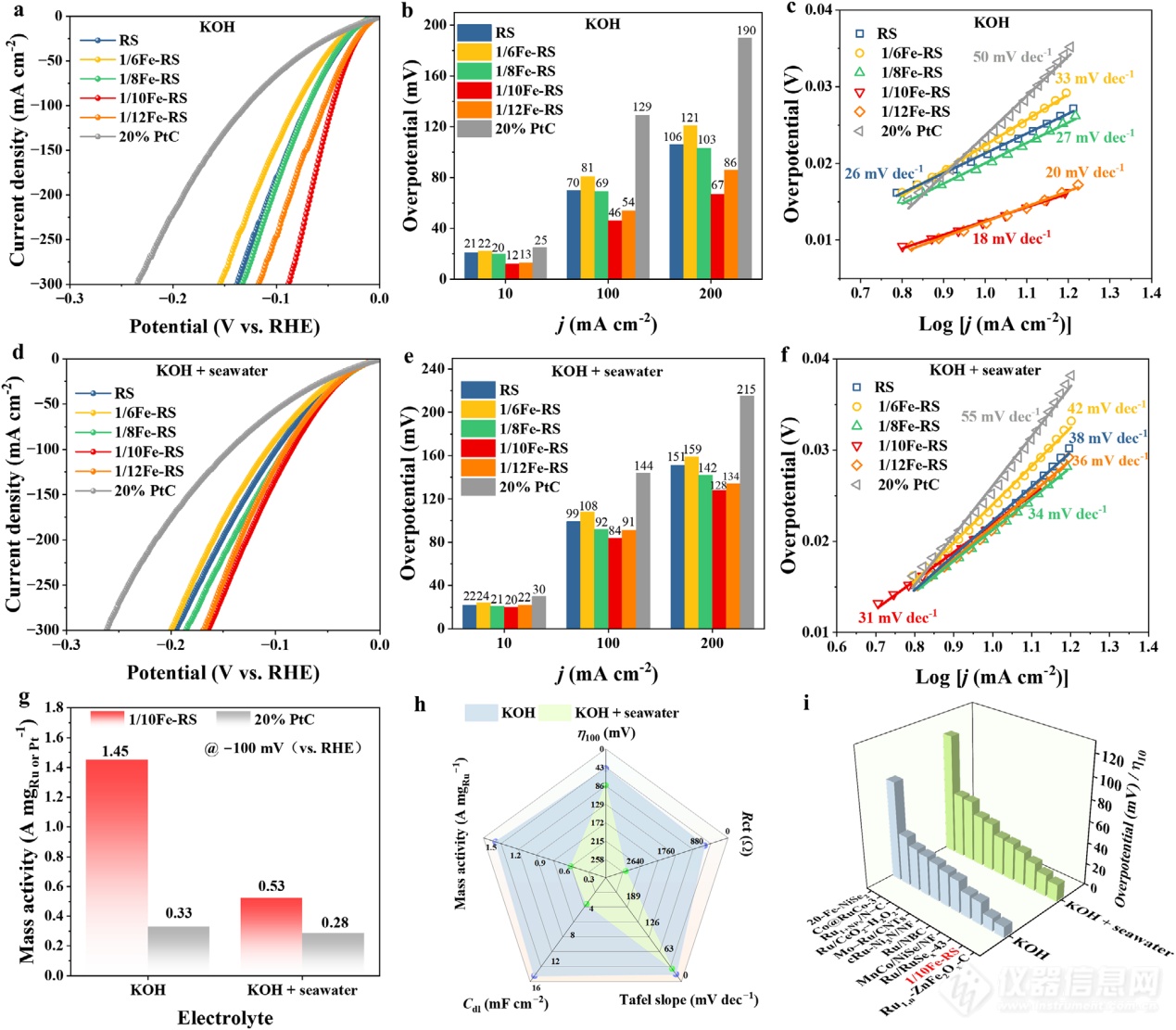
Figure 4: Electrocatalytic hydrogen evolution performance of alkaline fresh water and alkaline seawater
Figure (a‑c) LSV curve, overpotential at different current densities, and Tafel slope in 1MKOH electrolyte. The activity of the optimal sample 1/10Fe‑RS is better than that of RS and commercial 20% Pt/C; (d‑f) LSV, overpotential, Tafel slope in alkaline seawater; (g) mass activity under −100mV overpotential condition; (h) radar chart comparison of η₁₀₀, charge transfer resistance Rct, double layer capacitance Cdl, Tafel slope, mass activity in freshwater and seawater systems; (i) and 10mA for published literature catalysts·cm⁻² overpotential comparison.
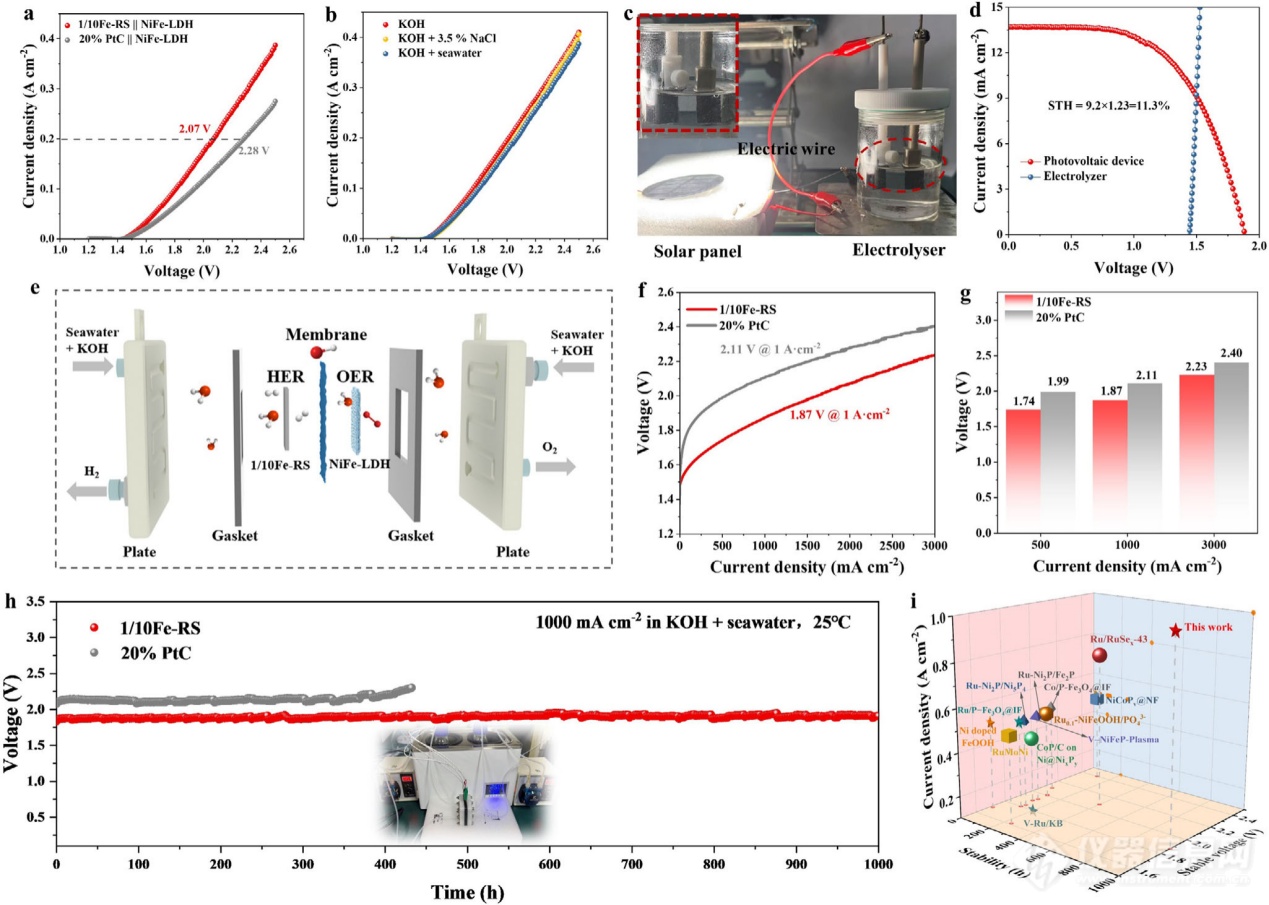
Figure 5: Electrolyzer device performance and solar-driven seawater decomposition test
Figure (a‑b) Electrolytic cell LSV, comparing different electrolyte conditions; (c‑d) Physical object and I‑V curve of solar cell coupled seawater electrolysis device, STH conversion efficiency 11.3%; (e) Schematic diagram of anion exchange membrane seawater electrolyzer (AEMWE) device; (f‑g) AEMWE polarization curve, cell voltage corresponding to different current densities; (h) 1000mA·cm⁻² Galvanostatic long-cycle stability test shows that 1/10Fe‑RS can operate stably for 1000h, and the cell voltage of the Pt/C control group increases significantly after 400h; (i) Comparison with the reported comprehensive performance of seawater electrolysis catalysts.
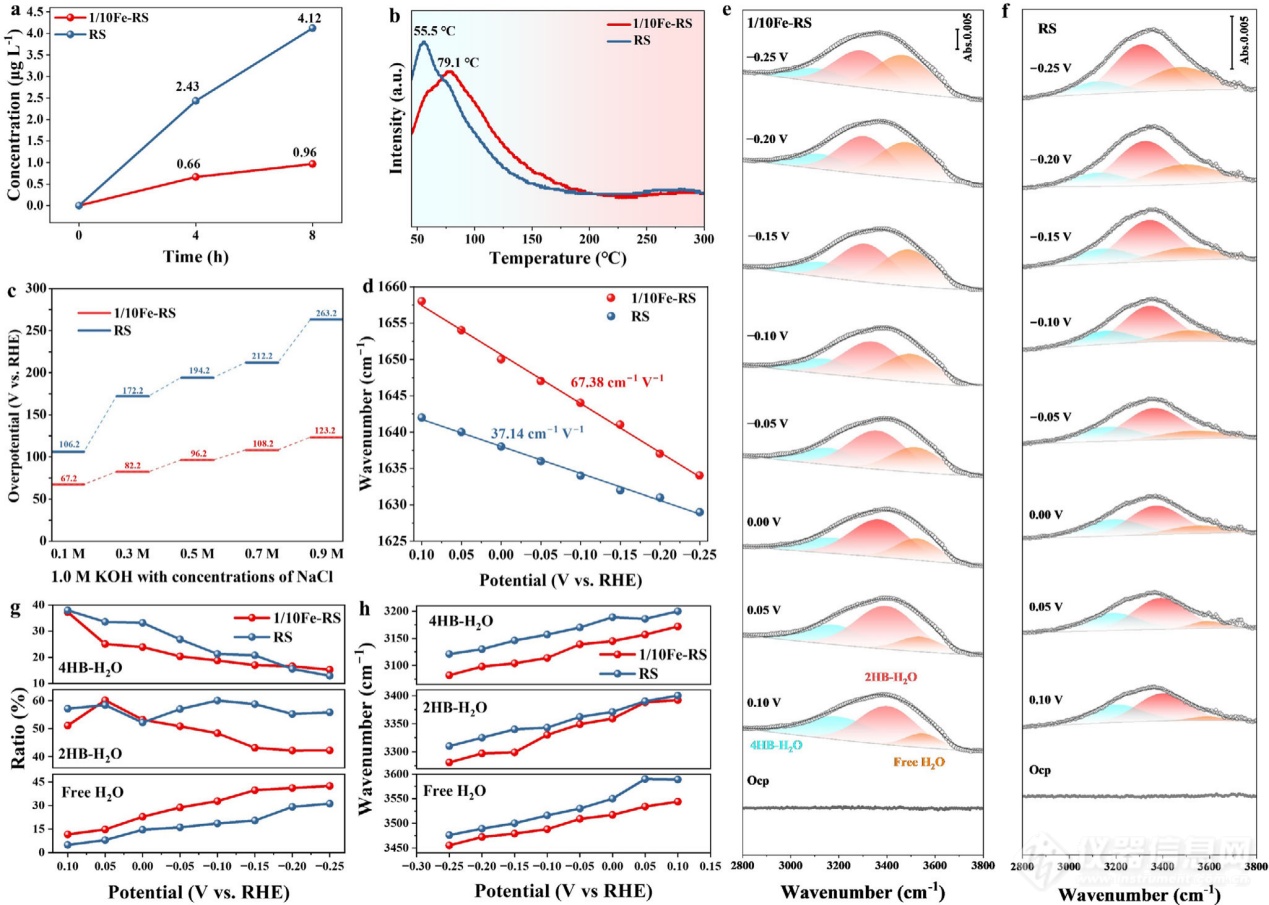
Figure 6: Corrosion resistance test and in-situ ATR‑SEIRAS analysis of interfacial water molecular structure
Figure (a) ICP‑MS test of Ru dissolution concentration during the electrolysis process, the Ru dissolution of 1/10Fe‑RS is much lower than that of the RS sample; (b) H₂‑TPR temperature programmed reduction, the reduction temperature of 1/10Fe‑RS is higher, and the stability of the crystal skeleton is enhanced; (c) Overpotential changes under gradient Cl⁻ concentration conditions, proving that 1/10Fe‑RS has the ability to resist chloride ion interference; (d‑h) In situ ATR‑SEIRAS: H‑O‑H bending vibration, O‑H stretching vibration; split peak fitting distinguishes 4HB‑H₂O (like ice water), 2HB‑H₂O (like liquid water), free‑H₂O (free water); 1/10Fe‑RS catalyst surface has a higher proportion of free water, and the hydrogen bond network is weakened, which is conducive to the dissociation of water molecules.
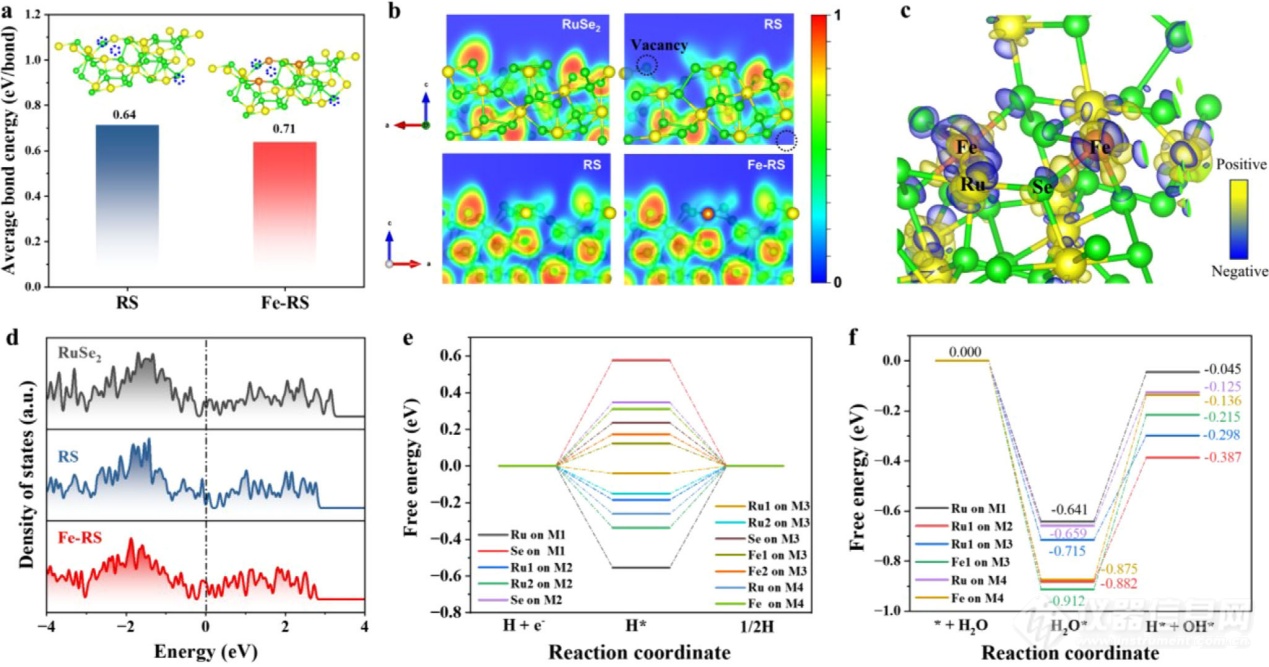
Figure 7: DFT theoretical calculation results
Figure (a) Calculation of bonding between RS and Fe‑RS; (b) ELF electron localization function: Fe‑RS system has a higher degree of electron delocalization, which is conducive to charge transport; (c) Differential charge density CDD: Charge depletion occurs at the Fe site, and charge accumulation at Se and Ru sites confirms Fe to Ru/Se charge transfer; (d) DOS density of states: Fe‑RS has a higher state density near the Fermi level and improved conductivity; (e) H* adsorption Gibbs free energy ΔGH*: Se vacancy adjacent to Ru site ΔG in Fe‑Se‑RuH*Closest to 0eV, achieving optimal hydrogen adsorption-desorption balance; (f) Volmer water dissociation step free energy curve, the thermodynamics of water molecule dissociation at this active site is more favorable.
Summary and Outlook
This work uses a non-equilibrium strategy of hydrothermal combined with ultrafast Joule heating to simultaneously construct asymmetric Fe‑Se‑Ru active sites and Se vacancies in RuSe₂ nanocrystals. The two collaboratively regulate the electronic structure and reshape the hydrogen bond network of interfacial water molecules, significantly improving the hydrogen evolution activity and corrosion resistance of the material in alkaline fresh water and seawater. With the help of in-situ characterization and theoretical calculations, it was clarified that asymmetric sites and vacancies can accelerate the dissociation of water molecules, optimize hydrogen adsorption behavior, and improve the catalyst's resistance to chloride ion corrosion.
This study proves that Joule heating can efficiently realize the coordinated control of sites and defects in selenide catalysts, providing a feasible idea for the modification of ruthenium-based catalysts for seawater electrolysis. In the future, the preparation process can be further optimized and the application of this strategy in other related catalytic materials can be expanded.
Brief introduction of the corresponding author
Huang Kelei,Guangxi University, Assistant Professor, engaged in research related to photothermal catalysis and seawater hydrogen production. In the past five years, he has published more than 20 articles as the first author or corresponding author in Adv. Funct. Mater., Appl. Catal. B-Environ., Nano Energy and other journals, and has presided over 3 provincial and ministerial level projects.
Wu Rui, University of Electronic Science and Technology of China, researcher, has long been engaged in energy electrocatalysis research. In the past five years, he has published more than 40 papers in academic journals such as Adv. Mater., Angew. Chem. Int. Ed., CCS Chem., Adv. Energy Mater., ACS Nano and other academic journals. He has applied for 9 Chinese invention patents as the first inventor, and has authorized 5 patents. Hosted 2 National Natural Science Foundation projects and 3 provincial and ministerial level projects.
The Joule heating device used in this article was developed by Hefei In-situ Technology Co., Ltd. Thank you to the teacher for your support and recognition!

View More from This Booth
Nanjing Agricultural University Chen Wei’s team Energy, Joule heat assists bamboo pyrolysis, and prepares nitrogen-doped porous biochar-enriched synthesis gas in 20 seconds

Joule heat assists the AFM team of Ye Yifan/Wang Xian of the University of Science and Technology of China: Constructing ultra-low loading PtRu alloy catalyst for efficient alkaline hydrogen evolution

Rapid heating furnace helps PdO/Co3O4 nanosheets containing high-valence Pd⁴⁺ species achieve efficient CO₂ photocatalytic methanation
Joule Thermal Equipment Small: Waste plastic can be converted into limited carbon in seconds, acidic CO₂ can produce ethylene FE up to 70%, and the total C₂ FE exceeds 80%
Recommended Products

CIS-JH-4.0 Joule heating device, millisecond level temperature rise 1000-3000℃
Negotiable
Model:CIS-JH-4.0