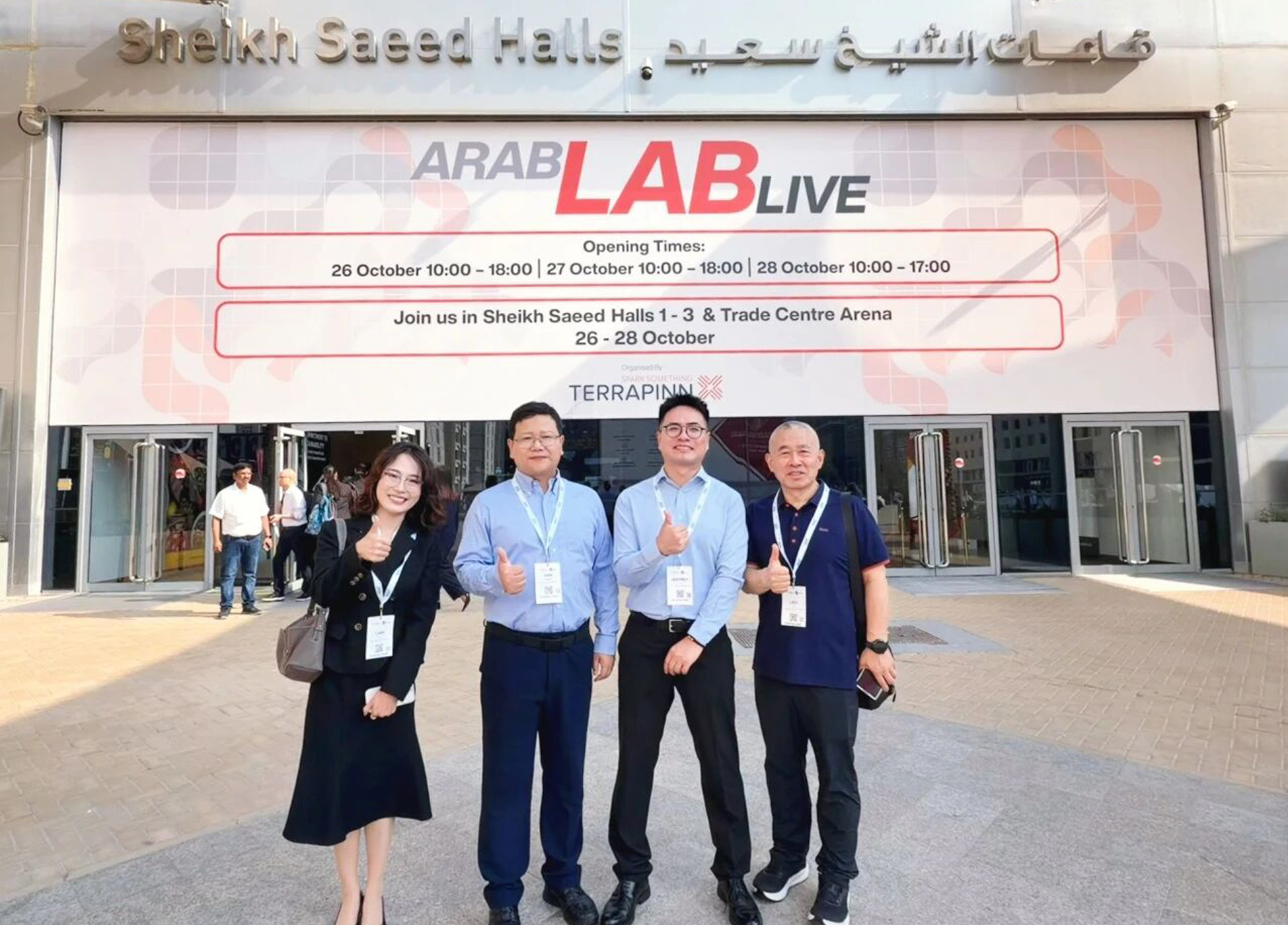
Being close to users continues from every meeting, Haineng goes to ARABLAB again
Company News
Oct 30, 2026

East-West Analytical Instruments·Technical Exchange
From enterprise development and product systems to high-end instrument applications, daily operations and follow-up services, the East-West Analysis technical exchange conferences always focus onPractical work in the laboratoryExpand. Since 2025, we have successively visited many provinces, autonomous regions and municipalities to communicate face-to-face with users and industry colleagues. Through product sharing, technical discussions and instrument visits, we have further understood the testing needs of different laboratories, and also allowed users to more fully understand the products and technologies of East-West Analysis.
In 2025, East-West analysis will beChongqing, Anhui, Guangxi, Inner Mongolia, Shaanxi, HenanCarry out technical exchanges. In 2026, exchange activities will continue toLiaoning, Jilin, Sichuan, Xinjiang, Hebei, Hunan, Guizhou, Jiangxi, Yunnan and Jiangsu, Shandong has also been included in the October exchange arrangements.
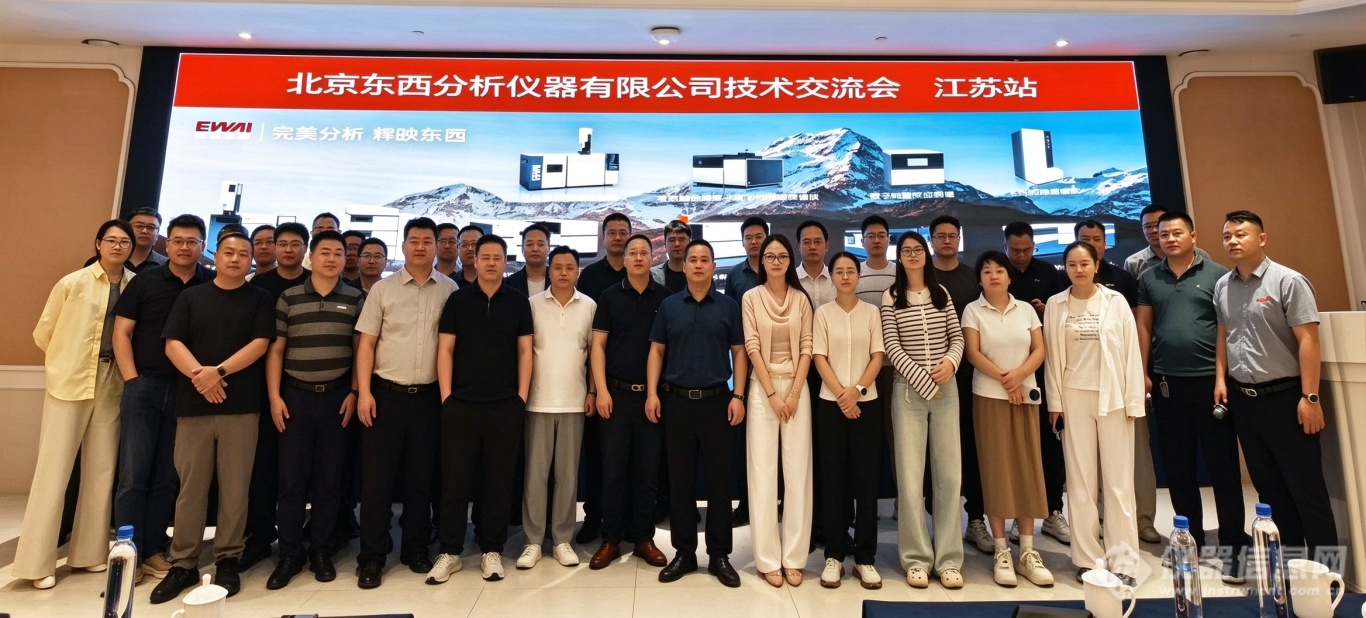
The work of different regions and different laboratories has its own characteristics. In the same elemental analysis, the sample matrix, target content and pre-treatment conditions may be very different; in the same chromatographic detection, the requirements for instrument configuration and application support are also different between routine batch tasks and new method development.
Bringing communication to various places, giving users the opportunity to combine their own samples, existing equipment and experimental conditions to make their needs more specific. How to make test results more stable, how to choose configurations for new projects, whether maintenance is convenient, and how to get support for application issues have all become important contents of communication.
(2).jpg](https://img1.17img.cn/17img/images/202610/uepic/2f2cfcf3-2a5b-4e30-8716-b022a28db935.jpg)
Only with a clear understanding of the actual situation can technical advice have a clear direction.The value of face-to-face communication is reflected in the further understanding of these details.
In related topic sharing, Director of Marketing Department of East-West AnalysisWu Yanaround"Historical Precipitation and Development of East-West Analysis" "Ecology and Practice of Application Solutions for High-End Mass Spectrometry"and other topics, linking corporate development, product layout and practical applications, allowing the guests onsite to have a more complete understanding of the accumulation and development direction of East-West analysis.
.jpg](https://img1.17img.cn/17img/images/202610/uepic/9c20fb63-2e16-4288-80ee-8b8c2bd79553.jpg)
From enterprise development history, product system construction, to company planning and core instrument layout,EWAI product system, core products and GBC large instrument productsis important content to share. For laboratories, whether the instrument can continue to receive technical support after it is put into use, whether the application data is complete, and whether maintenance and training are easy to carry out will all affect the long-term use experience. The company introduction also provides a reference for users to understand the research and development, application and service capabilities behind the product.
Focusing on high-end instrument applications, the report further introducesICP-TOFMS, ICP, XRD, GC-MS/MS, PTR, PRO-MS and other products and technology platforms, combined with technical principles, product characteristics and application directions, discuss the solution selection under different detection tasks.
Food safety, environmental monitoring, material analysis and scientific research testingetc. directions throughout the application discussion. Faced with demands for complex samples, trace detection, multi-element rapid analysis and structural characterization, it is first necessary to clarify the sample type, target content, required information and result usage, and then determine whether the technical route and instrument configuration are suitable.
Instrument capabilities ultimately need to be verified on real samples.From pre-processing, measurement conditions to data review, from single analysis to continuous batch operation, all need to be investigated in combination with laboratory conditions. Such discussions allow users to connect the product introduction with their work, and more clearly determine what is needed and how to use it later.
In addition to formal reports,Coffee break and instrument tourProvides more opportunities for in-depth communication.
During the on-site communication at the Hebei site, some guests took a closer look at the product information, some discussed application plans with technical staff, and some consulted on configuration options based on the needs of the unit. Everyone pays attention to the function of the instrument and also cares aboutOperation, maintenance, data processing and ongoing supportetc. usage details. These exchanges provide a specific entry point for understanding the real needs of laboratory users.
Whether a common operation is clear and simple, whether a maintenance component is easy to check, and whether a piece of data can be easily reviewed to the original record will all affect the efficiency of daily work. For laboratories that undertake continuous testing tasks, it is equally important to receive clear troubleshooting suggestions and effective support after equipment abnormalities occur.
User experience runs through the entire process of selection, installation training, daily operation and maintenance services.Communication will give these scattered feelings in daily work the opportunity to be expressed in a concentrated manner, and also provide a reference for East-West analysis to further improve product descriptions, training materials and application support.
Some issues can be clarified with on-site explanations and demonstrations; others require additional sample information, verification of method conditions, or further testing to confirm.Remember the questions clearly, sort out what information is missing, and how to verify it in the next step., follow-up communication will have a direction.
In exchanges with different regions, we also heard some similar needs. Frequently asked operating steps can be explained in a more intuitive way; frequently encountered application difficulties are worthy of sorting out relevant methods and experiences for everyone's reference; users' suggestions for maintenance and software use also need to be combined with specific scenarios to see where improvements can be made.
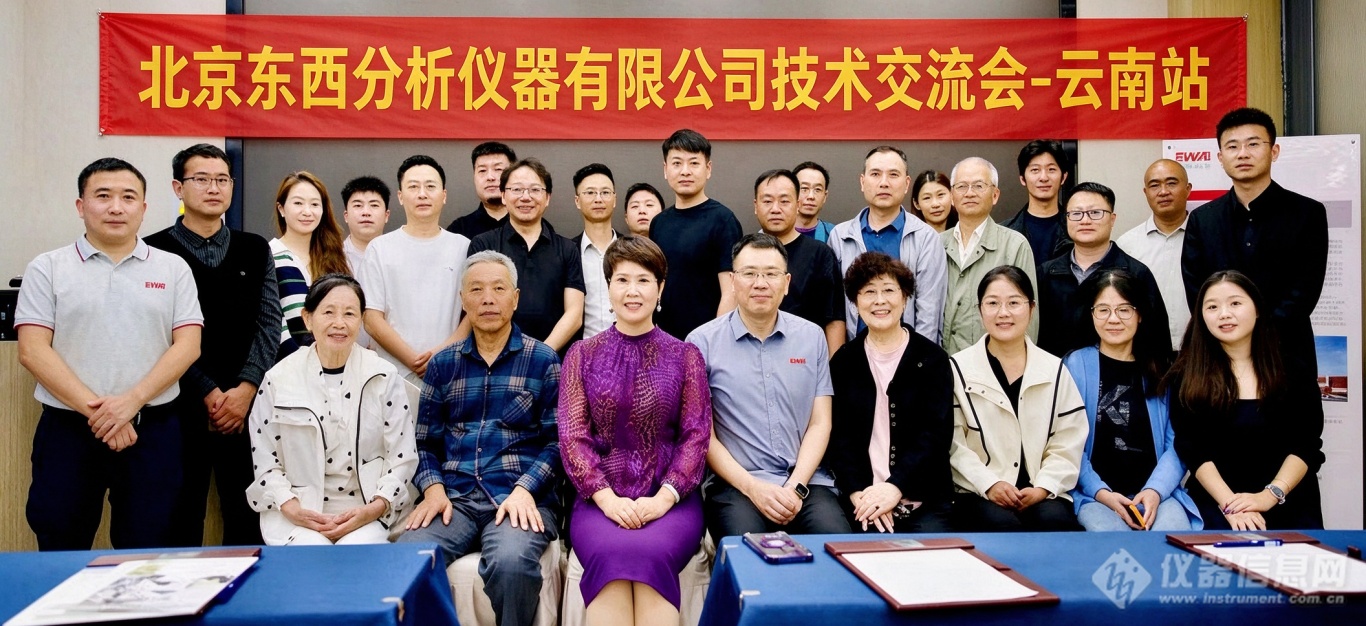
For Dongxi Analysis, local exchange meetings are not only an opportunity to introduce products and technologies, but also a process of listening to users and reviewing their own work. We hope to gradually implement the feedback received on site intoApplied research, user training and service communication, let the value of communication extend to the daily work of the laboratory.
Thanks to users and industry colleagues from all over the world for their participation and support.Dongxi Analysis will continue to start from real samples, specific tasks and user experience, maintain in-depth communication with the majority of analysts, and provide laboratories with products and technical support that are closer to actual needs.


When you visit any website, it may store or retrieve information on your browser, mostly in the form of cookies. This information might be about you, your preferences or your device and is mostly used to make the site work as you expect it to. The information does not usually directly identify you, but it can give you a more personalized web experience. Because we respect your right to privacy, you can choose not to allow some types of cookies. Click on the different category headings to find out more and change our default settings. However, blocking some types of cookies may impact your experience of the site and the services we are able to offer.