Atomic absorption spectrometry is a commonly used elemental analysis method in laboratories, and the technology is relatively mature. The specific choice of flame atomic absorption or graphite furnace atomic absorption depends on what elements are measured, how complex the sample matrix is, and the content of the element to be measured. For different detection needs, you can choose the appropriate method for normal, micro or trace measurement.
Lead and cadmium in food, calcium, magnesium and heavy metals in water samples, gold, silver and copper in ores, and lithium, cobalt and iron in new energy materials all have applications of atomic absorption spectrometry. What really affects the detection results is not only the sensitivity of the instrument, but also sample pretreatment, background correction, atomization conditions and quality control.

"East-West Analysis"Atomic absorption spectrophotometer"The album has included more than 90 articles. This article has been reorganized by application direction to facilitate quick search based on sample type. Click on the article title to view the corresponding solution.
| Food, feed and agricultural products | Medicine, Cosmetics and Life Sciences |
| Environment, water quality and soil | Geology, Minerals, Metallurgy and Precious Metals |
| New energy, electronic materials and industrial products | Technical information and further reading |
| Food, feed and agricultural products |
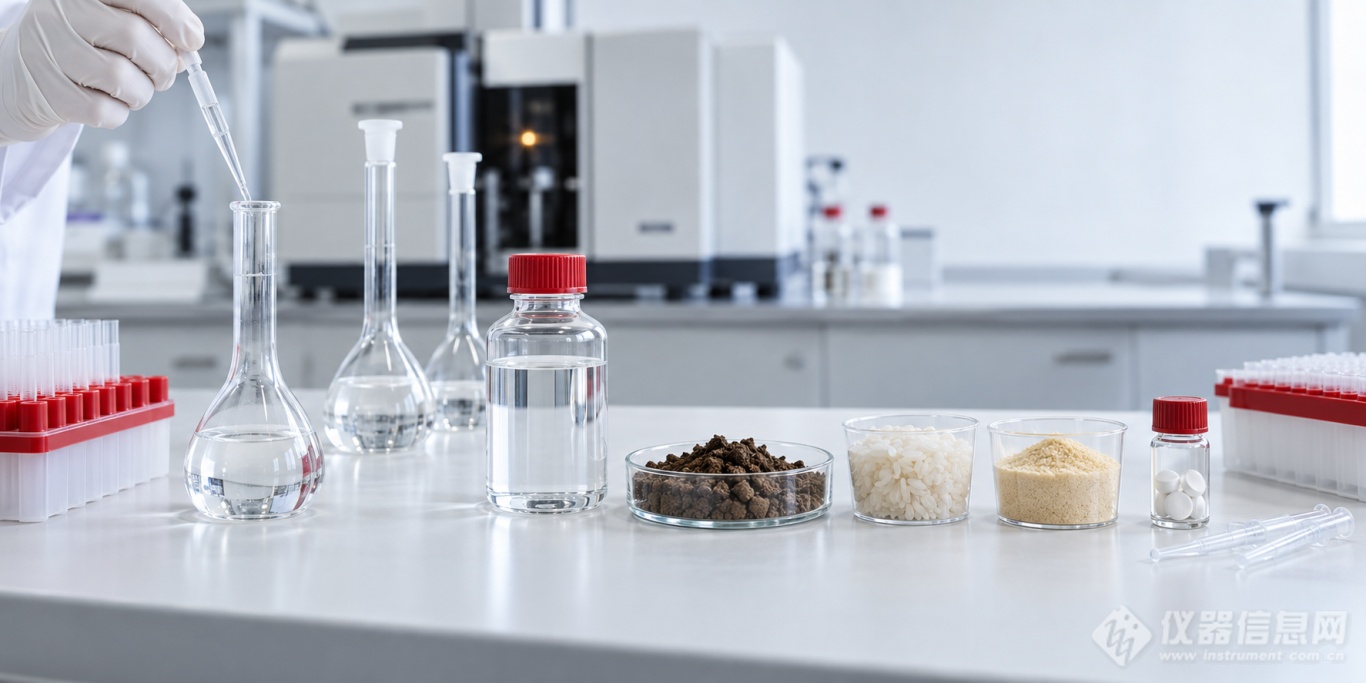
From liquid milk, protein powder and condiments to feed, fertilizers and agricultural products, atomic absorption spectroscopy can be used to measure nutritional elements and risk elements such as lead and cadmium. The sugar, fat, protein and inorganic salt contents of different samples vary greatly, and the pretreatment methods and atomization conditions also need to be adjusted according to the matrix.
| Medicine, Cosmetics and Life Sciences |
Pharmaceutical excipients, pharmaceutical solutions, serums, medical consumables and cosmetics involve not only effective elements or nutrients, but also heavy metal impurities that require attention. For samples with lower content or more complex matrices, graphite furnace atomic absorption, flame atomic absorption and applicable background correction methods can be combined for analysis.

| Environment, water quality and soil |
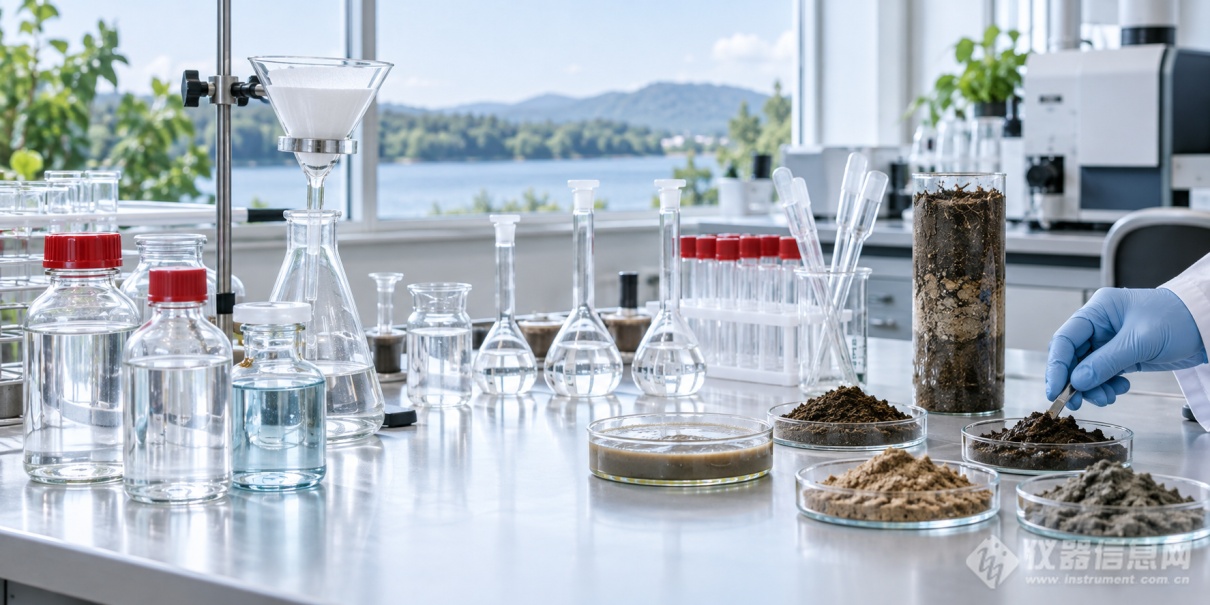
The content of elements in water samples, soil digestate and mine wastewater ranges widely. Environmental testing includes not only macroelements such as calcium and magnesium, but also low-content items such as lead, cadmium, thallium, indium and hexavalent chromium. It has high requirements for blank control, background correction and detection capabilities.
| Geology, Minerals, Metallurgy and Precious Metals |
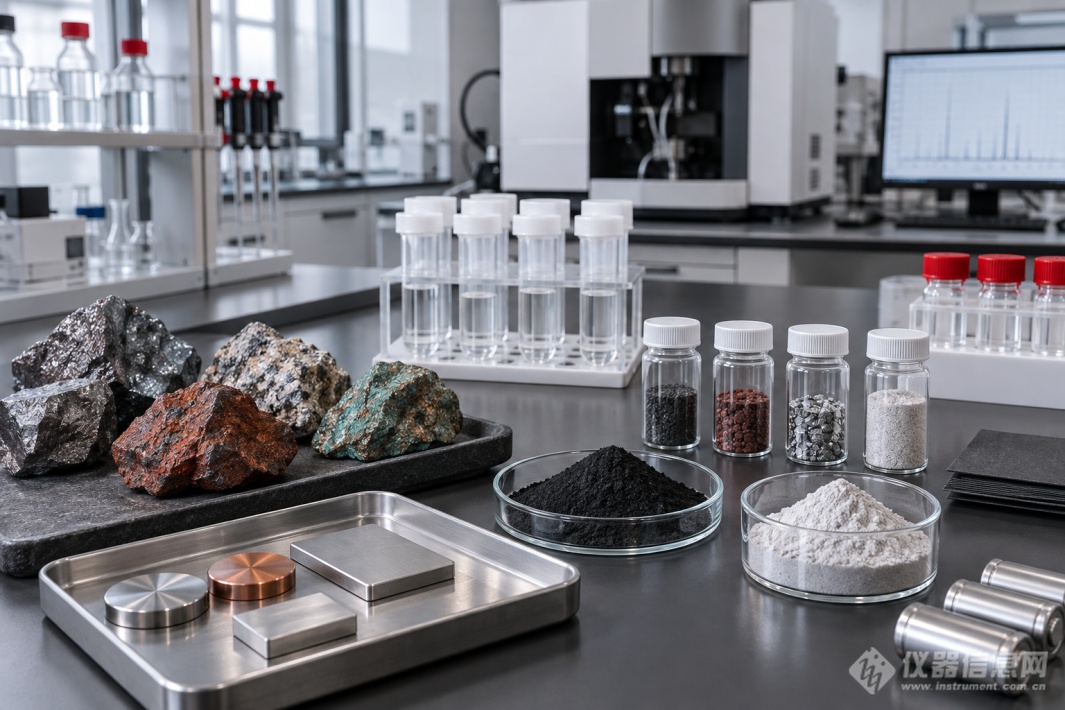
Ore, ore powder, slag, alloy and metal powder usually have the characteristics of high content of elements and the coexistence of trace elements. Atomic absorption spectroscopy can select flame or graphite furnace methods according to the target element and concentration range, and can be used for raw material evaluation, mineral processing process control and precious metal recovery analysis.
| New energy, electronic materials and industrial products |
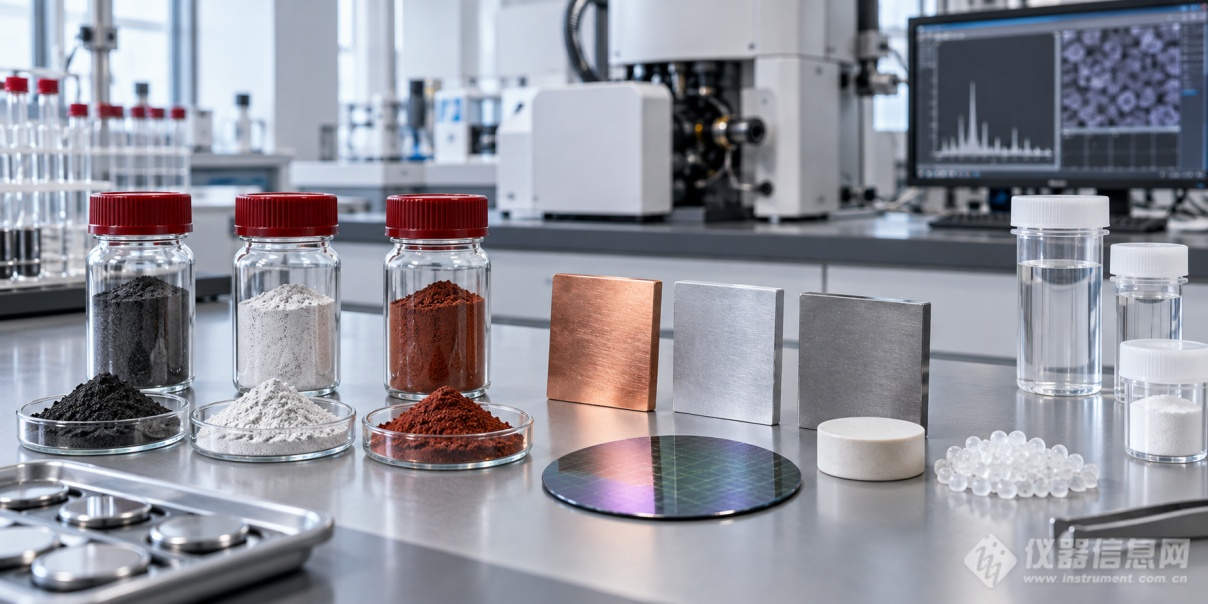
New energy materials, electronic chemicals, petroleum products, polymer materials and industrial raw materials cover a wide range of sample types. Detection may focus on major or minor elements such as lithium, cobalt, and iron, as well as impurity elements such as lead, cadmium, arsenic, and mercury. The analysis plan needs to be designed based on the solubility of the sample and the target concentration.
| Recommended products |
AA-7090 Atomic Absorption Spectrophotometer
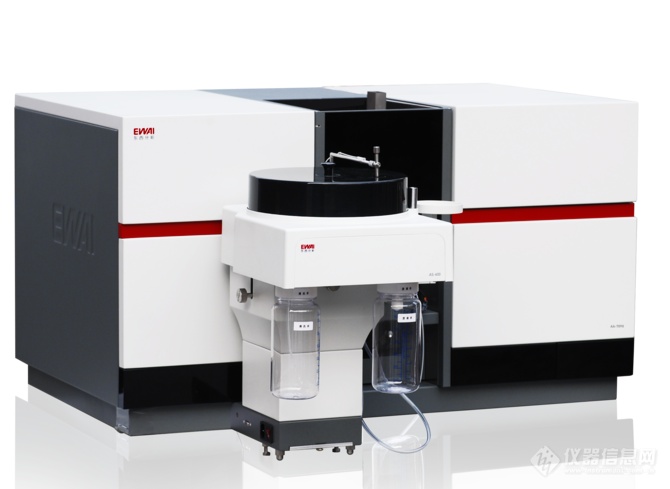
AA-7090 is equipped with a transverse heating graphite furnace and adopts longitudinal AC Zeeman and deuterium lamp dual background correction modes. The appropriate correction method can be selected according to different sample matrices. The graphite furnace visualization system makes it easy to observe the position of the injection needle and the status of the sample in the graphite tube, providing an intuitive reference for temperature program optimization.
The instrument is equipped with eight lamp holders, with automatic identification of element lamps and usage recording functions; graphite furnace gas-saving mode and dual protective gas circuit design help improve protective gas utilization and extend the service life of graphite tubes. Suitable for analysis of trace elements in food, environment, medicine and new materials.
AA-7050 Atomic Absorption Spectrophotometer
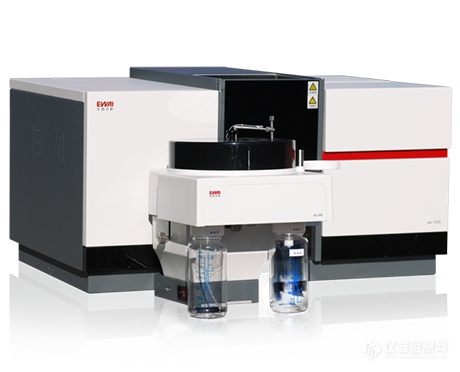
AA-7050 is equipped with an eight-lamp holder automatic turret and a graphite furnace visualization system. The graphite furnace adopts light-controlled heating, and the maximum heating rate can reach 3000°C/s. The instrument has a graphite furnace air-saving mode and a dual internal gas circuit design, which can control the drying, ashing and atomization processes according to method requirements.
The instrument can be equipped with an AS-600 automatic sampler to realize automatic measurement of multiple elements, and is suitable for laboratories with large batches of samples that need to take into account both flame and graphite furnace analysis.
AA-7095 Atomic Absorption Spectrophotometer
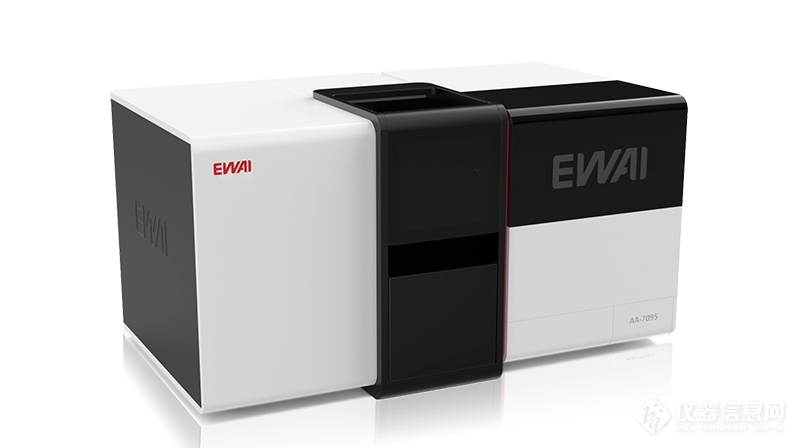
AA-7095 adopts a fixed light source eight lamp holder design, which can be implementedNow eight lamps are preheated at the same time, reducing the time waiting for the hollow cathode lamp to stabilize during multi-element detection. The instrument is configured with a transverse heating graphite furnace and adopts longitudinal AC magnetic field Zeeman and deuterium lamp double background correction technology.
write at the end
From a food sample to a piece of mineral, different matrices face different interferences and preparation difficulties. Selecting a flame or graphite furnace analysis method based on the target element content, and performing targeted optimization of digestion, dilution, background correction and standard curve are important foundations for obtaining reliable results.
East-West Analysis will continue to update atomic absorption application methods and solutions around actual samples and testing needs to provide more references for laboratory elemental analysis.